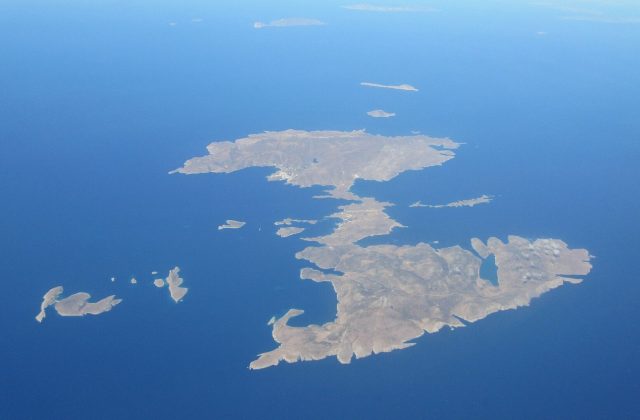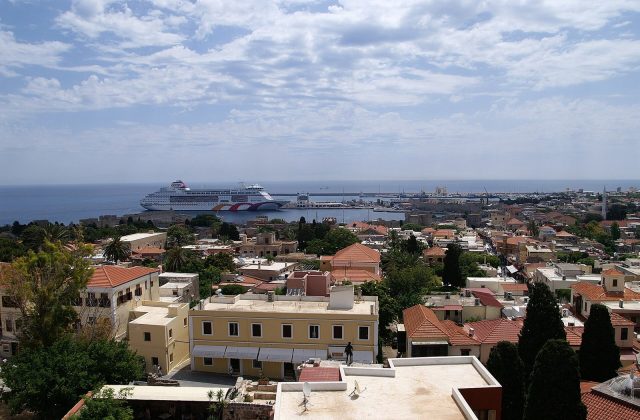
Rhodes
Dodecanese, Greece
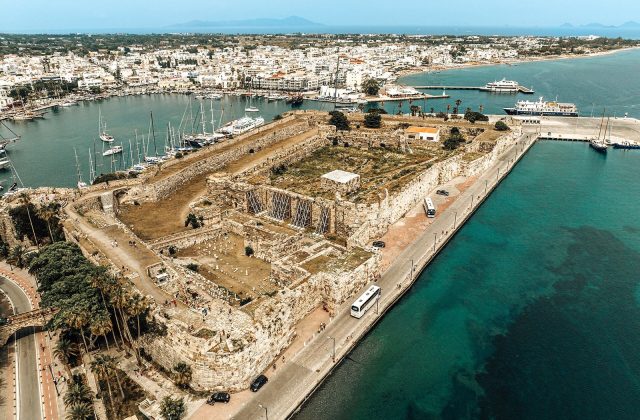
Rhodes is the largest of the Dodecanese islands, about 1,400 square kilometres close to the Turkish coast, with a…
371 tours & trips
Greece · Aegean Sea · Nature & wildlife island
Kalymnos is a rugged Dodecanese island of about 110 square kilometres, just 12 km north of Kos, famous first for its sponge divers and now for some of the best sport climbing in Europe. Bare limestone mountains drop to small bays and a lively harbour town, and the islet of Telendos lies just offshore.
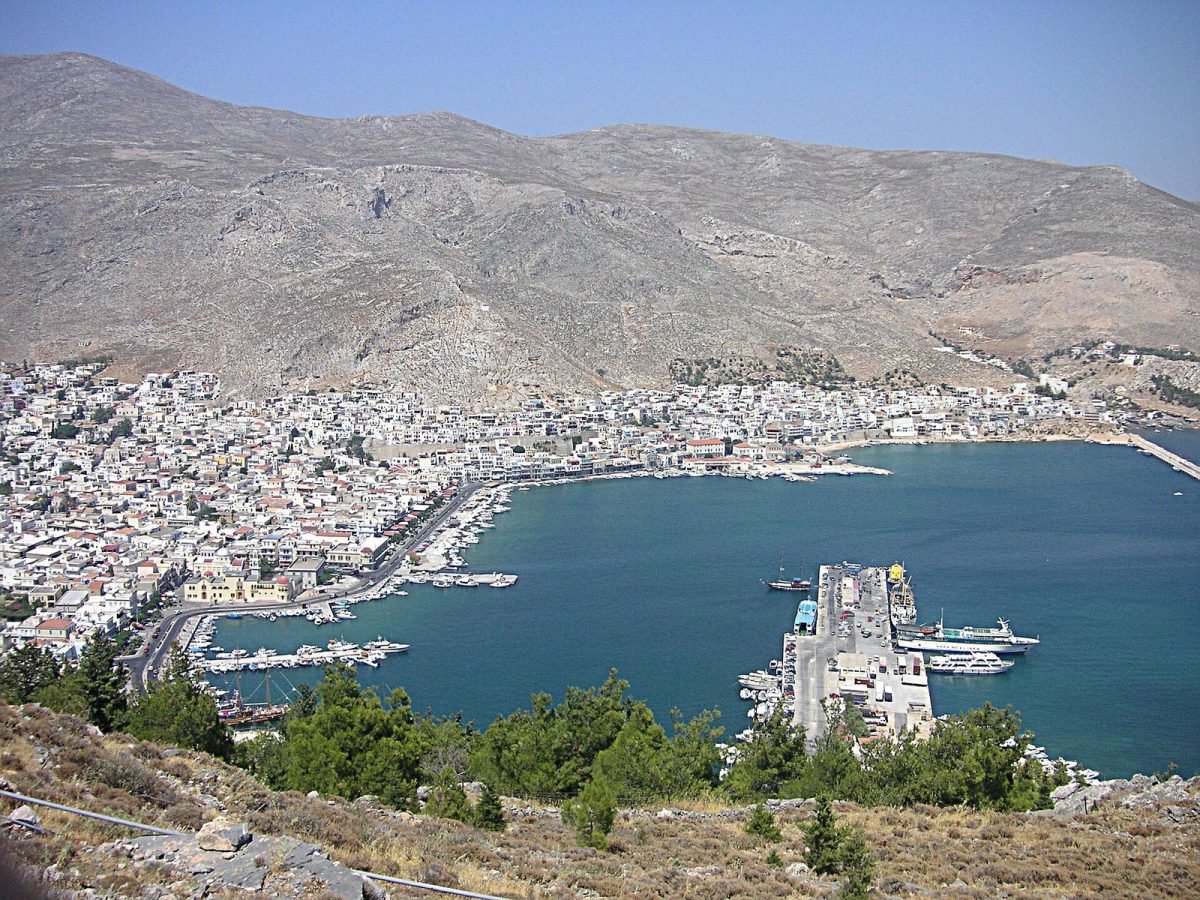
Photo: CC BY-SA 3.0
| Getting there | Ferry from Mastichari on Kos in about 40 min, a short flight from Athens, or boats from Rhodes and Piraeus |
|---|---|
| Gateway | Kos (Mastichari port) |
| Travel time | About 40 min by ferry from Mastichari |
| Days | 3 to 5 nights |
| Best months | Apr–Jun and Sep–Nov for climbing and walking; Jul–Aug hot |
| Getting around | Rent a scooter or car; buses from Pothia to the west-coast villages |
| Booking | Rooms in Massouri ahead for Oct climbing season and Aug; boat trips a day ahead |
| Cost | Mid-range for Greece; cheaper than Kos |
| Beaches | Small coves of pebbles and coarse sand: Massouri, Platys Gialos, Emporios; better sand on Telendos |
| Sea | Aegean Sea |
| Archipelago | Dodecanese |
| Area | 111 km² |
| Highest point | 760 m |
| Airport | Yes, scheduled flights |
| Car-free | No |
| Checked | October 2026 |
Kalymnos attracts two kinds of visitor, and the products follow them.
Day visitors mostly come from Kos on boat trips. A typical day boat leaves Kos Town or Mastichari, stops for an hour or two in Pothia to see the harbour and sponge shops, then anchors off Pserimos and sometimes the islet of Plati for swimming. Lunch may be included or bought at a taverna; drinks are extra. Some versions are livelier, with music and a pirate-ship theme aimed at families. They are a pleasant outing but show only the harbour.
Those who stay longer come for climbing, walking or diving. Climbing shops in Massouri sell guidebooks, rent gear and arrange guides and courses for beginners; local photographers shoot climbers on the crags. Private motorboats with a skipper, booked in Pothia or the west-coast villages, explore caves and remote coves, and dive centres run trips to reefs and wrecks.
There is little need to book anything far ahead except rooms. If you only have a day, the boat trip from Kos is the simplest choice; if you can spare three nights, take the ferry from Mastichari, stay on the west coast and hire a scooter or a boat.
The capital and main port spreads in a wide amphitheatre of pastel houses around the harbour. Visit a sponge workshop to see how the sponges are cleaned and trimmed, and the nautical museum for the story of the divers who worked off North Africa. Waterfront cafes serve octopus and the local mermizeli salad. The cave of the Seven Virgins is a short walk west.
The west coast, a 20-minute drive from Pothia, is the climbing centre: a wall of limestone above the villages with thousands of bolted routes, many easy enough for beginners. Even non-climbers come for the sunset over Telendos. Massouri has the climbing shops, bars and most rooms, and a small beach where you can swim between sessions.
Across a narrow strait from Myrties, a ten-minute ride in a small passenger boat, this car-free islet is said to have split from Kalymnos in a sixth-century earthquake. Its single village has tavernas on the water, the ruins of a Byzantine basilica and Roman baths, and a footpath to quiet pebble beaches. Stay for dinner and take a late boat back.
On the east coast, about 20 minutes from Pothia, a green valley of citrus orchards ends in Rina, a narrow inlet between cliffs that feels like a fjord. Swim off the quay, eat at the small harbour tavernas, or hire a boat to sea caves nearby. Walking paths climb from the valley to old chapels and the crags above.
Above Chora, the old capital between Pothia and the west coast, a steep path climbs to Pera Kastro, a ruined medieval fortress where islanders sheltered from pirates. Inside the walls are several whitewashed chapels with faded frescoes. The climb takes about 20 minutes; go in the early morning or evening for cool air and wide views.
The road along the west coast ends at Emporios, a quiet village at the northern tip with a pebble beach, a couple of tavernas and moorings for yachts. The drive from Massouri takes about 25 minutes past bays such as Arginonta and Skalia. Walkers can follow old paths over the mountain and look for the island's wild goats.
Our pick for each kind of trip, with live dates and prices. Free cancellation on most.
Best for: A relaxed day from Kos
A leisurely boat day from Kos that stops in Pothia's harbour and adds swimming at Pserimos, the easiest way to see Kalymnos without staying overnight.
The easiest route is from Kos: small car ferries and passenger boats leave Mastichari, near Kos airport, for Pothia several times a day and take about 40 minutes. Flights from across Europe land on Kos in summer, so many visitors fly there and cross the same day.
Kalymnos also has its own small airport, with flights of under an hour from Athens. Big ferries from Piraeus call several times a week on the Dodecanese line, a long overnight trip, and catamarans link Kalymnos with Rhodes, Kos, Leros and Patmos in season. A separate small boat runs from Myrties to Leros. Book ahead in August; in winter, connections are fewer and weather can cancel the small boats.
Pothia is compact and walkable, but the rest of the island needs wheels. Buses run from Pothia to Massouri and Emporios on the west coast and to Vathy, several times a day in season. Most visitors rent a scooter or small car, both easy to find in Pothia and Massouri. Roads are good but winding, with steep bends and goats. Taxis wait at the port. Small boats run to Telendos all day from Myrties.
Kalymnos has two seasons. Spring, from April to June, and autumn, from September to November, are the climbing and walking months, with mild days in the low to mid twenties; October is busiest, when climbers fill Massouri and an international climbing festival is sometimes held. The sea is warmest from July to September, around 24 to 26 degrees.
July and August are hot, with temperatures above 30 degrees that make climbing hard after mid-morning, and Greek holidaymakers fill the beaches around mid-August. The meltemi wind blows in summer and can disrupt small boats. Easter is a memorable time to visit, when the islanders famously mark the celebrations with loud homemade explosions. From December to February many rooms close, but Pothia stays lively. Three nights is the minimum for a few climbing days or walks; climbers often stay a week or two.
Climbers and most visitors stay on the west coast, in Massouri, Myrties or Armeos, close to the crags, the Telendos boats and the sunset, with studios and small hotels at moderate prices. Pothia suits travellers who want a real Greek town, the ferries and the widest choice of restaurants, but has no beach. Vathy and Emporios are quiet choices for walkers and those wanting a few days of calm.
Kalymnos was settled in antiquity and later held by the Knights of Saint John, who built castles before the Ottomans took the island in the 16th century. For centuries the islanders lived from sponge diving, sailing each spring to the coasts of North Africa for months; many divers died or were crippled, and their wealth built Pothia's houses. Italy ruled from 1912 to 1943, and the island joined Greece in 1948. When sponge stocks collapsed, emigration followed, until climbers discovered the cliffs in the late 1990s.
Kalymnos sits in the middle of the Dodecanese ferry line. Kos is 40 minutes away and has flights from all over Europe. Leros, a short boat ride north, is quiet and green, and Patmos, with its monastery, is about an hour and a half beyond by catamaran. Pserimos is an easy day trip, and Rhodes is a few hours away.
Ferry from Mastichari on Kos in about 40 min, a short flight from Athens, or boats from Rhodes and Piraeus.
From Kos (Mastichari port): about 40 min by ferry from Mastichari.
3 to 5 nights.
Apr–Jun and Sep–Nov for climbing and walking; Jul–Aug hot.
Rent a scooter or car; buses from Pothia to the west-coast villages.
Go if you want world-class rock climbing, hiking, diving and a real working Greek island with good tavernas and few package hotels. Skip it or choose Kos or Leros if you want long sandy beaches, resort comforts or a gentler landscape.
Mid-range for Greece; cheaper than Kos.
Small coves of pebbles and coarse sand: Massouri, Platys Gialos, Emporios; better sand on Telendos.
Rooms in Massouri ahead for Oct climbing season and Aug; boat trips a day ahead.
Yes. Boat trips, guided tours and day trips for Kalymnos can be booked online; live prices and free cancellation on most are shown on this page.
Dodecanese, Greece
Rhodes is the largest of the Dodecanese islands, about 1,400 square kilometres close to the Turkish coast, with a…
371 tours & trips
Dodecanese, Greece
Kos is the long, low island of the Dodecanese closest to the Turkish coast, about 42 km from end to end, with sandy…
48 tours & trips
Dodecanese, Greece
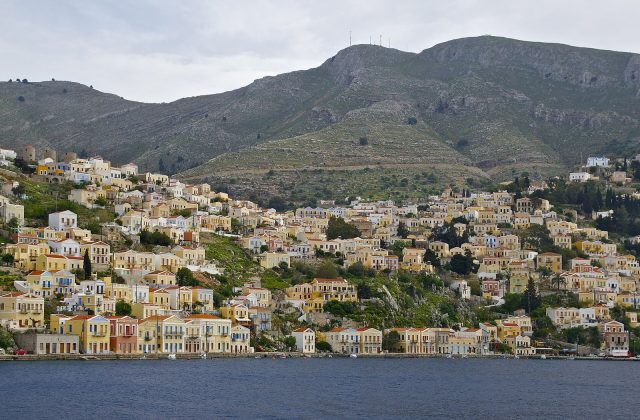
Symi is a small, mountainous island in the Dodecanese, about 24 km north of Rhodes, whose harbour town is a steep…
47 tours & trips
Dodecanese, Greece
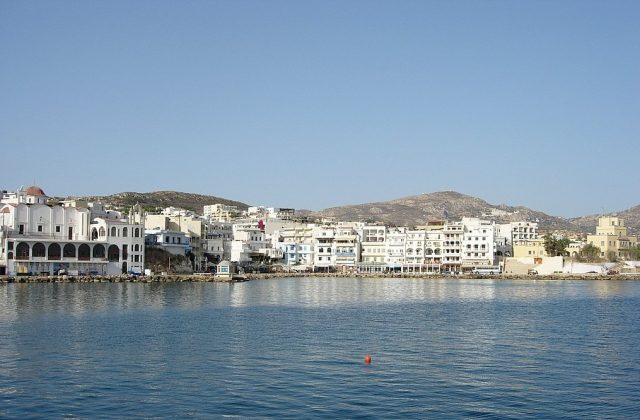
Karpathos is the second largest of the Dodecanese islands, a long mountainous strip between Crete and Rhodes that rises…
17 tours & trips
Dodecanese, Greece
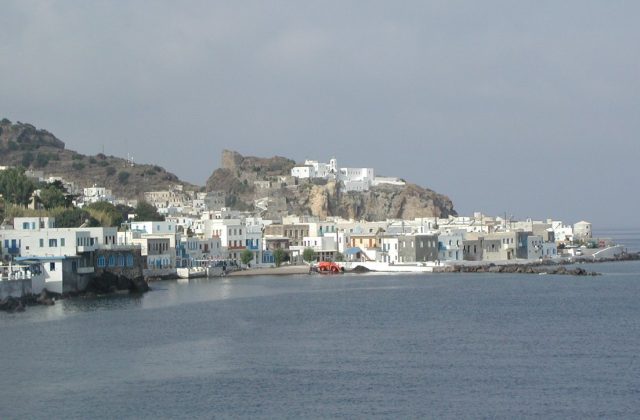
Nisyros is a round volcanic island of about 42 square kilometres in the Dodecanese, between Kos and Tilos.
9 tours & trips
Dodecanese, Greece
Astypalaia is a butterfly-shaped island on the western edge of the Dodecanese, two rocky lobes joined by a strip of…
5 tours & trips