Rhodes
Dodecanese, Greece
Rhodes is the largest of the Dodecanese islands, about 1,400 square kilometres close to the Turkish coast, with a…
371 tours & trips
Greece · Aegean Sea · Beach island
Astypalaia is a butterfly-shaped island on the western edge of the Dodecanese, two rocky lobes joined by a strip of land little more than 100 metres wide. Its white Chora, climbing to a Venetian castle and a row of windmills, is one of the most striking villages in the Aegean, and the island stays calm even in August.
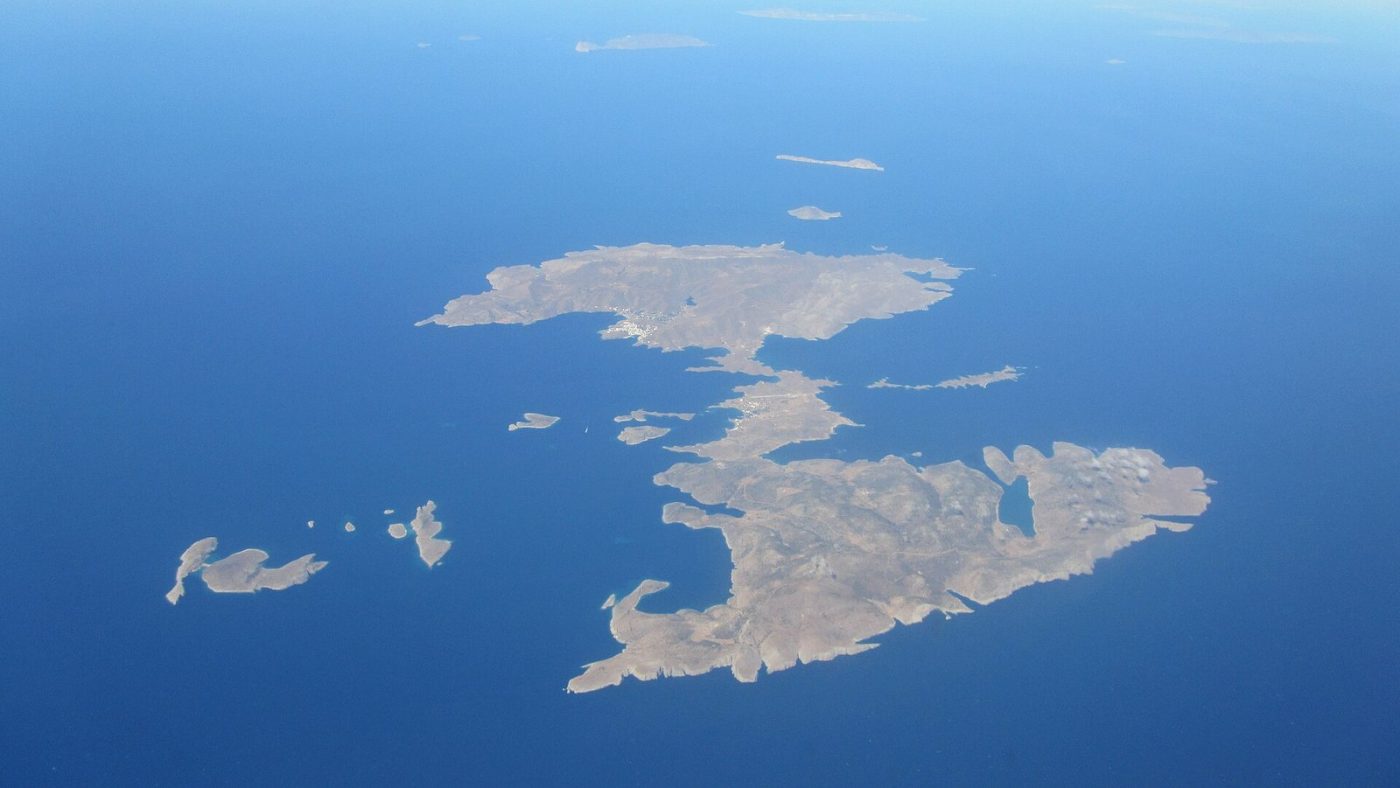
Photo: INDALOMANIA, CC BY-SA 3.0
| Getting there | Flights of about 1 h from Athens, or ferries from Piraeus in about 9 to 10 h a few times a week |
|---|---|
| Gateway | Athens (Piraeus); flights from Athens |
| Travel time | About 1 h by air or 9 to 10 h by ferry |
| Days | 3 to 5 nights |
| Best months | Jun–Sep; August busiest; few ferries and much closed outside summer |
| Getting around | Rent a car or scooter; an electric bus links Chora, Livadi and Maltezana; boats to far coves |
| Booking | Ferries, flights, cars and rooms for July–August well ahead; boat trips a day before |
| Cost | Mid-range for Greece |
| Beaches | Pebbles and some sand: Livadi near Chora, Vatses, Kaminakia, Agios Konstantinos; islet coves by boat |
| Sea | Aegean Sea |
| Archipelago | Dodecanese |
| Area | 96 km² |
| Population | 1,376 (2021) |
| Highest point | 506 m |
| Airport | Yes, scheduled flights |
| Car-free | No |
| Checked | October 2026 |
Most of what is sold on Astypalaia is on the water, because many of the best beaches are on offshore islets or at the end of long dirt roads.
The standard trip is a day cruise from Pera Gialos or the port to the islets of Koutsomitis and Kounoupa off the south coast, where shallow channels of turquoise water lie between pebble beaches. Boats stop two or three times for swimming, sometimes add a sea cave or the red rocks of the coast, and serve a lunch of grilled food or local dishes on board; drinks may cost extra. Private cruises take a small group to five or six coves of your choice and suit couples and families who want to set their own pace.
If you are confident on the water, you can rent a small motorboat without a licence for the day and reach the coves near the main bays yourself, within the limits the owner sets. Beyond that, there is little else on offer: a few wellness classes and walks with local guides.
Book the islet cruise first, a day or two ahead in summer, and keep your dates flexible, because strong north winds sometimes cancel trips. Then rent a car to reach the beaches on the main island.
The white houses of Chora climb a steep hill above the bay to the walls of a Venetian castle, with a row of windmills along the ridge below. Walk up through the lanes in the late afternoon, visit the two churches inside the castle walls and stay for the sunset over the Aegean. The view down to Pera Gialos is the classic picture of the island.
Off the south coast, these two small islets have some of the clearest water in the Dodecanese. Koutsomitis is known for a pair of pebble beaches facing each other across a shallow turquoise strait, and Kounoupa, closer in, has a curving cove good for swimming. There is no shade or fresh water, so the day cruises from the harbour are the practical way to come.
Below Chora, the old harbour of Pera Gialos has a short beach, tavernas and cafes on the waterfront and the small archaeological museum. A walk of about 20 minutes over the hill brings you to Livadi, a fertile valley of gardens ending in a long beach of sand and pebbles, with shade trees and fish tavernas, the easiest swim on the island.
On the eastern lobe, near the airport, the fishing village of Maltezana, also called Analipsi, sits on a sheltered bay with a small marina, sandy coves and good tavernas. Near the shore are the remains of Roman baths with floor mosaics showing the seasons and the signs of the zodiac. Vai beach and the narrow isthmus at Steno are a short drive away.
The best beaches of the western lobe lie at the end of dirt roads across bare hills. Vatses is a sandy bay with clear water, and Kaminakia, further south, has fine pebbles, a deep blue cove and a seasonal taverna. Drive slowly, as the tracks are rough in places, and bring water; in summer some boats from Pera Gialos also call at these beaches.
A long drive across the empty western hills, past the highest ground on the island, ends at the monastery of Agios Ioannis, perched high above the sea. From there a steep path descends to a wild pebble cove below the cliffs. Go in the late afternoon, take water and good shoes, and drive back before dark.
Our pick for each kind of trip, with live dates and prices. Free cancellation on most.
Best for: First visit: the islet cruise with lunch
The classic day on Astypalaia: a boat to Koutsomitis and Kounoupa off the south coast, with long swims in shallow turquoise channels and a meal on board.
The airport near Maltezana has flights from Athens of about an hour, usually daily in summer and a few times a week the rest of the year, on small aircraft that fill early. Ferries from Piraeus take about nine to ten hours and sail a few times a week, calling at Cycladic islands such as Paros and Naxos on the way and continuing to Kalymnos, Kos and Rhodes, so Astypalaia links the Cyclades with the Dodecanese. A smaller local ferry connects with Kalymnos on some days. Boats dock at Agios Andreas, the port a few kilometres north of Chora; taxis are few, so arrange a car or transfer in advance, especially for late-night arrivals. Book summer ferries early, and bring a car only for a long stay.
Rent a car, scooter or quad to reach the beaches. Many roads beyond the main villages are dirt tracks, fine for a small car driven slowly, but scooters struggle on loose gravel. As part of a clean-energy project the island has an electric bus linking Chora, Pera Gialos, Livadi and Maltezana, plus an on-demand shuttle; check summer hours locally. Taxis are few. Inside Chora walking is the only way, and small boats from Pera Gialos serve beaches that are hard to reach by road.
The season runs from June to September. June and September are the best months, warm and calm, with fewer visitors and lower prices, and the sea is warm enough to swim from June into October. In late July and August Greek families fill the island, rooms are scarce and prices rise, though it never feels as crowded as the big Cyclades. The meltemi, the strong summer north wind, can blow for days in July and August, roughening the northern bays and sometimes cancelling boat trips; the southern coves stay calmer. On 15 August the church of Panagia Portaitissa in Chora holds the island's biggest festival.
Outside summer the island goes quiet: ferries are few, many tavernas and rooms close from October to May, and the weather turns windy and changeable, though spring walks among wild flowers are lovely. Three to five nights let you see Chora, take a cruise and try several beaches.
Chora and Pera Gialos make the most atmospheric base, with the castle above, tavernas and bars along the harbour and the bus at hand, though the lanes are steep. Livadi, a short walk away, suits families who want a beach outside the door and a little more space. Maltezana, near the airport, is quieter, with sheltered water and a few hotels and rooms; it is a good choice for a peaceful stay and for exploring the eastern lobe.
Astypalaia was settled in antiquity, and a large ancient cemetery of infant burials near Chora is one of the most unusual finds in Greece. In 1207 the Venetian Querini family took the island; their castle above Chora, whose outer houses formed part of its walls, was the heart of the island until the Ottomans arrived in the sixteenth century. In 1912 Astypalaia was the first Dodecanese island occupied by Italy, which ruled until the Second World War, and it became part of Greece in 1948. Emigration emptied many farms, but in the 2020s the island became a test bed for electric transport.
Astypalaia sits between two island groups, so it works on either route. Westbound ferries reach Amorgos and Naxos in a few hours, and eastbound ones reach Kalymnos and Kos, from where boats fan out across the Dodecanese. A good week runs from Naxos or Amorgos to Astypalaia, then on to Kalymnos, with a flight back to Athens from Kos.
Flights of about 1 h from Athens, or ferries from Piraeus in about 9 to 10 h a few times a week.
From Athens (Piraeus); flights from Athens: about 1 h by air or 9 to 10 h by ferry.
3 to 5 nights.
Jun–Sep; August busiest; few ferries and much closed outside summer.
Rent a car or scooter; an electric bus links Chora, Livadi and Maltezana; boats to far coves.
Go if you want a striking hilltop Chora, clear-water coves and a slow island far from the crowds. Skip it or choose Naxos or Paros if you need frequent ferries, sandy beaches by the dozen or nightlife.
Mid-range for Greece.
Pebbles and some sand: Livadi near Chora, Vatses, Kaminakia, Agios Konstantinos; islet coves by boat.
Ferries, flights, cars and rooms for July–August well ahead; boat trips a day before.
Yes. Boat trips, guided tours and day trips for Astypalaia can be booked online; live prices and free cancellation on most are shown on this page.
Dodecanese, Greece
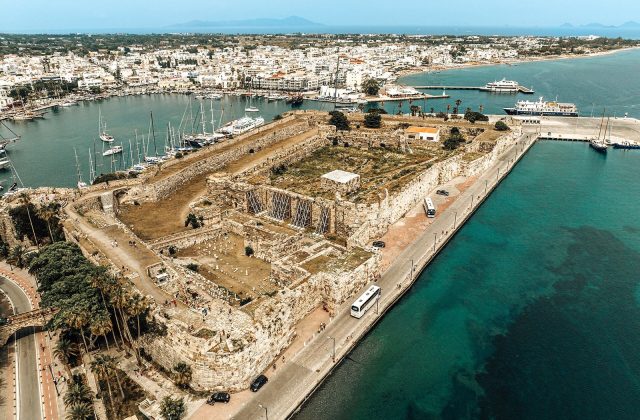
Rhodes is the largest of the Dodecanese islands, about 1,400 square kilometres close to the Turkish coast, with a…
371 tours & trips
Dodecanese, Greece
Kos is the long, low island of the Dodecanese closest to the Turkish coast, about 42 km from end to end, with sandy…
48 tours & trips
Dodecanese, Greece
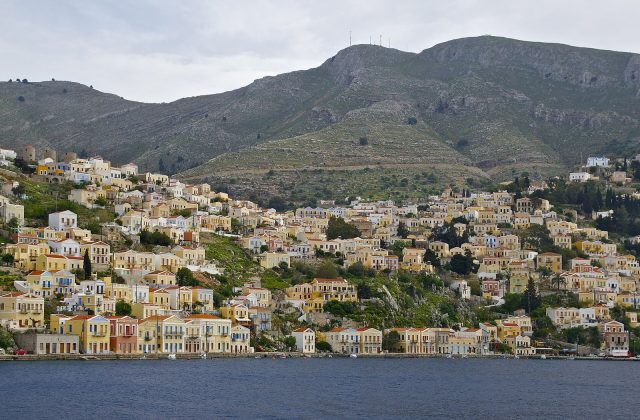
Symi is a small, mountainous island in the Dodecanese, about 24 km north of Rhodes, whose harbour town is a steep…
47 tours & trips
Dodecanese, Greece
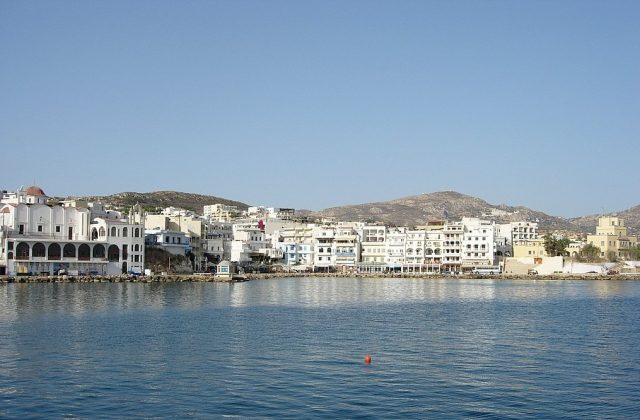
Karpathos is the second largest of the Dodecanese islands, a long mountainous strip between Crete and Rhodes that rises…
17 tours & trips
Dodecanese, Greece
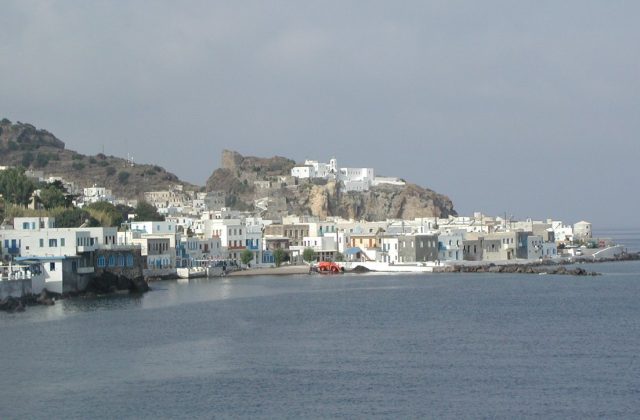
Nisyros is a round volcanic island of about 42 square kilometres in the Dodecanese, between Kos and Tilos.
9 tours & trips
Dodecanese, Greece
Kalymnos is a rugged Dodecanese island of about 110 square kilometres, just 12 km north of Kos, famous first for its…
7 tours & trips