Saaremaa
93 km away
Saaremaa is Estonia's largest island, about 2,670 square kilometres of flat juniper heath, pine forest,…
3 tours & trips
Estonia · Baltic Sea · Historic island
Kihnu is a flat, wooded island of 16 square kilometres in the Gulf of Riga, the largest in that gulf, reached by a short ferry from the Estonian coast south-west of Parnu. Its four villages keep a living island culture of striped woollen skirts, songs and wedding customs that UNESCO recognised as intangible heritage in 2003.
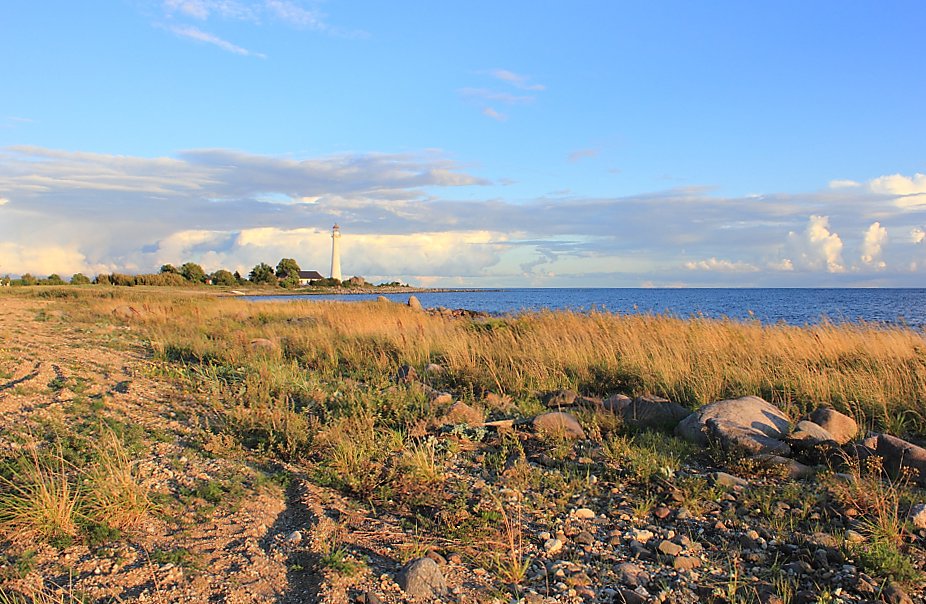
Photo: KalervoK, CC BY-SA 3.0
| Getting there | Ferry from Munalaid port about 1 h, summer boats from Parnu harbour, or a short flight from Parnu airport |
|---|---|
| Gateway | Parnu (Munalaid port) |
| Travel time | About 1 h by ferry from Munalaid |
| Days | 1 to 2 nights |
| Best months | May–Sep; Jun–Aug warmest; sea ice can disrupt ferries in winter |
| Getting around | Rent a bike or join a local sidecar or truck tour; the island is only 7 km long |
| Booking | Ferry places for cars and island beds for summer weekends and Midsummer |
| Cost | Cheap by Estonian standards |
| Beaches | Low sandy and stony shores with shallow water; Saare in the south is best for a swim |
| Sea | Baltic Sea |
| Area | 16 km² |
| Population | 686 (2017) |
| Highest point | 9 m |
| Airport | Yes, scheduled flights |
| Car-free | No |
| Checked | October 2026 |
Nothing is sold online for Kihnu on its own, and that suits the island. Most visitors come independently on the ferry and arrange what they need once they land, either at the harbour or through their guesthouse.
The most common local service is a guided ride around the island. Islanders take small groups in motorcycle sidecars, a habit of local women who use them as everyday transport, or in the back of an old lorry fitted with benches. A ride usually covers the church, the museum, the lighthouse and a stop at a farmstead, with commentary on customs and dress. Prices are agreed directly, and the trip lasts one to three hours.
Other options are arranged the same way: a handicraft workshop where you watch the striped skirts being woven, a home-cooked meal of smoked fish and rye bread, or a sauna evening at a farm. Some tour operators in Parnu and Tallinn put Kihnu into longer trips around western Estonia, usually with the ferry, a local guide and lunch included.
The plain recommendation is to take the ferry yourself, rent a bike at the harbour and book one guided sidecar ride for the context.
The island's centre is a short ride north of the harbour. The Orthodox church of St Nicholas stands beside the Kihnu Museum, which explains fishing, seal hunting and the colours of the skirts, and the small school. In the churchyard lies Kihnu Jonn, the wild sea captain of local legend, whose remains were brought home from Denmark in 1992.
Lemsi, Linakula, Rootsikula and Saare are scattered farmsteads rather than streets, with wooden houses, juniper fences and woodpiles. Women in red-striped skirts still ride past on mopeds and sidecar motorbikes. Several homes sell mittens, socks and woven belts, and some open their workshops by arrangement. Ask before photographing people, and buy something if you are shown round.
At the southern tip, about 4 km from the church, a slender cast-iron tower built in the 1860s marks the shallow waters off Saare. The tower can sometimes be climbed in summer, giving a view over the whole flat island and the reed beds. The pebbly shore beside it is good for birdwatching during the spring and autumn migrations.
The western coast is lined with low dunes, pines and stones left by the ice age. Water is shallow and warms up by July, so families wade a long way out. Saare's sandy patches are the best place for a swim, and on a clear evening the sunset over the Gulf of Riga is the island's main entertainment.
The crossing passes Manija, a tiny islet near the Munalaid port where a few families live. Watch from the deck for grey seals and the long rows of fishing nets. On the way back, the view of Kihnu sinking into the horizon shows just how low it is, with its highest ground barely 9 metres above the sea.
The main route is the ferry from Munalaid, a small port on the coast about 40 km south-west of Parnu by road. The crossing takes roughly an hour, with several sailings a day in summer and fewer in winter. Cars and bicycles are carried, but car spaces are limited, so book ahead on summer weekends or leave the car at the free car park in Munalaid. In high season a slower boat also runs from Parnu harbour itself.
Small planes fly from Parnu airport to the island's grass airstrip, a hop of a few minutes that is useful in winter. When the sea freezes hard, an official ice road is sometimes opened across the bay, while thin or moving ice can stop all traffic for days. Check the forecast before an off-season trip.
Kihnu is 7 km long and just over 3 km wide, with a few sealed roads and many gravel tracks, so a bicycle is the ideal way to get around. Bikes can be hired near the harbour, and the whole circuit takes half a day at an easy pace. Locals offer rides in sidecars or a converted lorry. A car is unnecessary and the roads are narrow, though the ferry carries one if you need it. There are no buses or taxis to rely on.
The season runs from May to September. June brings white nights, when it hardly gets dark, and Midsummer on 23 and 24 June is celebrated with bonfires, songs and dancing. July and August are the warmest months, with air around 20 to 25 degrees on good days and the shallow sea at about 18 to 20 degrees. These are also the busiest weeks, when guesthouses fill and car places on the ferry sell out.
May and September are quiet and often bright, though cooler and windy. From October to April most guesthouses close or open only by arrangement, the days are short and storms or ice can halt the ferry. A day trip is possible in summer, but one or two nights let you slow down, hear some music and talk to islanders.
Accommodation is a handful of farm guesthouses, holiday cottages and campsites spread across the four villages, so there is no single base. Linakula is central, close to the museum, church and the island shop. Saare and Rootsikula in the south suit those who want the lighthouse and the shore on the doorstep. Most places can provide meals and a sauna; the island has very few cafes, so ask about dinner when you book.
Kihnu has been settled since at least the 14th century, and for most of its history the men were away at sea fishing, sealing or sailing, which left women in charge of the farms and the community. That balance shaped a distinctive culture of songs, dances, wedding rites and handicrafts, with each woman weaving her own striped skirts. Many islanders converted to Orthodoxy in the 19th century, hence the church. Soviet rule brought collective fishing, but the dialect and dress survived, and today the island's traditions are protected and actively taught to children.
Parnu, Estonia's summer resort with its long beach and old town, is the natural base before and after. From there you can continue to Saaremaa and Muhu via the Virtsu ferry, about 1.5 hours north by road, or take a summer boat or flight to Ruhnu, the remote island in the middle of the Gulf of Riga. Tallinn is about two hours from Parnu by road.
93 km away
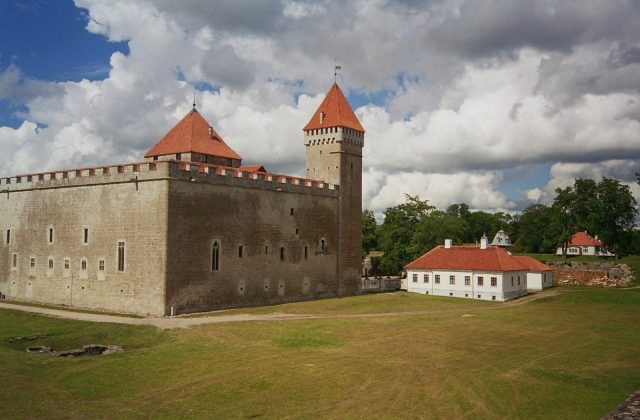
Saaremaa is Estonia's largest island, about 2,670 square kilometres of flat juniper heath, pine forest,…
3 tours & trips
231 km away
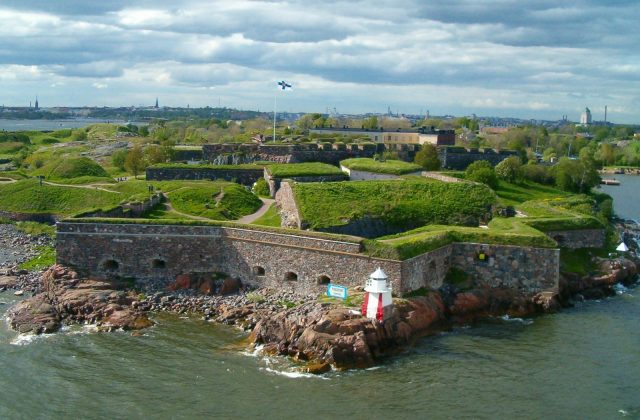
Suomenlinna is an eighteenth-century sea fortress spread across a cluster of islands at the entrance to Helsinki…
12 tours & trips
329 km away
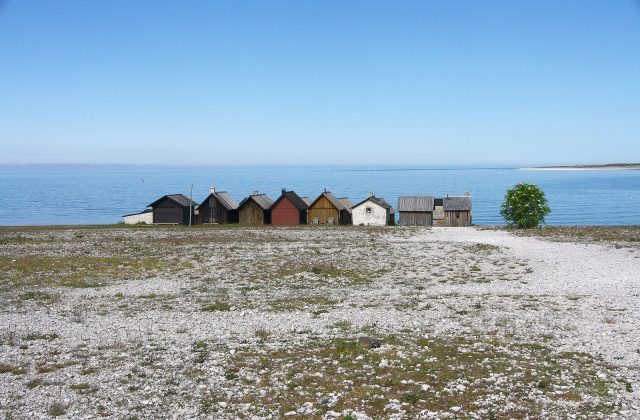
Gotland is Sweden's largest island, about 3,000 square kilometres of limestone in the middle of the Baltic Sea,…
2 tours & trips
Ferry from Munalaid port about 1 h, summer boats from Parnu harbour, or a short flight from Parnu airport.
From Parnu (Munalaid port): about 1 h by ferry from Munalaid.
1 to 2 nights.
May–Sep; Jun–Aug warmest; sea ice can disrupt ferries in winter.
Rent a bike or join a local sidecar or truck tour; the island is only 7 km long.
Go if you want a quiet Baltic island where traditional dress and folk music are still part of daily life. Skip it or choose Saaremaa if you want castles, spa hotels, long beaches and a wide choice of restaurants.
Cheap by Estonian standards.
Low sandy and stony shores with shallow water; Saare in the south is best for a swim.
Ferry places for cars and island beds for summer weekends and Midsummer.
West Estonian Archipelago, Estonia
Saaremaa is Estonia's largest island, about 2,670 square kilometres of flat juniper heath, pine forest,…
3 tours & trips
West Estonian Archipelago, Estonia
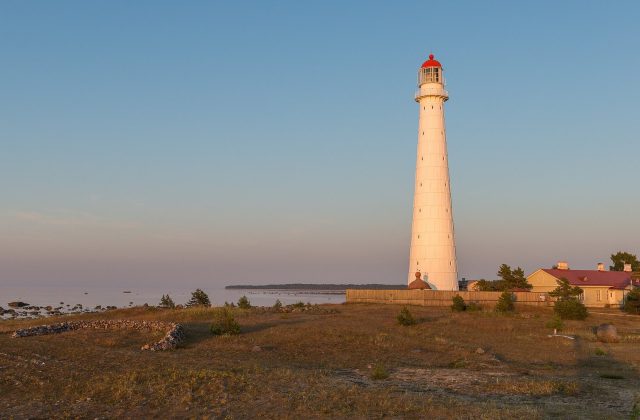
Hiiumaa is Estonia's second largest island, 989 square kilometres of pine forest, juniper heath and quiet coast in…
No tours listed