Capri
Italy
Capri is a limestone island of just 10 square kilometres at the southern edge of the Bay of Naples, 20 minutes by fast…
513 tours & trips
Italy · Ionian Sea · Historic island
Ortygia is the old centre of Syracuse, a limestone island of about one square kilometre joined to the rest of the city by short bridges. Greek temples, a baroque cathedral built around Doric columns and a freshwater spring by the sea fit into lanes you can cross on foot in fifteen minutes.
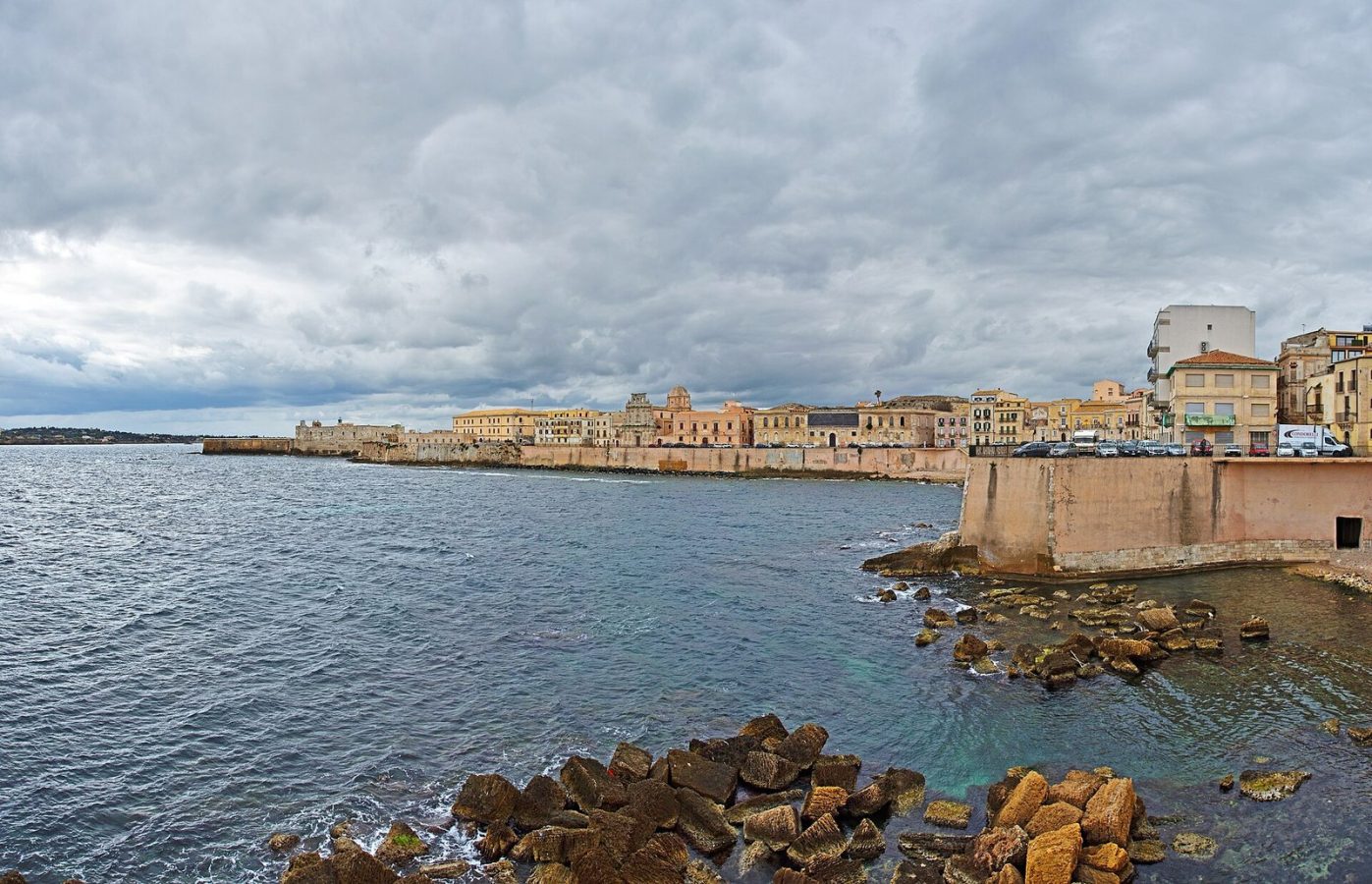
Photo: Ludvig14, CC BY-SA 4.0
| Getting there | Walk or drive over the bridges from Syracuse; trains and buses from Catania take about 1 to 1.5 h |
|---|---|
| Gateway | Syracuse (Catania airport) |
| Travel time | 20-min walk from Syracuse station; about 1 h from Catania |
| Days | 1 to 2 nights |
| Best months | Apr–Jun and Sep–Oct; Jul–Aug very hot; quiet but open in winter |
| Getting around | On foot; cars restricted in the old town, so park at Talete or near the station |
| Booking | Hotels for summer weekends and the May–Jul theatre season; boat trips a day ahead |
| Cost | Mid-range for Sicily |
| Beaches | No sand; swim from rock platforms and summer wooden decks on the east shore |
| Sea | Ionian Sea |
| Area | 1 km² |
| Population | 4,269 (2011) |
| Airport | No |
| Car-free | No |
| Bridge | Road bridge or causeway to the mainland |
| UNESCO | Syracuse and the Rocky Necropolis of Pantalica |
| Checked | October 2026 |
Ortygia is small enough to explore alone, so most of what is sold here adds a boat, a guide or a ride rather than access.
The most useful product is the boat tour around the island. Small boats leave from the harbour quays, circle Ortygia below the sea walls and Castello Maniace, nose into the sea caves along the coast to the south and usually stop for a swim. Trips last one to two hours, and some use a sailing boat or add snacks and an aperitif. Longer sailing trips cross the harbour to the Plemmirio marine reserve.
On land you can choose a guided walk of the temples, the cathedral and the old Jewish quarter, sometimes combined with the Neapolis Archaeological Park on the mainland, or an evening walk timed for sunset at the castle. Rickshaws and tuk-tuks do a fast hour-long loop, useful in the heat or for anyone who cannot walk far. Private guides and photo shoots are also offered.
From Catania and Taormina, day trips by minibus combine Syracuse and Ortygia with Noto; they include transport and a guide, sometimes entry tickets, but leave only a couple of hours on the island.
Best plan: walk Ortygia yourself, book the short boat tour, and stay at least one night.
The long, pale square is the heart of Ortygia, lined with baroque palaces and closed at one end by the church of Santa Lucia alla Badia. The cathedral was built inside a Greek temple to Athena: walk along the north side and you see the Doric columns set into the wall, then find them again inside the nave. Go early or after dark, when the stone glows.
From the quays near the bridges, small boats run a loop of the whole island in about an hour. You see the city from the water: the fortified tip at Castello Maniace, the walls of the eastern shore and the caves cut into the cliffs south of the harbour, where boats slip inside when the sea is calm. Most stop for a swim in clear water.
A freshwater spring rises a few metres from the sea on the west side, in a stone basin planted with papyrus and home to ducks and fish. Legend says it is the nymph Arethusa, who fled here from Greece. From the fountain, the tree-lined promenade along the Great Harbour is the place for an evening stroll, five minutes from the cathedral.
Just over the bridges stand the stumps of the Temple of Apollo, built in the early 6th century BC and the oldest Doric temple in Sicily. Behind it the morning market fills the streets with stalls of fish, citrus, capers and cheese, and sandwich counters make lunch to order. Come before noon; it does not open on Sundays.
At the southern tip, the square castle built for Emperor Frederick II in the 13th century guards the entrance to the harbour. Inside you can walk through the vaulted hall and along the ramparts, with views across the bay to the Plemmirio headland. The path along the walls towards the castle is the best place to watch the sun set over the water.
Across the bridges, a 35-minute walk or a short taxi ride north, the park holds the Greek theatre cut into the hillside, a Roman amphitheatre and the Ear of Dionysius, a tall cave in an old quarry with a famous echo. Classical Greek plays are still staged in the theatre from May to early July; go early to beat the heat.
Our pick for each kind of trip, with live dates and prices. Free cancellation on most.
Best for: Around Ortygia by boat
A short group trip round the sea walls and into the coastal caves, with a swim stop; the easiest way to see the island from the water.
Ortygia is part of Syracuse, so you arrive by land. Short bridges link it to the modern city; the railway station is about a 20-minute walk away, and buses and taxis wait outside.
The nearest airport is Catania, about 60 km north, with flights from across Europe. Buses run from the airport to Syracuse roughly every hour and take a little over an hour; trains from Catania take about 1 to 1.5 hours. Palermo is about three hours away by road.
Drivers should know that the old town is a limited-traffic zone watched by cameras: unless your hotel registers your number plate, leave the car in the large Talete car park at the northern edge of the island or near the station. Cruise ships dock on the harbour front, a short walk from the centre.
Walking is the only sensible way to see Ortygia. The island is about a kilometre long, and from the bridges to Castello Maniace takes 15 to 20 minutes. The lanes are paved, flat and partly closed to traffic, and rickshaws and tuk-tuks wait in the main squares for anyone who tires. For the Neapolis park take a taxi or a city bus, or rent a bicycle; for Noto or the Vendicari reserve you need a car or a regional bus from the station.
April to June and September to October are the best months: warm days, sea warm enough to swim from late May, and lanes that are busy but not packed. July and August are very hot, often above 35 degrees in the afternoon, so explore early, swim at midday and come back out after dark, when the squares fill with people eating late.
From May to early July the Greek theatre hosts its season of classical drama, which fills hotels at weekends. The feast of Santa Lucia, the city's patron saint, on 13 December brings a procession of her silver statue from the cathedral. Winter is mild with some rain, but Ortygia is a living town, so restaurants and museums stay open and prices drop; swimming stops from November to April.
One full day covers the sights; two nights let you add the boat trip, Neapolis and an evening or two in the squares.
Sleeping on Ortygia itself is the point: you can walk out at dawn before the day visitors arrive and come back for a rest at midday. The streets around Piazza Duomo and the old Jewish quarter are the most atmospheric, with rooms in restored palazzi. The eastern side, along the sea walls, is quieter and close to the swimming platforms. Rooms on the mainland near the station cost less and suit drivers, but the walk back at night is less attractive.
Corinthian settlers founded Syracuse on Ortygia around 733 BC, drawn by the spring and the two harbours, and the city grew into one of the most powerful in the Greek world; Archimedes was born here. Romans, Byzantines, Arabs, Normans and Spanish rulers each left a layer, and the cathedral shows several at once. The earthquake of 1693 led to the baroque rebuilding of the squares. By the late 20th century the island was half empty and crumbling; restoration since the 1990s, helped by the UNESCO listing in 2005, turned it into the lively quarter of bars, guesthouses and shops you see today.
Noto, the baroque town rebuilt after the earthquake of 1693, is about 35 km south, some 40 minutes by car or bus, and the beaches of the Vendicari reserve and the fishing village of Marzamemi lie beyond it. Catania and Mount Etna are about an hour north and Taormina under two hours. From Milazzo, about three hours away, hydrofoils leave for the Aeolian Islands.
Walk or drive over the bridges from Syracuse; trains and buses from Catania take about 1 to 1.5 h.
From Syracuse (Catania airport): 20-min walk from Syracuse station; about 1 h from Catania.
1 to 2 nights.
Apr–Jun and Sep–Oct; Jul–Aug very hot; quiet but open in winter.
On foot; cars restricted in the old town, so park at Talete or near the station.
Go for Greek temples, baroque squares, a lively morning market and swimming off the rocks, all on foot. Skip it or choose Lipari or Favignana if you want sandy beaches and the feeling of a real island rather than a city district.
Mid-range for Sicily.
No sand; swim from rock platforms and summer wooden decks on the east shore.
Hotels for summer weekends and the May–Jul theatre season; boat trips a day ahead.
Yes. Boat trips, guided tours and day trips for Ortygia can be booked online; live prices and free cancellation on most are shown on this page.
Italy
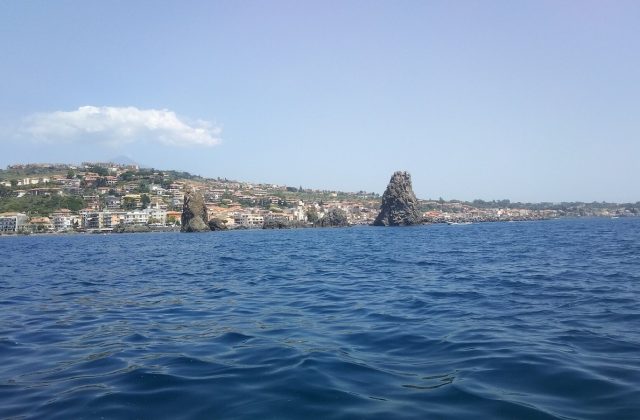
Capri is a limestone island of just 10 square kilometres at the southern edge of the Bay of Naples, 20 minutes by fast…
513 tours & trips
Italy
Sicily is the largest island in the Mediterranean, a whole region of Italy separated from the mainland by the narrow…
227 tours & trips
Phlegraean Islands, Italy
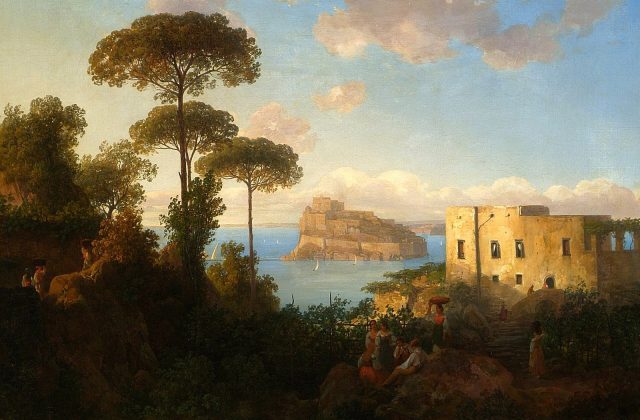
Ischia is the largest island in the Bay of Naples, a green volcanic island about 30 km from the city, crowned by Mount…
193 tours & trips
Italy
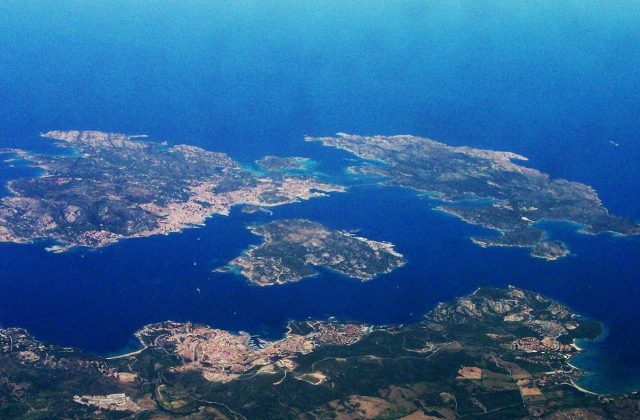
The La Maddalena Archipelago is a national park of seven main granite islands and dozens of islets in the Strait of…
162 tours & trips
Venetian Lagoon, Italy
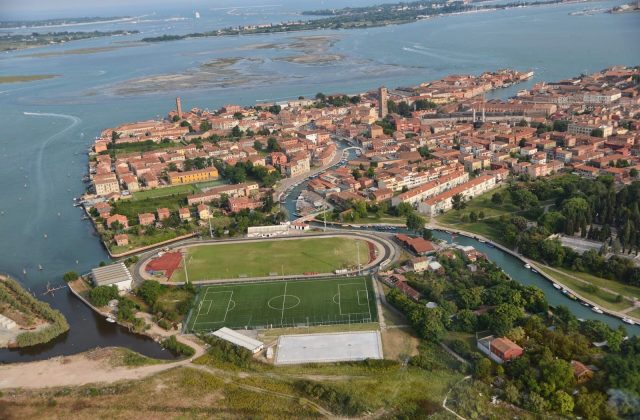
Murano is a cluster of small islands joined by bridges in the Venetian Lagoon, about 1.5 km north of Venice, and the…
120 tours & trips
Aegadian Islands, Italy
Favignana is the largest of the Egadi Islands, a flat butterfly-shaped island of 20 square kilometres about half an…
87 tours & trips