Texel
103 km away
Texel is the largest and most westerly of the Dutch Wadden Islands, a 20-minute ferry ride from Den Helder and about 90…
7 tours & trips
Netherlands · North Sea & Channel · Nature & wildlife island
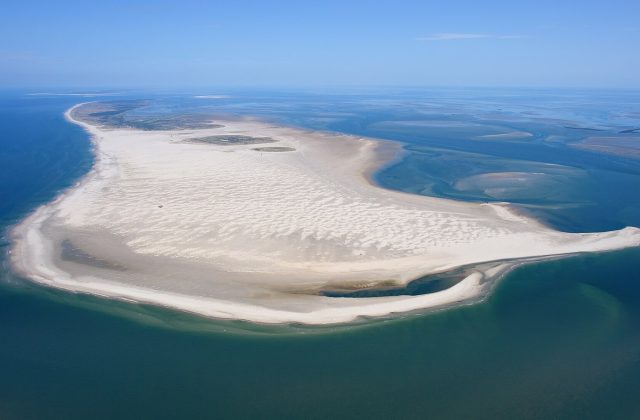
Schiermonnikoog is the smallest inhabited Dutch Wadden island, 16 km long and 4 km wide, with one village and fewer than a thousand residents. Most of it is the Netherlands' first national park, with dunes, salt marshes and one of the widest beaches in Europe, and visitors may not bring cars.
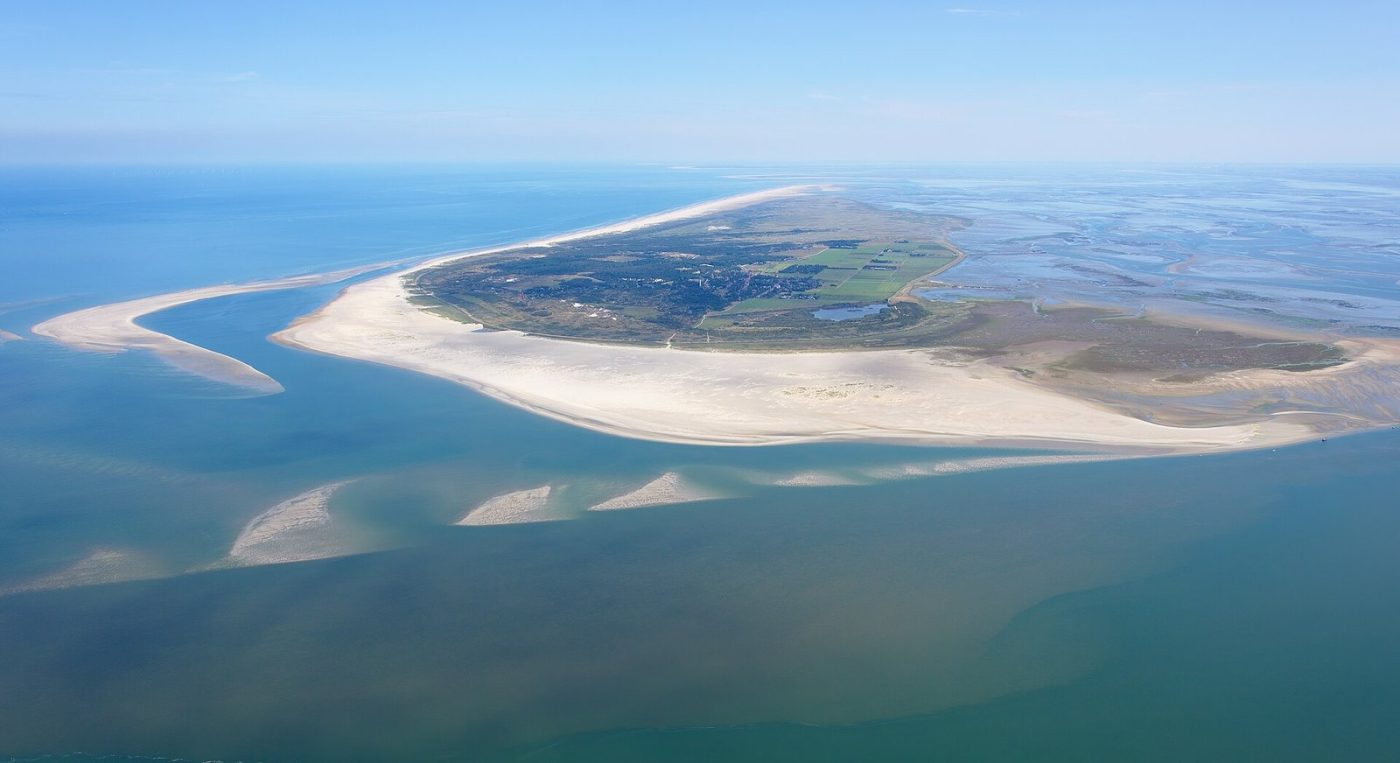
Photo: Carsten Steger, CC BY-SA 4.0
| Getting there | Ferry from Lauwersoog in about 45 minutes, several times a day; buses from Groningen to the port |
|---|---|
| Gateway | Lauwersoog (ferry port), via Groningen |
| Travel time | About 45 min by ferry |
| Days | A day trip, or 1 to 2 nights |
| Best months | May–Sep; spring and autumn for birds; Jul–Aug busiest |
| Getting around | Car-free for visitors: bike, walk or the island bus from the ferry |
| Booking | Holiday homes and hotels well ahead for summer; ferry tickets on the day are usual |
| Cost | Mid-range for the Netherlands |
| Beaches | One vast sandy North Sea beach along the whole north coast; lifeguards near the village in summer |
| Sea | North Sea & Channel |
| Archipelago | West Frisian Islands |
| Area | 191 km² |
| Population | 931 (2021) |
| Highest point | 4 m |
| Ferry | 45 min from Lauwersoog (ferry port), via Groningen |
| Airport | No |
| Car-free | Yes |
| Checked | October 2026 |
Nothing is sold online for Schiermonnikoog as a packaged tour, and none is needed. Visitors take the public ferry from Lauwersoog on their own, rent a bike by the harbour or in the village, and explore at their own pace.
Several activities are worth arranging locally. The national park visitor centre in the village runs guided nature walks through the dunes and salt marshes, and birdwatching excursions in spring and autumn; ask there about times. Tractor-drawn wagons and buses take visitors to the eastern tip and the wide sandbank of the Balg, too far for most walkers. From the mainland, licensed guides lead mudflat walks across the Wadden Sea to the island at low tide, a demanding hike of several hours that must never be done alone; places are limited and dates depend on the tides, so book well ahead in summer.
Boat trips from Lauwersoog to see seals on the sandbanks run in season and can be booked at the port. Beach horse riding, kite surfing lessons and bike hire with child seats are all available in the village.
Recommendation: stay at least one night, rent a bike, and spend one day on a guided walk or the trip to the eastern tip.
The beach along the north shore is up to a kilometre wide in places, so even in August you can find empty sand. The main access is the path from the village past the beach pavilion, about a 20-minute bike ride. Swim only near the lifeguard posts, as currents are strong, and walk east along the tideline for solitude.
East of the village, the Oosterkwelder salt marsh floods at high tide and fills with geese, waders and spoonbills, especially in spring and autumn. A cycle path ends at the edge of the park, and beyond it a walk of several hours, or a guided wagon ride, crosses to the open sandbank of the Balg at the island's end.
The only village has a main street of brick houses, cafes and shops, an arch made of whale jawbones recalling the whaling captains who lived here, and a small museum on island history. The national park visitor centre explains the dunes and tides and is the place to book guided walks. Everything is within walking distance.
Two lighthouses stand in the dunes west of the village: the red north tower is still working, while the white south tower became a water tower and is now a telecom mast. Cycle paths wind through pine woods and dune valleys between them and on to the western beach, with lookout points over the Wadden Sea.
In the dunes north of the village, a large concrete bunker built by the German forces during the Second World War housed a radar station. It is now a small museum on the island's wartime years, open on certain days in season. Climb the dune beside it for a view across the whole western half of the island.
Ferries sail from Lauwersoog, on the border of Friesland and Groningen, several times a day all year, and the crossing over the shallow Wadden Sea takes about 45 minutes. Tickets are bought at the terminal or online in advance; boats rarely sell out, but bikes and summer weekends can be busy. Weather seldom stops the service.
Visitors may not take cars, so leave yours in the large paid car park at Lauwersoog. Without a car, take a train to Groningen and then the regional bus to Lauwersoog, which takes about an hour and connects with the ferries; there are also buses from Leeuwarden. On arrival, the island bus meets each boat and runs the 3 km into the village, or you can cycle. The nearest airports are Groningen Eelde and Amsterdam.
A bike is the way to see the island: rental shops by the ferry and in the village have bikes, e-bikes and tandems, and a network of paved cycle paths covers the dunes, woods and the edge of the salt marsh. The island bus links the ferry and village, and in summer wagons go towards the east. Walking is easy, since everything is flat, but distances to the eastern tip are long.
Summer, from June to August, is warmest, with days around 20 degrees and a sea that reaches about 17 to 19 degrees in August; it is also when day trippers arrive in thousands on the morning boats, though calm returns after the last ferry leaves in the evening. Holiday homes book out for the Dutch school holidays.
May, June and September are ideal for cycling, with long days and fewer people. Spring and autumn are the great bird seasons, when geese and waders gather on the salt marshes in huge numbers. Winter is cold, windy and very quiet, with some cafes closed, but the beach walks and starry skies have their own appeal. Strong winds and rain can come in any month, so bring a windproof jacket. A day trip shows the village and beach; one or two nights let you reach the eastern tip and enjoy the evenings.
All accommodation is in or around the single village: a few hotels, many holiday homes and apartments, a youth hostel and campsites on the edge of the dunes. Staying near the main street puts cafes and bike rental close by, while houses on the north side are closer to the beach. Campsites suit families with bikes. There is nowhere to stay inside the national park itself, so book the village early for summer weekends.
The name means island of the grey monks: in the Middle Ages it belonged to the Cistercian abbey of Klaarkamp on the Frisian mainland, whose monks wore grey habits and used the island for farming. After the monasteries were dissolved it passed through private owners, and from the late nineteenth century until the Second World War it belonged to a German noble family. In the eighteenth century many islanders were whaling captains. The island moved slowly westwards with the sea and wind, and much of it became a national park in 1989.
Schiermonnikoog pairs well with Groningen, a lively university city about an hour from Lauwersoog by bus. The other Wadden islands, such as Ameland, Terschelling, Vlieland and Texel, are each reached by separate ferries from the mainland, so a route along the coast to Holwerd or Harlingen links two or three islands in a week.
103 km away
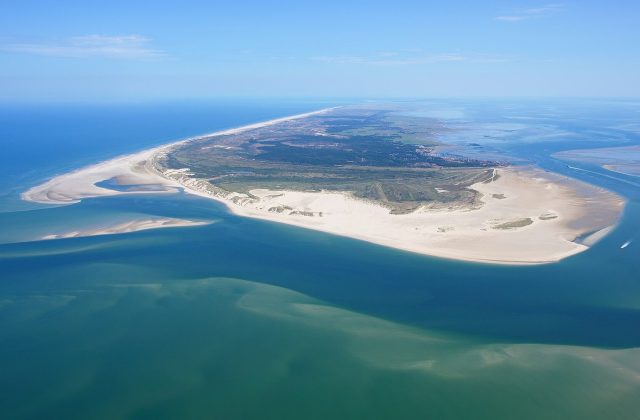
Texel is the largest and most westerly of the Dutch Wadden Islands, a 20-minute ferry ride from Den Helder and about 90…
7 tours & trips
133 km away
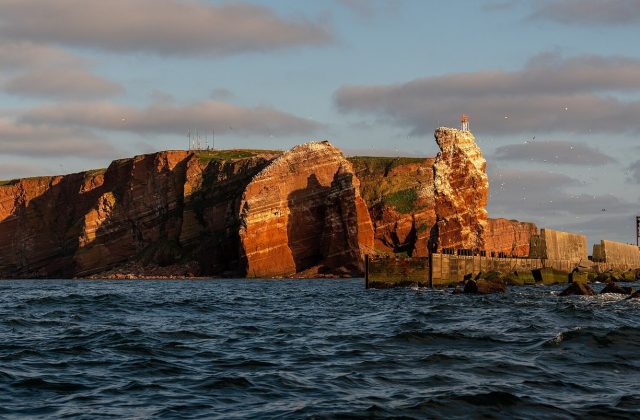
Heligoland is Germany's only offshore island in the open North Sea, a red sandstone rock about 70 km from the…
2 tours & trips
137 km away
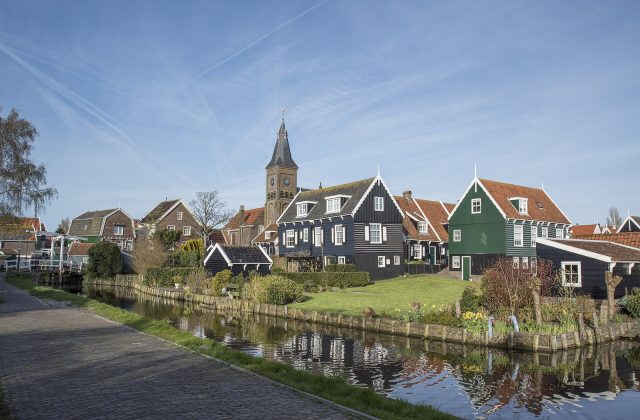
Marken is a former island in the Markermeer, about 15 km northeast of Amsterdam, joined to the mainland by a dyke road…
21 tours & trips
Ferry from Lauwersoog in about 45 minutes, several times a day; buses from Groningen to the port.
From Lauwersoog (ferry port), via Groningen: about 45 min by ferry.
A day trip, or 1 to 2 nights.
May–Sep; spring and autumn for birds; Jul–Aug busiest.
No. Schiermonnikoog is car-free. Car-free for visitors: bike, walk or the island bus from the ferry.
Go if you want a quiet, car-free island to cycle, walk and watch birds and seals on huge empty beaches. Skip it or choose Texel or Terschelling if you want more villages, nightlife and things to do in bad weather. With about 45 min each way from Lauwersoog (ferry port), via Groningen, a day trip is easy to do.
Mid-range for the Netherlands.
One vast sandy North Sea beach along the whole north coast; lifeguards near the village in summer.
Holiday homes and hotels well ahead for summer; ferry tickets on the day are usual.
West Frisian Islands, Netherlands
Texel is the largest and most westerly of the Dutch Wadden Islands, a 20-minute ferry ride from Den Helder and about 90…
7 tours & trips
West Frisian Islands, Netherlands
Terschelling is one of the Dutch Wadden Islands, a long strip of dunes, woods and beaches between the North Sea and the…
No tours listed
West Frisian Islands, Netherlands
Vlieland is the quietest of the Dutch Wadden Islands, a narrow ribbon of dunes, woods and beach between the North Sea…
No tours listed