Sylt
North Frisian Islands, Germany
Sylt is Germany's northernmost island, a narrow strip of dunes and heath in the North Sea with a sandy beach about…
20 tours & trips
Germany · North Sea & Channel · Nature & wildlife island
Heligoland is Germany's only offshore island in the open North Sea, a red sandstone rock about 70 km from the coast at Cuxhaven, with a sandy neighbour called the Düne. Day visitors come for seabird cliffs, the Lange Anna sea stack, grey seals on the beaches and duty-free shopping.
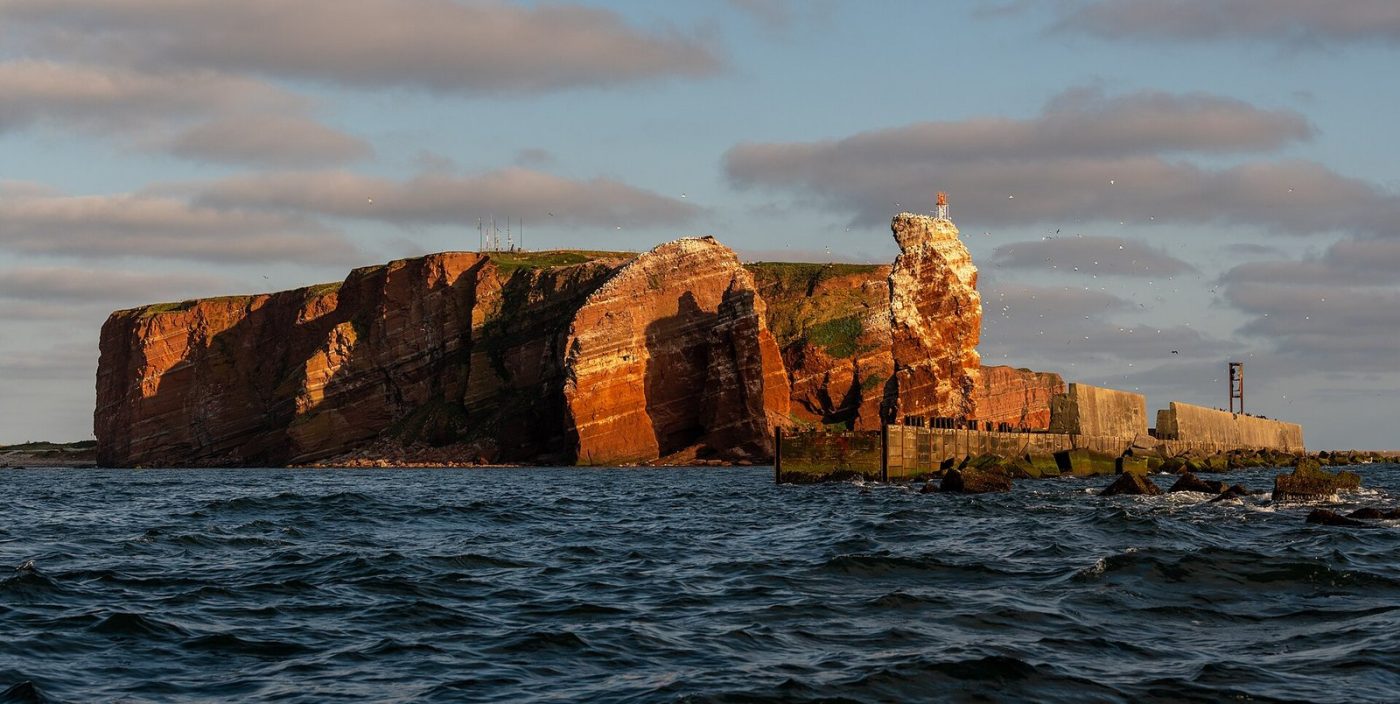
Photo: Dionysos1970, CC BY-SA 4.0
| Getting there | Fast catamaran from Cuxhaven in about 75 min, longer ships from Cuxhaven and Büsum, seasonal fast boat from Hamburg |
|---|---|
| Gateway | Cuxhaven; Hamburg in summer |
| Travel time | About 75 min by fast boat or 2.5 h by ship |
| Days | A day trip, or 1 to 2 nights |
| Best months | May–Sep calm seas and seabirds; Nov–Jan grey seal pups on the Düne |
| Getting around | Car-free: walk everywhere; a lift and stairs link the lower and upper town |
| Booking | Ferries a few weeks ahead in summer; island rooms early for weekends and holidays |
| Cost | Mid-range for Germany; duty-free goods are cheap |
| Beaches | No beach on the main island; white sandy beaches on the Düne, a few minutes by ferry |
| Sea | North Sea & Channel |
| Area | 4.2 km² |
| Population | 1,297 (2025) |
| Highest point | 61 m (Pinneberg) |
| Ferry | 1 h 15 min from Cuxhaven; Hamburg in summer |
| Airport | Yes, scheduled flights |
| Car-free | Yes |
| Checked | October 2026 |
Heligoland is mostly sold as a day trip, the crossing being part of the experience. Two kinds are listed: a fast boat from Hamburg that runs down the Elbe past Cuxhaven to the island, and a day crossing from Nordstrand on the North Frisian coast. Both give roughly three to four hours ashore and include the return boat only; meals, the small ferry to the Düne and any guided walks are paid locally.
Many more departures can be booked directly with the shipping lines from Cuxhaven, Büsum and other coastal towns, mostly in the summer season. On the island you can join guided walks around the cliffs and through the wartime bunker tunnels, take a short boat trip around the rock to see the cliffs from the sea, and visit the island museum. Seal watching on the Düne needs no guide, but wardens give advice in pupping season.
The best plan for most visitors is a fast boat from Cuxhaven or Hamburg, walking the Oberland cliff path first, then crossing to the Düne for seals and a swim. Staying a night gives the island back to the residents after the day boats leave and makes the trip less rushed.
From the upper town, a path runs along the clifftop of the Oberland to the north-western tip, where the Lange Anna, a red sandstone stack about 47 metres high, stands apart from the cliff. The loop takes around an hour and a half. Stay behind the fences, as the soft rock keeps crumbling into the sea.
Along the same path, the Lummenfelsen is a nature reserve where gannets, guillemots, kittiwakes, razorbills and fulmars nest on narrow ledges from spring to midsummer. Gannets are only a few metres away. In June young guillemots jump from the cliff to the sea before they can fly, a famous sight for birdwatchers.
A small ferry crosses in a few minutes to the Düne, a low sandy island with beaches, dunes and the airstrip. Grey seals and harbour seals haul out on the beaches all year, and grey seal pups are born here from November to January. Keep at least 30 metres away and follow the wardens' instructions.
The lower town by the harbour has the colourful wooden lobster sheds, now cafes, shops and galleries, and the main shopping streets selling duty-free alcohol, tobacco and perfume. A lift and stairs climb to the Oberland. Try a Helgoland lobster or crab roll, and look into the island museum about life on the rock.
Beneath the island lies a network of wartime tunnels and shelters, parts of which can be visited on guided tours. They tell the story of the fortress, the heavy bombing of 1945 and the vast British explosion of 1947 that tried to destroy the military installations. Tours run from the upper town and need comfortable shoes.
Our pick for each kind of trip, with live dates and prices. Free cancellation on most.
Best for: First visit, a day from Hamburg
The simplest way from the city: a fast boat down the Elbe and out to sea, with a few hours on the island for the cliffs, the harbour and shopping.
The quickest route is the fast catamaran from Cuxhaven, which takes about 75 minutes and runs daily in season, some trips starting in Hamburg several hours earlier. A larger conventional ship from Cuxhaven takes around two and a half hours and runs most of the year. In summer, excursion ships also sail from Büsum, the North Frisian coast and some East Frisian islands, and a few still anchor offshore, landing passengers in traditional open boats.
The North Sea can be rough, so take seasickness tablets on windy days, and expect cancellations in storms, especially in winter. Small planes fly to the airstrip on the Düne from the mainland coast in around half an hour. Cars must be left on the mainland, with paid parking at the ports.
Heligoland is car-free and small, so you walk everywhere. The Unterland by the harbour and the Oberland on the plateau are linked by a public lift and a long flight of stairs. The full loop of the cliff path is about 3 km and flat once you are up. Small boats shuttle between the main island and the Düne several times an hour in season, less often in winter. Luggage is moved by small electric carts.
Most visitors come between May and September, when seas are calmer, ferries run most often and seabirds fill the cliffs; June is ideal for both birds and long evenings. Summer days are mild rather than hot, often windy, and the sea stays cool, around 16 to 18 degrees, for brave swimmers on the Düne.
Autumn brings bird migration, when rare species stop on the island and birdwatchers arrive with telescopes, especially in October. From November to January the grey seals give birth on the Düne, a remarkable sight, though crossings are rougher, days short and many cafes closed. Winter storms can cut the island off for days. A day trip is enough for the highlights; a night lets you see the cliffs at sunset and the Düne before the day boats arrive.
Most hotels and guesthouses are in the Unterland near the harbour and shops, convenient for luggage and the ferries. The Oberland is quieter, with sea views and easy access to the cliff path. The Düne has holiday bungalows and a campsite close to the beaches and seals, ideal for families and nature lovers, though you depend on the small ferry. Prices are moderate, but book ahead for summer weekends.
Frisian fishermen and pilots lived on the rock for centuries, speaking their own Halunder dialect. Denmark ruled it until Britain took it in 1807, then swapped it with Germany in 1890 for Zanzibar. In 1841 the poet Hoffmann von Fallersleben wrote the words of the future German anthem while staying here. It became a naval fortress, was heavily bombed in 1945 and evacuated, and in 1947 the British set off one of the largest non-nuclear explosions in history to destroy the bunkers. Returned in 1952, the island was rebuilt with the plain modern houses seen today.
Combine Heligoland with Hamburg, a few hours away by fast boat or train and boat, or with Cuxhaven and its tidal mudflats. Büsum and the North Frisian islands of Sylt, Amrum and Föhr make a good coastal circuit, with summer sailings to Heligoland from that coast.
Fast catamaran from Cuxhaven in about 75 min, longer ships from Cuxhaven and Büsum, seasonal fast boat from Hamburg.
From Cuxhaven; Hamburg in summer: about 75 min by fast boat or 2.5 h by ship.
A day trip, or 1 to 2 nights.
May–Sep calm seas and seabirds; Nov–Jan grey seal pups on the Düne.
No. Heligoland is car-free. Car-free: walk everywhere; a lift and stairs link the lower and upper town.
Go if you want seabird cliffs, seals, sea air and an adventurous crossing in one day. Skip it if you get badly seasick or want sandy beach resorts; Sylt or Amrum suit beach holidays better. With about 1 h 15 min each way from Cuxhaven; Hamburg in summer, a day trip is easy to do.
Mid-range for Germany; duty-free goods are cheap.
No beach on the main island; white sandy beaches on the Düne, a few minutes by ferry.
Ferries a few weeks ahead in summer; island rooms early for weekends and holidays.
Yes. Boat trips, guided tours and day trips for Heligoland can be booked online; live prices and free cancellation on most are shown on this page.
North Frisian Islands, Germany
Sylt is Germany's northernmost island, a narrow strip of dunes and heath in the North Sea with a sandy beach about…
20 tours & trips
North Frisian Islands, Germany
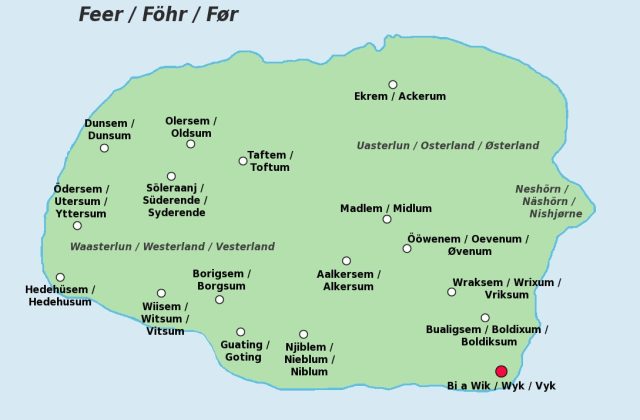
Föhr is a flat, green island in the Wadden Sea off the coast of Schleswig-Holstein, the second-largest German island in…
9 tours & trips
Germany
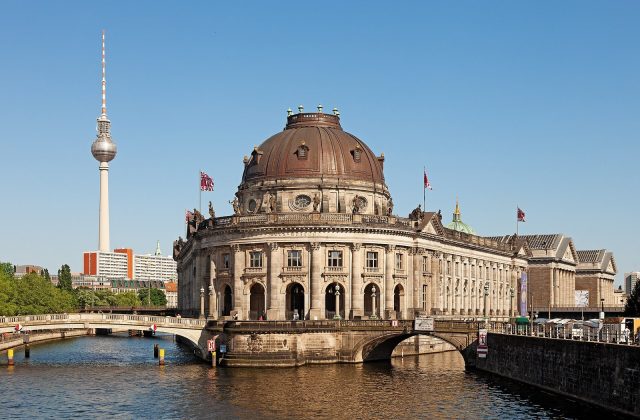
Museum Island is the northern half of an island in the river Spree in the centre of Berlin, home to five great museums…
9 tours & trips
North Frisian Islands, Germany
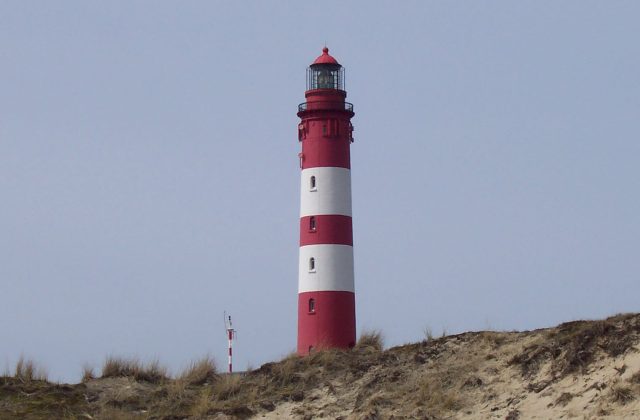
Amrum is a small North Frisian island in the German Wadden Sea, south of Sylt and west of Föhr, famous for the…
8 tours & trips
Germany
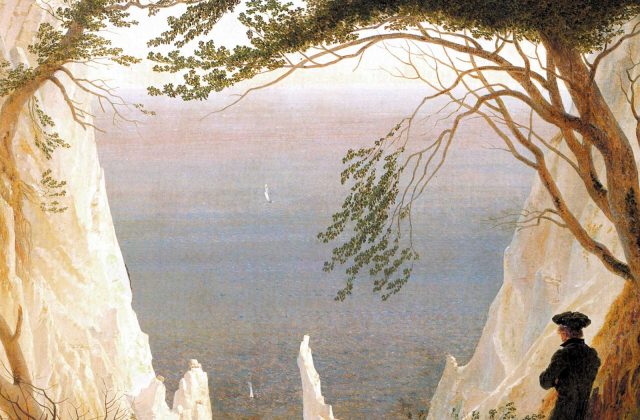
Rügen is Germany's largest island, 926 square kilometres of chalk cliffs, beech forest, lagoons and long sandy…
5 tours & trips
Germany
Herreninsel is the largest island in the Chiemsee, Bavaria's biggest lake, about 15 minutes by boat from Prien.
2 tours & trips