Lofoten
Norway
Lofoten is a chain of mountainous islands in northern Norway, about 170 km north of the Arctic Circle, where granite…
83 tours & trips
Norway · North Sea & Channel · Nature & wildlife island
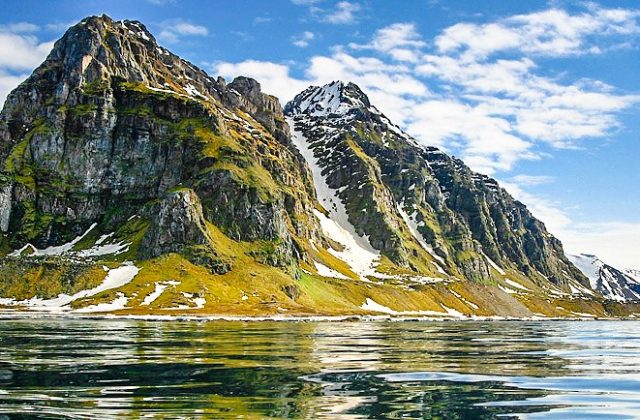
Senja is Norway's second-largest island outside Svalbard, about 1,590 square kilometres of jagged peaks, fjords and fishing villages north of the Arctic Circle, a bridge away from the mainland town of Finnsnes. Its outer coast looks like the Lofoten Islands with a fraction of the visitors, under the midnight sun in summer and the northern lights in winter.
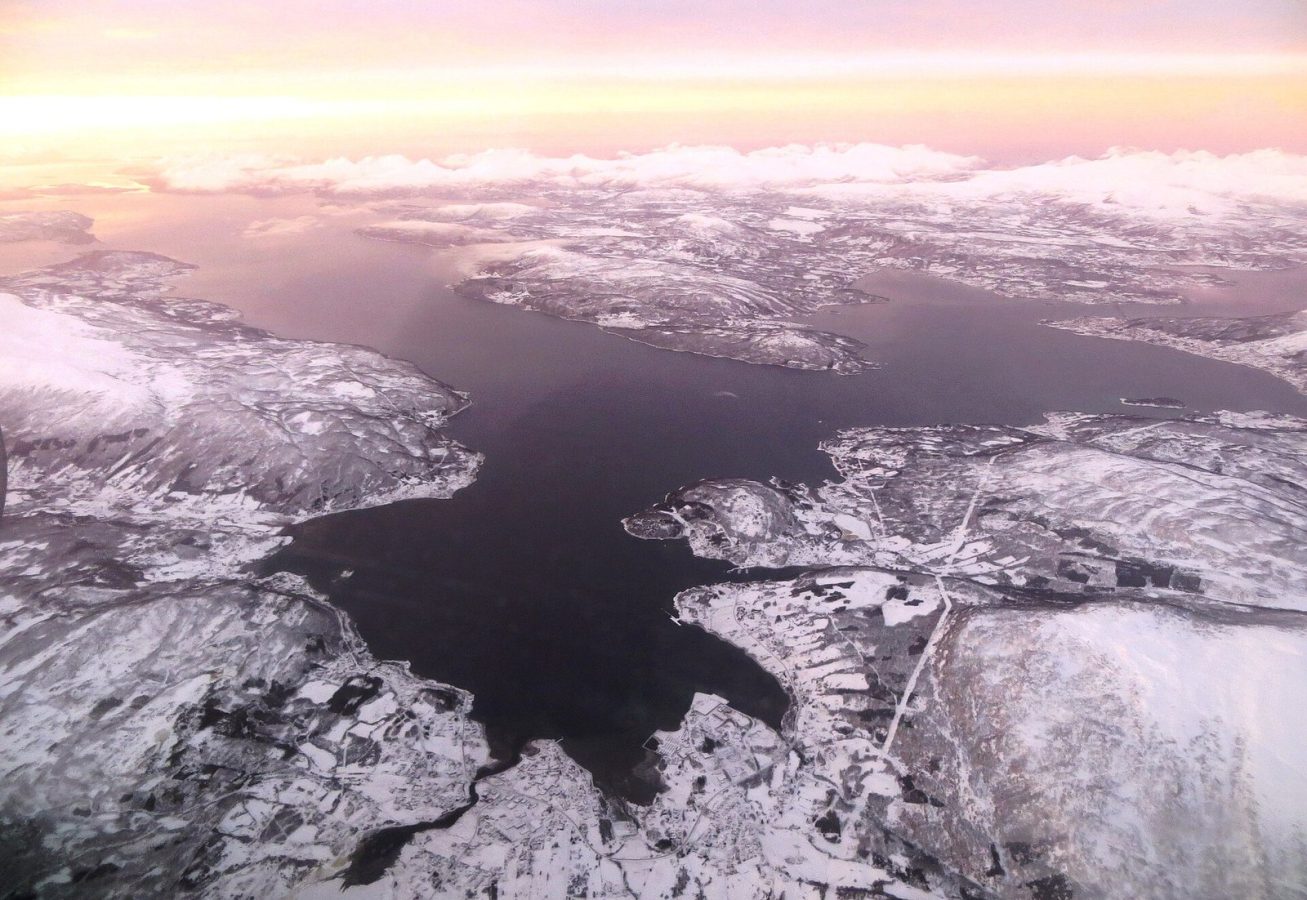
Photo: Bjoertvedt, CC BY-SA 3.0
| Getting there | Drive from Tromso via the bridge at Finnsnes in 2.5 to 3.5 h; summer car ferries from Kvaloya and Andoya |
|---|---|
| Gateway | Tromso (drive via the Finnsnes bridge) |
| Travel time | 2.5 to 3.5 h by car from Tromso |
| Days | 3 to 5 nights |
| Best months | Jun–Aug for midnight sun and hiking; Sep–Mar for northern lights |
| Getting around | A car is essential; buses are sparse and the scenic road winds round the fjords |
| Booking | Cabins and car hire months ahead for Jun–Aug; aurora tours a few days ahead |
| Cost | Expensive, as everywhere in northern Norway |
| Beaches | Pale sand coves such as Ersfjord and Hamn; scenic but the water is cold even in July |
| Sea | North Sea & Channel |
| Area | 1,586 km² |
| Population | 7,864 (2017) |
| Highest point | 1,008 m (Breitinden) |
| Airport | No |
| Car-free | No |
| Bridge | Road bridge or causeway to the mainland |
| Checked | October 2026 |
What is sold for Senja splits into day trips from Tromso and activities run by small operators on the island itself.
Day trips from Tromso are long, usually ten hours or more, because the drive is two to three hours each way. They follow the outer coast with stops at the main viewpoints and fishing villages, and the better ones include lunch and a short walk. Some add a guided hike to Hesten for the classic view of Segla, or a snowshoe walk in winter. A two-night winter package from Tromso adds accommodation and an aurora evening.
On the island, the summer offer is sea kayaking from Skaland and Stonglandseidet, among the Bergsoyan islets or in the national park fjord, often in the evening light, plus private guided hikes and 4x4 overland days. In winter there are northern lights hunts, snowshoe trips in Anderdalen National Park, ski touring for experienced skiers, ice fishing and wood-fired sauna sessions by the water. Most include equipment, warm clothing in winter and a hot drink; transport to the start point usually is not included.
The plain recommendation: hire a car in Tromso and stay at least two nights, then book one guided activity, a kayak in summer or an aurora tour in winter.
The sharp fin of Segla, 639 metres, rising straight out of the sea near Fjordgard is Senja's emblem. The steep trail to its top takes about three hours return; most people climb the neighbouring ridge of Hesten instead, because the view of Segla from there is the famous one. Start from the car park above Fjordgard, wear boots and avoid the exposed summit in wind or wet.
The Norwegian Scenic Route Senja follows the western side for about 100 km between Gryllefjord and Botnhamn, through tunnels and along fjords walled by peaks. Stop at the Bergsbotn platform over the Bergsfjord, the Tungeneset boardwalk facing the Devil's Teeth peaks, and the Ersfjord beach with its golden toilet building. Allow a full day with stops.
Two working fishing villages sit at the ends of the northern fjords. Husoy covers an entire islet joined to Senja by a causeway, its red and white houses packed around the harbour. Mefjordvaer, under the peaks near Segla, is the start for the Hesten and Segla trails. Both have a shop or a small cafe and the smell of drying fish.
In the south of the island, this protected valley and coast hold old pine and birch forest, lakes and a gentler landscape than the outer side. Marked trails lead from Stonglandseidet and the eastern roads into the park, and in winter it is good country for snowshoeing. Look for elk tracks, sea eagles over the fjord and, in autumn, berries along the paths.
On the Bergsfjord, Hamn is an old fishing station turned into a small resort of cabins and rorbuer, the traditional fishermen's houses, facing a sheltered bay. Nearby Gryllefjord has the summer ferry to Andoya and a handsome harbour. This is the quietest stretch of road, and a good base for kayaking and for watching the sun circle the horizon in June.
Our pick for each kind of trip, with live dates and prices. Free cancellation on most.
Best for: First visit, a day from Tromso
Covers the scenic outer coast in one long day without driving, with the main viewpoints and fishing villages, which suits visitors based in Tromso without a car.
Senja is reached by road over the Gisund Bridge from Finnsnes on the mainland. From Tromso the drive takes about two and a half hours to Finnsnes and three to three and a half to the villages of the outer coast, on a good road with long fjord stretches. Tromso airport has flights from Oslo and other Norwegian cities all year, and from parts of Europe in winter; Bardufoss airport, about an hour from Finnsnes, is closer but smaller. In summer a car ferry crosses from Brensholmen on Kvaloya, west of Tromso, to Botnhamn in about 45 minutes, which shortens the trip, and another links Gryllefjord with Andenes on Andoya, the route to Vesteralen and Lofoten. Coastal express ships call at Finnsnes, and fast passenger boats run there from Tromso.
A car is close to essential. Local buses link Finnsnes with some villages a few times a day on weekdays, but they do not suit sightseeing. Roads are narrow, with long single-lane tunnels and sheep or reindeer on the tarmac, so drive slowly. In winter, hire cars come with studded tyres, but darkness, snow and occasional road closures for avalanche risk need patience. Fill up in Finnsnes or Silsand, as petrol stations are few on the outer side.
Summer is short and bright. The midnight sun lasts from about late May to late July, so you can hike at any hour; June to August brings temperatures of roughly 10 to 20 degrees, open trails and all accommodation working. July is the busiest month, and cabins on the outer coast fill early. September is quieter, with autumn colours and the first northern lights once the nights darken.
From late September to March the aurora is the draw, best on clear nights away from towns. Around the turn of the year the sun does not rise for several weeks, leaving a few hours of blue twilight around noon. Winter days are cold but the coast is milder than inland Norway; storms can close mountain roads. March offers snow, lengthening days and the last aurora. Allow three nights at least, more in winter to improve your odds of a clear sky.
The outer coast is where to be: Mefjordvaer, Fjordgard and Husoy for the dramatic north and the Segla hikes; Hamn and Skaland on the Bergsfjord for kayaking and cabins by the water. These areas have rorbuer, holiday cabins and a few small hotels, often self-catering, so buy food in Finnsnes. Finnsnes and Silsand on the east side have supermarkets and cheaper rooms but long drives to the sights.
Senja has been home to Norse farmers and fishermen and to Sami families, whose name for it is Sazza, for well over a thousand years. Life followed the cod and herring of the outer coast, where small fishing stations grew in sheltered bays and the catch was dried on wooden racks and shipped south. The eastern side, milder and greener, held farms and the trading posts that became Finnsnes and Silsand. Roads, tunnels and the bridge arrived only in the twentieth century. Fishing still matters, while the scenic route and outdoor tourism have grown fast in recent decades.
Most visitors combine Senja with Tromso, two to three hours away, for its Arctic museums, cable car and nightlife. In summer the Gryllefjord ferry to Andenes, about 1 hour 40 minutes, opens a road trip south through Vesteralen to the Lofoten Islands, a classic one-week route. Whale-watching from Andenes fits neatly on the way.
Drive from Tromso via the bridge at Finnsnes in 2.5 to 3.5 h; summer car ferries from Kvaloya and Andoya.
From Tromso (drive via the Finnsnes bridge): 2.5 to 3.5 h by car from Tromso.
3 to 5 nights.
Jun–Aug for midnight sun and hiking; Sep–Mar for northern lights.
A car is essential; buses are sparse and the scenic road winds round the fjords.
Go if you want Arctic mountains, empty roads and short hikes to huge views without the Lofoten crowds. Skip it or choose the Lofoten Islands if you want more villages, restaurants and public transport, or Tromso itself for an easy northern lights break.
Expensive, as everywhere in northern Norway.
Pale sand coves such as Ersfjord and Hamn; scenic but the water is cold even in July.
Cabins and car hire months ahead for Jun–Aug; aurora tours a few days ahead.
Yes. Boat trips, guided tours and day trips for Senja can be booked online; live prices and free cancellation on most are shown on this page.
Norway
Lofoten is a chain of mountainous islands in northern Norway, about 170 km north of the Arctic Circle, where granite…
83 tours & trips
Norway
Svalbard is a Norwegian archipelago of glaciers and bare mountains halfway between mainland Norway and the North Pole,…
15 tours & trips
Norway
Vesterålen is a group of mountainous Arctic islands in northern Norway, just north of Lofoten, linked to each other and…
3 tours & trips
Norway
The Vega Archipelago is a scatter of around 6,500 low islands and skerries off the coast of Nordland, just south of the…
No tours listed