Lofoten
323 km away
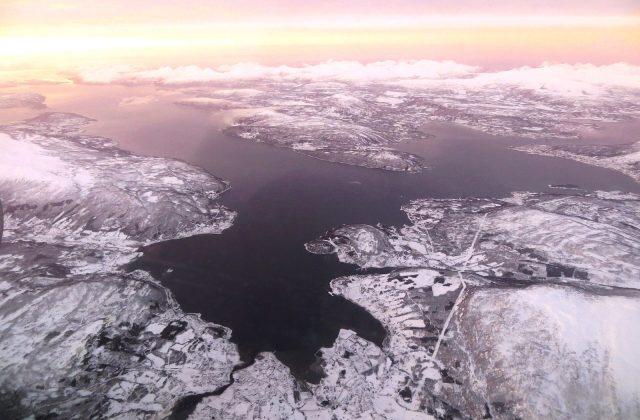
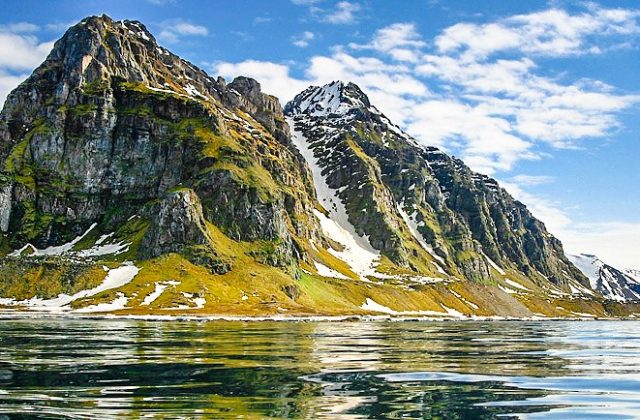
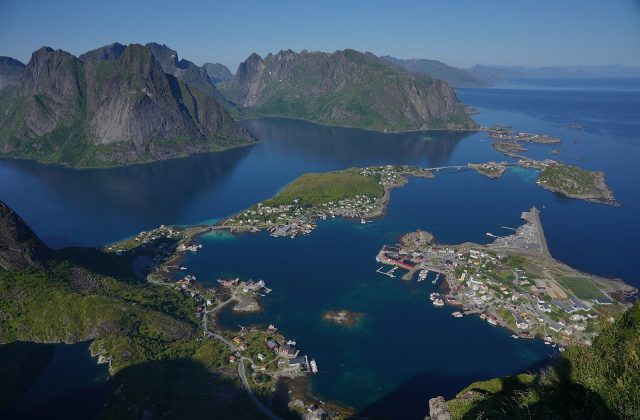
Lofoten is a chain of mountainous islands in northern Norway, about 170 km north of the Arctic Circle, where granite…
83 tours & trips
Norway · North Sea & Channel · Nature & wildlife island
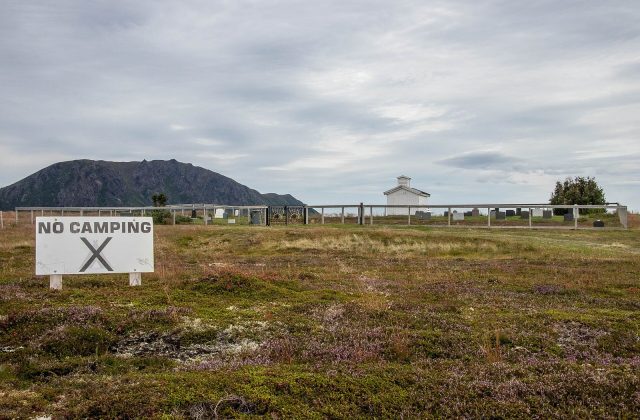
The Vega Archipelago is a scatter of around 6,500 low islands and skerries off the coast of Nordland, just south of the Arctic Circle, listed by UNESCO in 2004 for its centuries-old tradition of eider down harvesting. Come for empty roads, bird life, island fishing villages and nights that never get dark in June.
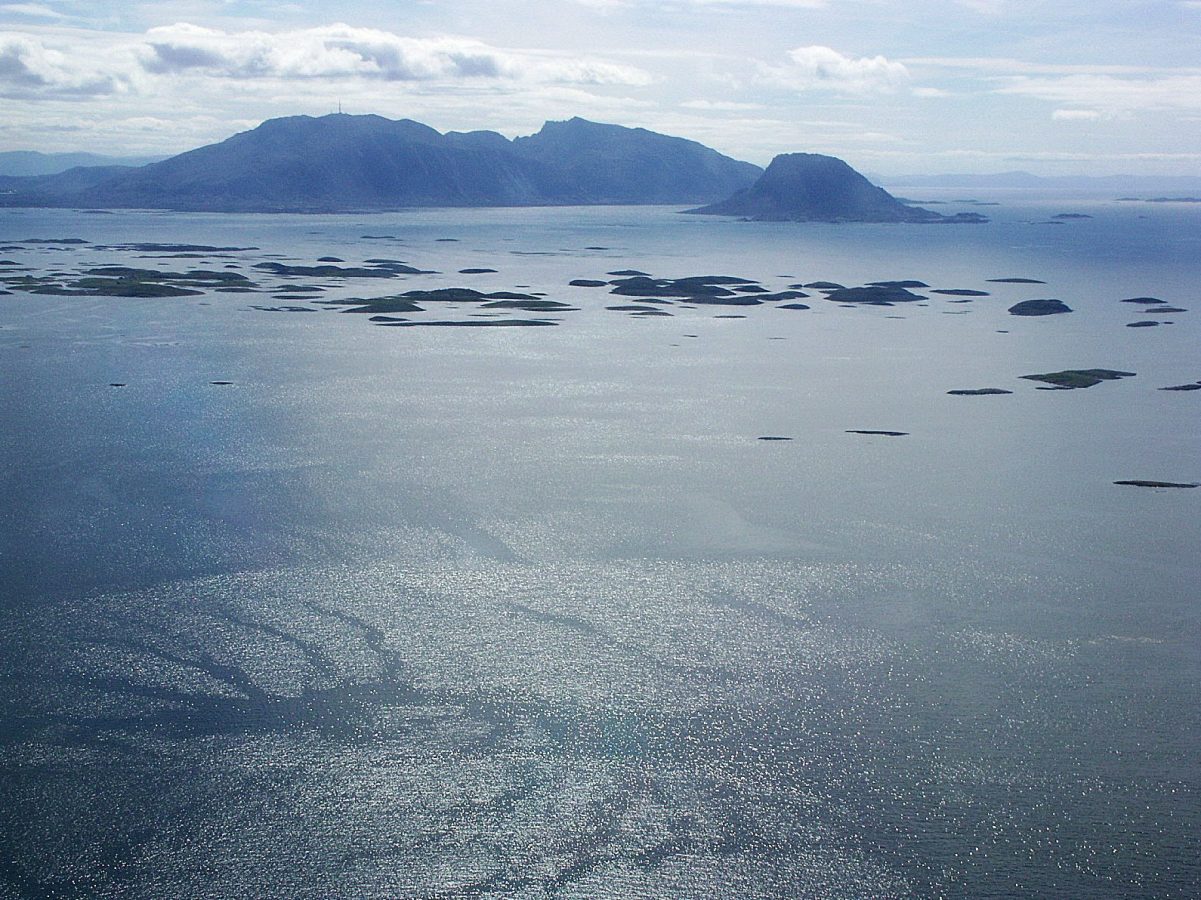
Photo: Ann Elin Bratseth, CC BY 2.5
| Getting there | Car ferry from Horn on the coastal road to Igerøy, or express boat from Brønnøysund or Sandnessjøen |
|---|---|
| Gateway | Brønnøysund (ferry and express boat) |
| Travel time | About 1 hour by ferry or express boat |
| Days | 3 to 5 nights |
| Best months | Jun–Aug for light, boats and birds; cold, dark and quiet the rest of the year |
| Getting around | Drive or cycle the main island; local boats and ferries to the outer islands |
| Booking | Rooms and car ferry space for July well ahead; outer-island boats a few days ahead |
| Cost | Expensive, as everywhere in Norway |
| Beaches | Small white shell-sand beaches and coves; the sea is cold even in July |
| Sea | North Sea & Channel |
| Airport | No |
| Car-free | No |
| UNESCO | Vegaøyan – The Vega Archipelago |
| Checked | November 2026 |
Nothing is sold online for the Vega Archipelago itself. Visitors usually come independently, by car on the coastal road or on foot by express boat, and arrange everything locally once they arrive.
The main things to organise are boat trips to the outer islands. In summer, local operators and the municipality run boats to the old fishing settlements and eider islands, where you walk among the small nesting houses, see the boathouses and quays and, at the right time, meet the people who still tend the ducks. Departures are few and weather-dependent, so ask at the World Heritage centre or your accommodation on arrival and fit your days around the boat.
Other activities are low-key: sea kayak rental and guided paddles among the skerries, bike hire on the main island, hiking in the mountains of southern Vega, fishing trips and birdwatching. Guided walks at the World Heritage centre explain eider down harvesting.
Recommendation: bring or rent a car or a bike, book your room early and plan at least one full day around a boat to the outer islands, which is the heart of the World Heritage listing.
The real World Heritage sights are the low outer islands where families once spent each spring tending wild eider ducks. Keepers built small shelters of stone, driftwood and seaweed for the birds to nest in, then gathered and cleaned the down after the ducklings left. Summer boats take you out for a few hours to walk among the houses and old fishing settlements.
Near Gladstad on the main island, the World Heritage centre explains the eider tradition, the island way of life and the bird life of the archipelago with exhibitions, films and examples of down. Start here to understand what you will see on the islands, check boat departures, and buy locally made down products, which are rare and very expensive.
The south of the main island rises steeply to granite peaks of about 800 metres, in contrast to the flat skerries all around. Marked trails climb through birch woods to summits with views over hundreds of islands towards the Seven Sisters range on the mainland. A stone stairway built by Sherpas makes one ascent easier but still steep.
The sheltered channels between the islands are ideal for sea kayaking on calm summer days, with seals, sea eagles and nesting seabirds for company. Rentals and guided trips are available on the main island. Keep away from nesting sites in spring and early summer, check the weather carefully, and remember that the water stays very cold.
Small ferries and local boats link the main island with inhabited outer islands such as Ylvingen, where a short walk leads to old wartime fortifications and fine views. Each island has its own handful of farms, chapels and boathouses. Check the timetable before you go, as some services run only a few times a day.
The main island of Vega has no bridge to the mainland. The usual way in by car is the ferry from Horn, on the coastal road north of Brønnøysund, to Igerøy, which is connected by road to the main island; the crossing takes under an hour and runs several times a day. Book car space for July if you can.
Express passenger boats link Vega with Brønnøysund and Sandnessjøen, useful if you arrive without a car. Brønnøysund has a small airport with flights from Trondheim and Bodø, and the coastal steamers call there daily. Combining a flight or the coastal ship to Brønnøysund with the express boat is the easiest car-free route. Timetables change between summer and winter, so check them before you travel.
On the main island a car or bicycle is the way to go: roads are quiet, mostly flat apart from the southern mountains, and distances short, with the main settlements within half an hour's drive of each other. Bikes can be rented locally and electric ones help in the wind. There are few buses and taxis. To reach the outer islands you need the local ferries or summer excursion boats, and kayaks for the skerries.
June to August is the season. Vega lies just south of the Arctic Circle, so the sun barely sets in June and early July and you can walk or paddle late into the light night. July is the warmest month, with pleasant days in the mid-teens to around 20 degrees, but weather can change quickly, and wind and rain are common. Pack layers and waterproofs whatever the forecast.
Late spring is the eider season, when the ducks nest and the keepers work on the islands; this is fascinating but means some islands are restricted to protect the birds. Most excursion boats, cafes and rentals operate only from June to August.
From autumn to spring the islands are cold, dark and very quiet, with limited services. Three to five nights let you combine the main island, a mountain walk and an outer-island boat trip at a relaxed pace.
Almost all accommodation is on the main island. Gladstad, near the World Heritage centre, is the practical base, with shops, a hotel and cafes. Elsewhere on Vega you find fishermen's cabins on the water, guesthouses on old farms and campsites, often with boats or kayaks for rent. Choosing the south of the island puts you near the mountain trails; the north suits those arriving by car ferry. Places are few, so book early for summer.
People have lived on Vega for about 10,000 years, since the first settlers followed the retreating ice along the coast. For more than a thousand years islanders combined fishing and small farming with eider down harvesting: by the 9th century down was a valuable export, and families moved each spring to the outer islands to build nests for the wild ducks. The tradition declined in the 20th century as people left the outer islands, but a few keepers still continue it today.
Vega sits on the Kystriksveien coastal road, so it fits naturally into a road trip through Helgeland with its ferries, islands and mountains, including Torghatten near Brønnøysund, the mountain with a hole through it. Further north, the Lofoten Islands are a day's drive and ferry away, or reachable on the coastal ship from Brønnøysund.
323 km away
Lofoten is a chain of mountainous islands in northern Norway, about 170 km north of the Arctic Circle, where granite…
83 tours & trips
373 km away
Vesterålen is a group of mountainous Arctic islands in northern Norway, just north of Lofoten, linked to each other and…
3 tours & trips
Car ferry from Horn on the coastal road to Igerøy, or express boat from Brønnøysund or Sandnessjøen.
From Brønnøysund (ferry and express boat): about 1 hour by ferry or express boat.
3 to 5 nights.
Jun–Aug for light, boats and birds; cold, dark and quiet the rest of the year.
Drive or cycle the main island; local boats and ferries to the outer islands.
Go if you want quiet Norwegian islands, eider duck culture, kayaking and long summer light without crowds. Skip it or choose Lofoten if you want dramatic peaks, more services and a busier choice of tours and restaurants.
Expensive, as everywhere in Norway.
Small white shell-sand beaches and coves; the sea is cold even in July.
Rooms and car ferry space for July well ahead; outer-island boats a few days ahead.
Yes. Vega Archipelago is part of the World Heritage property Vegaøyan – The Vega Archipelago.
Norway
Lofoten is a chain of mountainous islands in northern Norway, about 170 km north of the Arctic Circle, where granite…
83 tours & trips
Norway
Senja is Norway's second-largest island outside Svalbard, about 1,590 square kilometres of jagged peaks, fjords…
22 tours & trips
Norway
Svalbard is a Norwegian archipelago of glaciers and bare mountains halfway between mainland Norway and the North Pole,…
15 tours & trips
Norway
Vesterålen is a group of mountainous Arctic islands in northern Norway, just north of Lofoten, linked to each other and…
3 tours & trips