Hvar
Dalmatian Islands, Croatia
Hvar is a long, narrow island off the Dalmatian coast, about 68 km from end to end, known for the Venetian harbour of…
170 tours & trips
Croatia · Adriatic Sea · Nature & wildlife island
Biševo is a limestone islet of under 6 square kilometres, 5 km south-west of Vis in the middle of the Croatian Adriatic, home to about 15 people. Almost everyone comes for the Blue Cave, where sunlight entering through an underwater opening turns the water a glowing blue for a few hours around midday.
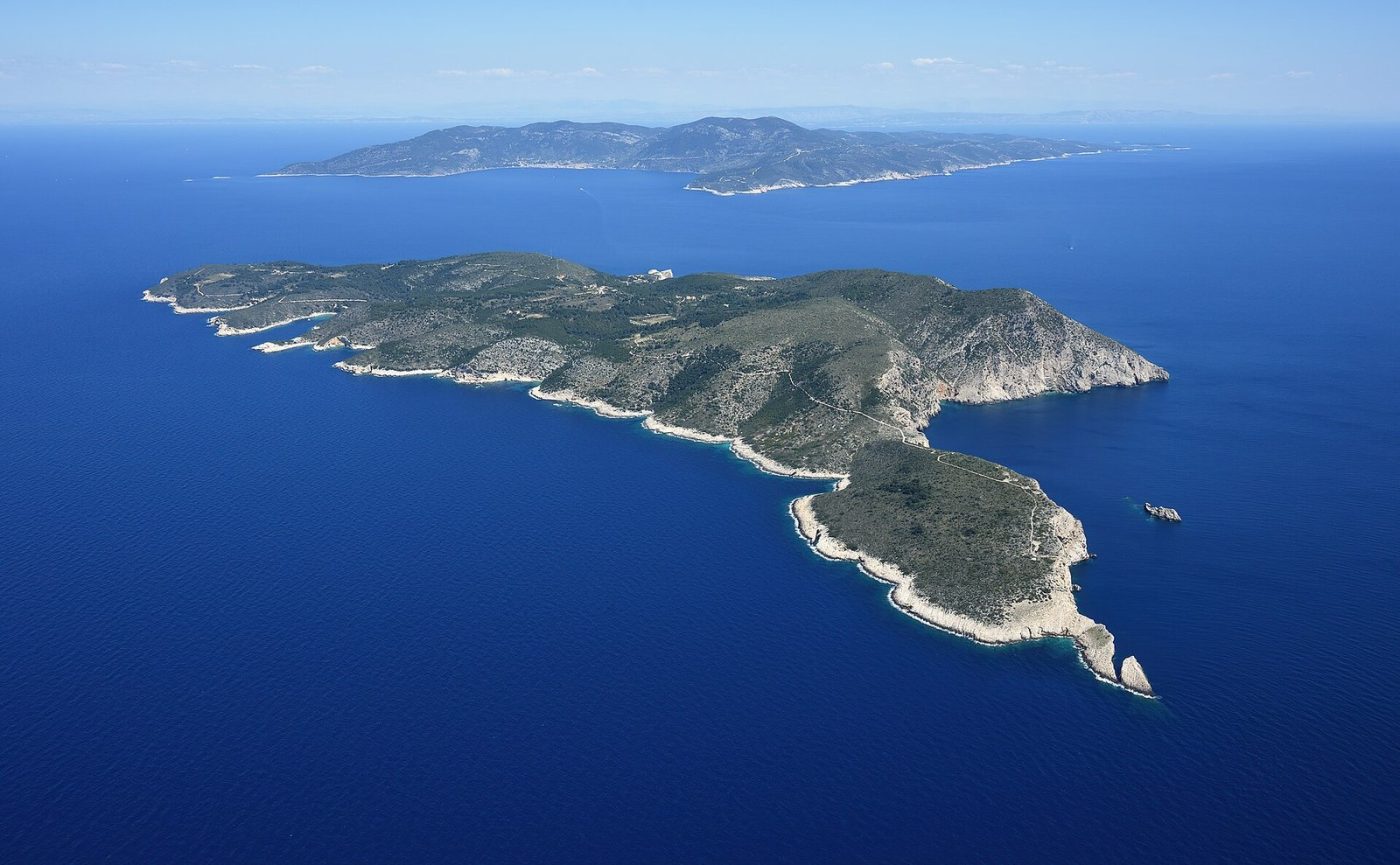
Photo: Carsten Steger, CC BY-SA 4.0
| Getting there | Boat from Komiža on Vis in about 20 min, or a speedboat day tour from Split, Hvar or Trogir |
|---|---|
| Gateway | Komiža (Vis) or Split by speedboat tour |
| Travel time | 20 min from Komiža; about 1 h by speedboat from Split |
| Days | A day trip is enough |
| Best months | Jun–Sep; the Blue Cave closes when the sea is rough |
| Getting around | On foot along dirt tracks; there are no buses and almost no cars |
| Booking | Speedboat tours a few days ahead in July–August; cave tickets are bought on the spot |
| Cost | Mid-range for Croatia; tours from Split cost more |
| Beaches | Pebble and sand coves; Porat on the west coast is the main swimming beach |
| Sea | Adriatic Sea |
| Area | 5.8 km² |
| Population | 15 (2011) |
| Highest point | 239 m (Stražbenica) |
| Airport | No |
| Checked | October 2026 |
Biševo is sold almost entirely as one stop on a boat trip, and the product depends on where you start.
From Split, Trogir and Hvar, fast speedboat tours make a long loop of the islands in a day: the Blue Cave on Biševo first, then usually Stiniva cove and a stop in Komiža or Vis town on Vis, the Green Cave on the islet of Ravnik, and often the Pakleni islands off Hvar. Expect 10 to 12 hours, a lot of time at speed in open water, and a skipper but rarely a guide. The cave ticket and lunch are usually extra.
From Komiža and Vis town, shorter shared speedboat trips circle Vis and Biševo in half a day or a day, with more time for swimming and less time travelling. In summer a small local boat also crosses from Komiža to Porat, so you can visit on your own and walk to the cave dock.
Inside the cave itself you transfer to a small wooden boat for a visit of about 10 minutes; private speedboats stop at the same dock and queue with everyone else.
The best plan is to stay on Vis for a night or two and take a short trip from Komiža early in the day.
A small limestone sea cave in Balun cove on the east side of the island. Between roughly 11 am and noon, when the sun is high, light enters through an opening below the water and the inside glows blue and silver. Visits are in small rowing or motor boats, and swimming inside is not allowed. Come early to avoid the long queue in high summer.
A short walk across the island from the cave dock, Porat is a sheltered cove with a strip of sand and shingle, clear shallow water and a couple of seasonal places to eat. It is where the local boat from Komiža lands and where most independent visitors spend the afternoon, swimming and snorkelling along the rocky sides of the bay.
On the south-east coast, Medvidina is a long cave named after the Mediterranean monk seals that once bred inside, and it has been protected since 1967. The seals are now very rarely seen. Some boat trips pause at the entrance; the cave is reached only from the water and only when the sea is calm.
A walk inland from Porat crosses the fertile field in the middle of the island, with vineyards, stone walls and scattered houses. The small church of St Sylvester stands beside the faint remains of an 11th-century Benedictine monastery. It is about half an hour on foot from the beach along a dirt track, with no shade.
The highest point of the island, 239 metres above the sea, is reached by a footpath of about 45 minutes through pine woods and scrub on the northern side. From the top you look back to Vis and Komiža and out to the open Adriatic. Carry water and wear proper shoes; the path is rocky and unmarked in places.
Live dates and prices. Free cancellation on most tours.
Komiža, the fishing town on the west coast of Vis, is the natural gateway. To reach Vis, take the car ferry from Split to Vis town, which takes about 2.5 hours, or the faster catamaran, about 1.5 hours; both run daily all year, with more sailings in summer. A bus then crosses the island to Komiža in about 20 minutes.
From Komiža, the crossing to Biševo takes about 20 minutes. Taxi boats and tour boats leave every morning in summer, and a small public boat runs to Porat on some days. Outside the season, ask at the harbour.
If you are short of time, speedboat tours from Split, Trogir and Hvar reach the cave in about an hour, in one long day. There is no car ferry to Biševo.
There is nothing to rent and no transport on the island. Dirt tracks and footpaths link the cave dock, Porat beach and the scattered hamlets, and the island is small enough to cross on foot in under an hour. Most visitors never leave the boat except at the cave dock and Porat. Bring shoes for the tracks, a hat and water, because shade is limited and shops are almost non-existent.
June to September is the season, when the boats run daily, the sea is warm, at around 23 to 25 degrees in high summer, and the cave light is strongest. July and August are hot and busy, and the wait for the cave can reach an hour or more around midday; June and September are calmer and the light is still good.
The Blue Cave closes whenever waves make the narrow entrance unsafe, which happens with a strong southerly wind or a swell, and trips from Split may then visit other caves instead. Check the forecast and keep a spare day on Vis if the cave matters to you.
Outside the season the island is almost empty, the seasonal restaurants close, and boats go only on request. A day is enough for Biševo, best taken from a base on Vis.
Biševo has no hotels, only a few private rooms in the hamlets, so almost everyone stays on Vis. Komiža is the best base: a small fishing town with a harbour, beaches and the boats to Biševo leaving from the quay. Vis town on the other side of the island has the ferry port, more restaurants and a lively evening. Split is a good base only if you want a single speedboat day and city life the rest of the time.
Biševo has always been a tiny farming and fishing island. A Benedictine monastery was founded here in 1050, but the monks left about two centuries later because of pirate raids; the church of St Sylvester survives. Families from Komiža farmed vines in the inland field and fished the rich waters around the island. A school opened in 1947 and closed in 1961, electricity only arrived in the 1970s, and the population has fallen to a handful. The Blue Cave became famous in the late 19th century, when a wider entrance was cut for boats.
Pair Biševo with Vis, which needs two or three days for its beaches, Stiniva cove and the military tunnels left from the Yugoslav years. Hvar is about an hour by catamaran from Split and can be added, and the Green Cave on Ravnik is a short boat ride from Vis. Split is the obvious start and finish.
Boat from Komiža on Vis in about 20 min, or a speedboat day tour from Split, Hvar or Trogir.
From Komiža (Vis) or Split by speedboat tour: 20 min from Komiža; about 1 h by speedboat from Split.
A day trip is enough.
Jun–Sep; the Blue Cave closes when the sea is rough.
On foot along dirt tracks; there are no buses and almost no cars.
Go if you want to see the Blue Cave and swim in clear water on a day by boat from Vis or Split. Skip it or choose Vis itself if you want a place to stay, restaurants and more than a few hours of things to do.
Mid-range for Croatia; tours from Split cost more.
Pebble and sand coves; Porat on the west coast is the main swimming beach.
Speedboat tours a few days ahead in July–August; cave tickets are bought on the spot.
Yes. Boat trips, guided tours and day trips for Biševo can be booked online; live prices and free cancellation on most are shown on this page.
Dalmatian Islands, Croatia
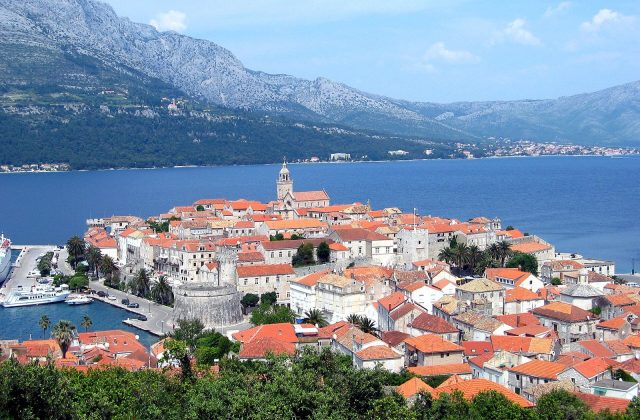
Hvar is a long, narrow island off the Dalmatian coast, about 68 km from end to end, known for the Venetian harbour of…
170 tours & trips
Dalmatian Islands, Croatia
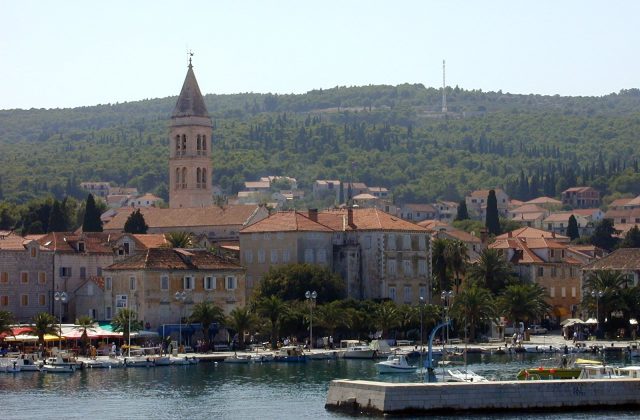
Korcula is a long, wooded island in southern Dalmatia, 47 km from end to end and separated from the Peljesac peninsula…
66 tours & trips
Dalmatian Islands, Croatia
Brač is the largest island in Dalmatia, 396 square kilometres of olive groves and white limestone just off Split, with…
52 tours & trips
Croatia
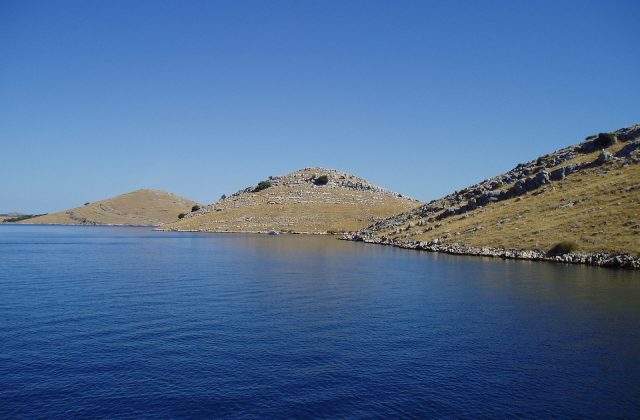
The Kornati are a maze of 89 bare limestone islands, islets and reefs off the coast between Zadar and Šibenik, the…
50 tours & trips
Croatia
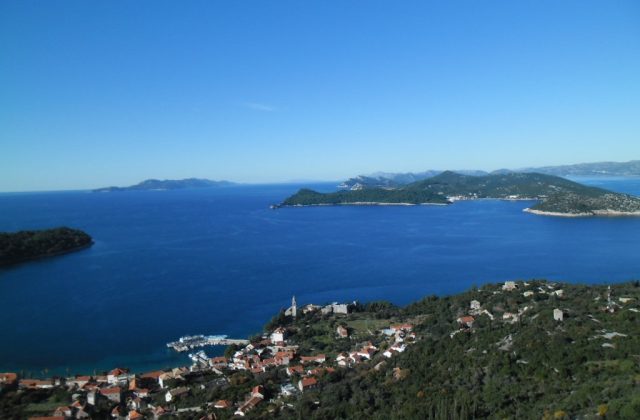
The Elaphiti Islands are a chain of small green islands just north-west of Dubrovnik, of which three, Koločep, Lopud…
49 tours & trips
Dalmatian Islands, Croatia
Šolta is a small, low island of olive groves, vineyards and stone villages just south of Split, about an hour away by…
28 tours & trips