Mallorca
Balearic Islands, Spain
Mallorca is the largest of the Balearic Islands, about 3,640 square kilometres of coast and mountains off eastern…
909 tours & trips
Spain · Mediterranean Sea · Beach island
Formentera is the smallest and most southerly of the inhabited Balearic Islands, a flat island of 83 square kilometres half an hour by fast ferry from Ibiza. It is famous for some of the clearest water in the Mediterranean, kept clear by protected seagrass meadows, and for white-sand beaches, lighthouses and a slow pace.
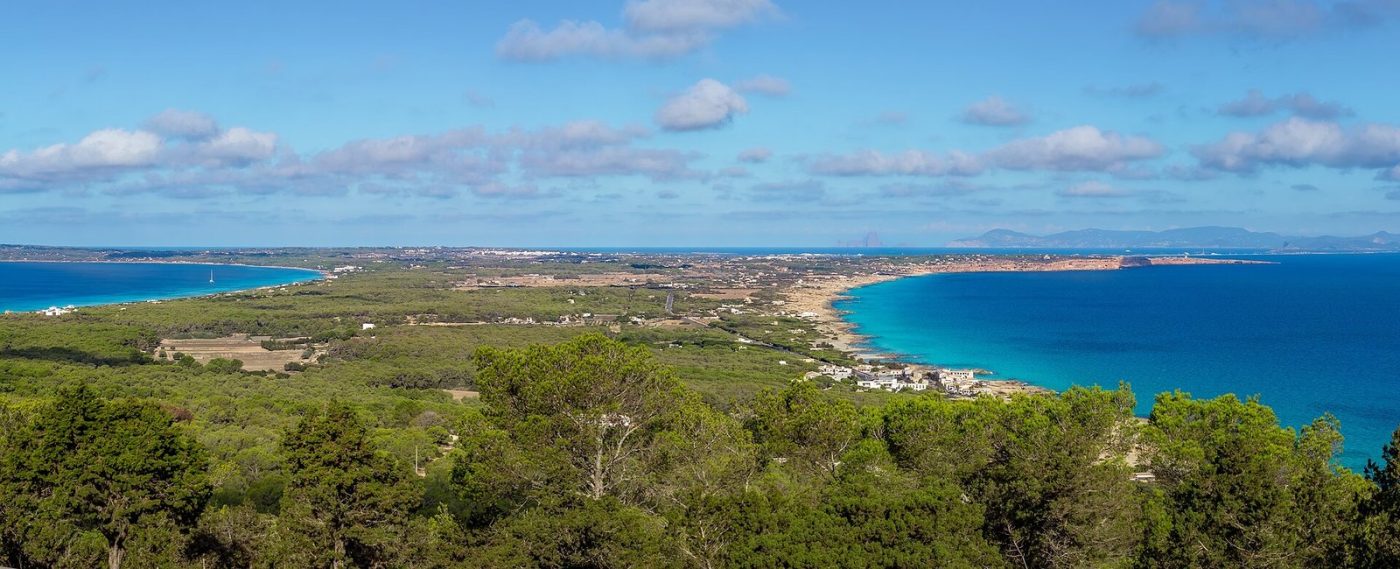
Photo: Fabian Hurst, CC BY-SA 4.0
| Getting there | Fast ferry from Ibiza port to La Savina in about 30 min; slower car ferries about 1 h; seasonal boats from Ibiza resorts |
|---|---|
| Gateway | Ibiza (ferry port to La Savina) |
| Travel time | 30 min by fast ferry, about 1 h by car ferry |
| Days | 3 to 5 nights, or a day from Ibiza |
| Best months | June and September; Jul–Aug hot, crowded and pricey; many places shut Nov–Mar |
| Getting around | Rent a bike, e-bike or scooter; buses link the villages; car entry limited in summer |
| Booking | Rooms and scooters months ahead for Jul–Aug; ferries a day or two ahead |
| Cost | Expensive, even by Balearic standards |
| Beaches | White sand and turquoise water: Ses Illetes, Llevant, Cala Saona and long Migjorn |
| Sea | Mediterranean Sea |
| Archipelago | Balearic Islands |
| Area | 83 km² |
| Population | 11,661 (2025) |
| Highest point | 194 m (Sa Talaiassa (La Mola)) |
| Ferry | 30 min from Ibiza (ferry port to La Savina) |
| Airport | No |
| Car-free | No |
| UNESCO | Ibiza, Biodiversity and Culture |
| Checked | November 2026 |
What you book for Formentera depends on whether you are staying on Ibiza or on the island itself.
From Ibiza, the basic product is a return ferry ticket from Ibiza Town, with summer crossings also from Figueretes, Playa d'en Bossa, Sant Antoni and Santa Eularia; packages add a bicycle, e-bike or scooter waiting at La Savina, and one adds a guided coach tour of the lighthouses, the main village and a beach. Boat days from Ibiza go further: catamarans and sailing yachts cross to the north of Formentera and anchor off Espalmador and Ses Illetes for swimming and snorkelling, usually with drinks and often paella or a buffet; some run as parties with music and a sunset return. Private boats with a skipper take up to a dozen people for a full day.
On Formentera itself, small boats from La Savina visit Espalmador, Illetes and the caves of Cala Saona, and a classic wooden llaut sails at sunset. There are guided kayak trips to the caves, snorkelling with a marine biologist, try-dives, paddleboard, kayak and kite rental, wing-foiling lessons, a 4x4 tour of quieter corners, and stargazing sessions under the dark skies.
Boat trips include drinks and sometimes lunch; bike hire is extra. For most visitors a ferry ticket and a rented e-bike are enough; add a boat if you want the best coves.
At the northern tip, inside the Ses Salines natural park, a narrow strip of white sand separates two shallow, turquoise seas. Ses Illetes is the island's most famous beach. Boats cross the narrow channel to the islet of Espalmador. Arrive early, as parking for cars and scooters is limited in summer and a park fee applies.
The eastern plateau rises to about 190 metres, with farms, pine woods and the lighthouse at the edge of a sheer cliff. The village of El Pilar de la Mola holds an artisans' market on certain evenings in summer. From the plateau's edge, views stretch over the whole island back to Ibiza. It is about 20 km from La Savina.
A straight road crosses dry scrub and stone walls to a lonely lighthouse on the southern cliffs, a popular place to watch the sunset. Near it are a watchtower and a natural cave entrance in the rocks. Bronze Age sites lie along the route. Cycle in the cool morning or late afternoon, as there is no shade.
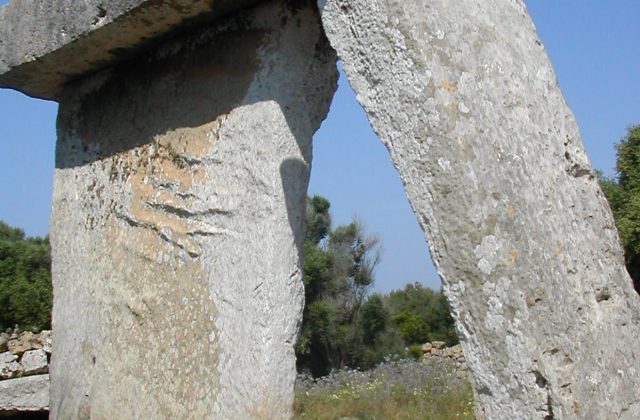
The small capital has a fortified 18th-century church built for defence against pirates, white houses, cafes and boutiques around the square. It is the island's administrative centre, three kilometres from the port. On summer mornings, a small craft market fills the streets. Nearby is the megalithic tomb of Ca na Costa.
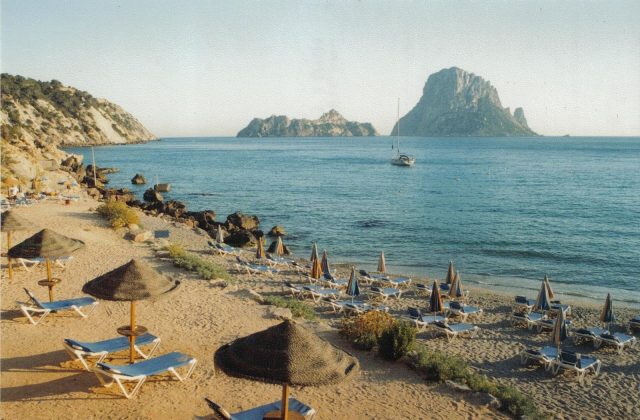
On the west coast, Cala Saona is a cove of sand between reddish cliffs, with clear water and sunsets over the sea. The south coast is a long arc of beaches called Migjorn, more than five kilometres of sand with beach bars and dunes, quieter than the northern beaches. Bring water shoes for rocky patches.
Our pick for each kind of trip, with live dates and prices. Free cancellation on most.
Best for: First visit, a day from Ibiza
The ferry from Ibiza plus a guided coach round the island, with the lighthouses, the main village and a beach stop, for those who want to see it all in one day.
Formentera has no airport, so most people fly to Ibiza, 25 minutes by taxi from Ibiza Town. From the port of Ibiza, fast ferries run to La Savina, Formentera's port, about every 30 minutes in summer and take roughly 30 minutes; slower car ferries take around an hour. Baleària and Trasmapi run the main services, and tickets can be bought at the port or online. Departures are fewer in winter, and the crossing can be rough in strong winds.
Seasonal boats also leave Sant Antoni, Santa Eularia, Playa d'en Bossa and Figueretas for day trips. Formentera limits the number of visitors' cars in summer, so bringing one needs a permit; most visitors hire a bike, e-bike or scooter at La Savina instead.
The island is flat and only about 20 km from end to end, so bikes and e-bikes are ideal. A network of quiet green routes links villages and beaches. Scooters suit the longer run to La Mola. Buses connect La Savina, Sant Francesc, Es Pujols, Es Calo and La Mola in summer but run rarely in winter. Taxis are few and busy in July and August. Parking at popular beaches is restricted, so arrive early.
June and September are the best months: sea temperatures in the low to mid-twenties, long sunny days and fewer people than in high summer. July and August are hot and crowded, with day-trippers from Ibiza filling the northern beaches and prices for rooms and rentals at their highest. Book early for August.
May and October are quieter and pleasant for cycling and walking, though the sea is cooler and some beach restaurants open only at weekends. From November to March most hotels, restaurants and rental shops close, ferries run less often and the island is very quiet, with wind and occasional storms.
The summer festival of Sant Jaume on 25 July is the island's main celebration. A day trip from Ibiza shows the main sights, but three to five nights let you enjoy the beaches in the quiet early mornings and evenings.
Es Pujols, on the north coast, is the main resort, with most hotels, bars and restaurants and a beach close to Ses Illetes. Sant Francesc Xavier is the small capital, central and quiet. Es Calo is a tiny fishing village on the north coast near La Mola. Migjorn has apartments by the long southern beach, and La Mola suits those who want countryside and peace. La Savina is convenient for the ferry.
Formentera was inhabited in the Bronze Age, when its megalithic tomb at Ca na Costa was built, and later by Carthaginians and Romans, whose name for it is said to mean granary. In the late Middle Ages pirates and plague left the island almost empty, and it was only resettled at the end of the 17th century, when watchtowers went up along the coast. Salt pans and farming were its living until hippies discovered it in the 1960s. The seagrass meadows that keep its water clear are part of a World Heritage Site shared with Ibiza.
Formentera pairs naturally with Ibiza, 30 minutes away by fast ferry, for its old town, nightlife and beaches. Together they form the Pityusic Islands. From Ibiza, ferries and flights continue to Mallorca and on to Menorca; in summer there are also ferries from Ibiza to Denia and Valencia on the Spanish mainland.
Fast ferry from Ibiza port to La Savina in about 30 min; slower car ferries about 1 h; seasonal boats from Ibiza resorts.
From Ibiza (ferry port to La Savina): 30 min by fast ferry, about 1 h by car ferry.
3 to 5 nights, or a day from Ibiza.
June and September; Jul–Aug hot, crowded and pricey; many places shut Nov–Mar.
Rent a bike, e-bike or scooter; buses link the villages; car entry limited in summer.
Go if you want clear turquoise water, white beaches, cycling and a quiet, laid-back island close to Ibiza. Skip it or choose Menorca if you want cheaper prices, more culture and towns, or room on the beach in August. With about 30 min each way from Ibiza (ferry port to La Savina), a day trip is easy to do.
Expensive, even by Balearic standards.
White sand and turquoise water: Ses Illetes, Llevant, Cala Saona and long Migjorn.
Rooms and scooters months ahead for Jul–Aug; ferries a day or two ahead.
Yes. Boat trips, guided tours and day trips for Formentera can be booked online; live prices and free cancellation on most are shown on this page.
Balearic Islands, Spain
Mallorca is the largest of the Balearic Islands, about 3,640 square kilometres of coast and mountains off eastern…
909 tours & trips
Balearic Islands, Spain
Ibiza is the third-largest of the Balearic Islands, 577 square kilometres of pine hills, small coves and salt pans…
372 tours & trips
Balearic Islands, Spain
Menorca is the quiet, green northern neighbour of Mallorca, about 50 km long, a UNESCO Biosphere Reserve since 1993…
123 tours & trips
Balearic Islands, Spain
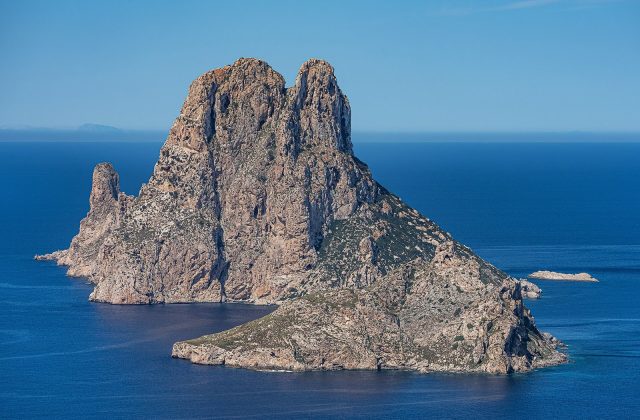
Es Vedrà is an uninhabited limestone rock rising 382 metres straight out of the sea about two kilometres off the…
19 tours & trips
Balearic Islands, Spain
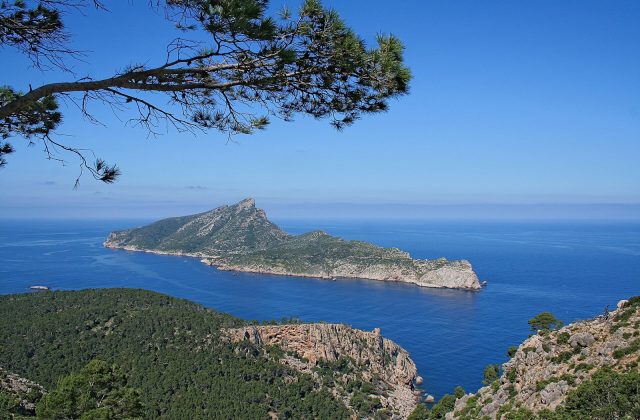
Dragonera is an uninhabited, dragon-shaped islet off the western tip of Mallorca, about 3 km long and protected as a…
7 tours & trips
Balearic Islands, Spain
Cabrera is an uninhabited island about 10 km south of Mallorca, the heart of a protected archipelago that forms one of…
5 tours & trips