Mallorca
Balearic Islands, Spain
Mallorca is the largest of the Balearic Islands, about 3,640 square kilometres of coast and mountains off eastern…
909 tours & trips
Spain · Mediterranean Sea · Party island
Ibiza is the third-largest of the Balearic Islands, 577 square kilometres of pine hills, small coves and salt pans about 150 km off Valencia. It is famous for its summer clubs, but the walled old town, the quiet north and the clear water over seagrass meadows earned it a UNESCO listing.
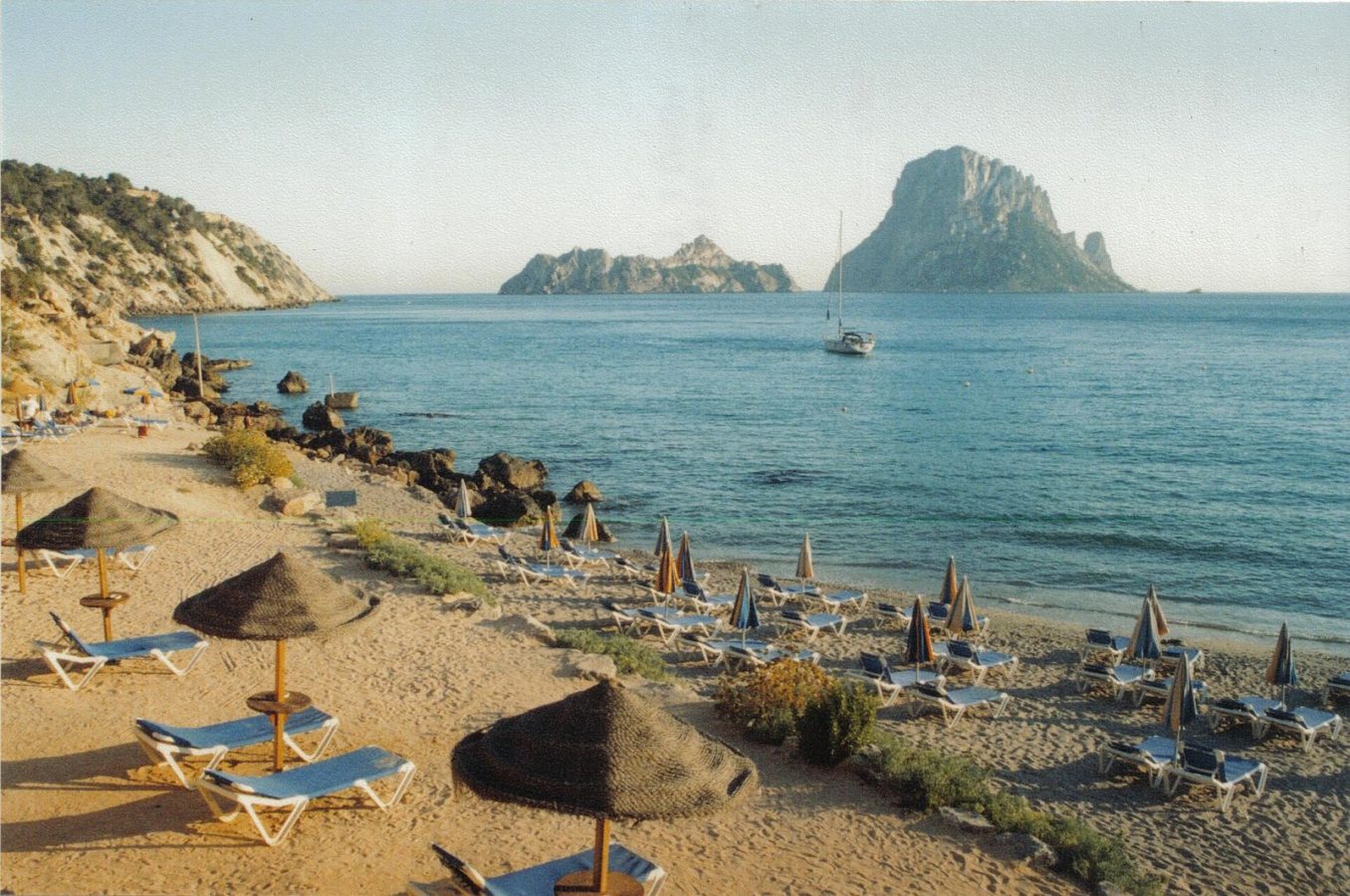
Photo: athinaf, CC BY 2.0
| Getting there | Flights from across Europe to Ibiza airport; ferries from Barcelona, Valencia, Denia and Palma |
|---|---|
| Gateway | Ibiza airport, or ferries from Denia and Barcelona |
| Travel time | 1 h flight from Barcelona; 2 to 4 h by ferry from Denia |
| Days | 3 to 5 nights |
| Best months | Jun–Sep for clubs; May and Oct quieter and cheaper; many places shut Nov–Mar |
| Getting around | Buses link Ibiza Town, Sant Antoni and Santa Eularia; rent a car for the coves |
| Booking | Rooms and rental cars months ahead for Jul–Aug; club tickets and boat trips a week ahead |
| Cost | Expensive, one of the dearest islands in Spain |
| Beaches | Small sandy coves: Cala Comte, Cala Salada, Cala d'Hort; long Ses Salines in the south |
| Sea | Mediterranean Sea |
| Archipelago | Balearic Islands |
| Area | 577 km² |
| Population | 161,485 (2024) |
| Highest point | 475 m (Sa Talaiassa) |
| Airport | Yes, scheduled flights |
| Car-free | No |
| UNESCO | Ibiza, Biodiversity and Culture |
| Checked | October 2026 |
Most of what is sold on Ibiza happens on the water, and the choice is wide.
Boat trips are the backbone. Shared catamaran and sailing days leave Sant Antoni, Ibiza Town or Santa Eularia for the west coast coves or across to Formentera and Espalmador, usually with drinks, a paella lunch and paddleboards or snorkel gear included. Private boats with a skipper cost far more but let a group choose its own coves, and licence-free motorboats are an option for confident swimmers who want to explore alone.
Sunset cruises from Sant Antoni are the most popular evening product, and many end in time for the clubs. Club tickets and multi-club passes are sold separately and are cheaper bought in advance than at the door.
On land there are 4x4 trips into the hilly interior, e-bike rentals with marked routes, kayak and snorkel tours in the sea caves of the north and west, scuba try-dives and food tours. Ferry tickets to Formentera are often sold with bike hire. Hotel pickup is common for land tours but not for boats.
For a first visit, book one boat day to the west coast or Formentera and spend the rest of the time driving to the coves yourself.
The upper town of Ibiza Town sits inside complete Renaissance bastions built by the Spanish crown in the 16th century. Walk up through the main gate, climb to the cathedral terrace for the view over the harbour and Formentera, and come back down through the lanes of La Marina for dinner. The Phoenician necropolis of Puig des Molins is a short walk west.
About 20 km west of Ibiza Town, near Sant Antoni, Cala Comte is a group of small sandy coves facing a scatter of rocky islets, with shallow water in shades of blue and green. It is the classic sunset spot on the island. Arrive early in summer, as the car park fills by late morning; Cala Bassa and Cala Salada are close by.
The south tip of the island is a natural park of salt pans, dunes and pine woods where flamingos sometimes feed in the shallow ponds. The long beach of Ses Salines has fine sand, beach clubs at one end and quieter stretches further on, and Es Cavallet next door is the traditional naturist beach. Buses run here from Ibiza Town in summer.
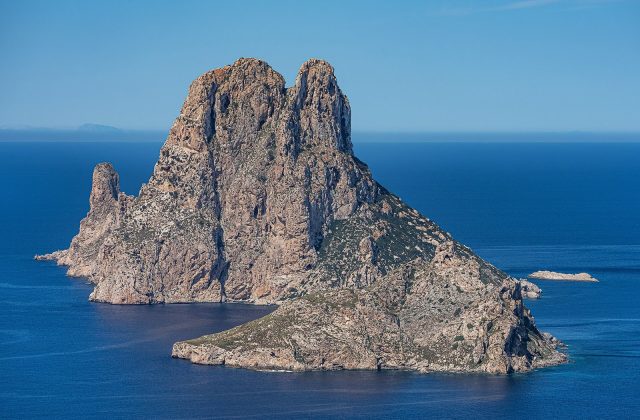
The limestone islet of Es Vedra rises almost 400 metres from the sea off the south-west coast and is the island's most recognisable view. Watch it from the small beach of Cala d'Hort, with fish restaurants on the sand, or walk the path from the old watchtower of Torre des Savinar at sunset. Boats from Sant Antoni circle the rock.
The north is greener and quieter, with farming villages, terraced hills and small bays such as Benirras, where drummers gather on Sunday evenings at sunset. On Wednesdays the hippie market at Punta Arabi near Es Canar sells clothes, jewellery and crafts, and Las Dalias at Sant Carles holds its own market on Saturdays. A car makes this side much easier.
Our pick for each kind of trip, with live dates and prices. Free cancellation on most.
Best for: First visit, the island in one day
A guided loop that joins the old walled town with some of the best beaches, useful if you arrive without a car and want the outline of the island fast.
Ibiza airport lies 7 km south-west of Ibiza Town and is the way most visitors arrive. Direct flights come from much of Europe from spring to autumn; in winter you usually connect through Barcelona, Madrid or Palma, each about an hour away.
Ferries arrive at Ibiza Town and, less often, Sant Antoni. The quickest mainland crossing is from Denia, south of Valencia, at around two to four hours depending on the boat; there are also longer crossings from Valencia and overnight sailings from Barcelona, which suit travellers bringing their own car. Fast boats connect Palma in Mallorca, and Formentera is half an hour away with departures every few minutes in summer. Book car spaces on summer ferries well ahead. Cruise ships dock at the port of Ibiza Town, within walking distance of the old town.
Public buses run between Ibiza Town, Sant Antoni, Santa Eularia, the airport and the main beaches, frequently in summer and much less in winter; a night bus links the clubs. To see the coves of the west and north, though, a small rental car is the practical choice, as many beaches have no bus at all. Roads are short, the island is about 40 km long, but car parks at popular coves fill quickly in August. Taxis are scarce at peak hours, so use the official ranks or the app.
The main season runs from May to October. The big clubs open from late May or June to early October, with opening and closing parties that fill the island. July and August are hot, the sea reaches about 26 degrees, and prices for rooms, cars and boats are at their highest.
May, June, September and early October are the best balance: warm sea, open beach bars and restaurants, and noticeably lower prices outside the club weekends. September is particularly good for swimming.
From November to April the island is a different place. Most clubs, beach restaurants and many hotels close, flights thin out, and the weather is mild but changeable. It is a good time for walking, cycling and the old town, without crowds. Almond blossom covers the interior in late January and February. Three to five nights are enough for a first visit, with one day for Formentera.
Ibiza Town is the best all-round base, with the old town, restaurants, the ferry port and bus connections to everything. Playa d'en Bossa just south is the club strip, loud and full of large hotels. Sant Antoni on the west coast suits a younger crowd and sunset bars, and is close to the best coves. Santa Eularia on the east coast is calmer and suits families and couples. For quiet, rent a rural house or small hotel in the north around Sant Joan or Portinatx and plan on driving.
Phoenician traders founded a port here in the 7th century BC, and their necropolis on the hill above Ibiza Town is one of the largest in the Mediterranean. Carthaginians, Romans and Moors followed, until the Crown of Aragon took the island in 1235. Pirate raids led to the massive walls around Dalt Vila and to watchtowers along the coast. For centuries the island lived from salt, fishing and farming. In the 1960s hippies settled in the countryside, followed by the clubs, and from the late 1980s electronic music made Ibiza a byword for summer nightlife.
Formentera is the natural partner: 30 minutes by fast ferry from Ibiza Town, with long white beaches and very little building, and good for a day or two nights. Mallorca is about two hours by fast boat or a 30-minute flight, so Ibiza, Formentera and Mallorca make an easy Balearic route. Valencia, reached by ferry via Denia or by a short flight, adds a city at either end.
Flights from across Europe to Ibiza airport; ferries from Barcelona, Valencia, Denia and Palma.
From Ibiza airport, or ferries from Denia and Barcelona: 1 h flight from Barcelona; 2 to 4 h by ferry from Denia.
3 to 5 nights.
Jun–Sep for clubs; May and Oct quieter and cheaper; many places shut Nov–Mar.
Buses link Ibiza Town, Sant Antoni and Santa Eularia; rent a car for the coves.
Go if you want world-class clubs, sunset bars and turquoise coves within a short drive of each other. Skip it or choose Menorca or Formentera if you want calm family beaches, low prices or peaceful nights in high summer.
Expensive, one of the dearest islands in Spain.
Small sandy coves: Cala Comte, Cala Salada, Cala d'Hort; long Ses Salines in the south.
Rooms and rental cars months ahead for Jul–Aug; club tickets and boat trips a week ahead.
Yes. Boat trips, guided tours and day trips for Ibiza can be booked online; live prices and free cancellation on most are shown on this page.
Balearic Islands, Spain
Mallorca is the largest of the Balearic Islands, about 3,640 square kilometres of coast and mountains off eastern…
909 tours & trips
Balearic Islands, Spain
Menorca is the quiet, green northern neighbour of Mallorca, about 50 km long, a UNESCO Biosphere Reserve since 1993…
123 tours & trips
Balearic Islands, Spain
Formentera is the smallest and most southerly of the inhabited Balearic Islands, a flat island of 83 square kilometres…
85 tours & trips
Balearic Islands, Spain
Es Vedrà is an uninhabited limestone rock rising 382 metres straight out of the sea about two kilometres off the…
19 tours & trips
Balearic Islands, Spain
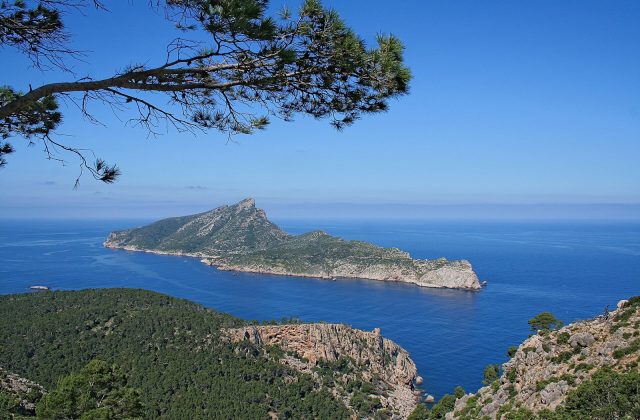
Dragonera is an uninhabited, dragon-shaped islet off the western tip of Mallorca, about 3 km long and protected as a…
7 tours & trips
Balearic Islands, Spain
Cabrera is an uninhabited island about 10 km south of Mallorca, the heart of a protected archipelago that forms one of…
5 tours & trips