Ibiza
Balearic Islands, Spain
Ibiza is the third-largest of the Balearic Islands, 577 square kilometres of pine hills, small coves and salt pans…
372 tours & trips
Spain · Mediterranean Sea · Beach island
Mallorca is the largest of the Balearic Islands, about 3,640 square kilometres of coast and mountains off eastern Spain, with Palma as its lively capital. Beyond the big resorts lie the Serra de Tramuntana, a UNESCO-listed range rising to 1,436 metres, stone villages, hundreds of coves and some of the best cycling roads in Europe.
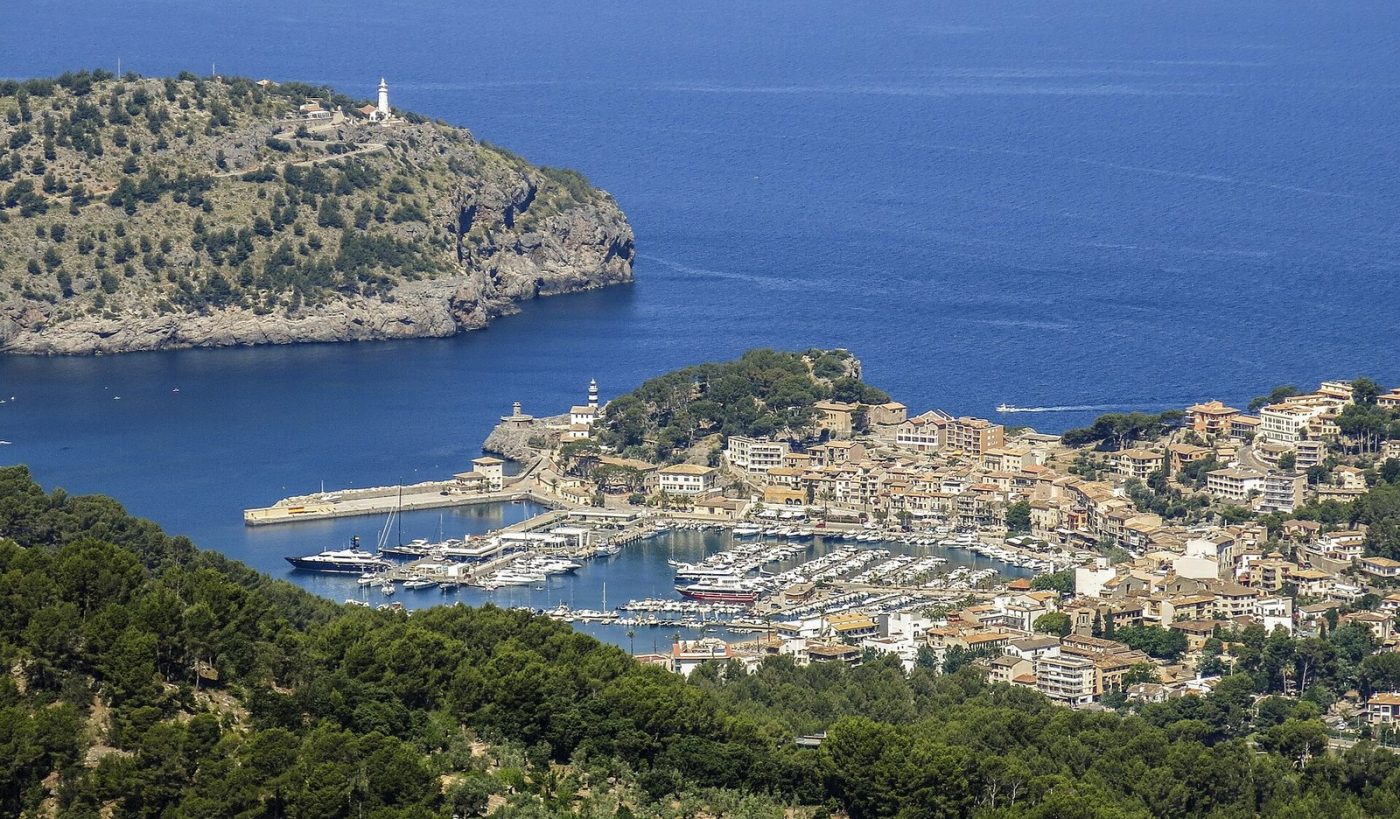
Photo: Vicenç Salvador Torres Guerola, CC BY-SA 3.0
| Getting there | Flights to Palma from all over Europe; overnight ferries from Barcelona and Valencia |
|---|---|
| Gateway | Palma airport; Barcelona or Valencia by ferry |
| Travel time | 2.5 h by air from London; about 8 h by ferry |
| Days | A week or more |
| Best months | May–June and Sep–Oct; Jul–Aug hot and crowded; Feb for almond blossom |
| Getting around | Rent a car; buses and trains from Palma; the Sóller train for the mountains |
| Booking | Cars, rooms and ferries for Jun–Sep; Drach caves and boat trips a few days ahead |
| Cost | Mid-range for Spain; Palma and the north-west pricier |
| Beaches | Sandy bays at Alcúdia and Es Trenc; turquoise coves on the east coast such as Mondragó |
| Sea | Mediterranean Sea |
| Archipelago | Balearic Islands |
| Area | 3,640 km² |
| Population | 949,047 (2024) |
| Highest point | 1,436 m (Puig Major) |
| Airport | Yes, scheduled flights |
| Car-free | No |
| UNESCO | Cultural Landscape of the Serra de Tramuntana |
| Checked | October 2026 |
Most of what is sold in Mallorca falls into four groups, and most visitors book one or two and drive themselves the rest of the time.
Coach tours from the resorts and Palma cover what is awkward without a car: the vintage wooden train from Palma through the mountains to Sóller, the tram down to the port and a boat or coach back, often with Valldemossa added. Others combine the Caves of Drach, with its underground lake and short concert, and a pearl factory near Manacor. Hotel pickup is the main convenience; cave and train tickets are usually included, lunch is not.
On the water, catamarans leave Palma, Alcúdia and the east-coast ports for a few hours with swimming stops, a buffet and drinks, and boats from Port de Sóller run along the cliffs to Sa Calobra or Sa Foradada. Glass-bottom boats sail from Port de Pollença and Alcúdia to Formentor beach. Private boats with a skipper are common and good value for a group.
Active options include guided hikes in the Tramuntana, sea kayaking into caves, cycling and diving, and wine and olive oil tastings fill the inland villages. A first visit is best served by the Sóller train day and one boat trip along the coast.
The Gothic cathedral, La Seu, rises straight above the old sea walls, and inside you can see the canopy over the altar reworked by Gaudí. Walk from there into the old quarter of courtyards and narrow lanes, past the Almudaina palace and the Arab baths, then out to the market in Santa Catalina. Round Bellver Castle, on a wooded hill, has the best view of the bay.
The range along the north-west coast is a landscape of terraced olive groves, stone villages and steep roads above the sea. Take the 1912 wooden train from Palma to Sóller, ride the tram to the port, and visit Valldemossa, where Chopin spent a winter in the old monastery. Deià, Fornalutx and the long-distance Dry Stone Route path are close by.
A road of hairpin bends drops from a mountain pass to the tiny bay of Sa Calobra, one of the great drives on the island, though coaches and cyclists crowd it by midday. From the bay a short path through tunnels in the rock leads to the pebble beach at the mouth of Torrent de Pareis, a deep gorge. Arriving by boat from Port de Sóller avoids the road.
The northern peninsula is a ridge of cliffs ending at a lighthouse, with viewpoints such as Es Colomer on the way. The road is narrow and busy in summer, so go early or take a boat from Port de Pollença to Formentor beach, a strip of pale sand under pines. Pollença old town, with 365 steps up to the Calvari chapel, is close by.
Near Porto Cristo, the Caves of Drach lead about a kilometre underground to one of the largest underground lakes in Europe, where a short classical concert is played from boats; timed tickets sell out in summer. South of here is the cove country: Cala Mondragó, Caló des Moro and Cala Varques, small inlets of white sand and turquoise water.
Our pick for each kind of trip, with live dates and prices. Free cancellation on most.
Best for: First visit: the train to Sóller
The vintage wooden train through the mountains and the tram down to the port, with the tickets and transfers handled, the best introduction to the Tramuntana.
Palma's airport, about 8 km east of the city, is one of the busiest in Spain, with flights of around two and a half hours from London, two hours from much of Germany and under an hour from Barcelona, and many extra low-cost routes from spring to October. Buses and taxis reach the centre of Palma in 15 to 20 minutes.
Ferries from Barcelona and Valencia to Palma take about seven to eight hours, including overnight sailings with cabins, and are the way to bring your own car. Shorter crossings link Palma with Ibiza, Alcúdia with Ciutadella on Menorca, and Dénia on the mainland with Palma by way of Ibiza. Cruise ships dock at Palma, a short bus ride from the cathedral.
A rental car is the easiest way to see the island, and distances are short: Palma to Sóller takes about 30 minutes through the tunnel, Palma to Alcúdia under an hour. The mountain roads are narrow, twisting and shared with large numbers of cyclists, and parking in Palma, Sóller and Valldemossa is hard in summer. Buses fan out from the intermodal station in Palma to most towns, and trains run to Inca, Sa Pobla and Manacor.
May, June, September and early October are the best months: a warm sea, long days and room on the beaches and trails. July and August are hot, often above 30 degrees, with the resorts full, the roads busy and prices at their peak; book cars and rooms early. The sea is warmest in August and September.
Winter is mild and green rather than warm. From November to March many coastal hotels close, especially in the north and east, but Palma stays lively, hiking is at its best and almond blossom turns the interior white in late January and February. Spring brings thousands of cyclists for training camps. The Sant Sebastià festival fills Palma in January, and almost every town holds a summer fiesta. A week covers Palma, the mountains and a few coves; two weeks let you hike properly.
Palma suits a short city stay or an off-season visit, with the best restaurants and the airport 15 minutes away. Sóller and Deià are the bases for walkers and mountain scenery. Pollença, Port de Pollença and Alcúdia in the north have long family beaches and calm water. The east coast around Cala d'Or and Porto Cristo is for coves, while Magaluf and S'Arenal near Palma are for parties. Rural estates inland offer peace and a pool.
Mallorca's prehistory is still visible in talayots, the stone towers of its Bronze Age people, at sites such as Capocorb Vell. Romans, Vandals and Byzantines followed, then three centuries of Moorish rule, when Palma was called Madina Mayurqa. In 1229 James I of Aragon took the island, and for a time it was the centre of an independent Kingdom of Majorca, which built the cathedral and Bellver Castle. Mass tourism arrived from the 1950s, turning fishing villages into resorts, and overtourism is now a live political issue.
Menorca is one to two hours by ferry from Alcúdia to Ciutadella, and Ibiza two to four hours from Palma, so the three islands make a good summer route. Barcelona is under an hour by air or a night by ferry. Cabrera, a protected island south of Mallorca, can be visited on a day boat from Colònia de Sant Jordi.
Flights to Palma from all over Europe; overnight ferries from Barcelona and Valencia.
From Palma airport; Barcelona or Valencia by ferry: 2.5 h by air from London; about 8 h by ferry.
A week or more.
May–June and Sep–Oct; Jul–Aug hot and crowded; Feb for almond blossom.
Rent a car; buses and trains from Palma; the Sóller train for the mountains.
Go if you want a historic capital, mountain walks and clear-water coves within an hour's drive. Skip it or choose Menorca if you want quieter beaches, smaller towns and no big party resorts.
Mid-range for Spain; Palma and the north-west pricier.
Sandy bays at Alcúdia and Es Trenc; turquoise coves on the east coast such as Mondragó.
Cars, rooms and ferries for Jun–Sep; Drach caves and boat trips a few days ahead.
Yes. Boat trips, guided tours and day trips for Mallorca can be booked online; live prices and free cancellation on most are shown on this page.
Balearic Islands, Spain
Ibiza is the third-largest of the Balearic Islands, 577 square kilometres of pine hills, small coves and salt pans…
372 tours & trips
Balearic Islands, Spain
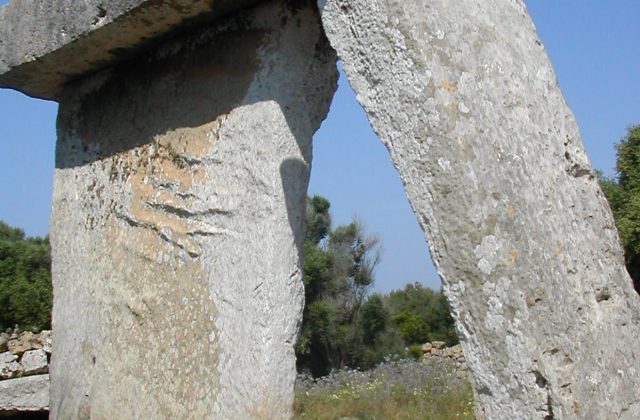
Menorca is the quiet, green northern neighbour of Mallorca, about 50 km long, a UNESCO Biosphere Reserve since 1993…
123 tours & trips
Balearic Islands, Spain
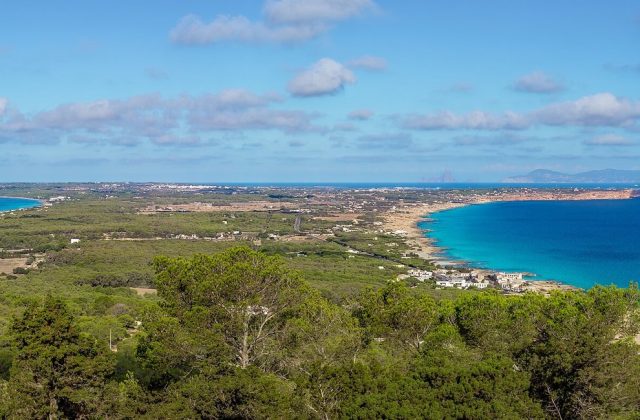
Formentera is the smallest and most southerly of the inhabited Balearic Islands, a flat island of 83 square kilometres…
85 tours & trips
Balearic Islands, Spain
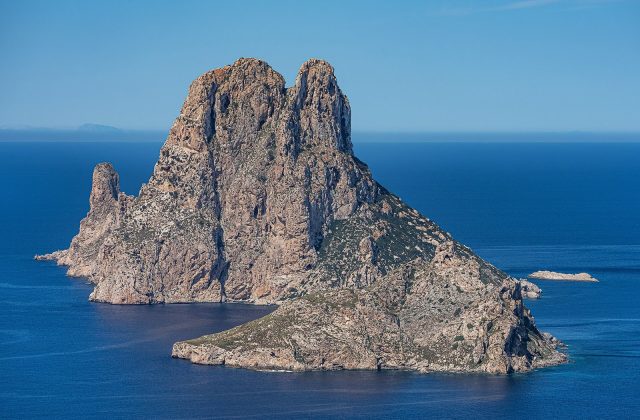
Es Vedrà is an uninhabited limestone rock rising 382 metres straight out of the sea about two kilometres off the…
19 tours & trips
Balearic Islands, Spain
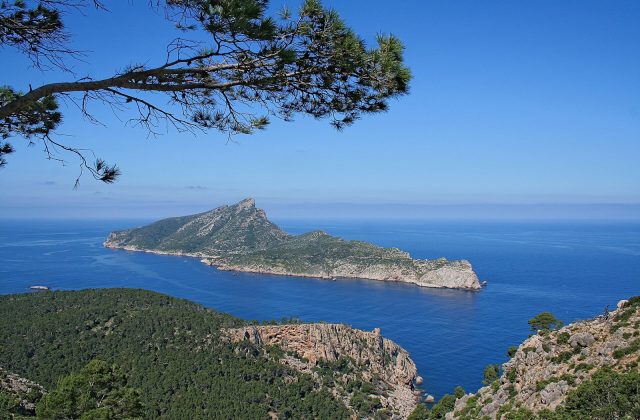
Dragonera is an uninhabited, dragon-shaped islet off the western tip of Mallorca, about 3 km long and protected as a…
7 tours & trips
Balearic Islands, Spain
Cabrera is an uninhabited island about 10 km south of Mallorca, the heart of a protected archipelago that forms one of…
5 tours & trips