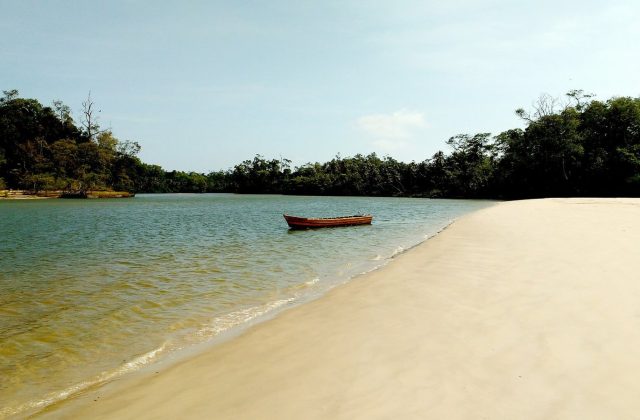
Marajó
Marajó Archipelago, Brazil
Marajó is the vast island at the mouth of the Amazon, about 40,000 square kilometres of savannah, mangrove and…
6 tours & trips
Brazil · Atlantic Ocean · Nature & wildlife island
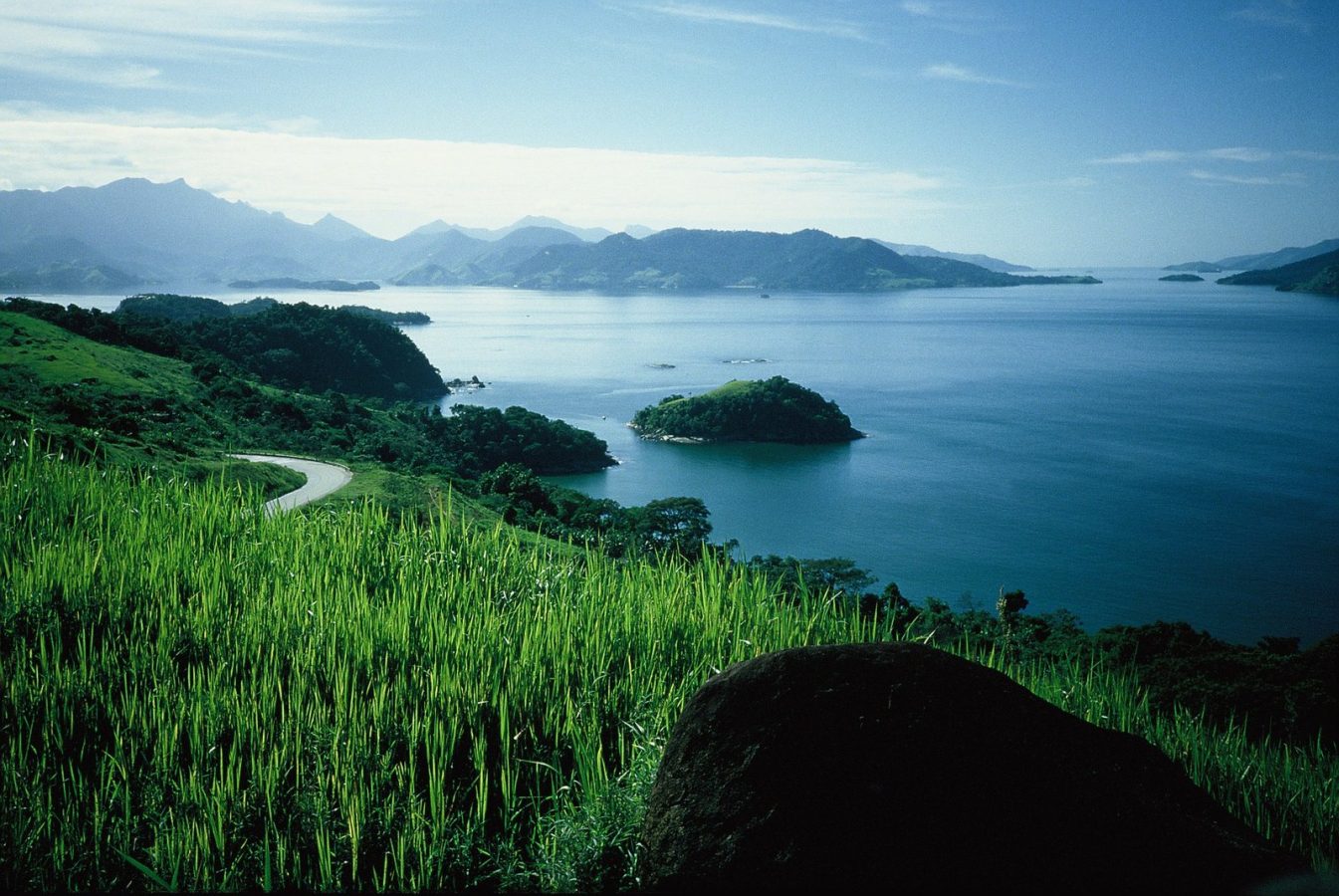
Ilha Grande is a mountainous, rainforest-covered island off the coast of Angra dos Reis, about 150 km west of Rio de Janeiro, with no cars and more than a hundred beaches. Its 193 square kilometres are almost all protected state park and part of a UNESCO World Heritage site, crossed by trails that link coves, waterfalls and the ruins of a notorious prison.
| Getting there | Boat from Conceição de Jacareí in 20 to 50 min or from Angra dos Reis in 1 to 1.5 h; Rio is about 3 h by road |
|---|---|
| Gateway | Rio de Janeiro, via Conceição de Jacareí or Angra |
| Travel time | About 3 h by road and boat from Rio |
| Days | 3 to 5 nights |
| Best months | Apr–June and Sep–Nov; Dec–Mar hot, rainy and crowded; Jun–Aug cooler |
| Getting around | Car-free: walk the forest trails or take boat taxis between beaches |
| Booking | Transfers from Rio and rooms for New Year, Carnival and holidays; boat tours a day ahead |
| Cost | Mid-range for Brazil; pricier at New Year and Carnival |
| Beaches | White-sand Lopes Mendes for surf; calm Lagoa Azul and Lagoa Verde for snorkelling; Aventureiro |
| Sea | Atlantic Ocean |
| Area | 193 km² |
| Population | 3,000 |
| Highest point | 1,031 m (Pico da Pedra d'Agua) |
| Airport | No |
| Car-free | Yes |
| UNESCO | Paraty and Ilha Grande – Culture and Biodiversity |
| Checked | October 2026 |
Most visitors stay at least two nights, and three kinds of product matter.
The first is the transfer. Shared vans from hotels in Rio, combined with a boat from Conceição de Jacareí or Angra dos Reis, take the hassle out of the journey; you pay one price, and the van and boat are timed to meet. Private transfers cost more but leave when you want.
The second is the boat tour from Vila do Abraão. Schooners and speedboats run half-day and full-day loops to the calm lagoons of the north coast, Lagoa Azul and Lagoa Verde, or south to Lopes Mendes and the open-sea beaches; a full circuit of the island takes most of a day. Masks are often provided, while lunch and the park fee for some beaches are usually extra.
The third is guided activity: hikes to Pico do Papagaio, Dois Rios and the waterfalls, scuba dives, cave visits and fishing.
Day trips from Rio exist but spend six hours on the road. The best plan is a transfer from Rio, three nights in Abraão, one boat tour and two days on the trails.
Often called one of Brazil's finest beaches, this 3 km sweep of fine white sand faces the open Atlantic on the south-east coast. Walk there on a forest trail of two to three hours from Abraão, or take a boat taxi to Pouso and walk 20 minutes over the hill. Waves suit surfers; there are no bars, so bring food.
On the sheltered north coast, two natural pools among rocks and small islets have calm, clear water full of fish. Boat tours from Abraão stop at both for snorkelling, often adding Saco do Céu, a mirror-calm inlet, and quiet beaches. Arrive early to avoid the busiest schooners, especially at weekends.
The main village, where the boats land, has sandy lanes, pousadas, restaurants and the only real nightlife, all within a few minutes' walk. It is the start of most trails. A 30-minute walk east leads to Praia Preta, the ruins of the old quarantine station and the stone aqueduct that supplied it, with a waterfall beyond.
The parrot-beaked peak behind Abraão rises to just under 1,000 metres and gives the finest view of the island and the bay. The climb takes about three hours up through dense forest on a steep, often muddy path; go with a local guide, start very early or at night for sunrise, and carry plenty of water.
On the south coast, Dois Rios was the site of a maximum-security penal colony closed in 1994. A small museum in the surviving buildings tells its story, and the beach between two rivers is wide and empty. It is reached by an unpaved track of about 12 km from Abraão, a long walk or a guided outing.
The south-west of the island is a strict reserve, and Aventureiro, a fishing village with a famous leaning palm on the beach, admits only a limited number of visitors. Getting there takes a long boat ride or a multi-day hike, so it suits travellers who want the wildest corner and simple campsites.
Our pick for each kind of trip, with live dates and prices. Free cancellation on most.
Best for: First visit, the lagoons by speedboat
The classic trip from Abraão to the clear, sheltered lagoons and coves of the north coast, with snorkelling stops, done faster and with fewer people than the big schooners.
Ilha Grande is reached by boat from three mainland ports. The quickest crossing is from Conceição de Jacareí, a small coastal village on the Rio to Santos road, where speedboats and slower schooners leave several times a day for Abraão, taking from about 20 to 50 minutes. From Angra dos Reis, a public ferry and faster private boats sail in roughly one to one and a half hours, and there are boats from Mangaratiba.
Rio de Janeiro is about two and a half to three hours by road from these ports. Shared vans with a connecting boat are the easiest option; long-distance buses also run to Angra. Cars cannot cross, so leave yours in a guarded car park at the port. The nearest international airport is in Rio.
There are no cars on Ilha Grande, apart from a few service vehicles, and no paved roads. You move on foot along a network of marked trails through the forest, which range from easy 30-minute strolls to full-day hikes, or by boat taxis from Abraão to the beaches, priced per trip. Trails are steep and muddy after rain, so bring proper shoes. Luggage is carried by hand or by porters with carts in the village, so pack light.
The most comfortable months are April to June and September to November, when it is warm, the sea is pleasant and the trails are drier and quieter. From December to March, the southern summer, it is hot and humid, heavy afternoon rain is common, and Brazilian holidaymakers fill the island, especially at New Year and Carnival, when prices rise and rooms must be booked months ahead.
June to August is the cooler, drier season, good for hiking, though the water is fresher and some days are grey. Heavy rain can cause landslides and close trails, so check conditions in the wet season. Weekends are always busier than weekdays because of visitors from Rio and São Paulo. Plan three nights at least, and five if you want the longer hikes and a boat tour.
Vila do Abraão has most of the pousadas, hostels and restaurants and is the practical base for boat tours and trails. For more peace, stay in the smaller bays of the north coast, such as Saco do Céu, Araçatiba or Bananal, where guesthouses arrange boat transfers and meals, or at Pouso, close to Lopes Mendes. Aventureiro offers basic campsites and village rooms for a wilder stay. Book outside Abraão only if you are happy to depend on boats.
Ilha Grande was home to Tupinamba peoples before Portuguese settlement, and its many hidden coves made it a refuge for pirates and, later, a landing place for smuggled slaves. In the late nineteenth century the government built a quarantine station at Abraão for ships arriving from abroad. Then, for most of the twentieth century, the island held prisons, culminating in the maximum-security colony at Dois Rios, and access was strictly controlled. Its closure in 1994 opened the island to tourism, while that long isolation explains why the forest survived.
Paraty, the colonial town that shares the UNESCO listing, is about two hours by road west of Angra dos Reis and pairs naturally with the island. A classic route runs Rio, Ilha Grande, then Paraty, with three nights in each. The bay of Angra dos Reis also has many smaller islands visited by schooner day trips.
Boat from Conceição de Jacareí in 20 to 50 min or from Angra dos Reis in 1 to 1.5 h; Rio is about 3 h by road.
From Rio de Janeiro, via Conceição de Jacareí or Angra: about 3 h by road and boat from Rio.
3 to 5 nights.
Apr–June and Sep–Nov; Dec–Mar hot, rainy and crowded; Jun–Aug cooler.
No. Ilha Grande is car-free. Car-free: walk the forest trails or take boat taxis between beaches.
Go if you want rainforest hikes, empty beaches and boat trips without cars, a few hours from Rio. Skip it or choose Paraty or Buzios if you want towns with nightlife, roads and comfortable hotels rather than walking and simple guesthouses.
Mid-range for Brazil; pricier at New Year and Carnival.
White-sand Lopes Mendes for surf; calm Lagoa Azul and Lagoa Verde for snorkelling; Aventureiro.
Transfers from Rio and rooms for New Year, Carnival and holidays; boat tours a day ahead.
Yes. Boat trips, guided tours and day trips for Ilha Grande can be booked online; live prices and free cancellation on most are shown on this page.
Marajó Archipelago, Brazil
Marajó is the vast island at the mouth of the Amazon, about 40,000 square kilometres of savannah, mangrove and…
6 tours & trips
Brazil
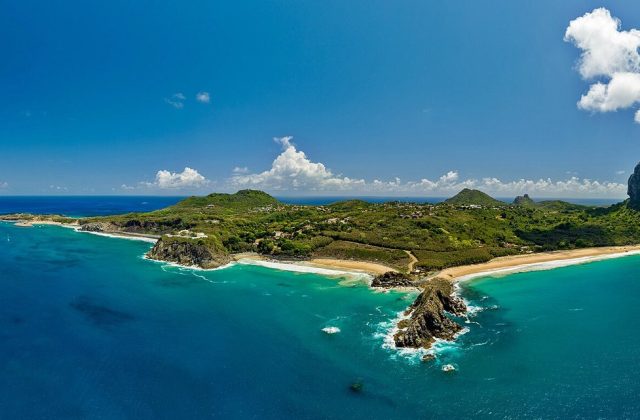
Fernando de Noronha is a volcanic archipelago of 21 islands 354 km off the coast of north-east Brazil, protected as a…
3 tours & trips
Brazil
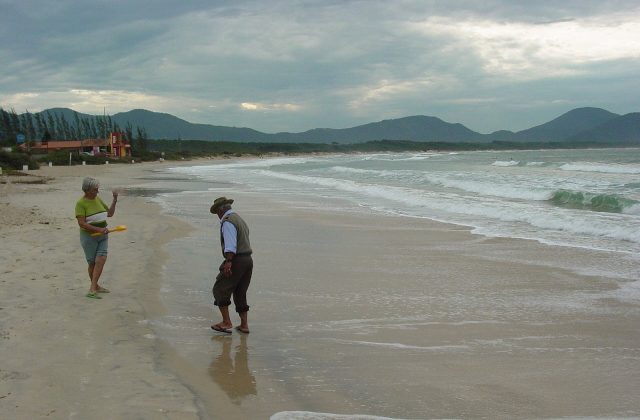
Santa Catarina Island is the 424-square-kilometre island off southern Brazil that holds Florianopolis, the capital of…
No tours listed
Brazil
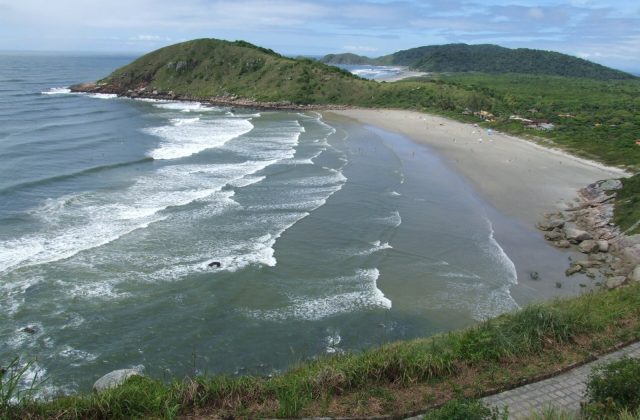
Ilha do Mel is a car-free island 4 km off the coast of Paraná in southern Brazil, where sandy paths link two fishing…
No tours listed
Brazil
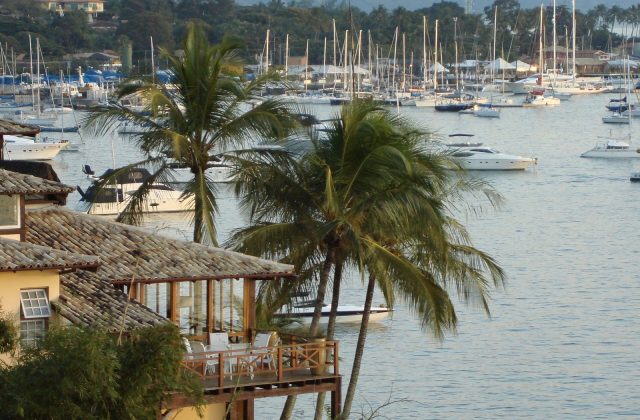
Ilhabela is a mountainous, forested island just off the coast of São Paulo state, a 15-minute ferry ride from São…
No tours listed