Oahu
Hawaiian Islands, United States
Oahu is the third-largest of the Hawaiian Islands and home to about a million people, two thirds of the state's…
331 tours & trips
United States · Pacific Ocean · Nature & wildlife island
Molokai is the quiet Hawaiian island between Oahu and Maui, 61 km long, with no traffic lights, no high-rise hotels and the highest sea cliffs in the United States along its north shore. It is for travellers who want old Hawaii, empty beaches and ranch country rather than resorts.
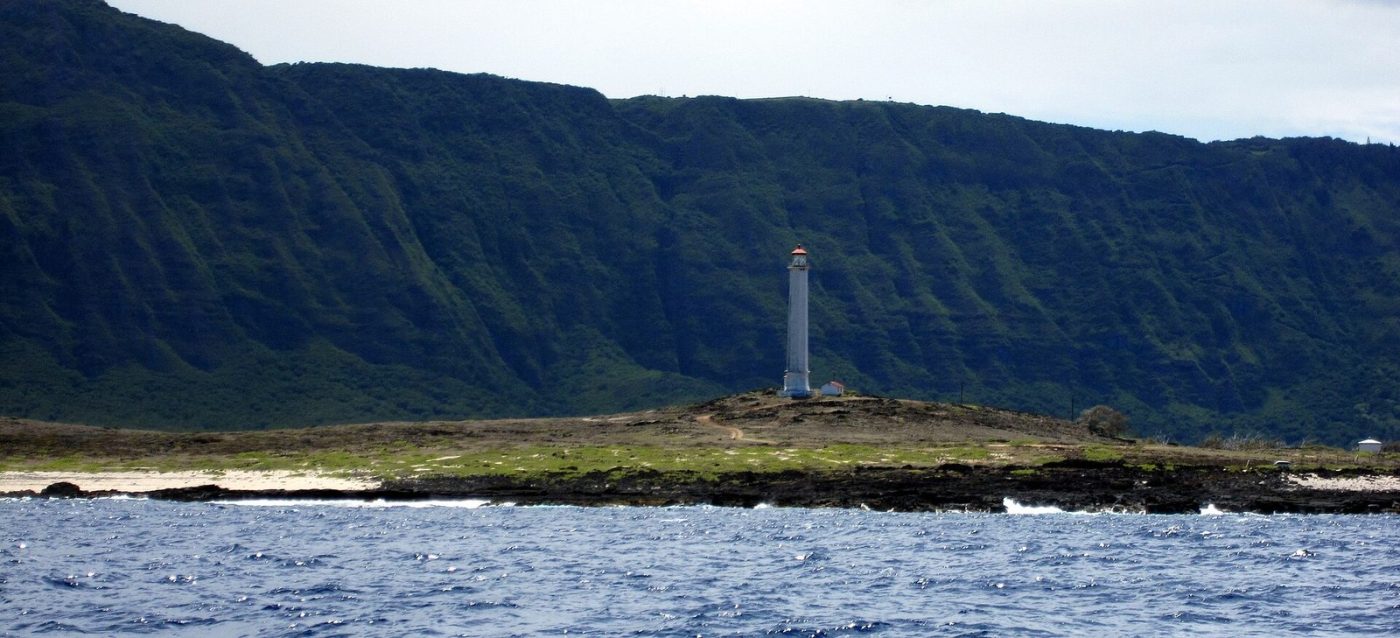
Photo: MahaloMichael, CC BY-SA 3.0
| Getting there | Small-plane flights from Honolulu in about 30 min and from Kahului on Maui; no passenger ferry |
|---|---|
| Gateway | Honolulu, or Kahului on Maui |
| Travel time | About 30 min by small plane |
| Days | 3 to 5 nights |
| Best months | Apr–Oct drier and calmer; big winter swells on the north shore |
| Getting around | Rent a car: there is little public transport and the sights are far apart |
| Booking | Rental car and flights before anything else; Halawa Valley walks a few days ahead |
| Cost | Mid-range for Hawaii, but few places to stay or eat |
| Beaches | Long white sand at Papohaku on the west end; sheltered south shore water for calm days |
| Sea | Pacific Ocean |
| Archipelago | Hawaiian Islands |
| Area | 673 km² |
| Population | 7,345 (2010) |
| Highest point | 1,512 m (Kamakou) |
| Airport | Yes, scheduled flights |
| Car-free | No |
| Checked | October 2026 |
Very little is sold online for Molokai itself, because the island has resisted mass tourism. The products you will find are helicopter flights from Kahului on Maui that cross the channel to the north shore of Molokai, where the sea cliffs and waterfalls are seen from the air, usually combined with the valleys of West Maui. They last from 45 minutes to about an hour, include a briefing and headsets, and are the only way to see that coast without a boat in calm summer seas.
On the island, what you arrange is local and small. Halawa Valley at the east end can only be walked with a local guide from a family that lives there; the walk leads through taro terraces and sacred sites to a waterfall and takes about four hours. Fishing charters, kayak trips along the fishponds of the south shore and snorkelling trips to the long fringing reef run from Kaunakakai, often on request rather than to a timetable.
Visits to Kalaupapa have been heavily restricted in recent years, so check with the national park before planning one.
If you are staying on Maui and only want a look, take the helicopter. If you want to understand the island, fly over, rent a car and stay three nights.
In Palaau State Park, a short walk through ironwood forest leads to a viewpoint over the Kalaupapa Peninsula, a flat tongue of lava some 500 metres below the cliffs. Here people with leprosy were sent into isolation from 1866. Information boards tell the story. A nearby trail leads to Kaule o Nanahoa, a sacred phallic stone.
The road along the east coast narrows into a single lane over the last kilometres and ends at Halawa, a deep green valley inhabited for well over a thousand years. The drive from Kaunakakai takes about 90 minutes. A guided walk follows the stream to a tall waterfall, and the bay at the mouth is beautiful but often rough for swimming.
The island's only real town is a single main street of wooden shopfronts, a grocery, a bakery famous for its late-night hot bread and a long pier into the lagoon. Come on Saturday morning for the market. West of town, the Kapuaiwa Coconut Grove was planted for a Hawaiian king in the 19th century and is best photographed from the road.
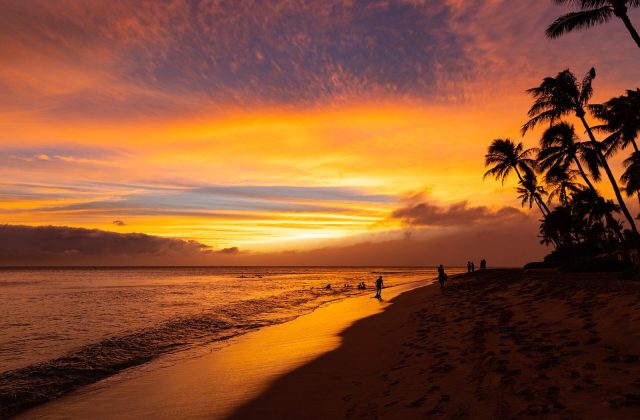
On the dry west end, Papohaku is one of the longest white-sand beaches in Hawaii, about 4 km long, and you may have it almost to yourself. It is beautiful at sunset with Oahu on the horizon, but the surf and currents are dangerous for much of the year, so swim only on very calm days.
East of Kaunakakai the coast road passes a chain of ancient Hawaiian fishponds, walled stone enclosures in the shallow lagoon where fish were raised for chiefs. Some are being restored by local groups. The road also passes small churches built by Father Damien. Stop at the pull-offs for views across to Lanai and Maui.
The mountains of the east rise to Kamakou at 1,512 metres, with a protected rainforest and boardwalk bog of native plants and birds. A rough dirt road climbs from near Kaunakakai to the Waikolu lookout over a deep valley; it needs a four-wheel-drive vehicle, dry weather and permission from the rental company.
Our pick for each kind of trip, with live dates and prices. Free cancellation on most.
Best for: The sea cliffs from the air
A helicopter flight from Maui is the only way to see the north shore cliffs and waterfalls of Molokai, which no road reaches.
Molokai has no passenger ferry since the service from Lahaina on Maui ended, so almost everyone flies. The small airport at Hoolehua, in the centre of the island, has several daily flights from Honolulu, which take about 30 minutes, and fewer flights from Kahului on Maui. The planes are small propeller aircraft with strict weight limits, so pack light and expect your bags to be weighed; long-haul visitors connect through Honolulu. Book the rental car together with the flight, because the island has only a small fleet and cars run out at busy times. There is no cruise traffic to speak of. The airport is about 15 minutes by car from Kaunakakai, and there is no regular bus into town.
A car is essential. The island has one main highway running east to west, with the airport and Kaunakakai in the middle, and reaching Halawa or the west end beaches takes around an hour or more each way. Rental cars are few, and a four-wheel drive is only needed for the upland forest road. There is very limited public transport and almost no taxis. Fill up in Kaunakakai, where the petrol stations are, and carry water and food, because services outside town are rare.
Molokai is warm all year, with daytime temperatures in the high 20s on the coast and cooler air in the uplands. The sea is around 24 to 27 degrees. April to October is the drier and calmer half of the year, with gentler surf on the west end and the best chance of clear views from the lookouts.
From November to March big swells pound the north and west coasts, making Papohaku dangerous, while showers are more frequent on the windward east; this is also the season of humpback whales in the channels, often seen from the shore. There is no real high season in the resort sense, and prices change little, but flights and cars fill around Christmas and on local holidays. The Molokai Hoe canoe race from Molokai to Oahu takes place each October. Three nights are enough for the main sights; stay longer only to slow down.
Kaunakakai is the practical base, with the one small hotel, a few guesthouses, the shops and the airport nearby, and it lies halfway between the two ends of the island. The west end, around Kaluakoi, has holiday condos close to Papohaku Beach and the best sunsets, but few services. The east end has a handful of cottages and vacation rentals along the coast road, the most peaceful choice for those who bring their own food. There are no large resorts anywhere on the island.
Molokai was settled by Polynesians many centuries ago and was known for its powerful priests and its fishponds. In 1866 the Hawaiian kingdom began exiling people with leprosy to the Kalaupapa Peninsula, cut off by sea cliffs; the Belgian priest Damien worked there from 1873, caught the disease and died in 1889, and he was made a saint in 2009. The settlement is now a national historical park. In the 20th century the island lived from ranching and pineapples, and when the largest ranch closed in 2008 its hotel and golf course closed with it. Most residents are of Native Hawaiian descent and have long opposed large-scale tourism.
Molokai is usually added to a stay on Maui or Oahu. Honolulu is about 30 minutes away by air and Kahului about 25, so three nights here fit between a city stay and Maui's beaches. Lanai, the small island to the south, can be reached by ferry from Lahaina on Maui, but there is no direct link from Molokai, so you go back through Maui.
Small-plane flights from Honolulu in about 30 min and from Kahului on Maui; no passenger ferry.
From Honolulu, or Kahului on Maui: about 30 min by small plane.
3 to 5 nights.
Apr–Oct drier and calmer; big winter swells on the north shore.
Rent a car: there is little public transport and the sights are far apart.
Go if you want a slow, rural Hawaiian island with empty beaches, history and almost no tourist industry. Skip it or choose Maui or Kauai if you want resorts, restaurants, organised activities and easy snorkelling beaches.
Mid-range for Hawaii, but few places to stay or eat.
Long white sand at Papohaku on the west end; sheltered south shore water for calm days.
Rental car and flights before anything else; Halawa Valley walks a few days ahead.
Yes. Boat trips, guided tours and day trips for Molokai can be booked online; live prices and free cancellation on most are shown on this page.
Hawaiian Islands, United States
Oahu is the third-largest of the Hawaiian Islands and home to about a million people, two thirds of the state's…
331 tours & trips
Hawaiian Islands, United States
Maui is the second-largest of the Hawaiian Islands, two volcanoes joined by a low isthmus in the middle of the Pacific.
241 tours & trips
Hawaiian Islands, United States
The Big Island, officially Hawaii Island, is the youngest and largest of the Hawaiian Islands, at 10,430 square…
149 tours & trips
Hawaiian Islands, United States
Kauai is the oldest and greenest of the main Hawaiian Islands, a 1,456-square-kilometre volcanic dome cut by Waimea…
67 tours & trips
Hawaiian Islands, United States
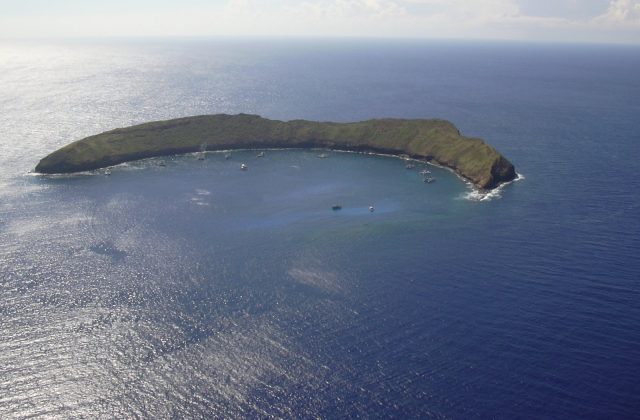
Molokini is a tiny crescent of a volcanic crater rim rising from the sea about 4 km off the south coast of Maui, with…
13 tours & trips
Hawaiian Islands, United States
Lanai is a small, quiet Hawaiian island across the channel from Maui, once covered in pineapple fields and now almost…
4 tours & trips