Okinawa
Ryukyu Islands, Japan
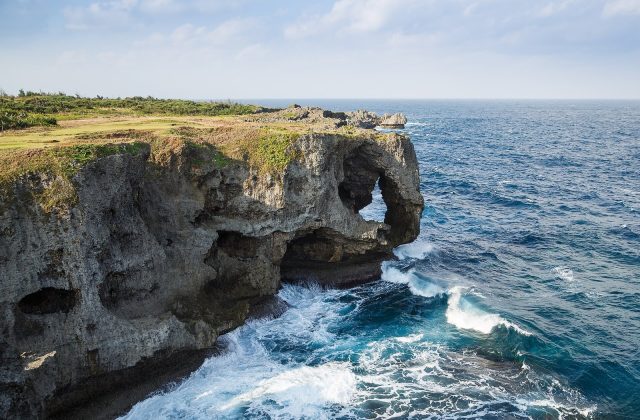
Okinawa is the main island of Japan's subtropical Ryukyu chain, about 106 km long and some 640 km south of Kyushu.
199 tours & trips
Japan · Seas of Japan & Korea · Historic island
Sado is a large, mountainous island in the Sea of Japan, about an hour by jetfoil from Niigata, where emperors, monks and poets were once sent into exile and gold was mined for four centuries. Today it is known for its UNESCO-listed gold mines, tub boats, Noh stages, sake breweries and the Kodo taiko drummers.
| Getting there | Jetfoil from Niigata to Ryotsu in about 65 min or car ferry in 2.5 h; seasonal ferry Naoetsu to Ogi |
|---|---|
| Gateway | Niigata (jetfoil or car ferry to Ryotsu) |
| Travel time | About 65 min by jetfoil, 2.5 h by car ferry |
| Days | 1 to 2 nights |
| Best months | Apr–Jun and Sep–Nov; Earth Celebration drum festival in Aug; winter cold, windy |
| Getting around | Rent a car; local buses link the main towns but are slow and infrequent |
| Booking | Rooms and ferries for the August festival; jetfoil seats on holiday weekends |
| Cost | Mid-range for Japan, cheaper than Tokyo or Kyoto |
| Beaches | Rocky coast with small sand beaches near Aikawa and Sawata; swimming in July and August |
| Sea | Seas of Japan & Korea |
| Area | 855 km² |
| Population | 51,492 (2020) |
| Highest point | 1,172 m (Mount Kinpoku) |
| Ferry | 1 h 5 min from Niigata (jetfoil or car ferry to Ryotsu) |
| Airport | No |
| Car-free | No |
| UNESCO | Sado Island Gold Mines |
| Checked | October 2026 |
Little is packaged for Sado compared with the big Japanese sights, and most visitors travel on their own by ferry and rental car, adding a guided activity or two on the island.
The guided options are small and local. Bike tours of three hours to a full day, on ordinary or electric bikes, follow quiet roads through the central plain, past rice terraces, temples and the breeding centre of the crested ibis, sometimes with lunch. Sake breweries in Mano and Ryotsu offer tours and tastings, and a few cooking classes teach sushi with local fish. For those short of time, private guided days from Niigata include the jetfoil, a driver and the main sights, at a high price.
Most of the island's best moments need no booking: the gold mine galleries in Aikawa have their own guided routes and tickets on site, the tub boats at Ogi take you out on a whim, and glass-bottom boats sail into Senkaku Bay. Sightseeing buses run set routes in summer with Japanese commentary.
The simplest plan is to rent a car at Ryotsu, spend a day in Aikawa and the north, and a day around Ogi and Shukunegi, adding a brewery visit on the way.
On the west coast, the mountain above Aikawa is split in two by centuries of digging, a dramatic cut called Doyu no Warito. Walk the old Sodayu tunnel, where mechanical figures show Edo-period miners at work, and the Meiji-era galleries next to it. The site was inscribed by UNESCO in 2024. Allow half a day with the town.
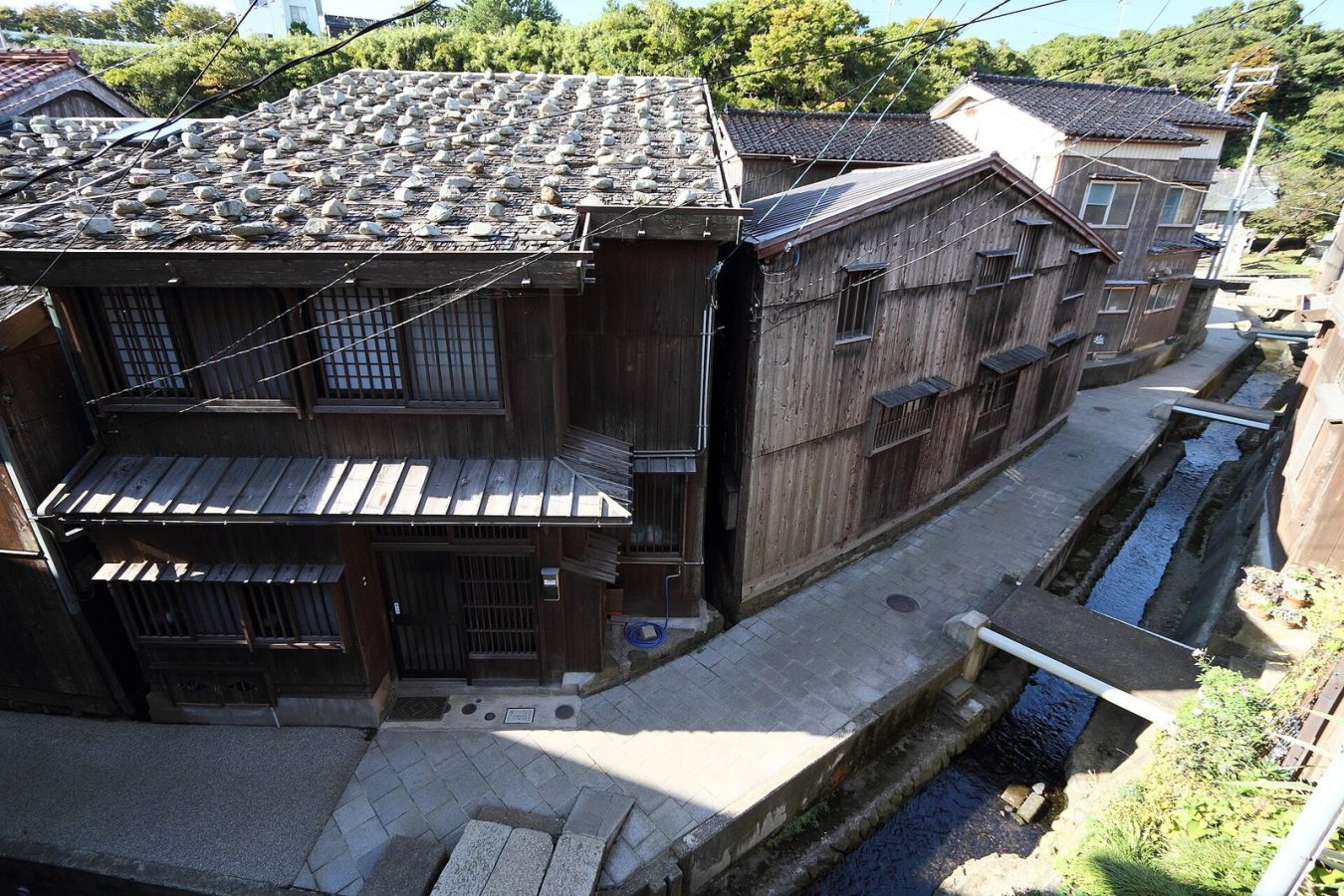
In the south, women in traditional dress paddle round wooden tub boats, once used to gather shellfish among the rocks; you can try steering one yourself in the harbour or in the coves of Yajima. A few kilometres west, Shukunegi is a tightly packed village of wooden shipbuilders' houses with narrow lanes and stone steps.
North of Aikawa the Osado coast becomes wild, with cliffs, sea stacks and rock arches. Senkaku Bay has a cliff-top park and glass-bottom boats that sail beneath the rocks. The coast road continues to the northern tip of the island and the rock formations at Futatsugame, a full scenic day by car.
Sado is the last home of the Japanese crested ibis, which died out in the wild and has been reintroduced from captive breeding. In a forest park in the central plain you can watch the birds through glass in a large aviary. Wild ones are now seen in the rice fields around, pale pink in flight.
Sado has more than thirty Noh stages, many in shrine grounds, with free outdoor performances on some summer evenings. Mano, on the bay of the same name, has the tomb of the exiled Emperor Juntoku, temples linked to the monk Nichiren and sake breweries. Ask at the tourist office for the performance schedule.
The Osado range peaks at 1,172 metres with Mount Kinpoku. From late April to June wildflowers cover the ridge, and well-marked trails lead from the Donden plateau along the crest with views of both coasts. A hike takes most of the day; arrange a taxi or bus for the descent.
Our pick for each kind of trip, with live dates and prices. Free cancellation on most.
Best for: First visit, by e-bike
A guided electric bike ride through rice fields, shrines and coastal villages with lunch, an easy way to see rural Sado without driving on the left.
The main route is from Niigata, reached from Tokyo in about two hours by shinkansen. From the Sado Kisen terminal, a short bus or taxi ride from Niigata station, jetfoils cross to Ryotsu in about 65 minutes several times a day, and large car ferries take about two and a half hours and are cheaper, with open carpet areas and cabins. In winter, sailings are fewer and the jetfoil can be cancelled in rough seas.
A second route links Naoetsu, further down the coast and convenient from Nagano or Kanazawa, with Ogi in the south; it runs on a reduced schedule outside summer. Bringing a car on the ferry costs a lot, so most visitors rent one at Ryotsu. There are no flights to Sado at present.
Sado is large, over 850 square kilometres, and the sights are spread around its long coastline, so a rental car is by far the best option; Japan drives on the left and an international permit is required. Roads are quiet and well kept. Local buses link Ryotsu, Sawata, Aikawa and Ogi, but services are slow and infrequent, especially in winter. Cycling suits the flat central plain.
Spring and autumn are the best seasons: from April to June the cherry blossom and then the mountain wildflowers, mild weather and green rice fields; from September to November clear days and autumn colours in the hills. Summer is warm and humid, good for swimming and festivals. The Earth Celebration in Ogi in August, hosted by the Kodo drummers, draws visitors from around the world, so book rooms well ahead.
Winter brings cold winds from Siberia, grey skies and snow in the mountains; many sightseeing boats close, and ferries are less frequent and sometimes cancelled. Japanese holidays such as Golden Week in early May and mid-August are busiest. One night is the minimum to cover the island without rushing; two is better.
Ryotsu, the ferry port on the east coast, is practical for arrivals and has hotels and onsen inns along Lake Kamo. Aikawa on the west coast is closest to the gold mine and the cliffs of Senkaku, with seaside ryokan and sunsets over the sea. Ogi in the south suits visitors coming via Naoetsu and those attending the summer festival. Traditional inns usually include dinner with local seafood.
Because it was remote and hard to leave, Sado was used for centuries as a place of exile for people who fell out with the court: the Emperor Juntoku in the thirteenth century, the Buddhist monk Nichiren and the Noh master Zeami. They left temples, legends and a strong Noh tradition. Gold and silver were found in Aikawa around 1601, and the shogunate's mine became one of the richest in the world, worked by convicts and labourers in harsh conditions. Mining ended in 1989.
Niigata is the natural start, with its sake breweries and seafood, two hours by shinkansen from Tokyo. From Naoetsu, the second ferry port, you can continue to the mountains of Nagano or west to Kanazawa by train. The rice-growing coast of Niigata Prefecture and the onsen towns inland make a quiet week in rural Japan.
Jetfoil from Niigata to Ryotsu in about 65 min or car ferry in 2.5 h; seasonal ferry Naoetsu to Ogi.
From Niigata (jetfoil or car ferry to Ryotsu): about 65 min by jetfoil, 2.5 h by car ferry.
1 to 2 nights.
Apr–Jun and Sep–Nov; Earth Celebration drum festival in Aug; winter cold, windy.
Rent a car; local buses link the main towns but are slow and infrequent.
Go if you want rural Japan with a deep history, coastal drives, good seafood and sake, and very few foreign visitors. Skip it or choose Iriomote if you want warm seas, coral beaches and jungle in a subtropical setting. With about 1 h 5 min each way from Niigata (jetfoil or car ferry to Ryotsu), a day trip is easy to do.
Mid-range for Japan, cheaper than Tokyo or Kyoto.
Rocky coast with small sand beaches near Aikawa and Sawata; swimming in July and August.
Rooms and ferries for the August festival; jetfoil seats on holiday weekends.
Yes. Boat trips, guided tours and day trips for Sado Island can be booked online; live prices and free cancellation on most are shown on this page.
Ryukyu Islands, Japan
Okinawa is the main island of Japan's subtropical Ryukyu chain, about 106 km long and some 640 km south of Kyushu.
199 tours & trips
Japan
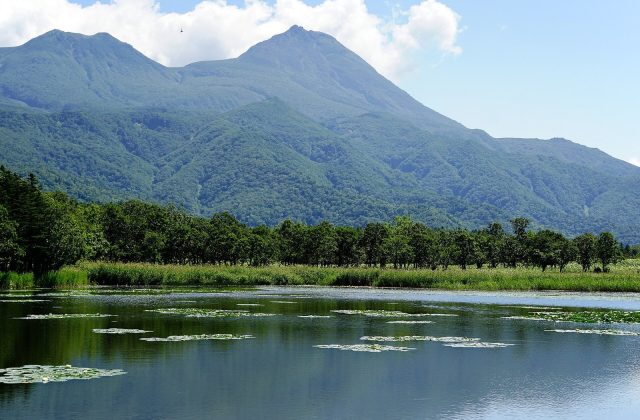
Hokkaido is the northernmost and second-largest of Japan's main islands, almost 78,000 square kilometres of…
84 tours & trips
Japan
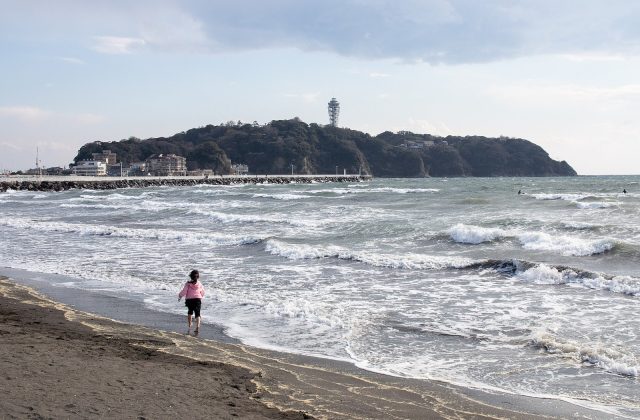
Enoshima is a small, wooded island about 4 km round in Sagami Bay, joined by a bridge to the beach town of Katase,…
61 tours & trips
Yaeyama Islands, Japan
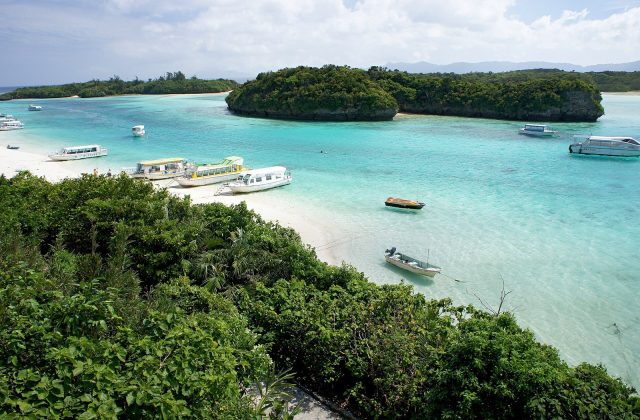
Ishigaki is a subtropical island in the far south of Japan, about 400 km south-west of Okinawa's main island and…
55 tours & trips
Miyako Islands, Japan
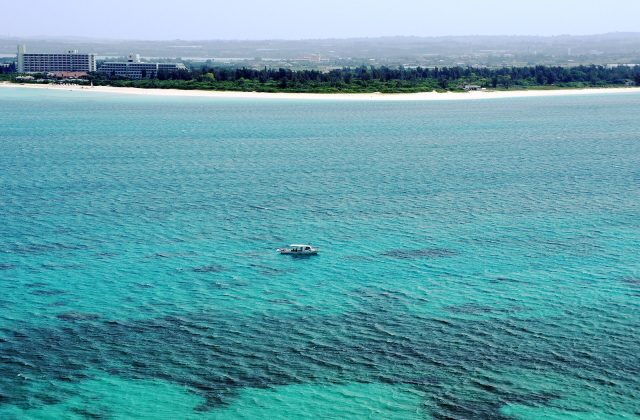
Miyakojima is a flat limestone island of about 159 square kilometres in Okinawa, some 300 km south-west of the main…
38 tours & trips
Japan
Awaji Island is the largest island in the Seto Inland Sea, about 592 square kilometres of farmland, coast and low hills…
22 tours & trips