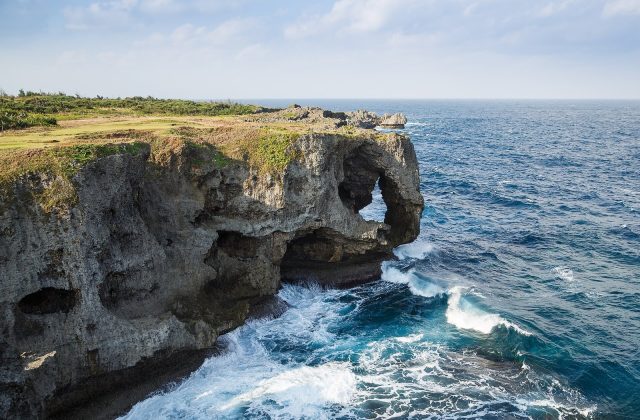
Okinawa
Ryukyu Islands, Japan
Okinawa is the main island of Japan's subtropical Ryukyu chain, about 106 km long and some 640 km south of Kyushu.
199 tours & trips
Japan · Seas of Japan & Korea · Nature & wildlife island
Hokkaido is the northernmost and second-largest of Japan's main islands, almost 78,000 square kilometres of volcanoes, lakes, farmland and forest with over a fifth of the country's land but only about 5 million people. It is Japan's great outdoors: powder snow and drift ice in winter, lavender fields, hot springs and mountain hiking in summer.
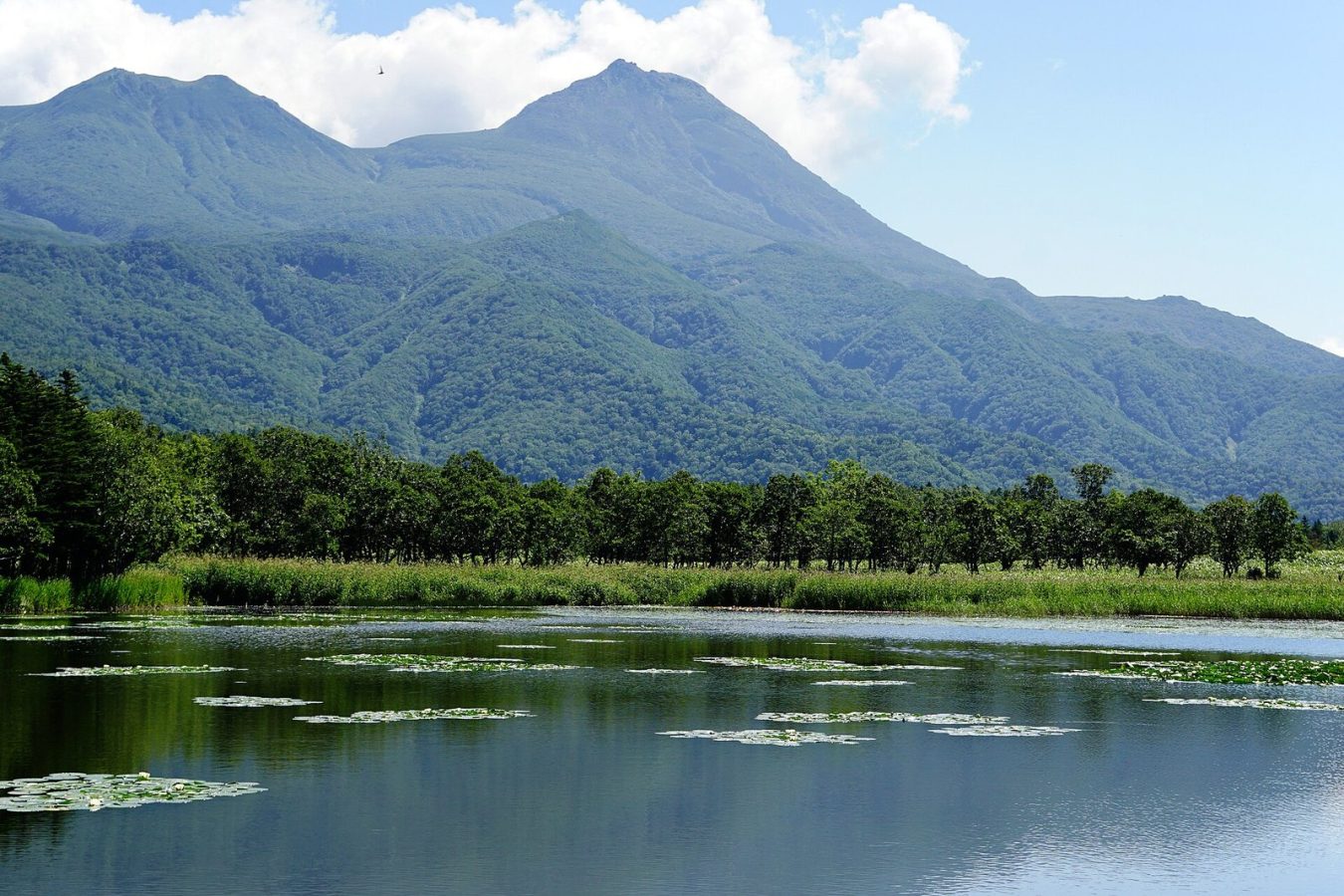
Photo: 663highland, CC BY 2.5
| Getting there | 1.5-h flight from Tokyo to New Chitose (Sapporo), or the shinkansen through the Seikan Tunnel to Hakodate |
|---|---|
| Gateway | Sapporo (New Chitose airport) |
| Travel time | 1.5 h by air from Tokyo, or 4 h by shinkansen to Hakodate |
| Days | A week or more |
| Best months | Jun–Sep for hiking and flowers; Dec–Mar for snow; late Sep–Oct for autumn colour |
| Getting around | Trains between the cities; rent a car for the national parks and the east |
| Booking | Ski lodgings and Snow Festival rooms months ahead; Furano in July early |
| Cost | Mid-range for Japan; ski resorts and Niseko are dear |
| Beaches | Not a beach island: cold sea; a few summer beaches near Otaru and on the south coast |
| Sea | Seas of Japan & Korea |
| Area | 77,984 km² |
| Population | 5.4 million (2015) |
| Highest point | 2,291 m (Asahidake) |
| Airport | Yes, scheduled flights |
| Car-free | No |
| UNESCO | Shiretoko |
| Checked | October 2026 |
Hokkaido is big, so most sold trips are long day tours from Sapporo, with a few from Asahikawa, Furano and Lake Toya.
The most popular run in three directions. North-east to the farmland of Furano and Biei for flower fields, the Blue Pond and often Asahiyama Zoo; south-west to the volcano country of Lake Toya, Mount Showa-shinzan and the hot springs of Noboribetsu; and west to the canal town of Otaru, the Yoichi distillery and the Shakotan coast. They are bus or van tours of ten to eleven hours with a guide; entry tickets are often included, lunch usually not. Private cars with driver cost much more but let a family set its own stops, and suit autumn leaves at Jozankei.
Seasonal trips are the second group: drift ice by icebreaker at Mombetsu in February, snowmobiles and snowshoe walks in winter, guided hikes in the Daisetsuzan and around Niseko in summer, birdwatching and canoeing in the east. Ainu culture visits to Upopoy and Nibutani, winery and food tours, and bar hopping in Sapporo fill the rest.
With a week, take trains and rent a car rather than tour daily; book one Furano or Toya day if you are not driving.
The capital is a modern grid city with Odori Park through the centre, the Susukino nightlife district, a beer museum and some of Japan's best ramen and crab. In early February the Snow Festival fills the park with ice sculptures. Otaru, 40 minutes by train, adds an old canal lined with stone warehouses, glass workshops and sushi bars.
Two to three hours north-east of Sapporo, the hills of Biei roll in stripes of wheat, potatoes and flowers, and Furano's farms are famous for lavender in July. The Blue Pond, coloured by minerals, is a short drive from Biei. In winter Furano becomes a ski resort with dry snow and fewer foreigners than Niseko.
The largest national park in Japan covers the volcanic mountains in the centre of the island, including Asahidake, the highest peak at 2,291 metres. A ropeway lifts you to steaming vents and alpine meadows for easy walks, and fit hikers can cross the plateau. Autumn colours arrive here first, in early to mid-September, and the snow by October.
South of Sapporo, Lake Toya fills a round caldera with an island in the middle and the young volcano of Showa-shinzan, born in a farmer's field in the 1940s, on its shore. Noboribetsu, 40 minutes away, is the island's best-known hot spring town, with the sulphur valley of Jigokudani steaming above the hotels.
The wild Shiretoko peninsula in the far north-east is a UNESCO World Heritage Site, with brown bears, five lakes on a boardwalk and boat trips along the cliffs. It is five to six hours' drive from Sapporo, so give it two nights. In February, drift ice from the Sea of Okhotsk packs the coast near Abashiri and Mombetsu.
The southern port, first stop for the shinkansen from Honshu, has a hillside of 19th-century churches and consulates, the star-shaped Goryokaku fort and a busy morning fish market. Take the ropeway up Mount Hakodate after dark for the famous view of the city lights spread across the narrow isthmus between two bays.
Our pick for each kind of trip, with live dates and prices. Free cancellation on most.
Best for: Flower fields of Furano and Biei
A day through the rolling farmland of central Hokkaido with the flower farms, the Blue Pond and a melon stop, best from June to September.
Most visitors fly. New Chitose airport, 40 minutes by train from Sapporo, has flights of about an hour and a half from Tokyo's Haneda and Narita, frequent links to Osaka and other Japanese cities, and direct services from much of East and South-East Asia. Smaller airports at Hakodate, Asahikawa, Kushiro and Memanbetsu help when exploring the east.
By rail, the Hokkaido Shinkansen runs from Tokyo through the 54-km Seikan Tunnel under the Tsugaru Strait to Shin-Hakodate-Hokuto in about four hours; continuing to Sapporo by limited express adds roughly three and a half. Rail passes cover the route. Long-distance car ferries cross from Aomori to Hakodate in under four hours, and overnight ships sail from Honshu ports to Tomakomai and Otaru, useful if you bring a car.
Trains link Sapporo with Otaru, Asahikawa, Furano, Hakodate, Kushiro and Abashiri, and a regional rail pass can pay off, but services thin out in the east and the national parks have few buses. Renting a car is the best way to see the countryside; roads are good and quiet, though distances are long and winter driving on snow and ice needs experience. An international driving permit is required. Inside Sapporo, the subway and trams work well.
Summer, from June to September, is the season for hiking, flowers and road trips: Hokkaido has no real rainy season, the air stays fresher than in Tokyo, and lavender peaks in July. Autumn colour starts in the mountains in mid-September and reaches Sapporo by late October.
Winter is long and snowy, from December to March, with temperatures well below zero inland. This is the time for skiing at Niseko, Rusutsu and Furano, the Sapporo Snow Festival in early February and drift ice on the Okhotsk coast from late January to early March. April and May are the in-between months, with melting snow and cherry blossom in early May. Prices and crowds peak in the Chinese New Year, Golden Week, July to August and the ski season. Allow at least a week.
Sapporo is the practical base for the first days, with the most hotels and day trips. For summer touring, move on to Furano or Biei for the farmland and Daisetsuzan, and spend nights at a hot spring inn at Noboribetsu, Lake Toya or Sounkyo. Hakodate deserves a night of its own. In winter, skiers base themselves in Niseko, which has the most English and the highest prices, or in quieter Furano and Rusutsu.
For centuries Hokkaido, then called Ezo, was the land of the Ainu, who lived from hunting, fishing and trade, while the Matsumae clan held a Japanese foothold at the southern tip. After the Meiji Restoration in 1869 the island was annexed and renamed, and settlers, former samurai and farmers poured in under a colonisation office that hired American advisers. That is why Sapporo has a grid plan, a clock tower and a brewery. The Ainu were pushed aside; the national museum at Upopoy, opened in 2020, now tells their story.
Hakodate links Hokkaido with northern Honshu, so many travellers come up by shinkansen through Aomori and the Tohoku region and fly home from Sapporo. Tokyo is an hour and a half away by air. Offshore, the islands of Rishiri and Rebun in the far north can be reached by ferry from Wakkanai in summer for flowers and hiking.
1.5-h flight from Tokyo to New Chitose (Sapporo), or the shinkansen through the Seikan Tunnel to Hakodate.
From Sapporo (New Chitose airport): 1.5 h by air from Tokyo, or 4 h by shinkansen to Hakodate.
A week or more.
Jun–Sep for hiking and flowers; Dec–Mar for snow; late Sep–Oct for autumn colour.
Trains between the cities; rent a car for the national parks and the east.
Go if you want Japanese food, hot springs and wild nature, or the best powder snow in Asia. Skip it or choose Kyushu or Okinawa if you want temples and warm seas, or if you only have a few days in Japan.
Mid-range for Japan; ski resorts and Niseko are dear.
Not a beach island: cold sea; a few summer beaches near Otaru and on the south coast.
Ski lodgings and Snow Festival rooms months ahead; Furano in July early.
Yes. Boat trips, guided tours and day trips for Hokkaido can be booked online; live prices and free cancellation on most are shown on this page.
Ryukyu Islands, Japan
Okinawa is the main island of Japan's subtropical Ryukyu chain, about 106 km long and some 640 km south of Kyushu.
199 tours & trips
Japan
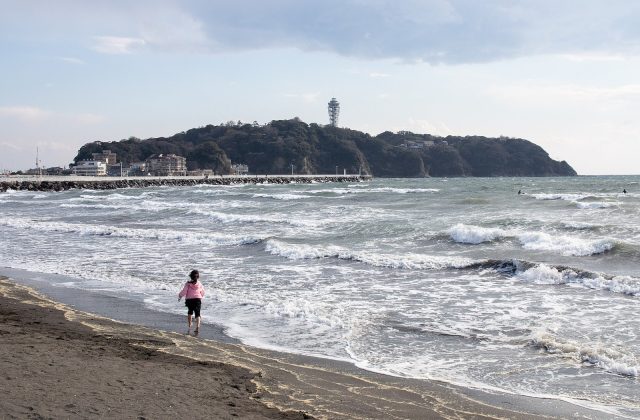
Enoshima is a small, wooded island about 4 km round in Sagami Bay, joined by a bridge to the beach town of Katase,…
61 tours & trips
Yaeyama Islands, Japan
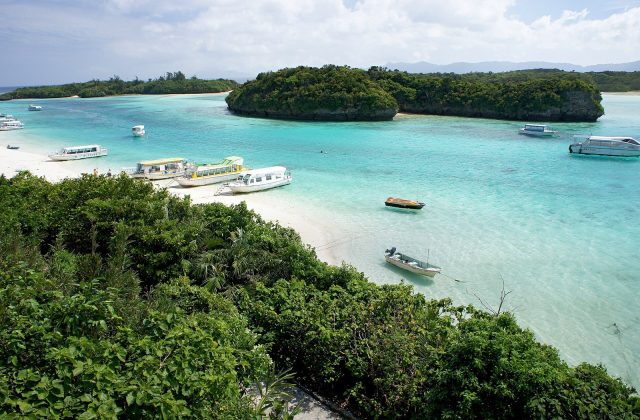
Ishigaki is a subtropical island in the far south of Japan, about 400 km south-west of Okinawa's main island and…
55 tours & trips
Miyako Islands, Japan
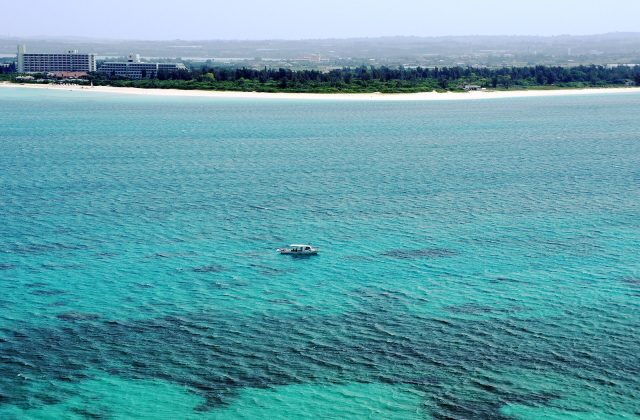
Miyakojima is a flat limestone island of about 159 square kilometres in Okinawa, some 300 km south-west of the main…
38 tours & trips
Japan
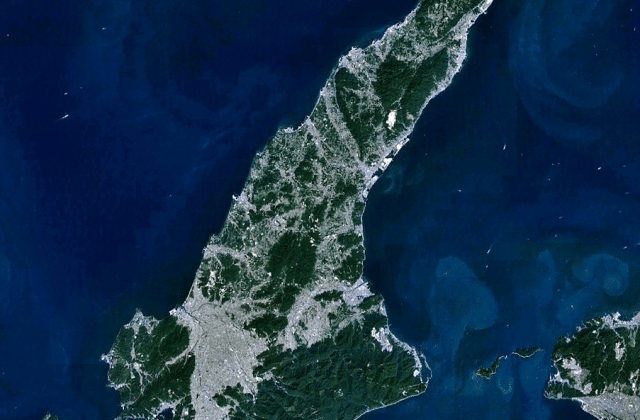
Awaji Island is the largest island in the Seto Inland Sea, about 592 square kilometres of farmland, coast and low hills…
22 tours & trips
Japan
Kyushu is the third-largest and southernmost of Japan's four main islands, covering about 36,800 square kilometres…
22 tours & trips