Iriomote
Yaeyama Islands, Japan
Iriomote is the largest of Japan's Yaeyama Islands, a mountainous island of subtropical jungle and mangrove rivers…
12 tours & trips
Japan · Seas of Japan & Korea · Beach island
Ishigaki is a subtropical island in the far south of Japan, about 400 km south-west of Okinawa's main island and closer to Taiwan than to Tokyo. It is the hub of the Yaeyama Islands, with coral reefs, mangrove rivers, a turquoise bay at Kabira and Mount Omoto, at 525 metres the highest peak in Okinawa Prefecture.
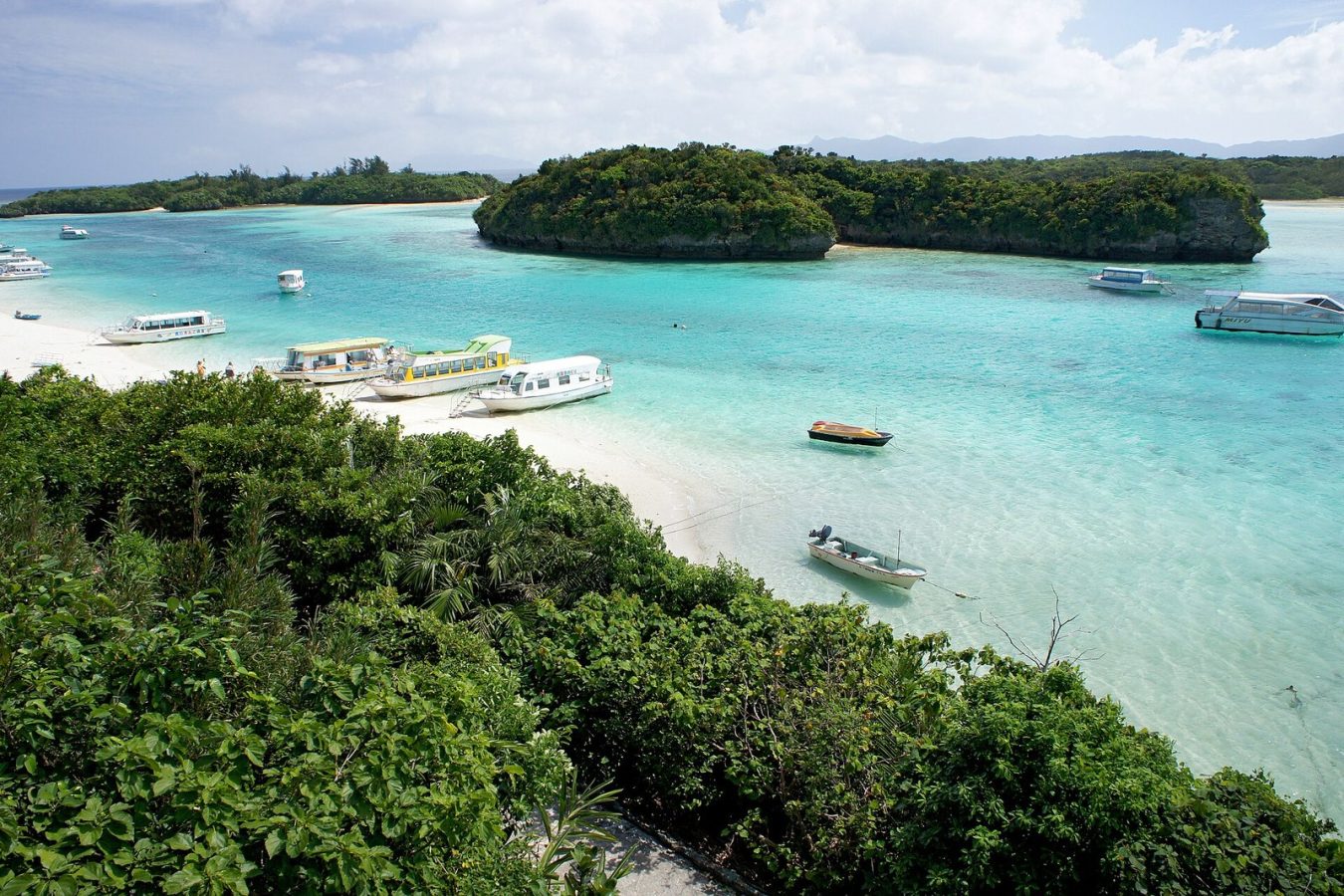
Photo: 663highland, CC BY 2.5
| Getting there | Direct flights to New Ishigaki Airport from Tokyo, Osaka and Naha; no ferry from Okinawa Island |
|---|---|
| Gateway | Ishigaki airport; flights from Tokyo or Naha |
| Travel time | About 1 h by air from Naha; 3.5 h from Tokyo |
| Days | 3 to 5 nights |
| Best months | Apr–Jun and Oct–Nov; rainy May–Jun; typhoon risk Aug–Sep |
| Getting around | Rent a car; buses circle the island; ferries to the outer islands from the port |
| Booking | Flights and rooms ahead for Golden Week, Obon and summer; tours a day or two ahead |
| Cost | Mid-range by Japanese standards |
| Beaches | White coral sand: Yonehara for snorkelling, Sukuji for families; no swimming in Kabira Bay |
| Sea | Seas of Japan & Korea |
| Archipelago | Yaeyama Islands |
| Area | 222 km² |
| Population | 47,666 (2007) |
| Highest point | 525 m (Mount Omoto) |
| Airport | Yes, scheduled flights |
| Car-free | No |
| Checked | October 2026 |
Ishigaki's tours are short, well organised and mostly on the water, and nearly all include hotel pickup.
Snorkelling trips are the most popular. Half-day outings visit the Blue Cave on the north-west coast, where light shines blue into a sea cave, or coral sites where turtles feed. Boat trips go to a sandbar between the islands of Kohama and Taketomi, which appears at low tide, and to reefs off Iriomote. Wetsuits, masks, fins and photographs are usually included, and many trips welcome children.
Ishigaki is one of the best places in Japan to dive with manta rays, which gather at cleaning stations off the north-west coast, and dive centres run fun dives and beginner try-dives.
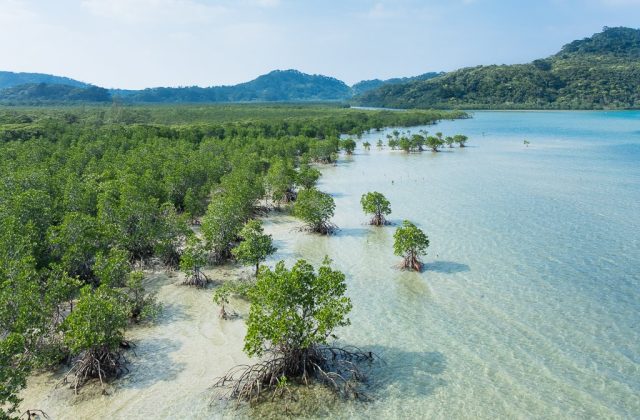
Paddling tours by kayak or stand-up paddleboard explore the mangroves of the Miyara and Fukido rivers or the shore near Kabira, with sunrise and sunset versions. Other options include night walks for insects, fireflies and stars, private car tours of the island, fishing trips, cooking classes and short helicopter flights over the reefs. Combined days add a ferry to Taketomi.
For a first visit, book the Blue Cave snorkel or the sandbar trip, and keep a day for the ferries to the outer islands.
On the north-west coast, about 40 minutes by car from town, this sheltered bay of pale sand, green islets and water of every shade of blue is the island's best-known view. Swimming is forbidden because of currents and boat traffic, so take a glass-bottom boat over the coral and turtles, then walk up to the viewpoint above the beach.
A short way east of Kabira, guided snorkellers swim into a sea cave where the light glows blue. Nearby, Yonehara beach has coral starting a few metres from the sand, with clownfish and giant clams, but it has strong currents, so stay inside the reef and snorkel at high tide. There are no lifeguards outside summer.
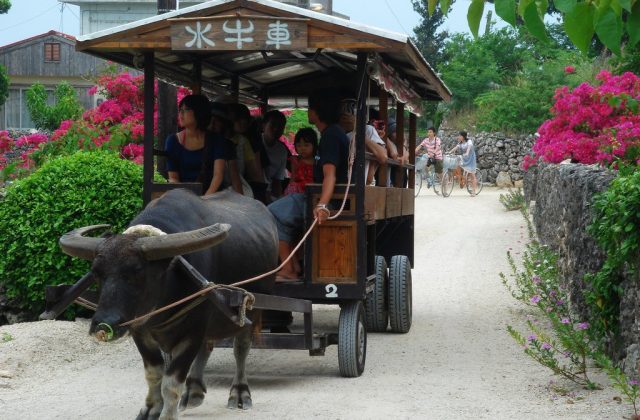
A 15-minute ferry from Ishigaki port brings you to this small, flat island with a village of red-tiled houses, coral stone walls and sandy lanes, protected as a traditional townscape. Ride a water buffalo cart, rent a bicycle to reach Kondoi beach for a swim, and stay for the sunset at the western pier when day visitors leave.
The forested mountain in the centre of the island is the highest point in Okinawa, with a short trail to a view of the reefs. Further north, the road leads to the Tamatorizaki viewpoint over the east coast, and to the Hirakubo lighthouse on the northern tip. The north is quiet and green, best explored by car.
The town on the south coast is the island's centre, with a covered market selling local fruit, fish and pottery, restaurants serving Ishigaki beef, and the Miyara Donchi house, an old samurai residence with a garden of coral rock. The Yaeyama Museum explains local history and the 1771 tsunami. Evenings bring small bars with live island music.
Our pick for each kind of trip, with live dates and prices. Free cancellation on most.
Best for: First visit, the Blue Cave
A guided snorkel into a sea cave on the north-west coast, where the light turns the water bright blue, followed by time on the reef.
New Ishigaki Airport, about 30 minutes by road from the town, has direct flights from Tokyo of about three and a half hours, from Osaka and Nagoya, and from Naha on Okinawa Island in about an hour. A few international routes, mainly to Taiwan and Hong Kong, come and go. Airport buses run to the town centre and the port, and car rental companies meet arrivals.
There is no passenger ferry from Okinawa Island or the rest of Japan, so a flight is the only practical way in.
From the island terminal in Ishigaki port, high-speed ferries run frequently to Taketomi, Iriomote, Kohama and Kuroshima, and less often to Hateruma. Cruise ships also call, and passengers come ashore near the town.
A rental car is the easiest way to see the island; you need a Japanese licence or an international permit, and driving is on the left on quiet, well-kept roads. Local buses leave from the terminal opposite the port and run to Kabira, Yonehara and the north, but they are infrequent. Taxis are easy to find in town. Bicycles work in town and on Taketomi but the hills make longer rides hard.
April to June and October to November are the most pleasant months, warm enough for swimming with fewer crowds. The rainy season usually runs from about early May to late June, with grey days and showers but rarely all-day rain. The sea is warm enough to swim from April to November.
July and August are hot, humid and the busiest, especially during Obon in mid-August, and prices rise. Typhoons are most likely from August to October and can stop ferries and flights for a day or two; leave some slack in your plans.
Golden Week at the start of May fills hotels with Japanese holidaymakers. Winter, December to February, is mild but often cloudy and windy, with few swimmers. Three to five nights allow for two or three tours and a day on the outer islands.
Ishigaki town, near the port, is the most practical base, with hotels, guesthouses, restaurants and bars, the bus terminal and ferries to the outer islands. The west and north-west coasts, around Kabira, Sukuji and Yonehara, have resorts and small inns close to beaches and reefs, and suit those with a car. To wake up in a traditional village, spend a night on Taketomi.
The Yaeyama Islands developed their own culture and language. Around 1500 a local chief, Oyake Akahachi, led a revolt against the Ryukyu Kingdom based on Okinawa, which crushed it and took control. In 1771 a great tsunami swept over the island, killing thousands; huge coral boulders it threw ashore can still be seen. Japan annexed the Ryukyus in 1879, and after the Second World War the islands were under American rule until 1972. Today Ishigaki lives from tourism, sugar cane, pineapples and its prized beef.
Ishigaki is the starting point for the Yaeyama Islands. Taketomi is 15 minutes away by ferry, Iriomote, with its jungle rivers and waterfalls, about 45 minutes, and Kohama and Kuroshima under 30 minutes. Hateruma, the southernmost inhabited island of Japan, takes about an hour. Miyako lies a short flight away, and Naha on Okinawa Island an hour by air.
Direct flights to New Ishigaki Airport from Tokyo, Osaka and Naha; no ferry from Okinawa Island.
From Ishigaki airport; flights from Tokyo or Naha: about 1 h by air from Naha; 3.5 h from Tokyo.
3 to 5 nights.
Apr–Jun and Oct–Nov; rainy May–Jun; typhoon risk Aug–Sep.
Rent a car; buses circle the island; ferries to the outer islands from the port.
Go if you want coral reefs, manta rays and day trips to traditional small islands without leaving Japan. Skip it if you want ancient temples, big-city life or a cheap beach holiday, and stay on the mainland.
Mid-range by Japanese standards.
White coral sand: Yonehara for snorkelling, Sukuji for families; no swimming in Kabira Bay.
Flights and rooms ahead for Golden Week, Obon and summer; tours a day or two ahead.
Yes. Boat trips, guided tours and day trips for Ishigaki can be booked online; live prices and free cancellation on most are shown on this page.
Yaeyama Islands, Japan
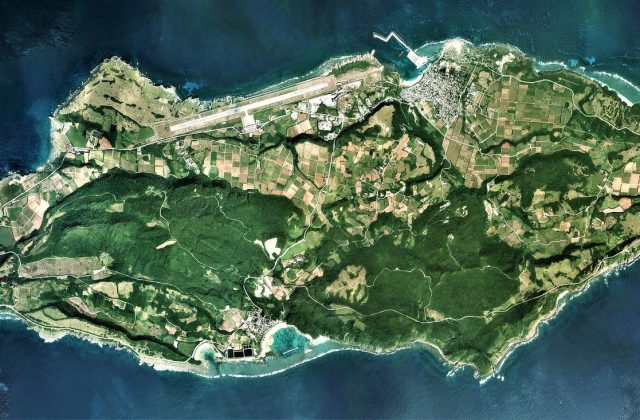
Iriomote is the largest of Japan's Yaeyama Islands, a mountainous island of subtropical jungle and mangrove rivers…
12 tours & trips
Yaeyama Islands, Japan
Taketomi is a tiny, flat coral island 4 km south of Ishigaki in Okinawa's Yaeyama group, with a single village of…
9 tours & trips
Yaeyama Islands, Japan
Yonaguni is the westernmost island of Japan, a hilly island of about 29 square kilometres in the Yaeyama group, just…
2 tours & trips