Oahu
Hawaiian Islands, United States
Oahu is the third-largest of the Hawaiian Islands and home to about a million people, two thirds of the state's…
331 tours & trips
United States · Caribbean Sea · Beach island
Sanibel is a low barrier island off Fort Myers on Florida's Gulf coast, reached by a causeway and famous for the seashells that pile up on its beaches. Strict building rules keep it free of high-rises, and more than half the island is protected wildlife land, including a large refuge for wading birds.
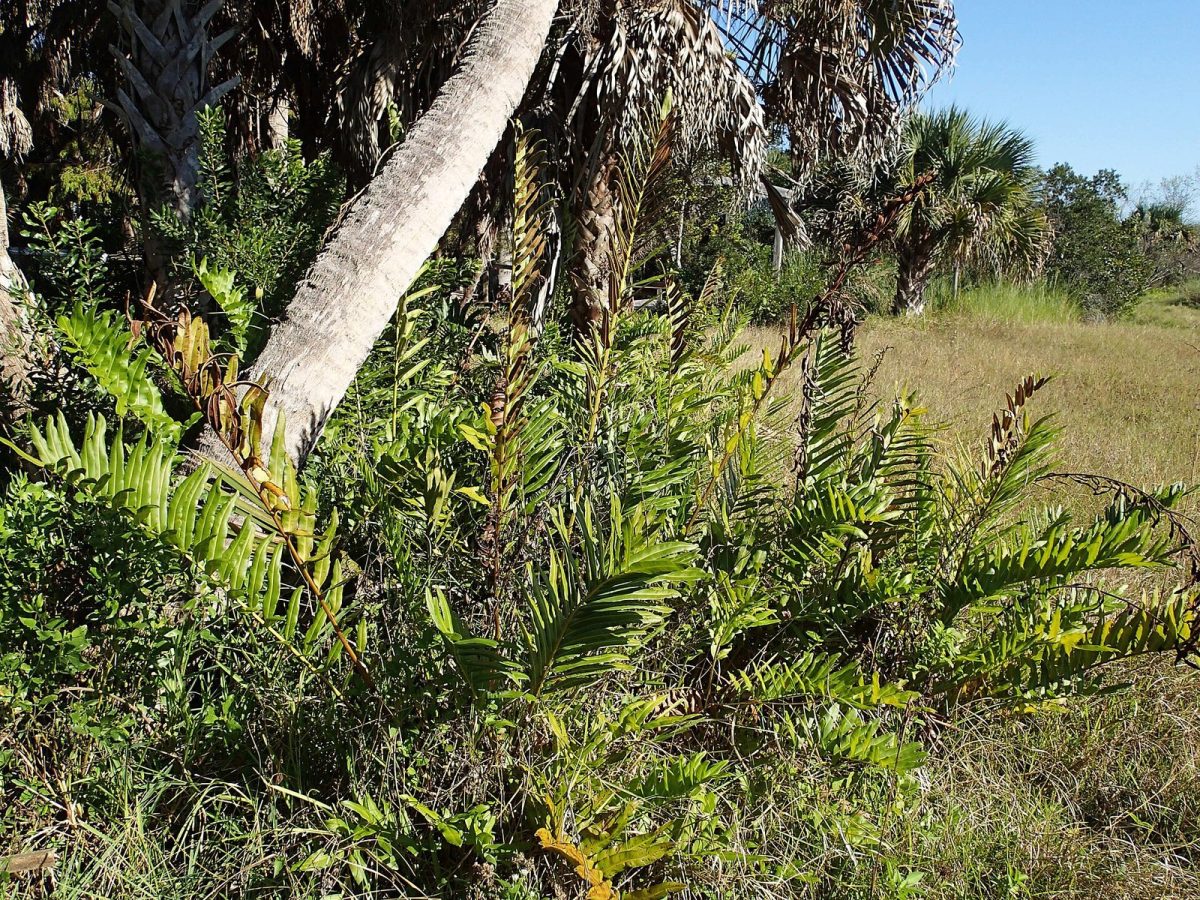
Photo: James St. John, CC BY 2.0
| Getting there | Drive over the toll causeway from Fort Myers; about 40 min from Southwest Florida International Airport |
|---|---|
| Gateway | Fort Myers (Sanibel Causeway) |
| Travel time | About 40 min by car from the airport |
| Days | 3 to 5 nights |
| Best months | Dec–Apr dry and mild; hot, humid summers; hurricanes Jun–Nov |
| Getting around | Car or bike; about 40 km of shared-use paths run along the main roads |
| Booking | Rooms and rentals months ahead for Feb–Apr; bikes and boat trips a day or two ahead |
| Cost | Expensive, even by Florida standards |
| Beaches | Shell-strewn white sand on the Gulf side; Bowman's and Lighthouse Beach, Blind Pass for shells |
| Sea | Caribbean Sea |
| Airport | No |
| Car-free | No |
| Bridge | Road bridge or causeway to the mainland |
| Checked | October 2026 |
Sanibel is an island you mostly explore on your own, and few of the things worth doing are sold online.
The two products that are sold in advance are bike rental, including electric bikes, and guided jet-ski rides in the bays between the island and the mainland. Bike rental includes a helmet and a lock, and many shops deliver to your accommodation; for a longer stay, renting by the week is cheaper. Jet-ski rides last one to two hours, need no licence for the guided version and often find dolphins.
Most other activities are arranged locally. Kayak and paddleboard tours explore the mangrove channels of the national wildlife refuge with a naturalist, and tram tours drive the refuge's Wildlife Drive with commentary. Shelling cruises go to nearby uninhabited islands where shells pile up, and sunset and dolphin cruises leave from the marinas on Sanibel and Captiva. Fishing charters target tarpon and snook in season.
Full-day trips to the Everglades with an airboat ride are sold from Fort Myers and Naples, and pick up visitors on the island.
The plan for most visitors is to rent bikes for the whole stay, add a refuge kayak tour and one boat trip.
The national wildlife refuge covers much of the bay side of the island, a world of mangroves and shallow water full of birds: roseate spoonbills, herons, egrets, ibis and pelicans. Drive, cycle or walk the one-way Wildlife Drive at low tide, when the birds feed. The drive is closed on Fridays.
Thanks to its east-west orientation, Sanibel catches shells swept in by the Gulf, and beaches such as Bowman's in the west are covered in them after storms and at low tide. Look for whelks, conchs, scallops and the rare junonia. Collecting live shells is banned. Come early in the morning.
At the eastern tip, an iron lighthouse from the 1880s stands above a beach with a fishing pier and views across to Fort Myers Beach. It is a good place to watch dolphins, swim in the calmer water of the bay side and catch the sunrise. Parking is paid and fills early in season.
The national shell museum, inland on the main road, explains where the shells on the beach come from and shows hundreds of species from around the world, with live tanks of molluscs. It takes an hour or two, helps you identify your finds and is a good option on a rainy or very hot afternoon.
At the northwest end, a short bridge over Blind Pass leads to Captiva, a narrower island with a small village, colourful restaurants and sunsets over the Gulf. Blind Pass itself is good for shells and fishing. Boats from Captiva go to the islands of Cabbage Key and Cayo Costa, which can only be reached by water.
Our pick for each kind of trip, with live dates and prices. Free cancellation on most.
Best for: Exploring the island on two wheels
An electric bike makes light work of the long flat paths to the beaches, the lighthouse and the wildlife refuge, even in the heat.
Sanibel is reached by car over the Sanibel Causeway, a toll road about 5 km long that crosses San Carlos Bay from the mainland south of Fort Myers. The toll is paid only when entering the island. The causeway was badly damaged by Hurricane Ian in 2022 and rebuilt within weeks, but storms can still close it, so check before travelling.
The nearest airport is Southwest Florida International at Fort Myers, about 40 minutes by car, with flights from across the United States and seasonal flights from Canada and Europe. Tampa and Miami are about two and a half to three hours away by road. There is no public bus to the island; rent a car at the airport or book a shuttle or taxi.
Sanibel is about 20 km long and flat, with one main road and a network of shared-use paths of about 40 km beside it, so cycling is the pleasantest way to get around. A car is useful for arriving, shopping and reaching Captiva, but traffic is heavy in season and beach parking costs money. There is no public transport on the island. Golf carts and electric bikes can be rented, and some hotels lend bicycles to guests.
December to April is the main season: dry, sunny and mild, with daytime temperatures in the 20s and cool evenings. February to April is the busiest and most expensive time, when northern visitors arrive and roads are full. The Gulf is cool in winter but warms to around 25 degrees by May.
From June to September it is hot and humid, with afternoon thunderstorms most days and the water near 30 degrees; prices fall and the beaches are empty, but mosquitoes and no-see-ums can be fierce near the mangroves. Hurricane season runs from June to November, with the highest risk from August to October; recent hurricanes caused serious damage, and some businesses are still rebuilding.
The best shelling comes after storms and at the lowest tides. Three to five nights give time for beaches, the refuge and a boat trip.
Most accommodation is in low-rise beach resorts, condos and cottages along the Gulf side, especially along West Gulf Drive and the eastern end near the lighthouse. The east end is close to the causeway, shops and restaurants and suits those who want convenience. The west end is quieter and closer to Bowman's Beach and the refuge. Captiva, across Blind Pass, suits couples who want sunsets and a village feel. Many visitors rent a house or condo by the week.
The Calusa people lived around these islands for centuries, building shell mounds and living from fish and shellfish, before disease and conflict after Spanish contact destroyed them. Homesteaders farmed the island in the late 19th century, and the lighthouse went up in the 1880s. The opening of the causeway in 1963 brought development, but residents voted to incorporate the island as a city in 1974 to limit growth, keep buildings low and protect wetlands. The refuge is named after the cartoonist and conservationist Jay Norwood Darling, who campaigned to protect it.
Sanibel pairs well with Captiva next door and with day trips by boat to Cabbage Key and Cayo Costa. Fort Myers, with the winter estates of Thomas Edison and Henry Ford, is half an hour away, and Naples is about an hour to the south. The Everglades and the Ten Thousand Islands make a good full-day excursion.
Drive over the toll causeway from Fort Myers; about 40 min from Southwest Florida International Airport.
From Fort Myers (Sanibel Causeway): about 40 min by car from the airport.
3 to 5 nights.
Dec–Apr dry and mild; hot, humid summers; hurricanes Jun–Nov.
Car or bike; about 40 km of shared-use paths run along the main roads.
Go if you want quiet beaches, shelling, cycling and birdwatching on a family-friendly island without high-rise hotels. Skip it or choose Fort Myers Beach or Siesta Key if you want nightlife, a lively beach scene or lower prices.
Expensive, even by Florida standards.
Shell-strewn white sand on the Gulf side; Bowman's and Lighthouse Beach, Blind Pass for shells.
Rooms and rentals months ahead for Feb–Apr; bikes and boat trips a day or two ahead.
Yes. Boat trips, guided tours and day trips for Sanibel can be booked online; live prices and free cancellation on most are shown on this page.
Hawaiian Islands, United States
Oahu is the third-largest of the Hawaiian Islands and home to about a million people, two thirds of the state's…
331 tours & trips
Hawaiian Islands, United States
Maui is the second-largest of the Hawaiian Islands, two volcanoes joined by a low isthmus in the middle of the Pacific.
241 tours & trips
Florida Keys, United States
Key West is the coral island at the end of the Florida Keys, joined to the mainland by the Overseas Highway and closer…
160 tours & trips
Hawaiian Islands, United States
The Big Island, officially Hawaii Island, is the youngest and largest of the Hawaiian Islands, at 10,430 square…
149 tours & trips
Hawaiian Islands, United States
Kauai is the oldest and greenest of the main Hawaiian Islands, a 1,456-square-kilometre volcanic dome cut by Waimea…
67 tours & trips
United States
Galveston is a 43-km barrier island on the Texas Gulf Coast, an hour's drive south-east of Houston across a…
53 tours & trips