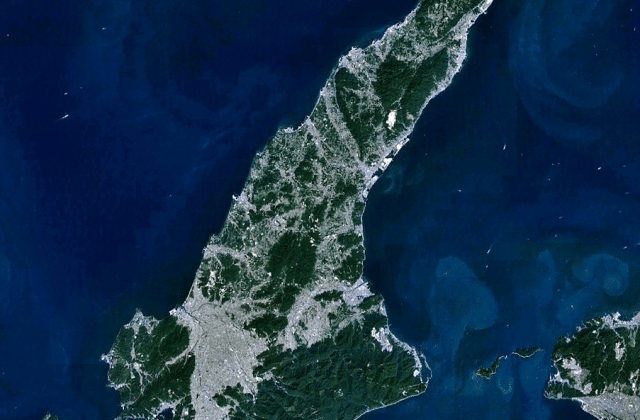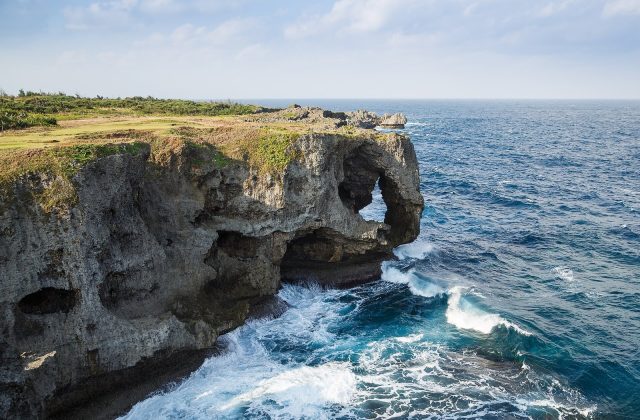
Okinawa
Ryukyu Islands, Japan
Okinawa is the main island of Japan's subtropical Ryukyu chain, about 106 km long and some 640 km south of Kyushu.
199 tours & trips
Japan · Seas of Japan & Korea · Historic island
Shikoku is the smallest and least visited of Japan's four main islands, a mountainous land of castles, hot springs, deep river gorges and the famous circuit of 88 Buddhist temples. It is joined to Honshu by three bridge routes and rewards a week of slow travel with fewer crowds than Kyoto or Tokyo.
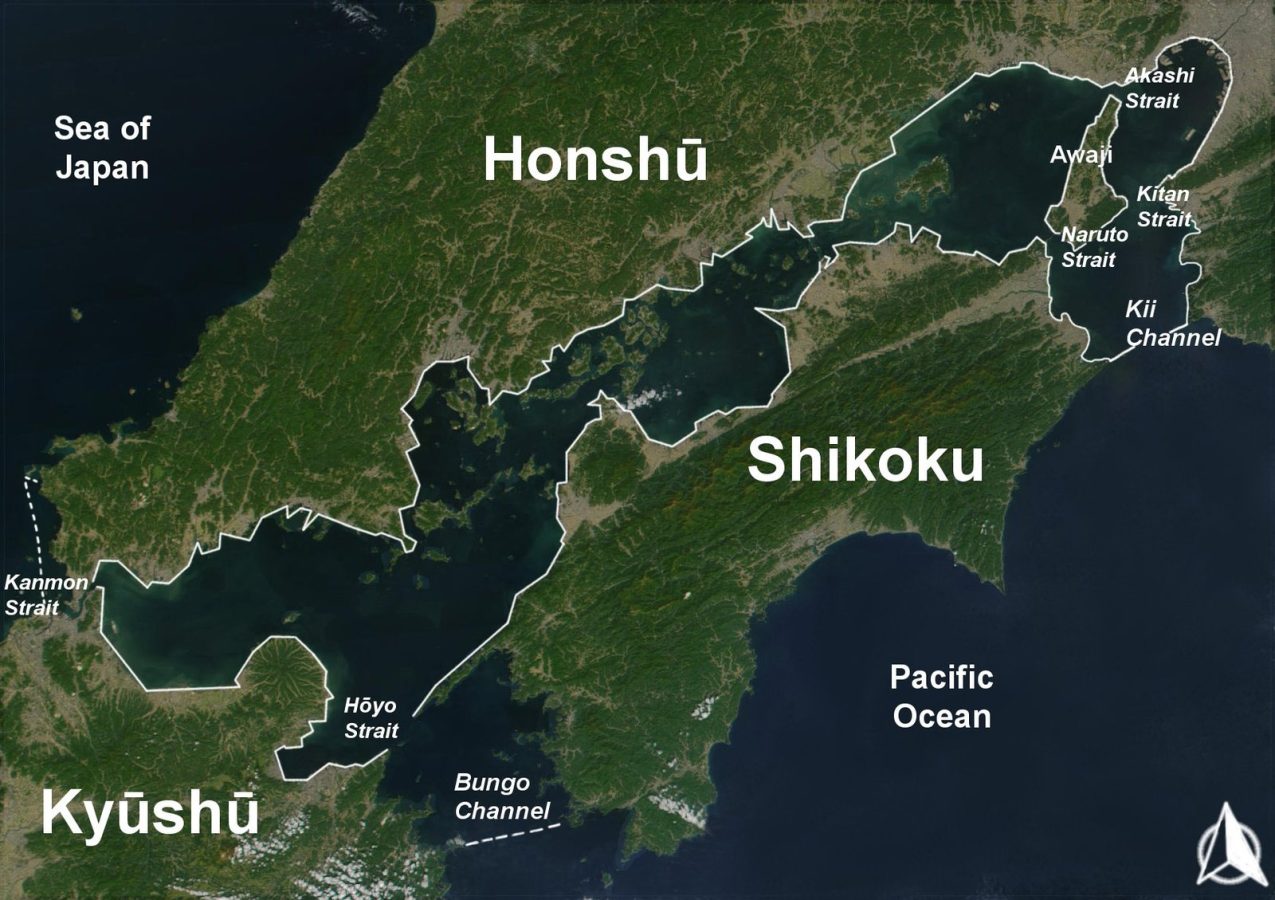
Photo: User:Guenny (Christian Günther) made this map of the Japanes, CC BY-SA 3.0
| Getting there | Train from Okayama over the Seto-Ohashi Bridge in 1 h; buses from Kobe and Osaka; flights to four airports |
|---|---|
| Gateway | Okayama, Osaka or Kobe |
| Travel time | About 1 h by train from Okayama to Takamatsu |
| Days | A week or more |
| Best months | Mar–May and Oct–Nov; humid summer, typhoons Aug–Sep |
| Getting around | Limited express trains between the four cities; rent a car for the Iya Valley and the coasts |
| Booking | Rooms ahead for Awa Odori in August; Iya Valley inns and rental cars a few weeks ahead |
| Cost | Mid-range, cheaper than Tokyo or Kyoto |
| Beaches | Not a beach island; surf beaches on the Kochi and Tokushima coasts, calm coves on the Inland Sea |
| Sea | Seas of Japan & Korea |
| Area | 18,297 km² |
| Population | 3.8 million (2015) |
| Highest point | 1,982 m (Mount Ishizuchi) |
| Airport | Yes, scheduled flights |
| Car-free | No |
| Bridge | Road bridge or causeway to the mainland |
| Checked | October 2026 |
Shikoku is mostly travelled independently, and only a small number of organised trips are sold in advance.
The most distinctive is a taste of the pilgrimage. Guided visits to temples such as Zentsuji explain the rituals, the white clothing and the stamp books of the 88-temple route, and some include a meditation session or a stay at a temple lodging. Walking the whole route takes 30 to 60 days, so most visitors do a few temples on foot and the rest by train, bus or car; specialised companies sell guided sections with luggage transfer.
Adventure is the second theme. Rafting trips in the Oboke and Koboke gorges of the Yoshino River run from spring to autumn, with wetsuits, helmets and guides included, and half-day and full-day versions.
Day tours from Tokushima cover the Naruto whirlpools, indigo dyeing and Awa Odori dance, and private cars with drivers from Takamatsu help reach the gardens, Kompira shrine and the Iya Valley without a car of your own.
For most visitors, the best approach is a rail pass or a rental car and a loose route, with a rafting day and one guided temple visit booked ahead.
The largest city on the island has one of Japan's few surviving original castles on a hill in the centre, reached by a chairlift or a steep walk. Take the tram to Dogo Onsen, one of the oldest hot spring resorts in the country, whose wooden main bathhouse dates from 1894 and is still in use.
In the mountainous centre, the deep gorges of the Iya Valley are some of the wildest landscapes in Japan, with thatched farmhouses clinging to the slopes. Cross the swaying vine bridge at Nishi-Iya, visit the Oboke gorge by boat and stay at an inn with outdoor baths. The roads are narrow and winding.
The port city in the northeast is the main gateway from Honshu and the base for ferries to the art islands. Its Ritsurin Garden, laid out by feudal lords over a century, is one of the finest landscape gardens in Japan, with ponds, bridges and pine trees. Eat the local thick udon noodles nearby.
A long stone stairway of 785 steps climbs from the town of Kotohira to the main hall of Kompira, a shrine to the protector of seafarers, with more steps to the inner shrine above. It takes about an hour each way. The town also has the oldest surviving kabuki theatre in Japan.
On the south side, Kochi has an original castle, a lively Sunday street market and food halls serving seared bonito. From the city, the coast runs east to Cape Muroto and west to Cape Ashizuri, with surf beaches, cliffs and the clear Shimanto River, one of the last undammed rivers in Japan.
In the narrow strait between Shikoku and Awaji Island, the tide creates large whirlpools that are best seen from tour boats or from a glass-floored walkway under the bridge. Check the tide table, as they are most impressive at spring tides. Tokushima, nearby, is famous for its Awa Odori dance festival.
Our pick for each kind of trip, with live dates and prices. Free cancellation on most.
Best for: A taste of the 88-temple pilgrimage
A guided visit to Zentsuji, one of the most important temples on the circuit, with an introduction to the rituals and meaning of the pilgrimage.
Three bridge routes link Shikoku to Honshu. The central one, the Seto-Ohashi Bridge, carries both road and railway from Okayama; rapid trains reach Takamatsu in about an hour, and limited express trains continue to Matsuyama and Kochi. The eastern route crosses Awaji Island from Kobe to Naruto, with frequent highway buses from Osaka and Kobe to Tokushima and Takamatsu. In the west, the Shimanami Kaido links Onomichi to Imabari over a chain of small islands and can be cycled.
Matsuyama, Takamatsu, Kochi and Tokushima airports all have flights from Tokyo, about an hour and a half, and some international links. Ferries also cross the Inland Sea from Honshu and Kyushu, including overnight boats from Osaka and Kobe.
Limited express trains connect Takamatsu, Matsuyama, Kochi and Tokushima, and the All Shikoku Rail Pass makes them good value; local lines are slower and infrequent. Buses fill some gaps but are sparse in the mountains. For the Iya Valley, the capes and small coastal towns, a rental car is much easier; roads are good but mountain routes are narrow and slow. Cities have trams or buses, and taxis are available everywhere.
Spring, from March to May, and autumn, from October to November, are the best seasons. Cherry blossom comes in late March and early April, and autumn colour fills the Iya Valley in November. These are also the main seasons for pilgrims on the temple route.
June brings the rainy season, and July and August are hot and very humid, though good for rafting and river swimming. Typhoons can strike from August to September, especially on the Pacific side, cancelling ferries and flights. Winter is cool and mostly dry on the north coast, with snow in the mountains and fewer visitors.
The Awa Odori dance festival fills Tokushima from 12 to 15 August, and the Yosakoi festival brings dancers to Kochi around the same time; book rooms early. A week covers the four cities and the Iya Valley.
Takamatsu is the easiest base for the northeast, with good train links, ferries to the art islands and a wide choice of hotels. Matsuyama suits those who want hot springs and a city, staying at Dogo Onsen. Kochi is the base for the south coast and its food. In the Iya Valley, stay one or two nights in a traditional inn or a restored farmhouse. Pilgrims use temple lodgings and simple guesthouses along the route.
Shikoku's name means four provinces, after the old domains of Awa, Tosa, Sanuki and Iyo that became today's four prefectures. The island is closely linked to Kukai, the monk who founded Shingon Buddhism in the ninth century and was born here; the pilgrimage route around the island follows his footsteps. In the feudal era, lords built castles in each domain, several of which survive. Tosa, now Kochi, produced leaders of the movement that brought down the shogunate in the 1860s. The bridges completed between 1988 and 1999 ended centuries of reliance on ferries.
Shikoku pairs naturally with the art islands of the Inland Sea: Naoshima is under an hour by ferry from Takamatsu, and Shodoshima is close too. Cycling the Shimanami Kaido from Imabari leads to Onomichi and on to Hiroshima. Osaka and Kyoto are two to three hours away by bus or train, making Shikoku an easy extension of a Kansai trip.
Train from Okayama over the Seto-Ohashi Bridge in 1 h; buses from Kobe and Osaka; flights to four airports.
From Okayama, Osaka or Kobe: about 1 h by train from Okayama to Takamatsu.
A week or more.
Mar–May and Oct–Nov; humid summer, typhoons Aug–Sep.
Limited express trains between the four cities; rent a car for the Iya Valley and the coasts.
Go if you want rural Japan, the 88-temple pilgrimage, castles, hot springs and mountain valleys without the big-city crowds. Skip it or choose Kyushu if you have only a few days, or want volcanoes and bigger cities within easy reach.
Mid-range, cheaper than Tokyo or Kyoto.
Not a beach island; surf beaches on the Kochi and Tokushima coasts, calm coves on the Inland Sea.
Rooms ahead for Awa Odori in August; Iya Valley inns and rental cars a few weeks ahead.
Yes. Boat trips, guided tours and day trips for Shikoku can be booked online; live prices and free cancellation on most are shown on this page.
Ryukyu Islands, Japan
Okinawa is the main island of Japan's subtropical Ryukyu chain, about 106 km long and some 640 km south of Kyushu.
199 tours & trips
Japan
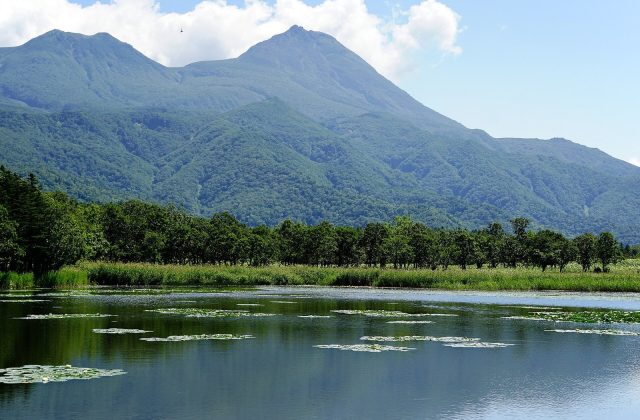
Hokkaido is the northernmost and second-largest of Japan's main islands, almost 78,000 square kilometres of…
84 tours & trips
Japan
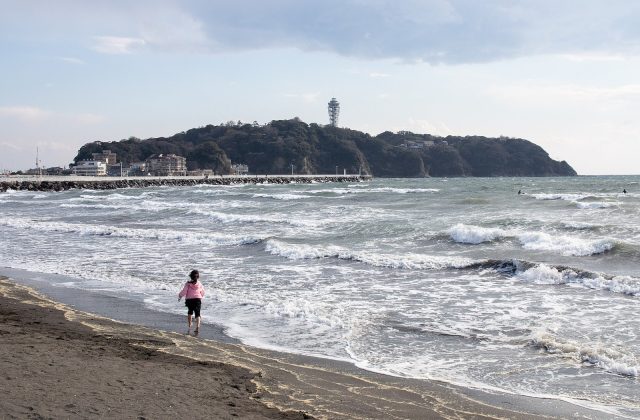
Enoshima is a small, wooded island about 4 km round in Sagami Bay, joined by a bridge to the beach town of Katase,…
61 tours & trips
Yaeyama Islands, Japan
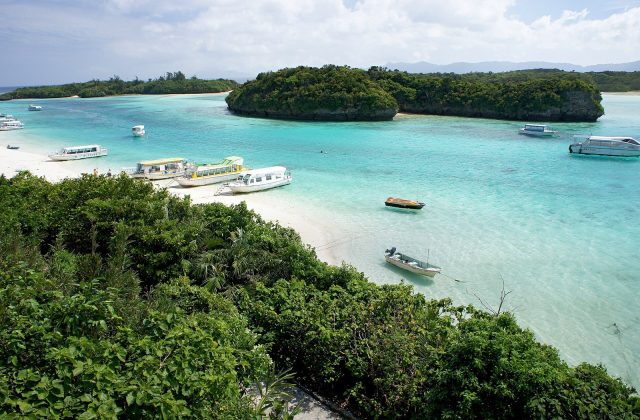
Ishigaki is a subtropical island in the far south of Japan, about 400 km south-west of Okinawa's main island and…
55 tours & trips
Miyako Islands, Japan
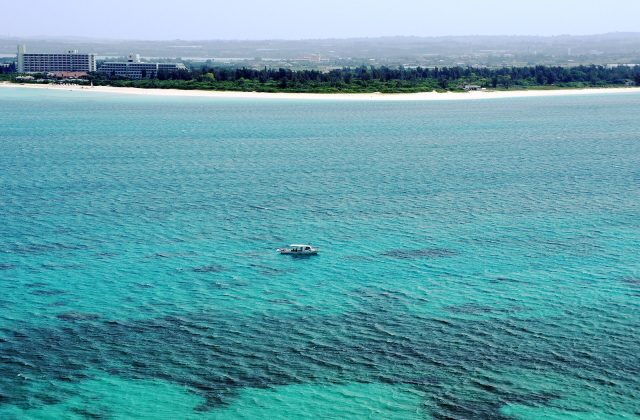
Miyakojima is a flat limestone island of about 159 square kilometres in Okinawa, some 300 km south-west of the main…
38 tours & trips
Japan
Awaji Island is the largest island in the Seto Inland Sea, about 592 square kilometres of farmland, coast and low hills…
22 tours & trips