Okinawa
Ryukyu Islands, Japan
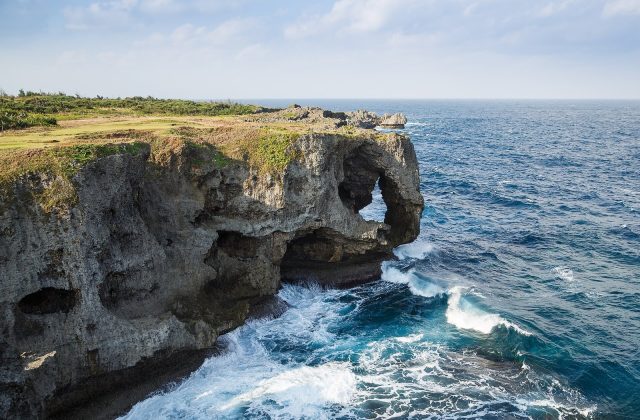
Okinawa is the main island of Japan's subtropical Ryukyu chain, about 106 km long and some 640 km south of Kyushu.
199 tours & trips
Japan · Seas of Japan & Korea · Nature & wildlife island
Shodoshima is the second-largest island of the Seto Inland Sea, 153 square kilometres of mountains, olive groves and soy sauce breweries an hour by ferry from Takamatsu. It was the first place in Japan to grow olives successfully, and it pairs a dramatic gorge with quiet fishing towns and a small temple pilgrimage.
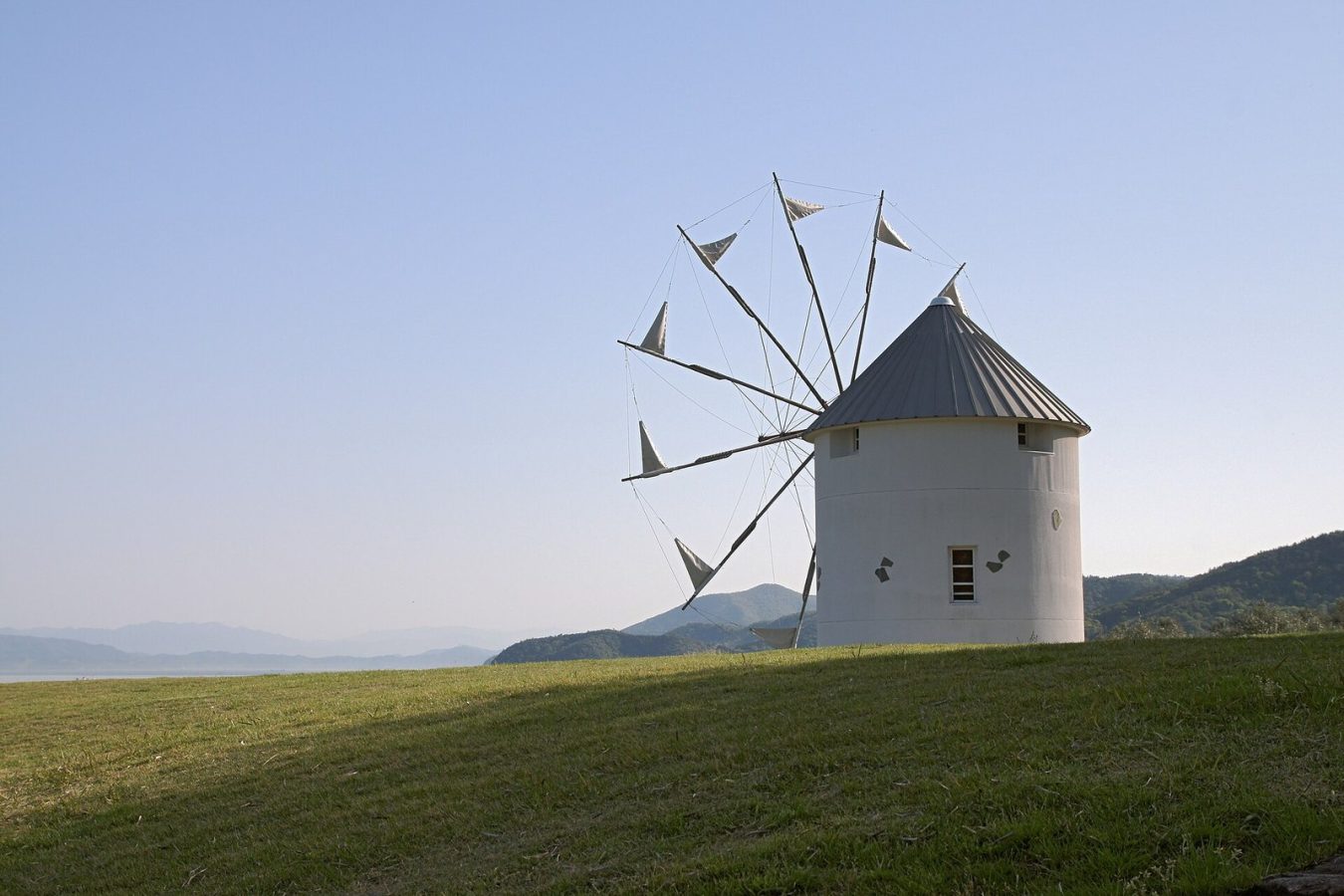
Photo: 663highland, CC BY 2.5
| Getting there | Ferries from Takamatsu 30 to 60 min; also from Okayama, Himeji, Uno and Kobe |
|---|---|
| Gateway | Takamatsu; also Okayama or Himeji |
| Travel time | 1 h by ferry or 35 min by fast boat |
| Days | 1 to 2 nights |
| Best months | Apr–May and Oct–Nov; mid-Nov for the leaves at Kankakei; Jul–Aug hot |
| Getting around | Island buses with a day pass; a rented car or e-bike is easier for the mountain |
| Booking | Rooms ahead for autumn weekends and art festival years; ferries need no booking |
| Cost | Mid-range for Japan |
| Beaches | Calm, small Inland Sea beaches; the tidal sandbar of Angel Road is the famous one |
| Sea | Seas of Japan & Korea |
| Area | 153 km² |
| Highest point | 817 m (Mount Hoshigajo) |
| Airport | No |
| Car-free | No |
| Checked | October 2026 |
Very little is sold for Shodoshima because it is easy to visit on your own: the ferries need no reservation, buses run around the coast and the sights are well signed in English. The products that exist fall into three kinds.
Multi-day escorted trips from Osaka combine the island with Naoshima and Teshima over two nights, with a guide, ferries and hotels included and some meals extra; they suit first-time visitors to Japan who do not want to work out connections. On the island itself there are hands-on food experiences, such as a sushi class with local ingredients, usually lasting a couple of hours with the meal you make included. There is also a guided evening of the island's small bars, with drinks typically paid as you go.
Most people simply take the ferry from Takamatsu, buy a bus pass or hire a car at the port, and pay entrance fees at the gorge ropeway, olive park and soy sauce museum on the spot.
Our recommendation: go independently and stay one night, and add the food class if you want a guided experience.
In the mountainous centre of the island, a deep gorge of strange volcanic rock pinnacles counts among the three great gorges of Japan. A ropeway rises in about five minutes from the lower station to the summit, with views out to the Inland Sea. You can walk down by a steep path in about an hour; autumn leaves peak in mid-November.
On a slope above Uchinomi Bay, the park celebrates the olives first planted here in 1908, with groves, a Greek-style white windmill, a herb garden and a shop selling oil and cosmetics. Visitors borrow brooms for the flying-witch photo, a nod to the live-action Kiki's Delivery Service filmed here. It is free to enter and about 30 minutes by bus from Tonosho.
Near Tonosho, a narrow sandbar joins the shore to a chain of small islets, but only around low tide, twice a day. Check the tide table at the tourist office and arrive an hour before the lowest point to walk across. Couples hang wooden prayer tablets on the hill above, which has a good view of the bar.
Around Uchinomi, old breweries with black wooden walls still ferment soy sauce in cedar barrels, a craft dating back about four centuries on the island. One brewery runs a small museum, and soy sauce ice cream is the local novelty. Walk the lanes and look for the tsukudani shops selling seaweed and fish simmered in soy.
At the tip of the Tanoura peninsula, a film set of a wooden village school and houses recreates the setting of the famous 1950s novel and film about a young teacher and her pupils. Nearby stands the real old branch school that inspired it. It is a gentle stop for families and lovers of classic Japanese cinema.
In Tonosho, a channel less than ten metres wide is listed as the narrowest strait in the world, crossed by small bridges. The island also has its own circuit of 88 temples, a smaller version of the Shikoku pilgrimage, with some shrines set in caves and on cliffs. Pilgrims walk the full loop in about a week.
Our pick for each kind of trip, with live dates and prices. Free cancellation on most.
Best for: Guided Inland Sea trip from Osaka
A three-day escorted trip from Osaka that covers Shodoshima together with the art islands of Naoshima and Teshima, with ferries arranged for you.
Shodoshima has no airport or bridge, so everyone arrives by sea. From Takamatsu, ferries leave the port next to the station about every hour for Tonosho, Ikeda and Kusakabe; the regular car ferry takes about an hour and the fast passenger boats about 35 minutes. From Okayama, ferries from Shin-Okayama port reach Tonosho in about 70 minutes, and there are routes from Uno, Himeji to Fukuda, and a slower service from Kobe to Sakate.
Tickets are bought at the terminal before boarding and do not need reserving, except for cars at weekends and holidays. To reach Takamatsu from Osaka or Tokyo, take the shinkansen to Okayama and change to the Marine Liner across the Seto Ohashi bridge, about an hour. Bringing a hire car across is easy but costs more than renting on the island.
The Olive Bus network links Tonosho, the olive and soy sauce areas and the Tanoura peninsula, and a one- or two-day pass saves money, but buses can be an hour or more apart. To reach Kankakei, a seasonal bus runs to the ropeway, otherwise a car is needed. Cars, scooters and electric bikes are hired near Tonosho port; the coastal roads are quiet and well kept, and the mountain road is steep and winding. Taxis wait at the main ports.
Spring, from April to May, brings mild weather and fresh green hills, and October to November is the favourite time, with clear skies and the maples of Kankakei turning red in mid-November, when the ropeway has queues at weekends. The olive harvest also starts in autumn.
June brings the rainy season and July to August are hot and humid, though the sea is warm enough for swimming and evening festivals take place in the towns. Typhoons can disrupt ferries in late summer and early autumn. Winters are mild and dry by Japanese standards, quiet and cheap, though some cafes close. In Setouchi Triennale years, the next in 2028, the island hosts outdoor artworks and accommodation fills up quickly. One night is enough to see the main sights, two allows the gorge, olives and soy district at a relaxed pace.
Tonosho, the main port in the west, has the most hotels, restaurants and car rentals, and is close to Angel Road and the ferries to Takamatsu. The Uchinomi Bay area in the south-east suits a quieter stay near the soy breweries, the olive park and the bus to the movie village. Traditional inns with hot spring baths and seafood dinners are scattered along the south coast, and some farmhouse guesthouses in the hills give a feel for rural island life.
Shodoshima was once called Azukishima, the island of small beans, and supplied stone for the walls of Osaka Castle in the early 17th century; quarried blocks still lie by the coast. Salt making gave way to soy sauce brewing, which made the island rich and still employs many families. Olives were planted in 1908 in a government trial, and only here did they thrive, giving the island its Mediterranean look. The 1952 novel Twenty-Four Eyes, set in a village school here, made Shodoshima famous across Japan.
Takamatsu, with the Ritsurin Garden and its udon shops, makes a natural base or stopover. The art islands of Naoshima and Teshima are linked by direct ferries from Tonosho or via Takamatsu and Uno, so a three-island loop over three or four days works well. Okayama, with Korakuen garden, is about 70 minutes away by ferry.
Ferries from Takamatsu 30 to 60 min; also from Okayama, Himeji, Uno and Kobe.
From Takamatsu; also Okayama or Himeji: 1 h by ferry or 35 min by fast boat.
1 to 2 nights.
Apr–May and Oct–Nov; mid-Nov for the leaves at Kankakei; Jul–Aug hot.
Island buses with a day pass; a rented car or e-bike is easier for the mountain.
Go if you want a slow Japanese island of olives, soy sauce, mountain views and autumn colours, away from the big cities. Skip it or choose Naoshima if contemporary art is your main reason to visit the Inland Sea.
Mid-range for Japan.
Calm, small Inland Sea beaches; the tidal sandbar of Angel Road is the famous one.
Rooms ahead for autumn weekends and art festival years; ferries need no booking.
Yes. Boat trips, guided tours and day trips for Shodoshima can be booked online; live prices and free cancellation on most are shown on this page.
Ryukyu Islands, Japan
Okinawa is the main island of Japan's subtropical Ryukyu chain, about 106 km long and some 640 km south of Kyushu.
199 tours & trips
Japan
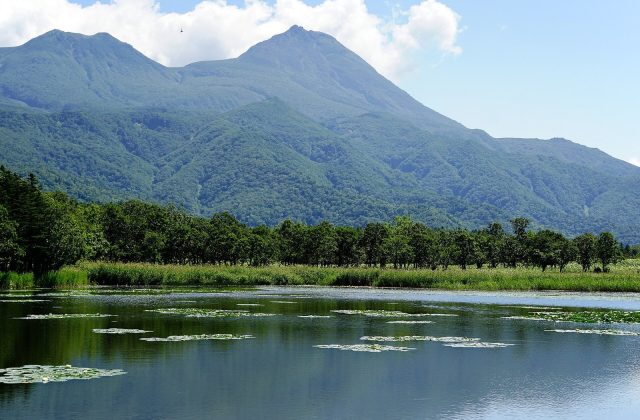
Hokkaido is the northernmost and second-largest of Japan's main islands, almost 78,000 square kilometres of…
84 tours & trips
Japan
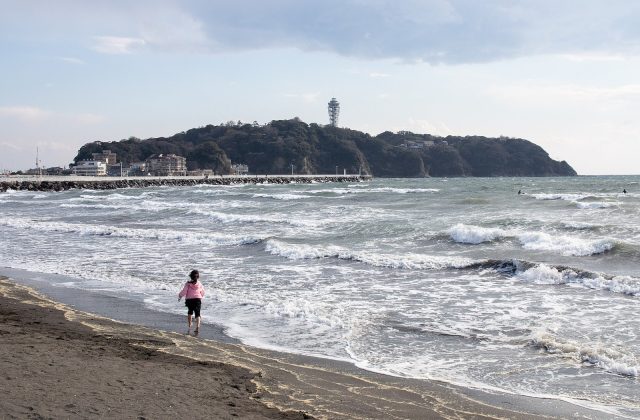
Enoshima is a small, wooded island about 4 km round in Sagami Bay, joined by a bridge to the beach town of Katase,…
61 tours & trips
Yaeyama Islands, Japan
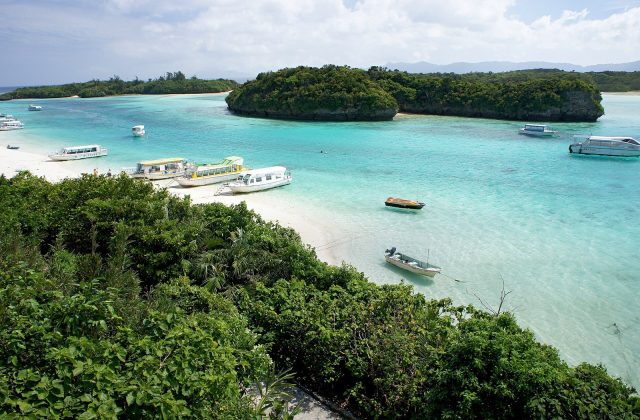
Ishigaki is a subtropical island in the far south of Japan, about 400 km south-west of Okinawa's main island and…
55 tours & trips
Miyako Islands, Japan
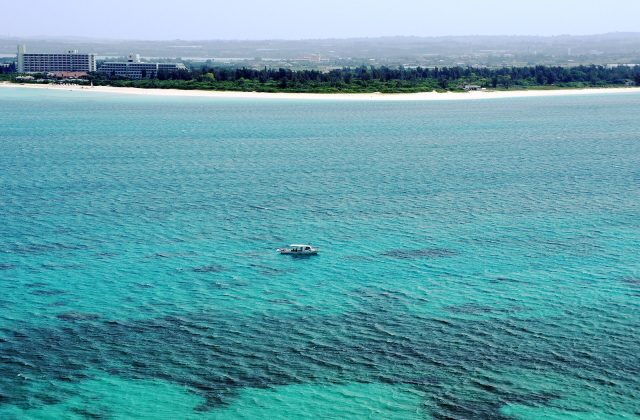
Miyakojima is a flat limestone island of about 159 square kilometres in Okinawa, some 300 km south-west of the main…
38 tours & trips
Japan
Awaji Island is the largest island in the Seto Inland Sea, about 592 square kilometres of farmland, coast and low hills…
22 tours & trips