Sylt
North Frisian Islands, Germany
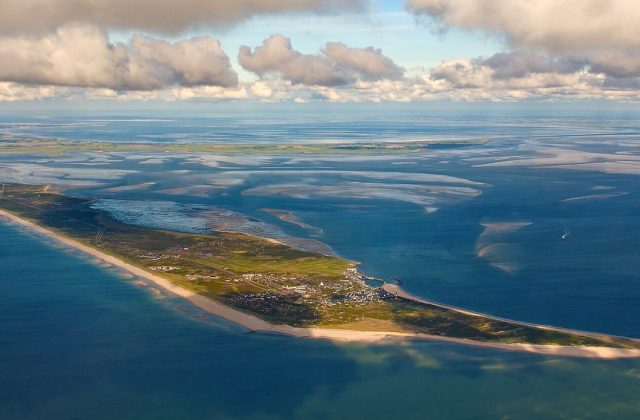
Sylt is Germany's northernmost island, a narrow strip of dunes and heath in the North Sea with a sandy beach about…
20 tours & trips
Germany · Baltic Sea · Beach island
Rügen is Germany's largest island, 926 square kilometres of chalk cliffs, beech forest, lagoons and long sandy beaches in the Baltic, joined to the mainland at Stralsund by a bridge and causeway. Its white seaside resorts and the cliffs of Jasmund National Park have drawn holidaymakers for two centuries.
| Getting there | Drive or take the train across the Rügen Bridge from Stralsund; direct trains from Berlin and Hamburg in summer |
|---|---|
| Gateway | Stralsund (Rügen Bridge and causeway) |
| Travel time | 30 to 60 min by train or car from Stralsund |
| Days | 3 to 5 nights |
| Best months | Jun–Sep for beaches; Jul–Aug busy; May and Sep good for walking |
| Getting around | Car most flexible; trains reach Binz and Sassnitz, buses and a steam railway link the resorts |
| Booking | Rooms in Binz and Sellin months ahead for Jul–Aug; boat trips a day ahead |
| Cost | Mid-range for Germany; Binz is the priciest |
| Beaches | Long fine white sand on the east coast: Binz, Sellin, Baabe and Göhren; the Schaabe for space |
| Sea | Baltic Sea |
| Area | 926 km² |
| Population | 67,526 (2010) |
| Highest point | 161 m (Piekberg) |
| Airport | No |
| Car-free | No |
| Bridge | Road bridge or causeway to the mainland |
| UNESCO | Ancient and Primeval Beech Forests of the Carpathians and Other Regions of Europe (Jasmund) |
| Checked | October 2026 |
Rügen is easy to explore independently, so organised trips are mostly about seeing the coast from the water.
The classic is a boat trip to the chalk cliffs. Excursion boats leave the piers at Binz, Sellin and Göhren and the harbour at Sassnitz in season and run along the Jasmund coast below the Königsstuhl and Victoria viewpoint, usually for two to three hours with a cafe on board; they do not land at the cliffs. Shorter cruises go looking for grey seals off the southeast coast, and in autumn special boats from the Bodden harbours, such as Breege, take visitors to watch thousands of cranes resting on the shallows.
Day trips from Berlin by coach exist, but the journey is over three hours each way, so they suit only those with no time for a night. On the island, tickets for the treetop walk near Prora, the Königsstuhl visitor centre and the narrow-gauge steam railway are bought on arrival, and bikes can be hired in every resort.
What is not included is transport to the departure pier; the steam train and buses connect most of them. Our advice: stay two or three nights, walk the cliff path in Jasmund and take the boat back along the coast.
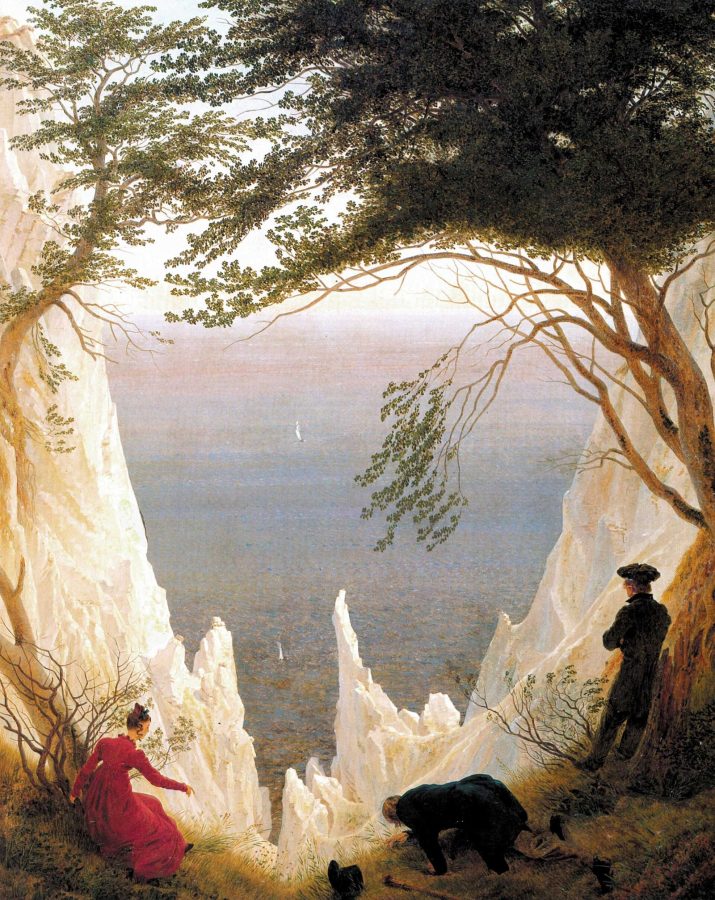
The white chalk cliffs on the Jasmund peninsula rise to 118 metres at the Königsstuhl, now viewed from a circular skywalk at the national park centre. The old beech forest behind them is part of a UNESCO World Heritage listing. Walk the high coastal path of about 10 km from Sassnitz to the Königsstuhl, passing the Victoria viewpoint.
The largest resort is a long promenade of white villas with carved wooden balconies, built around 1900, behind a beach of fine sand several kilometres long. The pier and the domed lifeguard tower are the landmarks. Come out of season for a quieter walk, or in summer for swimming and cafes along the front.
At the northern tip two lighthouses stand on the cliff, the older designed by Schinkel, next to the earthworks of a Slavic temple fortress destroyed by the Danes in 1168. Cars stop at Putgarten; walk or take the little road train. A short path leads down to Vitt, a thatched fishing hamlet with a small chapel.
North of Binz stretches Prora, a Nazi-era holiday complex almost 4.5 km long, never finished, now partly converted into flats and a youth hostel, with a documentation centre on its history. Nearby, the treetop walk of the nature heritage centre climbs to a tower above the beech forest with views over the whole east coast.
Putbus is a neoclassical princely town with a white circular square, a park and a theatre. From here the narrow-gauge steam railway known as Rasender Roland runs to Binz, Sellin, Baabe and Göhren, a slow, scenic link through woods and past the Granitz hunting lodge, whose tower gives a wide view over the island.
Sellin's pier, with its white pavilion, is one of the best known on the Baltic, reached by a long staircase from the cliff-top main street. South of it, Baabe and Göhren are smaller and more relaxed, with wide beaches backed by pine woods. The Mönchgut peninsula beyond has quiet bays, lagoon villages and good cycling.
Our pick for each kind of trip, with live dates and prices. Free cancellation on most.
Best for: First visit, the coast by boat
A boat trip from Sellin along the eastern shore shows the resorts and the wooded coast from the water, the easiest way to grasp the island's layout.
Rügen is joined to the mainland at Stralsund by two crossings: the high Rügen Bridge for road traffic and the older causeway, which carries a road and the railway. Queues can be long on summer Saturdays, when holiday flats change over.
Regional trains run from Stralsund to Bergen, Binz, Sassnitz and Lauterbach regularly through the day, taking 30 to 60 minutes. In summer long-distance trains run directly to Binz from Berlin, Hamburg and other German cities, in about three and a half to four hours from Berlin. From the south a small seasonal car ferry crosses from Stahlbrode to Glewitz.
Ferries leave Sassnitz for Bornholm in Denmark, and the car-free island of Hiddensee is reached by boat from Schaprode. The nearest airports with regular flights are Rostock-Laage and Berlin.
The island is around 50 km from north to south, so a car is the most flexible way to reach the cliffs, Cape Arkona and the quieter lagoons, though parking in Binz and at the national park is limited and charged. Without a car, trains link Bergen, Binz and Sassnitz, regional buses cover most villages, and the steam railway serves the southeast resorts. Cycling is excellent on flat lanes and marked routes, and bikes and e-bikes are hired everywhere.
The beach season runs from June to September. The Baltic warms to about 18 to 20 degrees in July and August, enough for swimming on calm days, and the long evenings are a pleasure. These are also German school holidays, when the resorts are full, roads jam at weekends and prices peak.
May, early June and September are the best months for walking and cycling, with fresh green or autumn beech woods and quieter beaches. Late September and October bring the cranes to the lagoons, a big spectacle at dawn and dusk. From November to March many hotels stay open, especially in Binz, but cafes shorten their hours, boats stop and the weather is grey and windy; it is a time for spa hotels and cliff walks.
Three to five nights let you see Jasmund, Arkona and a resort or two.
The east coast resorts are the main bases. Binz has the most hotels, restaurants and the train connection, and suits a first visit. Sellin is smaller and smarter, Baabe and Göhren quieter and cheaper, all on the steam railway. Sassnitz is the practical base for the Jasmund cliffs and boat trips. For peace, families often rent holiday flats in the villages of the Mönchgut peninsula or on the Wittow lagoons in the north, but a car is then needed.
Rügen takes its name from the Rani, a Slavic people whose temple at Cape Arkona fell to the Danes in 1168. The island later belonged to Pomerania, then to Sweden from 1648 to 1815, before passing to Prussia. Bathing tourism began in the early 19th century, when the prince of Putbus built his model town and the first resort. Caspar David Friedrich painted the chalk cliffs, the Nazis started the vast resort of Prora, and in the GDR the island was a state holiday destination; the villas of Binz have since been restored.
Stralsund, a Hanseatic old town with brick churches and the Ozeaneum aquarium, is a natural first or last night and is on the train line. Hiddensee, car-free and narrow, is a day trip by boat from Schaprode. Usedom lies about two hours' drive southeast, and Bornholm can be reached by ferry from Sassnitz in about four hours in season.
Drive or take the train across the Rügen Bridge from Stralsund; direct trains from Berlin and Hamburg in summer.
From Stralsund (Rügen Bridge and causeway): 30 to 60 min by train or car from Stralsund.
3 to 5 nights.
Jun–Sep for beaches; Jul–Aug busy; May and Sep good for walking.
Car most flexible; trains reach Binz and Sassnitz, buses and a steam railway link the resorts.
Go if you want white chalk cliffs, beech woods, wide sandy beaches and elegant old resorts reachable by train. Skip it or choose Usedom or Hiddensee if you want fewer cars, or the Mediterranean if you want reliably warm sea.
Mid-range for Germany; Binz is the priciest.
Long fine white sand on the east coast: Binz, Sellin, Baabe and Göhren; the Schaabe for space.
Rooms in Binz and Sellin months ahead for Jul–Aug; boat trips a day ahead.
Yes. Boat trips, guided tours and day trips for Rügen can be booked online; live prices and free cancellation on most are shown on this page.
North Frisian Islands, Germany
Sylt is Germany's northernmost island, a narrow strip of dunes and heath in the North Sea with a sandy beach about…
20 tours & trips
North Frisian Islands, Germany
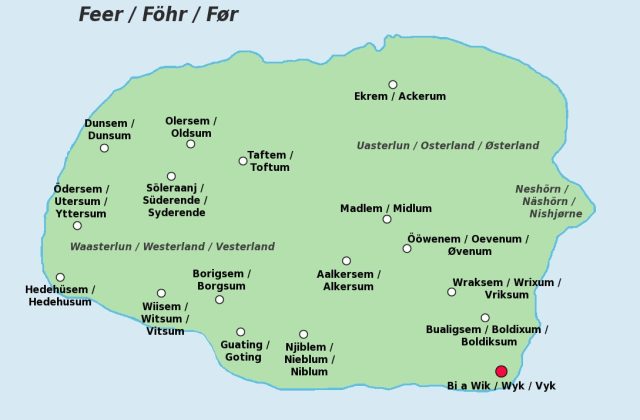
Föhr is a flat, green island in the Wadden Sea off the coast of Schleswig-Holstein, the second-largest German island in…
9 tours & trips
Germany
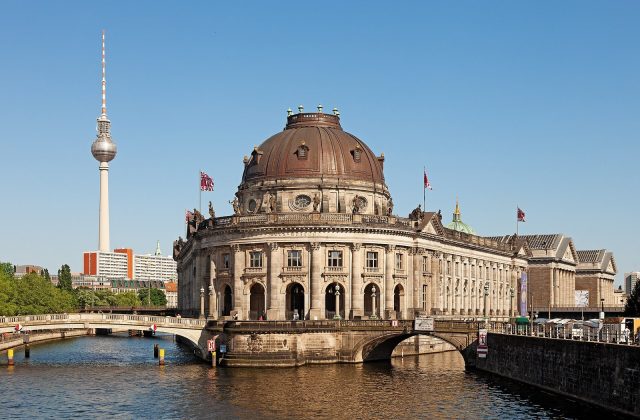
Museum Island is the northern half of an island in the river Spree in the centre of Berlin, home to five great museums…
9 tours & trips
North Frisian Islands, Germany
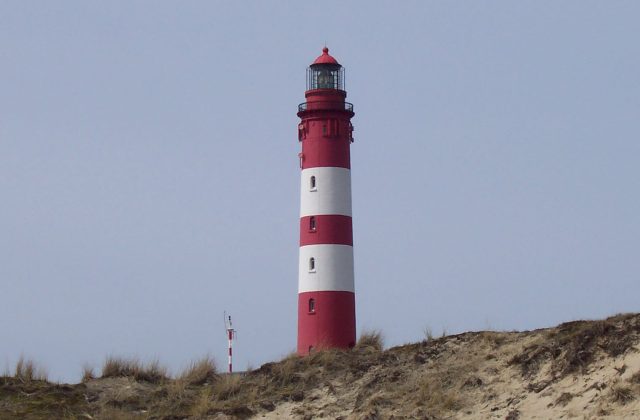
Amrum is a small North Frisian island in the German Wadden Sea, south of Sylt and west of Föhr, famous for the…
8 tours & trips
Germany
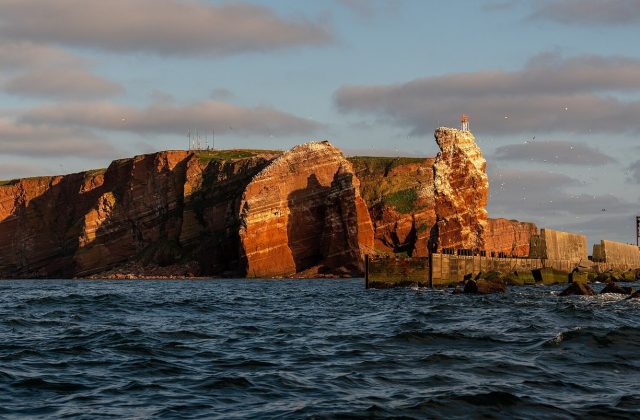
Heligoland is Germany's only offshore island in the open North Sea, a red sandstone rock about 70 km from the…
2 tours & trips
Germany
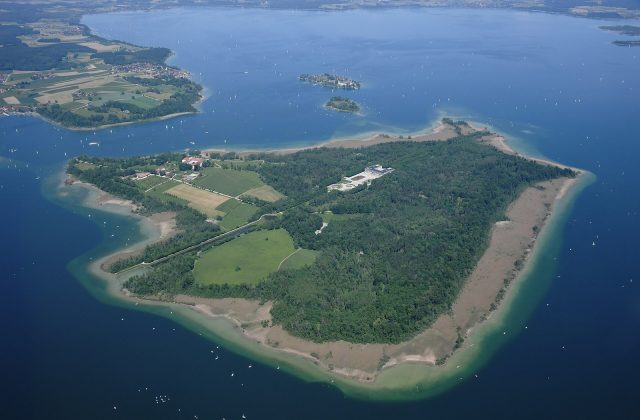
Herreninsel is the largest island in the Chiemsee, Bavaria's biggest lake, about 15 minutes by boat from Prien.
2 tours & trips