Sylt
North Frisian Islands, Germany
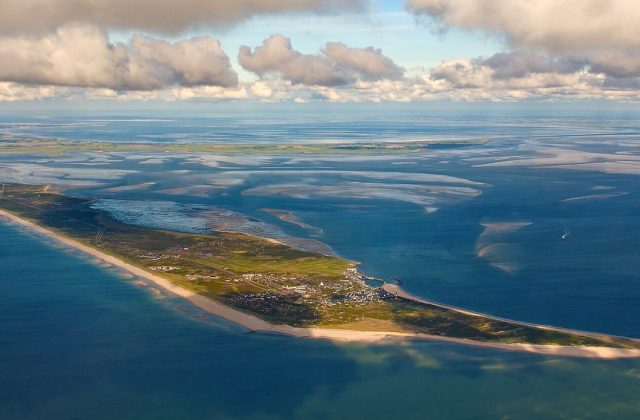
Sylt is Germany's northernmost island, a narrow strip of dunes and heath in the North Sea with a sandy beach about…
20 tours & trips
Germany · Lakes & rivers · Historic island
Museum Island is the northern half of an island in the river Spree in the centre of Berlin, home to five great museums built between 1830 and 1930. It is a UNESCO World Heritage Site, with collections ranging from the bust of Nefertiti to classical sculpture and nineteenth-century painting.
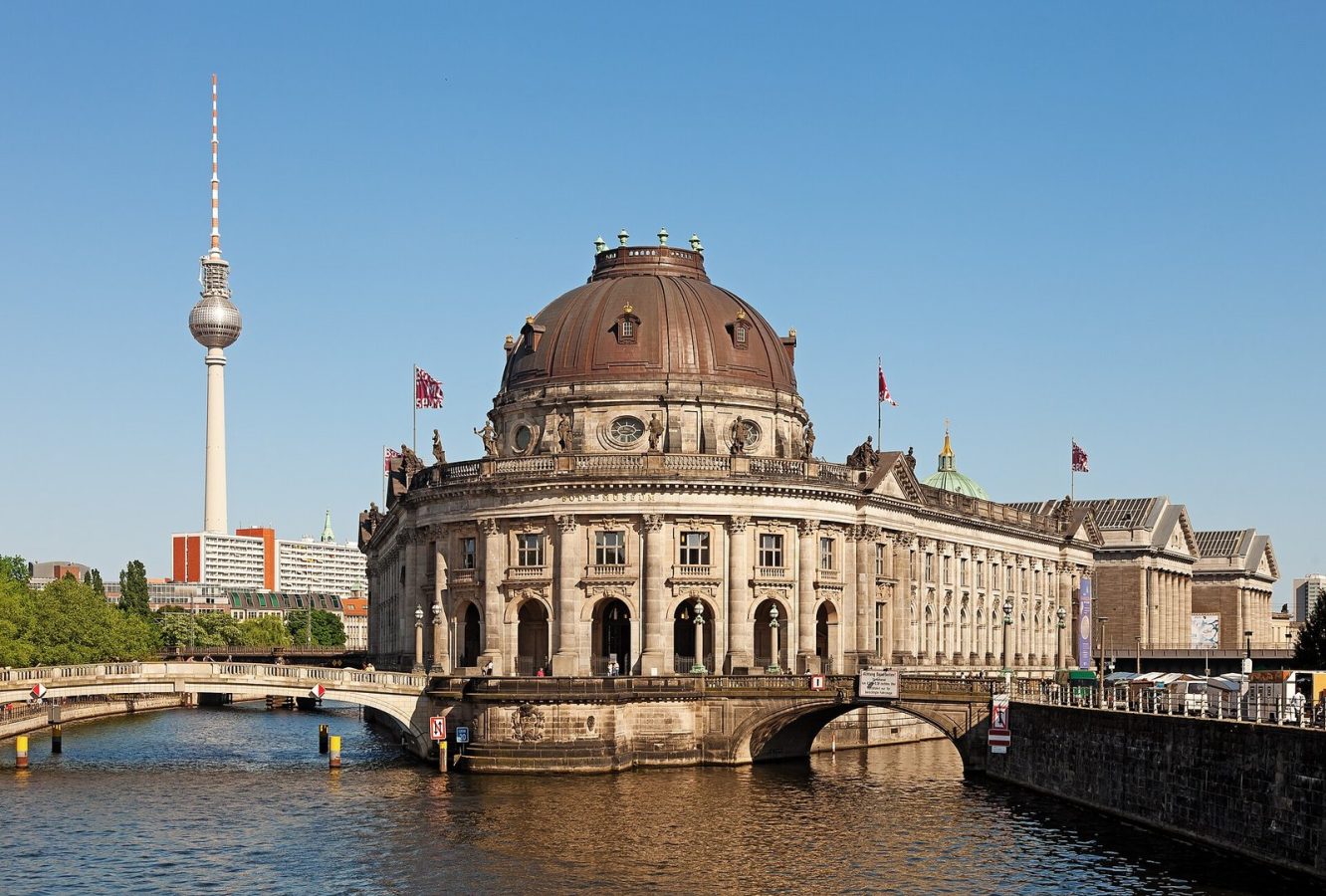
Photo: Thomas Wolf, www.foto-tw.de, CC BY-SA 3.0
| Getting there | In central Berlin; U5 to Museumsinsel, S-Bahn to Hackescher Markt, or bus to Lustgarten |
|---|---|
| Gateway | Berlin (city centre) |
| Travel time | A few minutes on foot from Unter den Linden |
| Days | Half a day to a full day |
| Best months | Year-round; Apr–Oct best for walking around; quieter in winter |
| Getting around | Walk; all five museums and the cathedral are within a 10-minute walk |
| Booking | Timed tickets for the Neues Museum in summer and on weekends |
| Cost | Mid-range; a day ticket covers all the museums on the island |
| Beaches | No beaches; riverside deckchairs at the beach bar in Monbijou Park opposite |
| Sea | Lakes & rivers |
| Area | 8.6 km² |
| Highest point | 39 m |
| Airport | No |
| Car-free | No |
| Bridge | Road bridge or causeway to the mainland |
| UNESCO | Museumsinsel (Museum Island), Berlin |
| Checked | October 2026 |
Museum Island is right in central Berlin, so what is sold is not transport but entry and interpretation.
The most useful product is the combined ticket, which covers the museums on the island for one day; if you want to see more than one museum, it saves money and queueing. Some versions include a digital guide or city sights. City passes that combine public transport with museum entry are also available and suit visitors staying several days.
Guided walking tours of the island explain the buildings, the Prussian history and the war damage, often finishing with a visit inside the Neues Museum. Private tours with an art historian suit families or those with specific interests and can be booked for half a day, sometimes combined with other Berlin sights.
There are also photo shoots with a professional photographer, popular with couples, using the colonnades and the river as a backdrop. Whatever you book, check which museums are open that day.
Our advice: buy the day ticket, book a time slot for the Neues Museum, start there in the morning and continue to the Alte Nationalgalerie or the Bode-Museum after lunch.
Badly damaged in the war and reopened in 2009 after a careful restoration that kept the scars, this museum holds the Egyptian collection, including the painted bust of Queen Nefertiti, and prehistory and early history collections. Book a time slot, arrive at opening and see Nefertiti first before the crowds.
The oldest museum on the island, opened in 1830, faces the Lustgarten lawn behind a long colonnade. Inside, the rotunda and galleries display Greek and Roman sculpture, vases and Etruscan art. On a fine day sit on the lawn in front of the cathedral before you go in.
A temple-like building on a raised platform holds nineteenth-century painting and sculpture, including works by Caspar David Friedrich, the German Romantics and French Impressionists such as Monet and Renoir. It is smaller and calmer than its neighbours and can be seen well in an hour or two, a short walk from the Neues Museum.
At the northern tip of the island, a domed building rises straight from the river. It holds sculpture from the Middle Ages to the eighteenth century, Byzantine art and a large coin collection. It is usually quieter than the other museums, and the view of the dome from the Monbijou bridge is one of Berlin's best.
The large Protestant cathedral with its green dome stands beside the Lustgarten. Inside are the royal tombs of the Hohenzollern family, and a climb of around 270 steps leads to a walkway around the dome with views over the city. It is not covered by the museum ticket.
A modern colonnaded building opened in 2019 serves as the main entrance, with ticket desks and a café, and links underground to the Neues Museum. The Pergamon Museum next door is undergoing a long renovation, with sections closed for years, so check what is open before you plan around it.
Our pick for each kind of trip, with live dates and prices. Free cancellation on most.
Best for: First visit, several museums
Entry to the museums on the island for one day, the best value if you plan to see two or more, such as the Neues Museum and the Alte Nationalgalerie.
Museum Island lies in the historic centre of Berlin, at the eastern end of Unter den Linden. The U5 underground line has a station called Museumsinsel, opened in 2021, just south of the island. The nearest S-Bahn stations are Hackescher Markt and Friedrichstraße, each about a 10-minute walk away, and buses stop at Lustgarten.
The island is linked to the rest of the city by several bridges, so you simply walk across. From Berlin airport, take the airport express train or S-Bahn to Friedrichstraße or Alexanderplatz in about 30 to 40 minutes. Driving is not recommended, as parking in the centre is scarce and expensive.
Boat tours on the Spree pass along both sides of the island and are a good way to see the buildings from the water.
The island is small and entirely walkable: the Altes Museum, the Neues Museum, the Alte Nationalgalerie and the Bode-Museum are at most a 10-minute walk apart, and the cathedral and Humboldt Forum are next door. There are benches, cafés in several museums and lawns for breaks. Most museums have lifts and step-free access. Cloakrooms and lockers are available, and large bags are not allowed in the galleries.
Museum Island is an all-year destination. Most of the museums close on Mondays, so plan your visit for another day. Mornings, especially right after opening, are the quietest time; weekends, school holidays and rainy days are busiest. Book time slots in advance for the Neues Museum in summer and at Christmas.
Spring and summer are pleasant for strolling around the island, the Lustgarten and the colonnade courtyard, and for boat trips on the river. Winter is cold and grey, but the museums are warm and the Christmas markets nearby add atmosphere.
Some museums offer free entry on the first Sunday of the month, with tickets needed in advance. A focused half-day covers two museums; a full day with breaks allows three or four.
Nobody sleeps on the island itself, but the surrounding districts are ideal bases. Mitte, around Hackescher Markt and the Scheunenviertel, has hotels, restaurants and nightlife within a short walk. Around Unter den Linden and Gendarmenmarkt the hotels are grander and pricier. Alexanderplatz has large hotels with good transport links. Prenzlauer Berg and Kreuzberg suit visitors who want local neighbourhoods a few stops away.
The Prussian kings decided to turn the northern part of the Spree island into a sanctuary for art and science. Five architects designed the museums over a century, from the Altes Museum in 1830 to the Pergamon in 1930. The Second World War left the buildings badly damaged, and in the divided city they lay in East Berlin, some restored, others left in ruins. After reunification a master plan began a long rebuilding, and UNESCO listed the island in 1999.
The Humboldt Forum, in the rebuilt royal palace, is right across the road, and the German Historical Museum is over the bridge. The Brandenburg Gate is a 20-minute walk west along Unter den Linden, and Alexanderplatz with its TV tower a 10-minute walk east. Potsdam and its palaces are about 40 minutes away by train.
In central Berlin; U5 to Museumsinsel, S-Bahn to Hackescher Markt, or bus to Lustgarten.
From Berlin (city centre): a few minutes on foot from Unter den Linden.
Half a day to a full day.
Year-round; Apr–Oct best for walking around; quieter in winter.
Walk; all five museums and the cathedral are within a 10-minute walk.
Go if you love art, archaeology and grand architecture and want five museums within a few minutes' walk. Skip it or choose the Humboldt Forum or a city walk if you have only a couple of hours and little interest in museums.
Mid-range; a day ticket covers all the museums on the island.
No beaches; riverside deckchairs at the beach bar in Monbijou Park opposite.
Timed tickets for the Neues Museum in summer and on weekends.
Yes. Boat trips, guided tours and day trips for Museum Island can be booked online; live prices and free cancellation on most are shown on this page.
North Frisian Islands, Germany
Sylt is Germany's northernmost island, a narrow strip of dunes and heath in the North Sea with a sandy beach about…
20 tours & trips
North Frisian Islands, Germany
Föhr is a flat, green island in the Wadden Sea off the coast of Schleswig-Holstein, the second-largest German island in…
9 tours & trips
North Frisian Islands, Germany
Amrum is a small North Frisian island in the German Wadden Sea, south of Sylt and west of Föhr, famous for the…
8 tours & trips
Germany
Rügen is Germany's largest island, 926 square kilometres of chalk cliffs, beech forest, lagoons and long sandy…
5 tours & trips
Germany
Heligoland is Germany's only offshore island in the open North Sea, a red sandstone rock about 70 km from the…
2 tours & trips
Germany
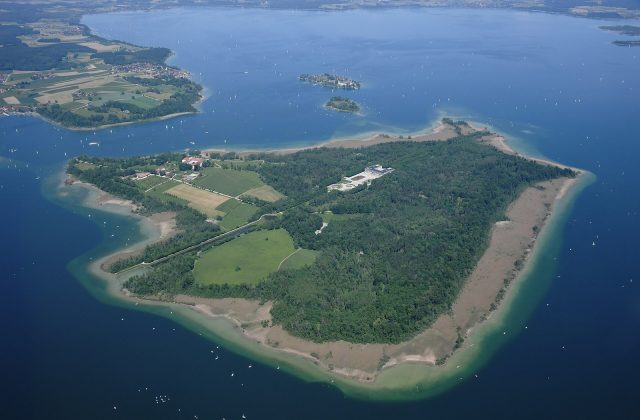
Herreninsel is the largest island in the Chiemsee, Bavaria's biggest lake, about 15 minutes by boat from Prien.
2 tours & trips