Okinawa
Ryukyu Islands, Japan
Okinawa is the main island of Japan's subtropical Ryukyu chain, about 106 km long and some 640 km south of Kyushu.
199 tours & trips
Japan · Seas of Japan & Korea · Nature & wildlife island
Kyushu is the third-largest and southernmost of Japan's four main islands, covering about 36,800 square kilometres with some 12 million people. It is the volcanic, hot-spring end of Japan, with the vast Aso caldera, the smoking cone of Sakurajima, the onsen towns of Beppu and Yufuin, and the layered history of Nagasaki.

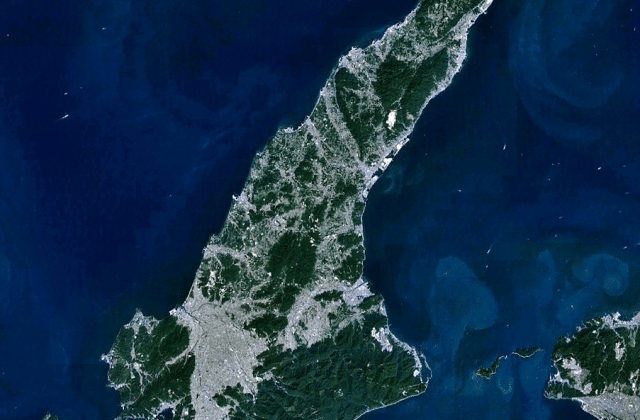
Photo: Mstyslav Chernov/Unframe/www.unframe.com, CC BY-SA 3.0
| Getting there | Shinkansen from Osaka in 2.5 h or Tokyo in about 5 h; flights to Fukuoka; ferries from Busan and Osaka |
|---|---|
| Gateway | Fukuoka (Hakata) |
| Travel time | 2.5 h by shinkansen from Osaka; 2 h flight from Tokyo |
| Days | A week or more |
| Best months | Mar–May and Oct–Nov; rainy Jun–Jul, typhoons Aug–Sep |
| Getting around | Shinkansen and JR trains between cities; rent a car for Aso and the countryside |
| Booking | Onsen ryokan and blossom or autumn-leaf weekends well ahead; trains a day ahead |
| Cost | Mid-range; cheaper than Tokyo or Kyoto |
| Beaches | Not a beach island; Itoshima near Fukuoka, surf on the Miyazaki coast, hot sand baths at Ibusuki |
| Sea | Seas of Japan & Korea |
| Area | 36,782 km² |
| Population | 12 million (2025) |
| Highest point | 1,791 m (Mount Kuju (Nakadake)) |
| Airport | Yes, scheduled flights |
| Car-free | No |
| Bridge | Road bridge or causeway to the mainland |
| UNESCO | Sites of Japan's Meiji Industrial Revolution; Hidden Christian Sites in the Nagasaki Region |
| Checked | October 2026 |
Kyushu is big, so what is sold is mostly day tours from one of its cities rather than anything covering the whole island. Fukuoka is the main base, with coach and minibus trips to the Aso caldera, the onsen towns of Yufuin and Beppu, gorges and shrines inland, and seasonal outings for wisteria in spring or maple leaves in autumn. These usually include transport, a tour leader and entrance fees; lunch, hot-spring baths and optional rides are often extra.
From Kumamoto, tours pair the castle with the grasslands and crater of Aso. From Kagoshima, trips go to Sakurajima, and in the north there are visits to the pottery towns of Saga, the Yayoi-era ruins at Yoshinogari and even across the strait to the limestone cave of Akiyoshido.
Chartered cars with a driver for about nine hours, from Fukuoka, Nagasaki, Oita, Saga or Miyazaki, are the most flexible option and work out reasonably for a family or group of four. Smaller niche products include horse riding on the Aso grasslands and kimono or culture sessions in Fukuoka.
The plain recommendation: travel between the cities by train on your own and book one or two day tours for the places trains serve badly, above all Aso.
Kyushu's largest city is the usual arrival point, an easy-going port known for Hakata ramen and the open-air food stalls, yatai, that set up along the river in the evening. Spend a day between Ohori Park, the castle ruins and the old temple quarter, then take a train of 30 to 40 minutes to Dazaifu, whose shrine to the patron of learning draws millions a year.
In the centre of the island, one of the world's largest calderas holds towns, rice fields and grazing land inside a rim about 25 km long. The active Nakadake crater can be approached when gas levels allow, and the Kusasenri meadow below it is the classic view. It is about an hour by car from Kumamoto; trains reach the caldera, but buses inside it are sparse.
The port that stayed open to the West through Japan's centuries of isolation mixes Dutch, Chinese and Portuguese traces with the memory of the atomic bomb of 9 August 1945. See the Peace Park and the Atomic Bomb Museum, the rebuilt Dutch trading post of Dejima and Glover Garden above the harbour, then take a boat to Hashima, the abandoned coal-mining island nicknamed Battleship Island.
On the east coast, Beppu sits on so many hot springs that steam rises from drains and gardens. Tour the hells, coloured pools far too hot to bathe in, then try a sand bath or one of the cheap public baths. Yufuin, about an hour inland below the twin peaks of Mount Yufu, is the quieter and prettier onsen village, best for a night in a ryokan.
One of Japan's great castles, with curved stone walls built to defeat climbers, was badly damaged in the earthquakes of 2016. The main keep has been restored and reopened, while repairs to the walls and turrets continue and can be watched from raised walkways. Combine it with Suizenji garden, about 20 minutes away by tram, and a meal of local horse-meat sashimi.
At the southern end of the shinkansen line, Kagoshima faces Sakurajima across the bay, a volcano that puffs out small ash plumes frequently. A ferry runs around the clock and takes about 15 minutes; on the island, lava fields, viewpoints and a free foot bath bring you close to the mountain. Further south, Ibusuki is known for burying bathers in naturally heated sand.
Our pick for each kind of trip, with live dates and prices. Free cancellation on most.
Best for: Aso and Kumamoto Castle in one day
Covers the two big sights of central Kyushu without a car: the restored castle in Kumamoto and the grassland and crater views of the Aso caldera.
Kyushu is joined to Honshu by rail and road tunnels and by the Kanmon Bridge over a narrow strait, so most visitors arrive by train. The Sanyo Shinkansen reaches Hakata in Fukuoka in about 2.5 hours from Osaka and about five from Tokyo, then the Kyushu Shinkansen continues south to Kumamoto and Kagoshima, and a separate line runs west to Nagasaki. Fukuoka Airport, only two subway stops from Hakata station, has frequent flights from Tokyo and many Asian cities, and Kagoshima, Kumamoto, Nagasaki, Oita and Miyazaki have airports too. Overnight ferries link Osaka and Kobe with Beppu and northern Kyushu, and fast and slow boats cross from Busan in South Korea to Fukuoka. Hire cars are easy to arrange at airports and main stations.
Between the cities, trains are quick and frequent: Hakata to Kumamoto takes about 35 minutes by shinkansen and to Kagoshima about 1.5 hours. Regional rail passes covering northern Kyushu or the whole island can pay off on longer trips, and scenic sightseeing trains run to Yufuin and Aso. Inside cities, subways, trams and buses work well. For Aso, the Miyazaki coast and rural areas, rent a car: roads are good and quiet, though you need an international driving permit and traffic keeps to the left.
Spring and autumn are the best seasons. Late March and early April bring cherry blossom, followed by azaleas on the Aso and Kuju highlands in May, while October and November are dry and clear, with autumn colour in the mountains from early November. Prices and crowds peak during Golden Week at the start of May and on autumn weekends.
The rainy season usually covers June and much of July, with downpours that sometimes cause landslides. High summer is hot and humid, and August and September are typhoon months, when trains and ferries can stop for a day or two. Winter is mild on the coast but cold and sometimes snowy in the mountains, a good time for hot springs and empty sights. Fukuoka's Hakata Gion Yamakasa festival fills the city in the first half of July, and Nagasaki Kunchi takes over the port in early October. A week covers the main cities; ten days lets you slow down.
Fukuoka makes the best first base: the airport is close, the food is excellent and day trips run in every direction. Kumamoto suits Aso and the castle, and Kagoshima the volcanic south. Spend at least one night in a ryokan in Beppu, Yufuin or Kurokawa Onsen near Aso, where the price usually includes dinner and breakfast. Nagasaki deserves a night of its own for the harbour lights after dark.
Kyushu is the part of Japan nearest Korea and China, and it was often first to receive what came from the mainland: wet-rice farming, seen at the great Yayoi settlement of Yoshinogari, and later Buddhism and trade. Mongol fleets attacked Hakata Bay in 1274 and 1281 and were driven off, helped by storms. Portuguese traders and missionaries arrived in the 1540s, and under the closed-country policy Nagasaki's Dejima was Japan's only window on Europe. Samurai from Satsuma helped overthrow the shogun in 1868, and Kyushu's coal and steel powered Japan's industrial rise, now part of a UNESCO listing.
From Fukuoka, fast ferries cross to Busan in about three and a half hours, so Kyushu pairs easily with South Korea. Hiroshima is about an hour from Hakata by shinkansen, a natural first or last stop together with Miyajima. To the south, ferries and flights from Kagoshima reach Yakushima and its ancient cedar forest, and flights continue to Okinawa.
Shinkansen from Osaka in 2.5 h or Tokyo in about 5 h; flights to Fukuoka; ferries from Busan and Osaka.
From Fukuoka (Hakata): 2.5 h by shinkansen from Osaka; 2 h flight from Tokyo.
A week or more.
Mar–May and Oct–Nov; rainy Jun–Jul, typhoons Aug–Sep.
Shinkansen and JR trains between cities; rent a car for Aso and the countryside.
Go if you want volcanoes, hot springs, good food and Nagasaki's history with fewer crowds than Kyoto. Skip it or choose the Kansai region of Honshu if this is a short first trip to Japan and the classic temples matter most.
Mid-range; cheaper than Tokyo or Kyoto.
Not a beach island; Itoshima near Fukuoka, surf on the Miyazaki coast, hot sand baths at Ibusuki.
Onsen ryokan and blossom or autumn-leaf weekends well ahead; trains a day ahead.
Yes. Boat trips, guided tours and day trips for Kyushu can be booked online; live prices and free cancellation on most are shown on this page.
Ryukyu Islands, Japan
Okinawa is the main island of Japan's subtropical Ryukyu chain, about 106 km long and some 640 km south of Kyushu.
199 tours & trips
Japan
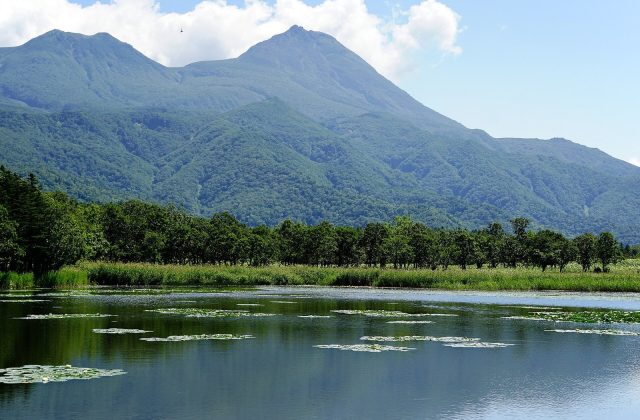
Hokkaido is the northernmost and second-largest of Japan's main islands, almost 78,000 square kilometres of…
84 tours & trips
Japan
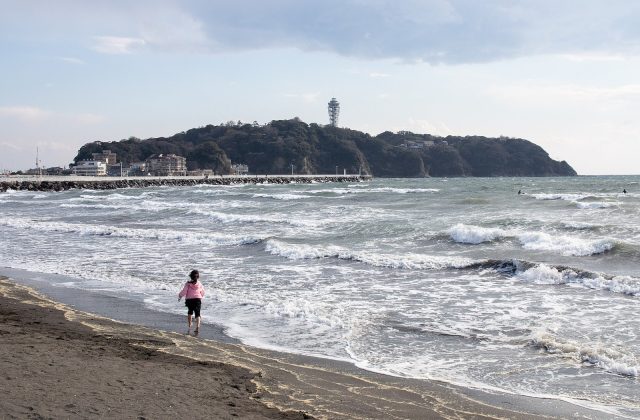
Enoshima is a small, wooded island about 4 km round in Sagami Bay, joined by a bridge to the beach town of Katase,…
61 tours & trips
Yaeyama Islands, Japan
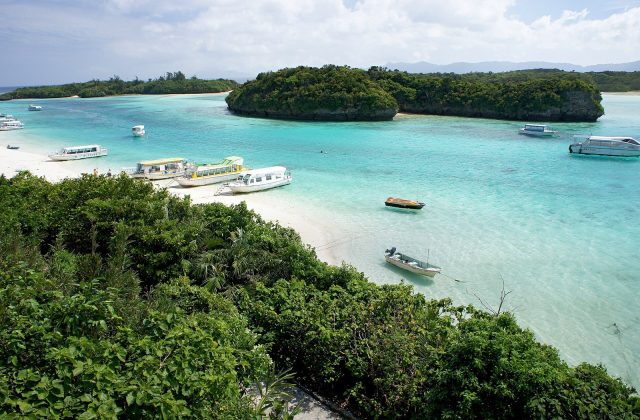
Ishigaki is a subtropical island in the far south of Japan, about 400 km south-west of Okinawa's main island and…
55 tours & trips
Miyako Islands, Japan
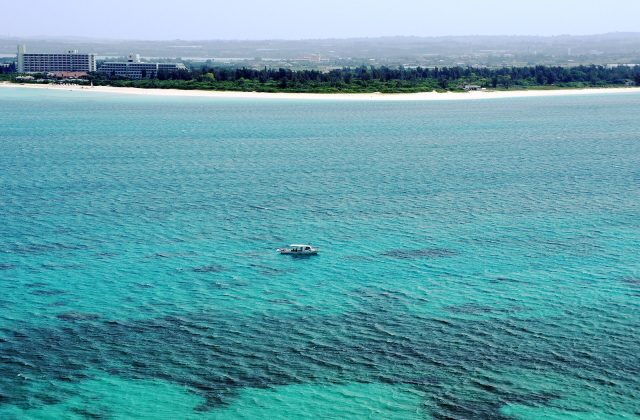
Miyakojima is a flat limestone island of about 159 square kilometres in Okinawa, some 300 km south-west of the main…
38 tours & trips
Japan
Awaji Island is the largest island in the Seto Inland Sea, about 592 square kilometres of farmland, coast and low hills…
22 tours & trips