Aran Islands
Ireland
The Aran Islands are three limestone islands at the mouth of Galway Bay, off the west coast of Ireland, covering about…
19 tours & trips
Ireland · North Sea & Channel · Nature & wildlife island
Ireland's Eye is an uninhabited islet of about 24 hectares lying 1.5 km off Howth harbour, a short train ride from central Dublin. Its cliffs and sea stack hold one of the busiest seabird colonies on the east coast, with gannets, guillemots, razorbills and a few puffins, and a sandy cove where summer boats drop day trippers.
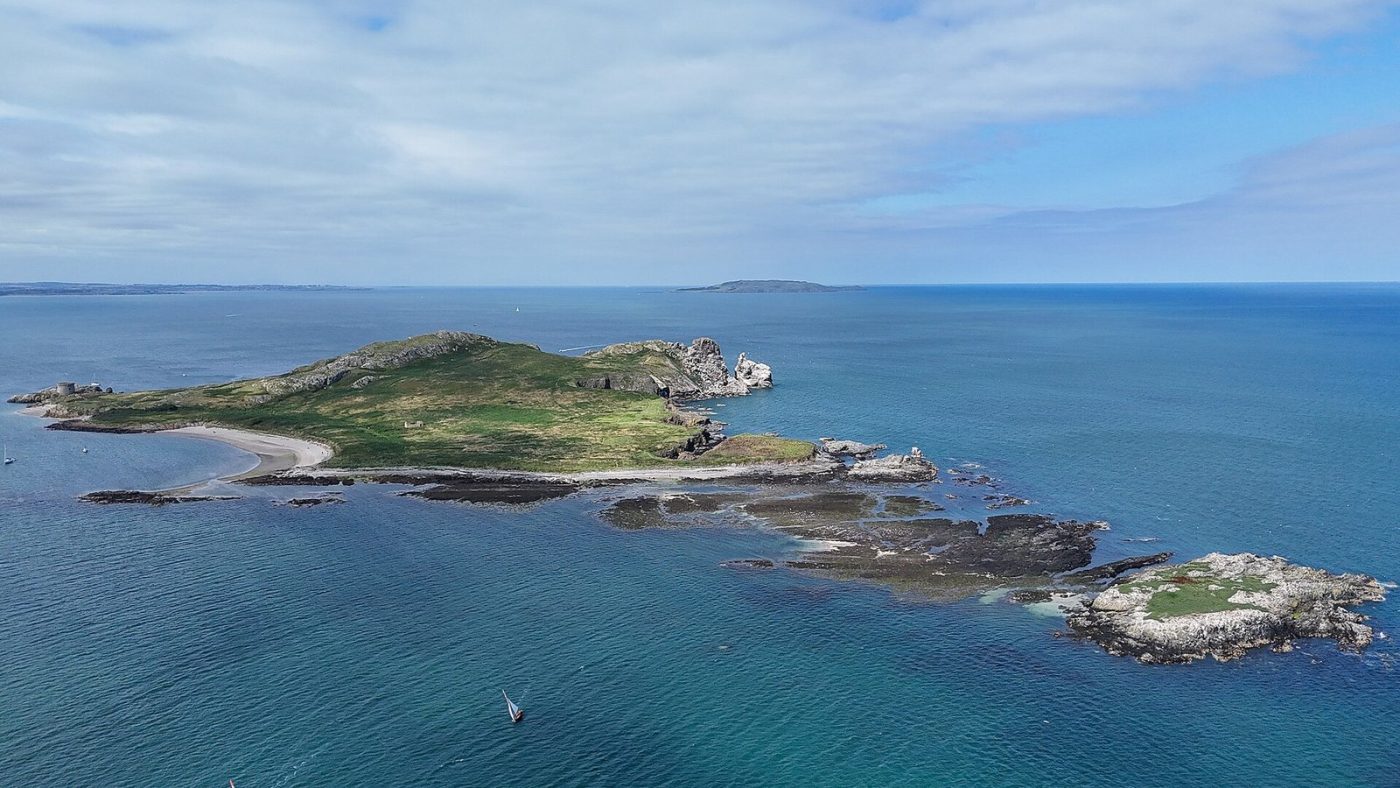
Photo: 瑞丽江的河水, CC BY-SA 4.0
| Getting there | DART train from Dublin to Howth in about 30 min, then a 15-min seasonal boat from the harbour |
|---|---|
| Gateway | Howth (Dublin) |
| Travel time | 15 min by boat from Howth harbour |
| Days | A day trip is enough |
| Best months | May–Sep for boats; Apr–Jul for nesting seabirds; no landings in winter |
| Getting around | On foot only; rough paths, no facilities, water or shelter |
| Booking | Nothing far ahead; check sailings on the day as boats stop in rough seas |
| Cost | Cheap by Dublin standards |
| Beaches | Carrigeen Bay, a small sandy cove on the west side; otherwise rocks and cliffs |
| Sea | North Sea & Channel |
| Area | 0.2 km² |
| Population | Uninhabited |
| Ferry | 15 min from Howth (Dublin) |
| Airport | No |
| Car-free | Yes |
| Checked | October 2026 |
What is sold for Ireland's Eye comes down to two simple products, both run from Howth harbour between spring and early autumn.
The first is a plain landing crossing. A small open boat takes about 15 minutes to reach the beach on the west side of the island, and you agree a return time with the skipper, usually after two to four hours. There is nothing on the island, so this is a picnic and walking trip: you bring the food, the water and a layer against the wind.
The second is a sightseeing cruise of roughly an hour that circles the island without landing. It passes under the cliffs, close to the stack where the gannets nest, and usually runs along the Howth headland and its cliffs before returning. These suit families with small children, people who dislike scrambling ashore from a boat, and anyone visiting outside the main nesting season.
Tickets can be bought at the kiosks on the pier on the day, though booking ahead removes the risk of waiting on a busy summer weekend. Nothing includes food or a guide on land. If the weather is fine and you have half a day, take the landing boat; if you have an hour, the cruise shows more of the birdlife.
The great detached rock off the north-east corner is the heart of the colony. Gannets settled here in the late 1980s and now cover its top in white, while guillemots and razorbills crowd the ledges below. From the boat you see the whole wall; on foot, walk carefully to the cliff edge opposite and keep well back from the drop.
Boats land on the sandy beach of Carrigeen Bay, the best spot for a swim on a calm day. Above its northern end stands a Martello tower built in the early nineteenth century against a feared French invasion. It is not open inside, but the grassy ground around it is the natural place for a picnic with a view of Howth.
A short walk from the landing, the roofless remains of a small medieval church mark the site of a monastery founded in the seventh century by the sons of Nessan. An illuminated gospel book was made here. Little survives beyond the walls and a few stones, but the setting above the shore explains why early monks sought such places.
A rough loop of about two kilometres circles the island over rocks, bracken and thrift. Allow an hour or more with stops. Look for grey seals hauled out on the rocks, cormorants drying their wings and, in early summer, puffins near the cliff tops. There are no fences, so keep children close and avoid disturbing nesting birds.
Back on the mainland, the fishing harbour of Howth is the other half of the day. Walk the long East Pier to the lighthouse, watch seals waiting for scraps by the fish shops, and eat seafood on the West Pier. On weekends a market runs near the station, a two-minute walk from the boats.
If you still have energy, the waymarked cliff path starts at the end of the harbour and climbs round the headland past the Baily lighthouse, with constant views back to Ireland's Eye and the bay. The shorter loops take two to three hours; buses return from the Summit car park to the village.
Our pick for each kind of trip, with live dates and prices. Free cancellation on most.
Best for: Landing on the island for a few hours
The simple return crossing from Howth harbour, which leaves you on the beach to walk, picnic and watch the birds before a later boat picks you up.
Ireland's Eye is reached only by boat from Howth, which is itself easy to get to without a car. DART suburban trains run from the centre of Dublin to Howth in about 30 minutes, several times an hour, and the station is beside the harbour. Buses also run from the city centre, and Dublin Airport is around 20 km away.
The boats leave from the East Pier and the harbour steps from about May to September, with sailings roughly hourly on fine days and more at weekends. The crossing takes 15 minutes in small open boats; wear shoes you can get wet, as you step on and off at the beach. Sailings are cancelled in strong easterly winds or heavy swell, and there is no regular service in winter. Kayakers and private yachts can land too. If you drive, parking in Howth fills up early on sunny weekends.
The island is small and walked on foot only. There are no paved paths, no signs, no toilets, no shop and no drinking water, so carry everything you need and take your rubbish back. The ground is uneven, with steep grassy slopes and loose rock near the cliffs. Sturdy shoes are essential. People with limited mobility will find the landing on the beach awkward and should choose the round-the-island cruise instead.
The boats run from late spring to early autumn, and the best time to visit is May to July, when the seabirds are nesting. The gannets, guillemots and razorbills are present in their thousands from April, the puffins arrive briefly in early summer, and by August many of the cliff-nesting birds have left. Seals are around all year.
Summer temperatures on the Irish east coast are mild, usually in the high teens, and the sea stays cool even in August. Rain and wind can arrive quickly, and a calm morning may turn into a cancelled afternoon, so take an early boat and keep your return time short if the forecast is unsettled. Sunny weekends bring crowds to Howth and long queues for the boats; weekdays are quieter. Half a day on the island plus a meal in Howth is the right amount of time.
Nobody stays on Ireland's Eye, as camping and overnight visits are not provided for. Most visitors base themselves in Dublin and come out by train for the day, which is the easiest plan. Howth itself has guesthouses and a few small hotels close to the harbour, good for a quiet night by the sea and an early boat. Malahide and Sutton, a few stops along the line, are cheaper alternatives with easy access to the coast.
The island has been empty of people for centuries, but it was not always so. Early Christian monks built a church here in the seventh century, and the gospel book known as the Garland of Howth is linked to their community. In 1803 the British built a Martello tower to watch for a French landing. The island is remembered in Ireland for a notorious death in 1852, when a Dublin artist was tried for drowning his wife here. Today it is a protected bird area.
Ireland's Eye fills a morning or afternoon and pairs naturally with the Howth cliff path and a seafood lunch in the harbour. Malahide, with its castle and marina, is 15 minutes away by car. Further down the coast, Dalkey Island off south Dublin is a similar small islet reached by boat from Coliemore Harbour, about an hour across the city.
DART train from Dublin to Howth in about 30 min, then a 15-min seasonal boat from the harbour.
From Howth (Dublin): 15 min by boat from Howth harbour.
A day trip is enough.
May–Sep for boats; Apr–Jul for nesting seabirds; no landings in winter.
No. Ireland’s Eye is car-free. On foot only; rough paths, no facilities, water or shelter.
Go if you want seabirds, seals and a quiet beach within an hour of Dublin city centre. Skip it or choose the Aran Islands or the Skelligs if you want an inhabited island, pubs or a full day of walking. With about 15 min each way from Howth (Dublin), a day trip is easy to do.
Cheap by Dublin standards.
Carrigeen Bay, a small sandy cove on the west side; otherwise rocks and cliffs.
Nothing far ahead; check sailings on the day as boats stop in rough seas.
Yes. Boat trips, guided tours and day trips for Ireland’s Eye can be booked online; live prices and free cancellation on most are shown on this page.
Ireland
The Aran Islands are three limestone islands at the mouth of Galway Bay, off the west coast of Ireland, covering about…
19 tours & trips
Ireland
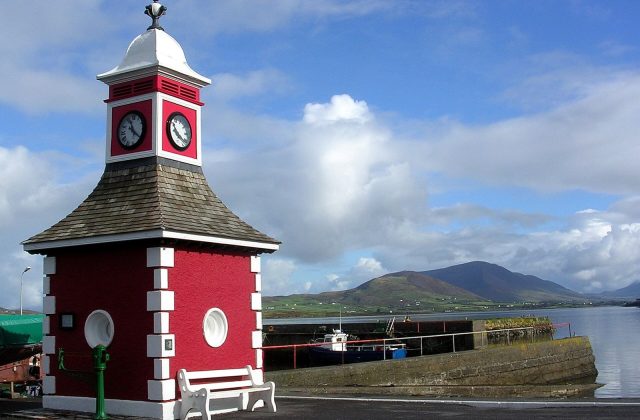
Valentia Island is one of the most westerly points of Ireland, an island about 11 km long off the Iveragh Peninsula in…
6 tours & trips
Skellig Islands, Ireland
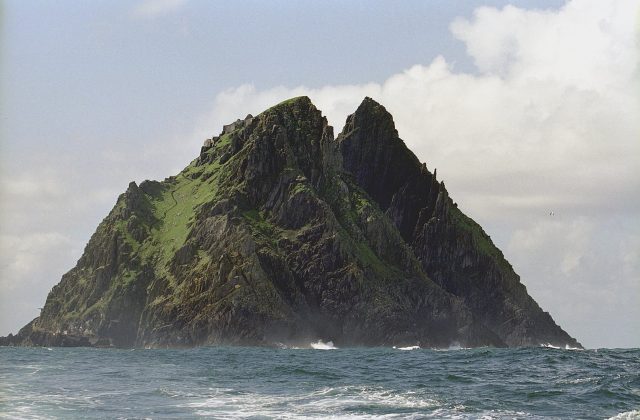
Skellig Michael is a twin-peaked rock rising 218 metres out of the Atlantic about 12 km off the coast of County Kerry,…
3 tours & trips
Ireland
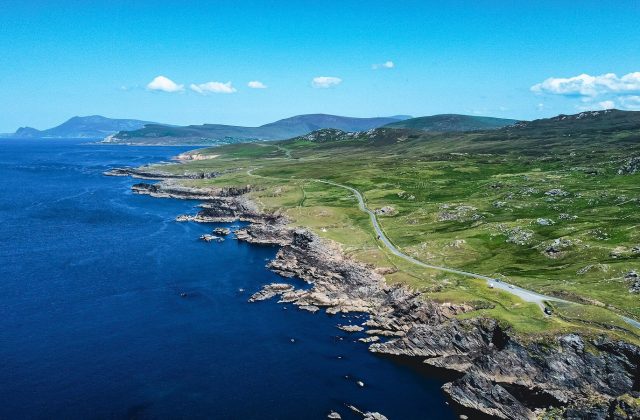
Achill is the largest island off the coast of Ireland, 148 square kilometres of bog, mountain and Atlantic cliffs in…
2 tours & trips
Blasket Islands, Ireland
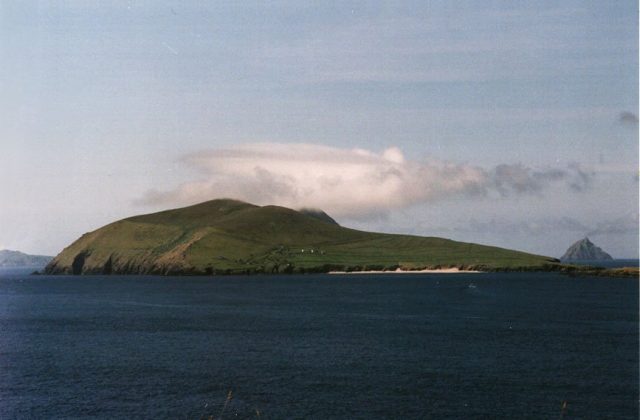
The Great Blasket is a long, grassy ridge in the Atlantic, about 2 km off the tip of the Dingle peninsula in County…
1 tour
Ireland
Spike Island is a 42-hectare island in Cork Harbour, a 15-minute ferry ride from Cobh, almost entirely covered by an…
No tours listed