Waiheke Island
New Zealand
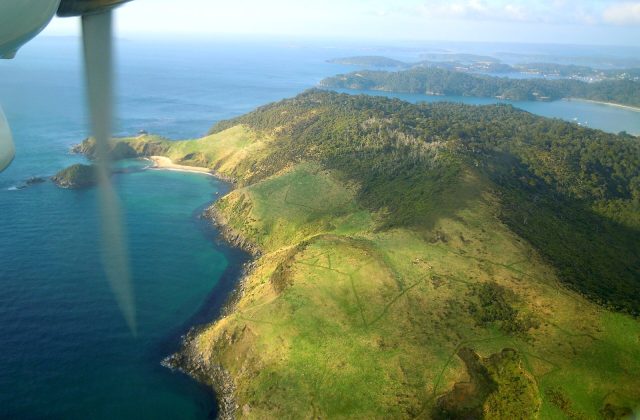
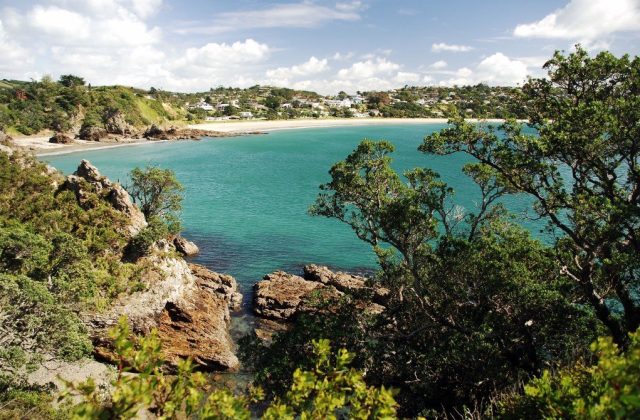
Waiheke Island lies in the Hauraki Gulf, about 40 minutes by fast ferry from downtown Auckland, and is the city's…
39 tours & trips
New Zealand · Pacific Ocean · Nature & wildlife island
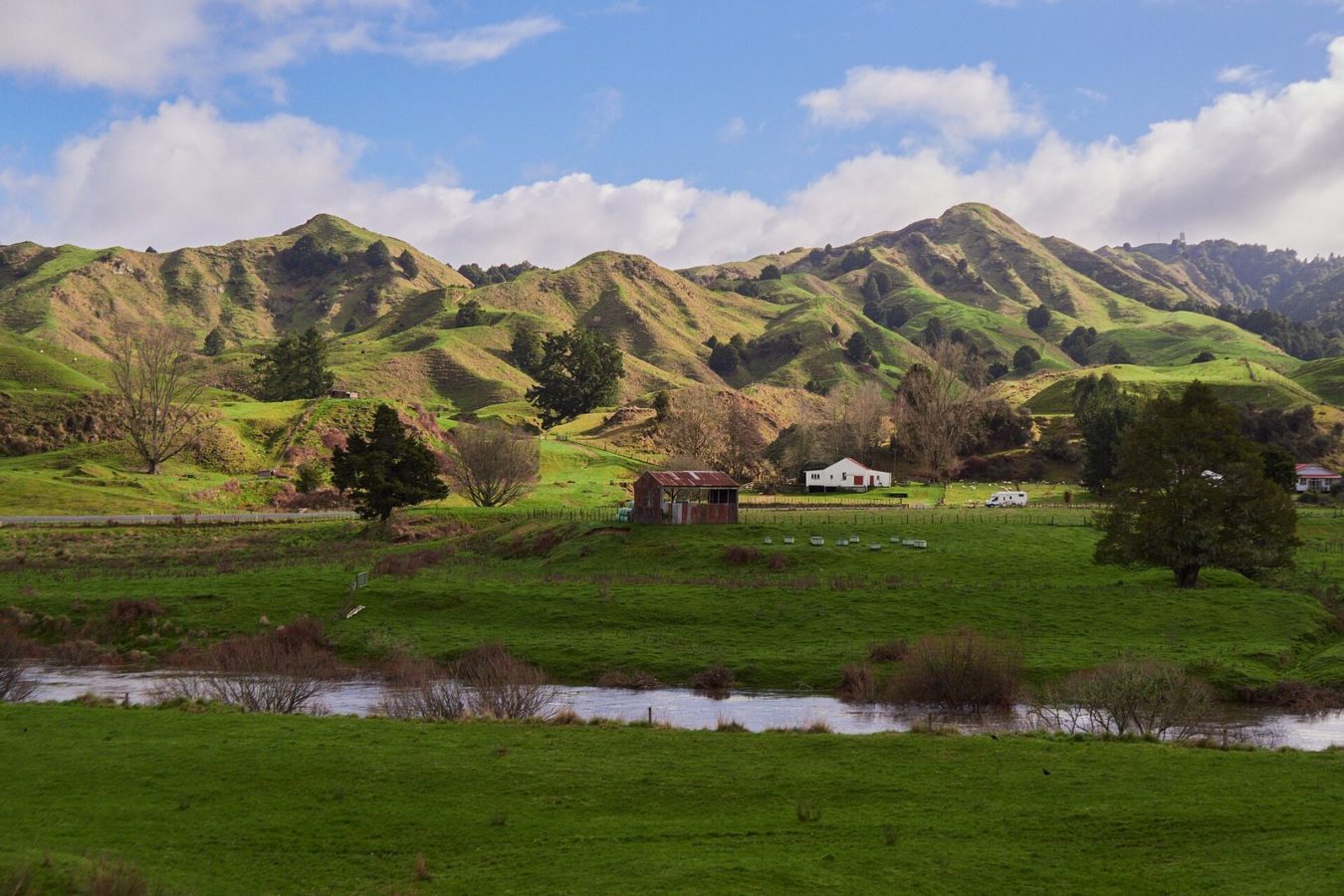
The North Island is the smaller but busier of New Zealand's two main islands, home to three quarters of the population, the cities of Auckland and Wellington and a volcanic plateau topped by Mount Ruapehu at 2,797 metres. It packs geothermal valleys, Maori culture, subtropical beaches and one of the world's great day hikes into a road trip of one to two weeks.
| Getting there | Long-haul flights to Auckland, often via Australia or Asia; ferry from Picton on the South Island in about 3.5 h |
|---|---|
| Gateway | Auckland (international airport) |
| Travel time | 11 to 13 h nonstop from the US west coast |
| Days | A week or more |
| Best months | Dec–Mar (summer); Oct–Nov and April quieter and cheaper |
| Getting around | Rent a car or campervan; long-distance buses and a few scenic trains link the cities |
| Booking | Summer car hire, campervans and the Cook Strait ferry well ahead; Hobbiton days ahead |
| Cost | Mid-range for New Zealand, pricey by world standards |
| Beaches | Golden sand in the north and Coromandel; black volcanic sand on the west coast near Auckland |
| Sea | Pacific Ocean |
| Area | 113,729 km² |
| Population | 3.5 million (2015) |
| Highest point | 2,797 m (Mount Ruapehu) |
| Airport | Yes, scheduled flights |
| Car-free | No |
| UNESCO | Tongariro National Park |
| Checked | November 2026 |
The North Island is too big to see on a single tour, so most visitors hire a car and buy activities as they go. What is sold falls into a few groups.
Day trips from Auckland are the main format for people short of time: coach or minibus days to Rotorua, the Waitomo glowworm caves and the film set at Hobbiton, which are long but cover a lot. They include transport and a guide; entry fees for caves, geothermal parks and the film set are sometimes extra, so read the details.
Hop-on hop-off bus passes and multi-day coach tours suit travellers without a car, with stops of a night or two along a fixed route. Specialist trips include sailing and dolphin cruises in the Bay of Islands, guided walks on the Tongariro Alpine Crossing with transport to the trailhead, kayaking at the marine reserves north of Auckland and golf tours around Wellington.
Mount Ruapehu, at 2,797 metres, is the highest point. Our advice: rent a car for at least a week and book only the experiences that need a guide or have limited places.
Three hours south of Auckland, Rotorua smells of sulphur and steams from its parks. Visit a geothermal reserve for geysers, boiling mud and coloured pools, spend an evening at a Maori cultural village with a hangi meal and soak in the hot pools by the lake. Wai-O-Tapu, half an hour south, has the brightest colours.
This 19-km hike crosses the volcanic plateau between Mount Tongariro and Mount Ngauruhoe, passing steaming vents and the vivid Emerald Lakes. It takes six to eight hours and needs a shuttle between the two trailheads. Check the weather the day before, as conditions on the ridge can turn dangerous even in summer.
New Zealand's largest city is spread over extinct volcanoes; climb Maungawhau for the view. Ferries cross the harbour to Devonport and, in about 40 minutes, to Waiheke Island with its vineyards and beaches. To the west, the black-sand beaches of Piha and Muriwai are under an hour's drive, with strong surf.
Two and a half hours south of Auckland, limestone caves are lit by thousands of glowworms hanging from the ceilings. The classic visit is a short boat ride through a grotto in silence; adventure versions involve floating through underground rivers on inner tubes. It combines easily with Hobbiton, about an hour and a half away.
Three hours north of Auckland, this sheltered bay has around 140 islands, dolphins and calm water for sailing and kayaking. Visit the Waitangi Treaty Grounds, where the founding document of modern New Zealand was signed in 1840, and take the ferry from Paihia to the old whaling town of Russell.
The capital sits on a harbour at the windy southern tip of the island. Spend a day at Te Papa, the national museum, ride the cable car to the botanic garden and eat well in the cafes around Cuba Street. Ferries to the South Island leave from here, so it makes a natural last stop.
Our pick for each kind of trip, with live dates and prices. Free cancellation on most.
Best for: First visit, a day out of Auckland
A small-group day from Auckland that covers lesser-known stops in the Bay of Plenty and Waikato, useful if you are not hiring a car straight away.
Almost all visitors arrive by air at Auckland International Airport, which has direct flights from Australia, Asia and the Pacific, from the west coast of the United States and from South America; from Europe you change on the way. Wellington airport has flights from Australia and many domestic routes.
From the South Island, ferries cross Cook Strait between Picton and Wellington several times a day in about three and a half hours, carrying cars and campervans; rental companies often require you to drop your car on one side and pick up another on the other. Domestic flights link the main cities of both islands in about an hour or two.
Cruise ships call at Auckland, Tauranga, Napier and Wellington in summer.
A car or campervan is the best way to see the island, as many sights are outside towns. Traffic drives on the left, roads are mostly two-lane and winding, and distances take longer than the map suggests. Long-distance buses connect the cities and main tourist towns, and scenic trains run between Auckland and Wellington. Freedom camping is allowed only in marked places. In Auckland and Wellington, buses and ferries make a car unnecessary.
Summer, from December to March, brings the warmest weather, long evenings and the best conditions for beaches and hiking, with temperatures in the mid-20s in Auckland. It is also school holiday season for New Zealanders, so campsites, ferries and popular towns fill up from Christmas to late January.
Spring and autumn, from October to November and in April, are milder, quieter and cheaper, good for touring and wine regions, though the weather changes quickly. Winter, from June to August, is cool and wet in the north but brings skiing on Mount Ruapehu; the alpine crossing is then for guided groups only.
The north is subtropical, so rain can fall at any season. Allow at least a week for Auckland, Rotorua, Taupo and Wellington, and ten days to two weeks to add Northland and Coromandel.
Most road trips use a handful of bases. Auckland suits the first and last nights and day trips to the Gulf islands. Rotorua or Taupo, an hour apart, are central for geothermal sights, the lake and the Tongariro Crossing. Paihia in the Bay of Islands is the base for the north, and Whitianga or Hahei for the Coromandel beaches. Holiday parks with cabins are good value everywhere.
Polynesian voyagers reached the island around the thirteenth century, and it remains the heart of Maori New Zealand, with most of the country's Maori population and many marae. British settlement grew after the Treaty of Waitangi in 1840, followed by decades of war over land in the Waikato and Taranaki. Volcanoes have shaped everything: the Taupo eruption about 1,800 years ago left the largest lake in the country, and the 1886 Tarawera eruption buried villages near Rotorua and destroyed the famous Pink and White Terraces, which had drawn the first tourists.
Most travellers pair the North Island with the South Island: take the ferry from Wellington to Picton across Cook Strait, then drive on to the Marlborough wine region and Abel Tasman. A classic three-week trip spends one week in the north and two in the south. Fiji and the Cook Islands are three to four hours' flight from Auckland.
Long-haul flights to Auckland, often via Australia or Asia; ferry from Picton on the South Island in about 3.5 h.
From Auckland (international airport): 11 to 13 h nonstop from the US west coast.
A week or more.
Dec–Mar (summer); Oct–Nov and April quieter and cheaper.
Rent a car or campervan; long-distance buses and a few scenic trains link the cities.
Go if you want volcanoes, hot springs, Maori culture, beaches and easy road trips between friendly small towns. Skip it or start with the South Island if your priority is glaciers, fjords and big alpine scenery.
Mid-range for New Zealand, pricey by world standards.
Golden sand in the north and Coromandel; black volcanic sand on the west coast near Auckland.
Summer car hire, campervans and the Cook Strait ferry well ahead; Hobbiton days ahead.
Yes. Boat trips, guided tours and day trips for North Island can be booked online; live prices and free cancellation on most are shown on this page.
New Zealand
Waiheke Island lies in the Hauraki Gulf, about 40 minutes by fast ferry from downtown Auckland, and is the city's…
39 tours & trips
New Zealand
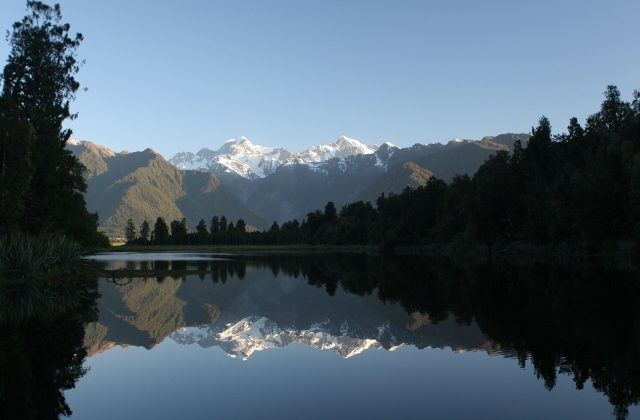
The South Island is the larger of New Zealand's two main islands, about 150,000 square kilometres with only around…
6 tours & trips
New Zealand
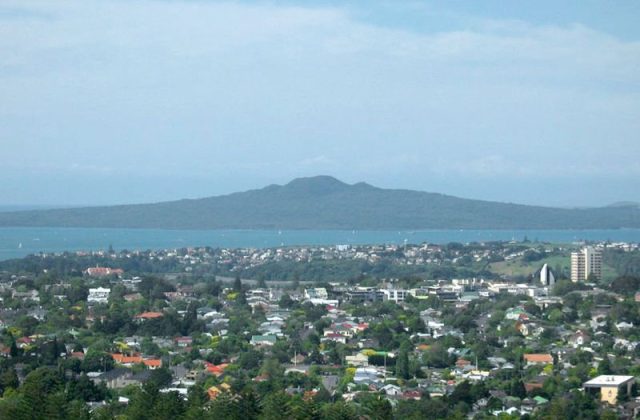
Rangitoto Island is the youngest volcano in the Auckland volcanic field, a symmetrical cone that rose from the Hauraki…
5 tours & trips
New Zealand
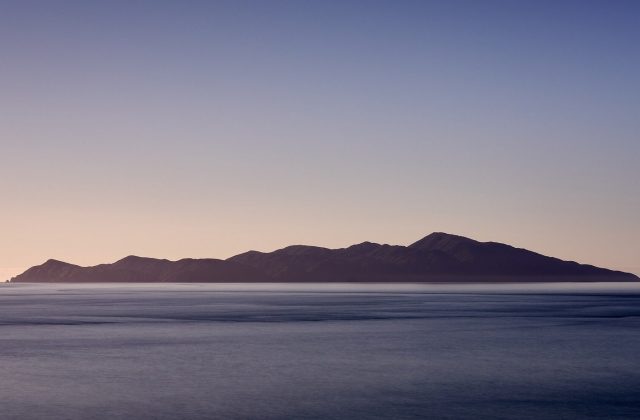
Kapiti Island is a predator-free nature reserve 5.6 km off the Kapiti Coast, an hour north of Wellington.
2 tours & trips
New Zealand
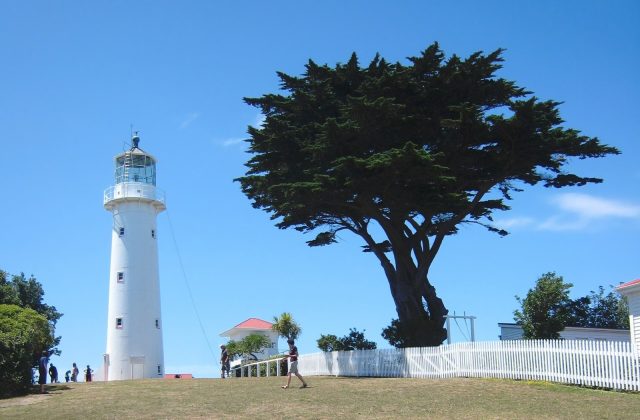
Tiritiri Matangi is a 2.2-square-kilometre open bird sanctuary in the Hauraki Gulf, 3.4 km off the Whangaparāoa…
2 tours & trips
New Zealand
Stewart Island, or Rakiura, is New Zealand's third-largest island, lying 30 km across Foveaux Strait from the…
No tours listed