Waiheke Island
New Zealand
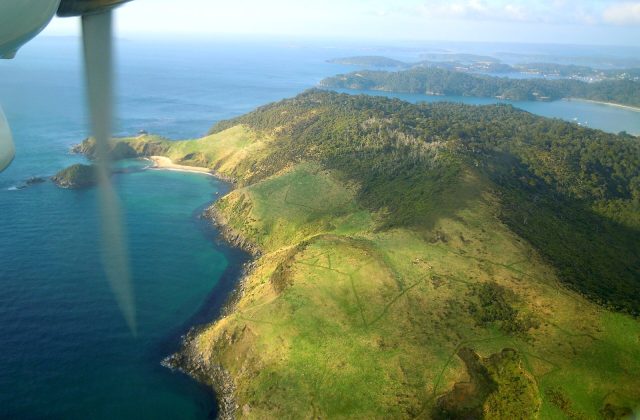
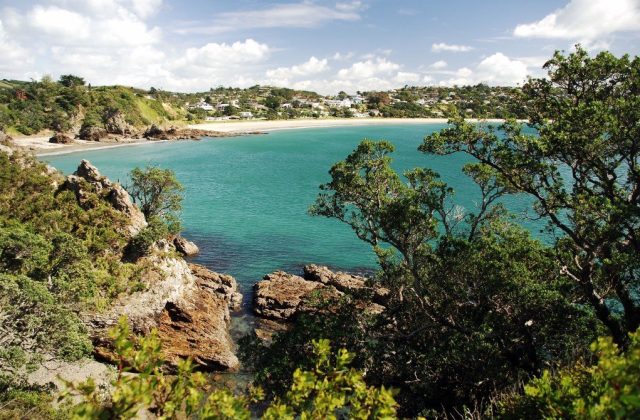
Waiheke Island lies in the Hauraki Gulf, about 40 minutes by fast ferry from downtown Auckland, and is the city's…
39 tours & trips
New Zealand · Pacific Ocean · Nature & wildlife island
The South Island is the larger of New Zealand's two main islands, about 150,000 square kilometres with only around 1.26 million people. The Southern Alps run its whole length, rising to Aoraki/Mount Cook at 3,724 metres, between glaciers and rainforest on the west and dry plains and turquoise lakes on the east.
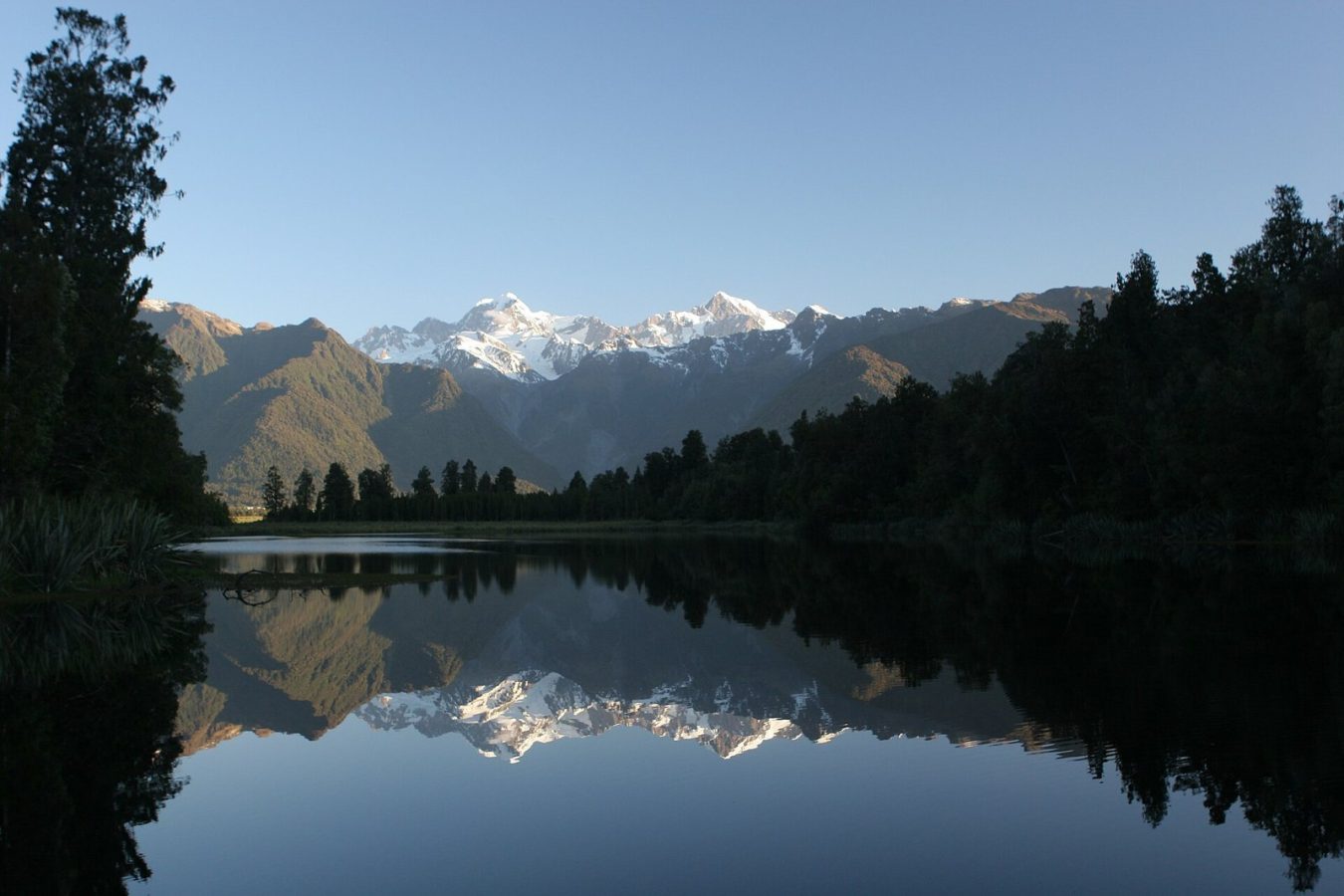
Photo: Ulrich.hoecker, CC BY 3.0
| Getting there | Fly to Christchurch or Queenstown; ferry from Wellington to Picton in about 3.5 h |
|---|---|
| Gateway | Christchurch or Queenstown airports; Wellington ferry |
| Travel time | About 3.5 h by ferry; 1 to 2 h flights from Auckland |
| Days | Two weeks or more |
| Best months | Dec–Mar summer for walks; Mar–Apr calm and golden; Jun–Sep for skiing |
| Getting around | Rent a car or campervan; long-distance buses and two scenic trains |
| Booking | Great Walk huts, campervans and summer rooms months ahead; cruises a few days ahead |
| Cost | Expensive, especially Queenstown and the glaciers |
| Beaches | Golden coves in Abel Tasman; wild black-sand beaches on the West Coast; cold water |
| Sea | Pacific Ocean |
| Area | 150,437 km² |
| Population | 1.3 million (2025) |
| Highest point | 3,724 m (Aoraki / Mount Cook) |
| Airport | Yes, scheduled flights |
| Car-free | No |
| UNESCO | Te Wahipounamu – South West New Zealand |
| Checked | November 2026 |
The South Island is a road-trip destination, and most visitors plan their own route with a rental car or campervan. What is sold reflects that.
For those who do not want to drive, guided multi-day tours run from five days to two weeks, usually starting in Christchurch or Queenstown and covering Lake Tekapo, Aoraki/Mount Cook, Queenstown, Milford Sound and the West Coast glaciers. They include transport, a guide and accommodation, with most meals and activities extra. One six-day tour from Te Anau adds Stewart Island and Fiordland, and another five-day tour runs from Dunedin to Christchurch. Hop-on hop-off bus passes covering both islands suit backpackers.
Most activities are booked locally once you are on the road: cruises on Milford and Doubtful Sounds, glacier helicopter flights at Franz Josef and Fox, whale watching at Kaikoura, kayaking in Abel Tasman, jet boats and bungee in Queenstown, and ski passes for the winter fields around Queenstown and Wanaka.
For a first visit of two weeks, rent a car, book the Milford Sound cruise and the Great Walk huts in advance, and leave the rest flexible.
The most visited fiord sits at the end of a spectacular road from Te Anau, about two hours away, through beech forest and the Homer Tunnel. Cruises of about two hours pass waterfalls and sheer walls to the Tasman Sea. Rain makes the waterfalls better, not worse. Doubtful Sound, reached by boat and bus from Manapouri, is quieter.
In the Mackenzie Basin, the milky blue lakes of Tekapo and Pukaki lead to the highest peak in the country. From Mount Cook village, the Hooker Valley Track, about three hours return, crosses swing bridges to a glacier lake with icebergs. Tekapo lies in a dark sky reserve, so stay a night for the stars.
Queenstown, on Lake Wakatipu below the Remarkables, is the adventure capital: jet boats, bungee, the gondola, wineries in the Gibbston Valley and four ski fields within reach. The old gold town of Arrowtown is 20 minutes away. Wanaka, an hour north over the Crown Range, is a quieter lake town with fine walks.
Franz Josef and Fox glaciers descend from the Alps towards the rainforest, about 25 km apart. Short walks lead to viewpoints of the ice, which has retreated far in recent decades; to stand on the glacier you need a helicopter. Lake Matheson near Fox mirrors the peaks on calm mornings. Expect rain and sandflies.
At the sunny top of the island, near Nelson, golden beaches and granite headlands line a coastal track that takes three to five days end to end. Water taxis from Kaiteriteri and Marahau let you walk one section and ride back, or combine kayaking with walking. Huts and campsites must be booked ahead in summer.
On the east coast, Kaikoura sits below snowy mountains beside a deep sea canyon where sperm whales feed year-round; boat trips also find dolphins and seals. Further south, the Otago Peninsula beyond Dunedin has a breeding colony of royal albatrosses at Taiaroa Head and rare yellow-eyed penguins.
Our pick for each kind of trip, with live dates and prices. Free cancellation on most.
Best for: First visit, the island in nine days
A guided loop that links the main sights, from the lakes and Mount Cook to Queenstown, Milford Sound and the glaciers, for those who would rather not drive.
Christchurch is the main international gateway, with flights from Australia, Asia and connections via Auckland. Queenstown has flights from Auckland, Wellington and several Australian cities, landing between mountains. Domestic flights also serve Nelson, Dunedin, Invercargill and Hokitika.
By sea, two companies run car ferries across Cook Strait from Wellington to Picton, taking about three and a half hours through the Marlborough Sounds. Book ahead in summer, particularly with a car or campervan. Many rental companies prefer that you drop the car in Wellington and pick up another in Picton, which is cheaper than taking it across. Cruise ships call at Akaroa, Dunedin's Port Chalmers and Fiordland.
A car or campervan gives the most freedom. You drive on the left, roads are mostly two lanes, winding and slower than maps suggest, with single-lane bridges and frequent roadworks. Allow far more time than expected. Long-distance buses link the main towns and tourist spots, and Milford Sound coaches leave from Queenstown and Te Anau. Two scenic trains run from Christchurch, across the Alps to Greymouth and north along the coast to Picton. Freedom camping is restricted; use official sites.
Summer, December to March, brings long days, temperatures around 20 to 25 degrees on the east and in Central Otago, and the best conditions for walking; it is also the busiest and most expensive time, especially in January. March and April are often calm, with autumn colours around Wanaka and Arrowtown and fewer people.
Winter, June to September, brings skiing at Queenstown, Wanaka and in Canterbury, snow on the high passes and clear, cold days; some alpine roads need chains. Spring, October and November, is changeable but green, with lambs and waterfalls. The West Coast and Fiordland are wet in every season, so pack rain gear. Allow at least ten days to two weeks for a loop, and more if you plan a multi-day walk.
Most travellers move every night or two rather than staying in one base. Queenstown is the busiest hub, with the most activities and the highest prices; Wanaka and Te Anau are quieter and closer to the walks and fiords. Christchurch suits the start and end of a trip. On the West Coast, stay at Franz Josef or Fox for the glaciers, and in Nelson or Motueka for Abel Tasman. Holiday parks with cabins and campervan sites are everywhere.
Maori call the island Te Waipounamu, the waters of greenstone, after the pounamu found in West Coast rivers and traded across the country; the Ngai Tahu people hold its traditions today. Abel Tasman sighted the coast in 1642 and James Cook charted it in 1770. Sealers and whalers came first, then planned settlements: Scottish Presbyterians at Dunedin and Anglicans at Christchurch. Gold rushes in the 1860s filled Otago and the West Coast. The Christchurch earthquakes of 2010 and 2011 reshaped the city.
Combine the South Island with the North Island via the Wellington ferry or a short flight: Wellington, Rotorua's geothermal parks and the Bay of Islands fit into a three-week trip. Stewart Island, an hour by ferry from Bluff, adds birdlife and remote walking. Many visitors fly into Christchurch and out of Auckland.
Fly to Christchurch or Queenstown; ferry from Wellington to Picton in about 3.5 h.
From Christchurch or Queenstown airports; Wellington ferry: about 3.5 h by ferry; 1 to 2 h flights from Auckland.
Two weeks or more.
Dec–Mar summer for walks; Mar–Apr calm and golden; Jun–Sep for skiing.
Rent a car or campervan; long-distance buses and two scenic trains.
Go if you want mountains, fiords, glaciers and long scenic drives with superb walking at every stop. Skip it or stay on the North Island if you have under a week, want warm beaches and cities, or do not want to drive long distances.
Expensive, especially Queenstown and the glaciers.
Golden coves in Abel Tasman; wild black-sand beaches on the West Coast; cold water.
Great Walk huts, campervans and summer rooms months ahead; cruises a few days ahead.
Yes. Boat trips, guided tours and day trips for South Island can be booked online; live prices and free cancellation on most are shown on this page.
New Zealand
Waiheke Island lies in the Hauraki Gulf, about 40 minutes by fast ferry from downtown Auckland, and is the city's…
39 tours & trips
New Zealand
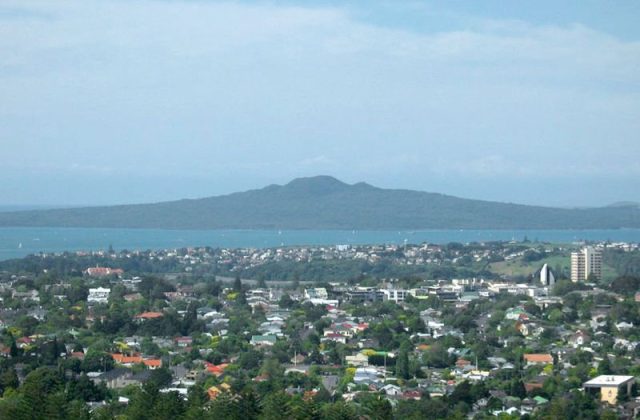
Rangitoto Island is the youngest volcano in the Auckland volcanic field, a symmetrical cone that rose from the Hauraki…
5 tours & trips
New Zealand
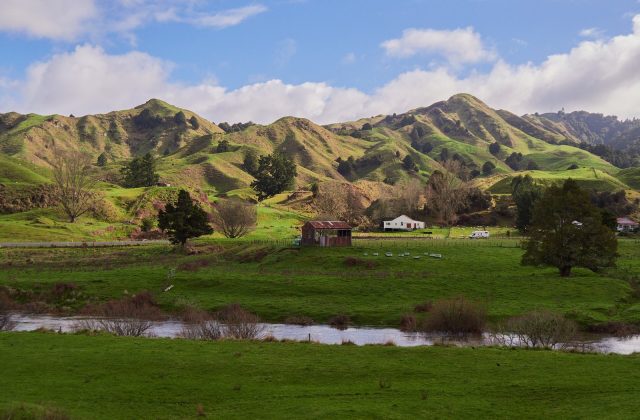
The North Island is the smaller but busier of New Zealand's two main islands, home to three quarters of the…
3 tours & trips
New Zealand
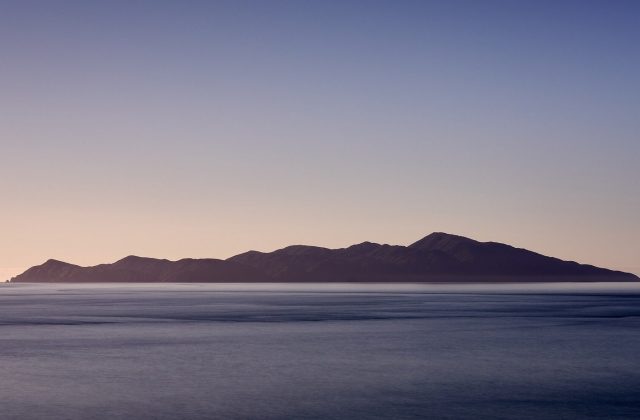
Kapiti Island is a predator-free nature reserve 5.6 km off the Kapiti Coast, an hour north of Wellington.
2 tours & trips
New Zealand
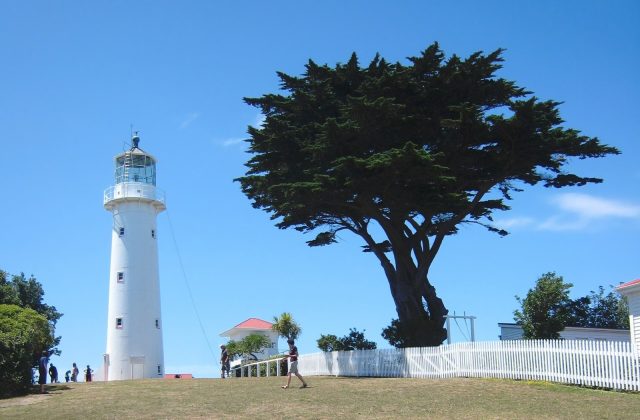
Tiritiri Matangi is a 2.2-square-kilometre open bird sanctuary in the Hauraki Gulf, 3.4 km off the Whangaparāoa…
2 tours & trips
New Zealand
Stewart Island, or Rakiura, is New Zealand's third-largest island, lying 30 km across Foveaux Strait from the…
No tours listed