Waiheke Island
New Zealand
Waiheke Island lies in the Hauraki Gulf, about 40 minutes by fast ferry from downtown Auckland, and is the city's…
39 tours & trips
New Zealand · Pacific Ocean · Nature & wildlife island
Tiritiri Matangi is a 2.2-square-kilometre open bird sanctuary in the Hauraki Gulf, 3.4 km off the Whangaparāoa Peninsula and about 30 km northeast of Auckland. Once bare farmland, it was replanted by volunteers and is now one of the easiest places in New Zealand to see rare native birds such as takahē and kōkako.
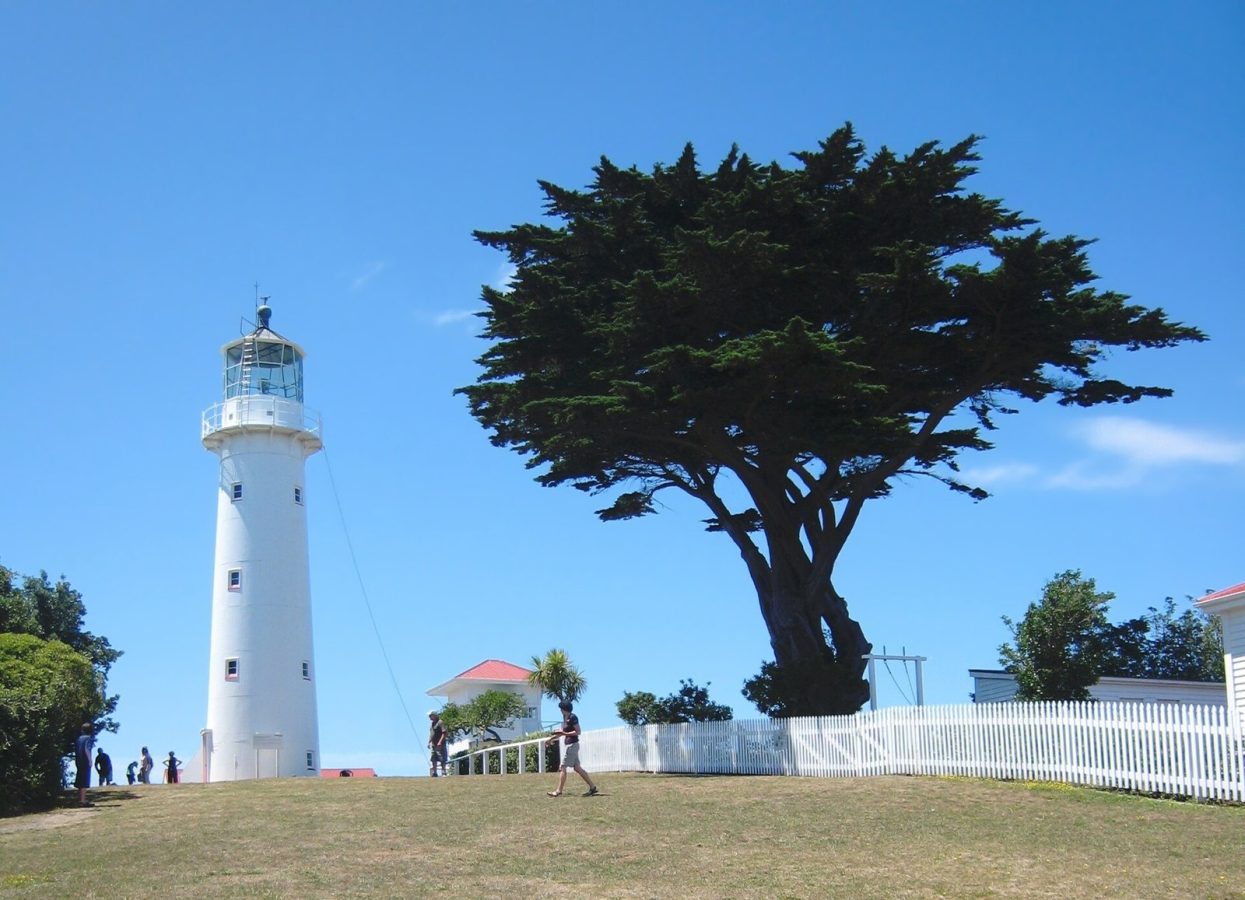
Photo: Avenue, CC BY-SA 3.0
| Getting there | Ferry from Auckland's Downtown Ferry Terminal via Gulf Harbour, about 75 min; not every day |
|---|---|
| Gateway | Auckland (Downtown Ferry Terminal) |
| Travel time | About 75 min by ferry |
| Days | A day trip; one night to hear kiwi |
| Best months | Oct–Mar for birdsong and calm seas; fewer sailings and cooler days in winter |
| Getting around | On foot only: short tracks of 1 to 3 km through bush and along the coast |
| Booking | Ferry and guided walk a week or two ahead in summer; the bunkhouse months ahead |
| Cost | Mid-range for Auckland |
| Beaches | Small sandy beaches at Hobbs Beach near the wharf; swim only in calm weather |
| Sea | Pacific Ocean |
| Area | 2.2 km² |
| Population | Uninhabited |
| Highest point | 80 m |
| Ferry | 1 h 15 min from Auckland (Downtown Ferry Terminal) |
| Airport | No |
| Car-free | Yes |
| Checked | October 2026 |
There are two main ways to visit, and both use the same ferry.
The simple option is the return ferry from downtown Auckland, which also calls at Gulf Harbour on the Whangaparāoa Peninsula. It gives about four to five hours ashore, enough to walk two or three tracks and eat a picnic. On arrival the volunteer supporters of the island offer guided walks of about an hour and a half for a small fee, best booked with the ferry ticket. The guides are very good at finding birds and explaining the restoration, and this is the best value for first-time visitors.
The second option is a full guided nature day with a specialist, often with transport from your hotel, binoculars and lunch included, for people who want to tick off as many species as possible.
There are no boat tours around the island and no food for sale apart from snacks at the small shop, so bring your own lunch and water.
For a deeper visit, the island's bunkhouse lets a few people stay overnight to hear kiwi and see little penguins after dark, but it must be booked far ahead. For most visitors, the ferry plus a guided walk is the right choice.
Volunteers meet the ferry and lead small groups up the Wattle Track or through the bush of the Kawerau Track to the lighthouse, in about 90 minutes. They point out bellbirds, tūī, saddlebacks and stitchbirds and explain how the island was replanted. It is the best introduction, especially if you do not know the birds.
Around the visitor centre and the lighthouse on the island's high ground, takahē, large flightless blue-green birds once thought extinct, graze on the lawns. The cast-iron lighthouse dates from the 1860s. There are toilets, a small shop and picnic tables, and the views reach the Coromandel on clear days.
This boardwalk track climbs through the oldest remaining patch of forest, shaded by large pōhutukawa and pūriri. It is the best place to hear the organ-like song of the kōkako, especially early in the day, and to see fantails and robins. Walk slowly and stop often; the birds come close.
Near the wharf, a short track leads to Hobbs Beach, a small sandy cove with clear water for a summer swim. Along the path, wooden nesting boxes for little penguins have viewing lids, and in the breeding season you may see a bird inside. Lift the lids gently and close them again.
A coastal track follows the east side over grassy headlands with views towards Auckland and the outer gulf islands. In Wattle Valley, water troughs and feeders draw stitchbirds and bellbirds in numbers. Allow time to sit quietly; it is often the best place for photographs before the ferry leaves.
Our pick for each kind of trip, with live dates and prices. Free cancellation on most.
Best for: First visit, a day from Auckland
The return ferry from the city centre, which gives several hours on the island to walk the tracks on your own or join a volunteer-led walk.
A ferry leaves Auckland's Downtown Ferry Terminal on Quay Street in the morning, calls at Gulf Harbour marina on the Whangaparāoa Peninsula and reaches the island's wharf after about 75 minutes. It returns in the mid-afternoon. It runs on several days each week but not daily, with more sailings in the summer holidays, and it is cancelled in rough seas.
Joining at Gulf Harbour shortens the crossing to about 20 minutes and has easy parking, useful if you are driving from the north.
Before boarding, check your bags, shoes and clothes for seeds, soil and insects: the island is pest-free and biosecurity checks are strict. Private boats can visit, but landing rules apply.
Tiritiri Matangi is explored on foot. A network of tracks, from 1 to 3 km each, links the wharf, the lighthouse, the bush gullies and the coast, and most are well formed, with some steps and boardwalks.
The steepest climb is from the wharf to the lighthouse, about 80 metres. Allow time to stop and listen. Wear good shoes, carry a raincoat and sunscreen, and leave food covered, since birds are bold.
The island is open all year, but spring and summer from October to March are the best time. Birds are breeding and singing, chicks are about, the sea is calmer and summer days reach 22 to 25 degrees. The dawn chorus is famous, though day visitors arrive a few hours later.
From December to February the ferry runs more often and fills up during the school holidays, so book early. The water around Hobbs Beach reaches about 20 degrees in February.
Winter from June to August is cooler, wetter and windier, with fewer sailings and more cancellations, but the birds are still easy to see around the feeders.
A day trip is enough for most people, while one night in the bunkhouse lets you hear kiwi after dark.
Most visitors stay in Auckland. The central city near the waterfront is the most convenient for the morning ferry. If you are driving, the Whangaparāoa Peninsula and Orewa on the Hibiscus Coast have motels and holiday rentals near Gulf Harbour. On the island itself there is one bunkhouse with shared rooms and a kitchen, booked through the conservation department months in advance.
Māori of the Kawerau people settled the island first, followed for a time by Ngāti Pāoa, using it for shark fishing and gardens. Its name means tossed by the wind. After the government bought it, much of the forest was cleared for grazing, and the lighthouse keepers farmed it until the 1970s. From 1984 volunteers planted hundreds of thousands of native trees, pests were removed, and rare birds were released. It is now run by its supporters with the Department of Conservation.
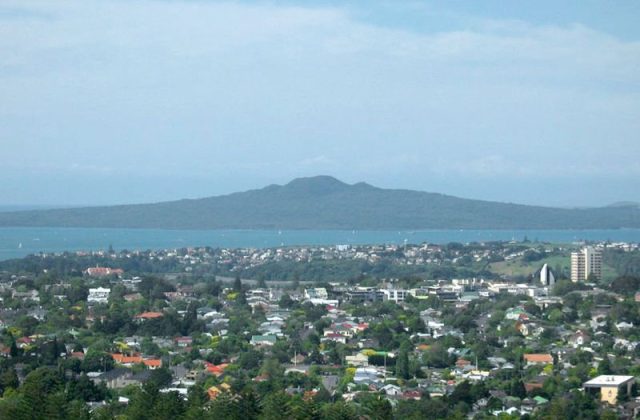
Combine the island with Auckland's waterfront and with other Hauraki Gulf trips: Rangitoto, the young volcano, is 25 minutes by ferry, and Waiheke, with vineyards and beaches, about 40 minutes. Shakespear Regional Park at the tip of the Whangaparāoa Peninsula is another pest-free reserve, with walks and beaches, a short drive from Gulf Harbour.
Ferry from Auckland's Downtown Ferry Terminal via Gulf Harbour, about 75 min; not every day.
From Auckland (Downtown Ferry Terminal): about 75 min by ferry.
A day trip; one night to hear kiwi.
Oct–Mar for birdsong and calm seas; fewer sailings and cooler days in winter.
No. Tiritiri Matangi is car-free. On foot only: short tracks of 1 to 3 km through bush and along the coast.
Go if you want to hear and see rare native New Zealand birds up close on an easy day trip from Auckland. Choose Rangitoto or Waiheke instead if you want a volcano climb, wine or swimming beaches rather than birdwatching. With about 1 h 15 min each way from Auckland (Downtown Ferry Terminal), a day trip is easy to do.
Mid-range for Auckland.
Small sandy beaches at Hobbs Beach near the wharf; swim only in calm weather.
Ferry and guided walk a week or two ahead in summer; the bunkhouse months ahead.
Yes. Boat trips, guided tours and day trips for Tiritiri Matangi can be booked online; live prices and free cancellation on most are shown on this page.
New Zealand
Waiheke Island lies in the Hauraki Gulf, about 40 minutes by fast ferry from downtown Auckland, and is the city's…
39 tours & trips
New Zealand
The South Island is the larger of New Zealand's two main islands, about 150,000 square kilometres with only around…
6 tours & trips
New Zealand
Rangitoto Island is the youngest volcano in the Auckland volcanic field, a symmetrical cone that rose from the Hauraki…
5 tours & trips
New Zealand
The North Island is the smaller but busier of New Zealand's two main islands, home to three quarters of the…
3 tours & trips
New Zealand
Kapiti Island is a predator-free nature reserve 5.6 km off the Kapiti Coast, an hour north of Wellington.
2 tours & trips
New Zealand
Stewart Island, or Rakiura, is New Zealand's third-largest island, lying 30 km across Foveaux Strait from the…
No tours listed