Tenerife
Canary Islands, Spain
Tenerife is the largest of the Canary Islands, 2,034 square kilometres of Atlantic volcano off north-west Africa,…
723 tours & trips
Spain · Atlantic Ocean · Beach island
Fuerteventura is the second-largest of the Canary Islands and the closest to Africa, about 97 km off the Moroccan coast. It is the oldest and driest island of the group, a landscape of bare brown hills and old volcanoes ringed by more than 150 km of beaches, with white dunes at Corralejo and some of Europe's best wind for surfers and kitesurfers.
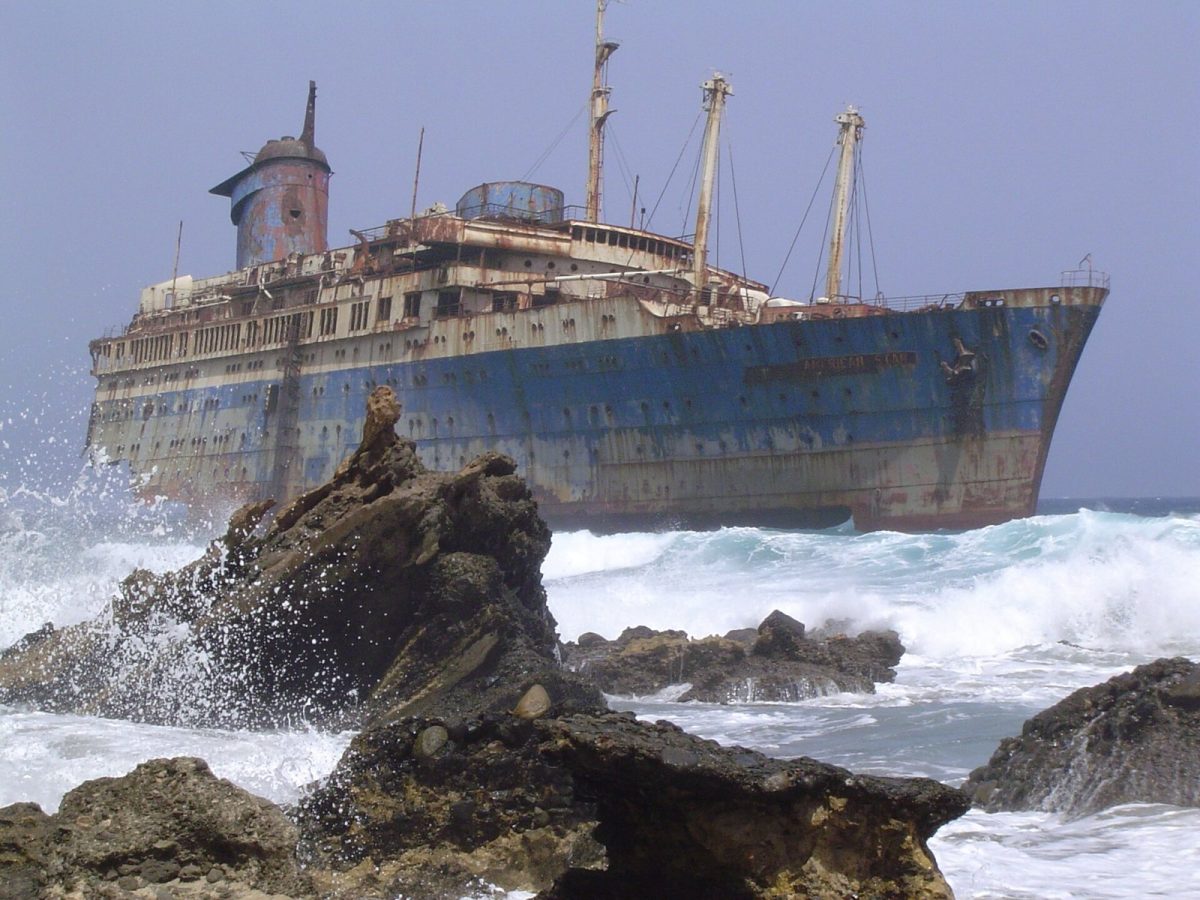
Photo: Wollex, CC BY-SA 3.0
| Getting there | Direct flights from most of Europe; 30-min ferry from Lanzarote, ferries from Gran Canaria |
|---|---|
| Gateway | Fuerteventura airport (Puerto del Rosario) |
| Travel time | About 4 h by air from London, 2.5 h from Madrid |
| Days | A week |
| Best months | All year; Apr–Jun and Sep–Oct best; Jun–Aug windiest; Dec–Feb mild |
| Getting around | Rent a car; buses link the airport and resorts; 4x4 or tour for Cofete |
| Booking | Car hire and flights for school holidays early; Lobos boats and lessons a day or two ahead |
| Cost | Mid-range, slightly cheaper than mainland Spain |
| Beaches | Long white and golden sand: Corralejo dunes, Sotavento lagoon, Cofete; surf at El Cotillo |
| Sea | Atlantic Ocean |
| Archipelago | Canary Islands |
| Area | 1,660 km² |
| Population | 127,043 (2024) |
| Highest point | 807 m (Pico de la Zarza) |
| Airport | Yes, scheduled flights |
| Car-free | No |
| Checked | October 2026 |
Fuerteventura is an island for doing rather than seeing, and most of what is sold reflects that.
Water sports lead. Surf schools in Corralejo, El Cotillo and the south run one-day lessons and courses of several days, with transport to the beach of the day; kitesurfing, windsurfing and wing foiling are taught at Sotavento and in the north. Kayaking with snorkelling, paddleboards, jet skis and trial dives fill out the list.
Boat trips are the second group. The favourite is a catamaran from Corralejo to the islet of Lobos, with swimming, snorkelling and usually lunch and drinks; simpler ferries just drop you there for the day. From Morro Jable in the south, sailing trips and dolphin-watching boats go along the Jandía coast.
On land, jeep safaris run to the wild beach of Cofete, and quad and buggy tours cross the dry interior. Full-day coach tours visit Betancuria, the Ajuy caves and the dunes, and day trips cross to Lanzarote for its volcanoes.
Our advice: with a car you can see the island yourself, so spend your budget on a Lobos trip and a lesson in whichever sport tempts you.
South of the resort of Corralejo, a natural park protects white sand dunes that roll down to long beaches of shallow turquoise water, with Lobos and Lanzarote on the horizon. The main road runs through the park, so you can stop anywhere and walk in. Stone windbreaks give shelter on breezy days.
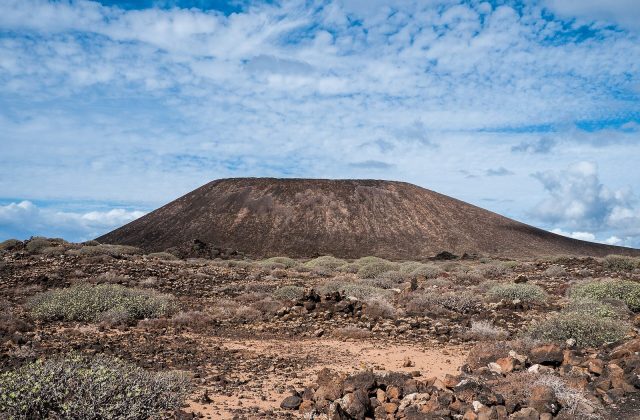
This small protected island lies 2 km off Corralejo, reached by boat in about 15 minutes. Paths circle it in a few hours, passing a lighthouse and an old volcano that you can climb for the view; the sheltered lagoon of La Concha is ideal for swimming. Visitor numbers are limited, so book in advance.
On the far side of the Jandía peninsula, an empty beach stretches for kilometres beneath a wall of mountains. It is reached by a long dirt track from Morro Jable, about an hour each way; check your rental terms first. Currents are strong, so swimming is dangerous. The isolated Villa Winter stands on the hillside above.
On the south-east coast of Jandía, the tide floods a long sandbar to form a shallow lagoon backed by white beaches, a world-class spot for windsurfing and kitesurfing. At low tide you can walk far out across the sand. It lies a few minutes south of Costa Calma.
The first capital of the Canaries, founded in the early 15th century, hides in a valley in the western hills, with a fortified church and white houses. The drive there from Puerto del Rosario climbs to viewpoints over the barren mountains, and the oasis of Vega de Río Palmas with its palms lies just south.
At the fishing village of Ajuy on the west coast, a cliff path leads to sea caves carved in the oldest rocks of the Canaries. In the north, El Cotillo has calm lagoons for children on one side, wild surf beaches on the other, and a small harbour with fish restaurants.
Our pick for each kind of trip, with live dates and prices. Free cancellation on most.
Best for: First visit, Lobos by catamaran
A relaxed sail from Corralejo to the small protected island of Lobos, with time to swim and snorkel and a paella lunch on board.
Fuerteventura airport lies 5 km south of the capital, Puerto del Rosario, with direct flights from most of Europe, around four hours from Britain and two and a half from Madrid, and short inter-island flights from Gran Canaria and Tenerife.
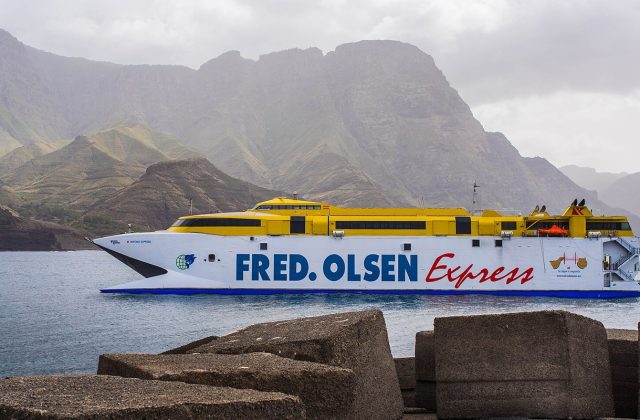
Ferries from Playa Blanca on Lanzarote reach Corralejo in about 30 minutes, several times a day, making a day trip between the islands easy. Ships from Morro Jable cross to Gran Canaria in a few hours, and Puerto del Rosario has services to Gran Canaria and Lanzarote. Cruise ships call at Puerto del Rosario. Check your rental contract before taking a car on a ferry, as some companies forbid it.
The island is long, about 100 km from end to end, so a rental car is the easiest way to explore; the main roads are good and quiet. Buses link the airport and Puerto del Rosario with Corralejo, Caleta de Fuste, Costa Calma and Morro Jable, but rarely the villages. Dirt tracks lead to Cofete and many western beaches; ordinary rental contracts often exclude them. Bikes and e-bikes are popular, but the wind makes cycling hard work.
Fuerteventura has sun and mild warmth all year, with almost no rain: around 21 degrees in winter and 28 to 30 in summer. The sea ranges from about 18 degrees in February to 23 in September. The trade winds blow hardest from June to August, which brings kitesurfers and windsurfers but can make beaches sandblasted and uncomfortable.
Spring and autumn are the best compromise, with calmer air and warm water. Winter is popular with northern Europeans and surfers, as Atlantic swells hit the north and west coasts. School holidays raise prices. Calima, dusty Saharan air, can occasionally haze the sky. The windsurfing and kitesurfing world championships at Sotavento in summer draw crowds. A week lets you see the island and spend time on the beach.
Corralejo in the north is the liveliest base, close to the dunes, the Lobos boats, the surf schools and the Lanzarote ferry. Caleta de Fuste near the airport is a family resort with calm water. Costa Calma and Morro Jable on the Jandía peninsula have the longest beaches, big hotels and Sotavento nearby. El Cotillo suits surfers and those who want a quieter village with sunsets.
The native Majos divided the island into two kingdoms, separated by a stone wall across the Jandía isthmus. The Norman adventurer Jean de Béthencourt conquered it for Castile in the early 15th century and founded Betancuria, safely inland from pirates. For centuries the islanders lived from goats, cereals and lime, and the dry plains still hold windmills, lime kilns and the famous Majorero goat cheese. The writer Miguel de Unamuno was exiled here in 1924. Mass tourism arrived from the 1970s, and the island became a UNESCO biosphere reserve in 2009.
Lanzarote, with its volcanoes and Manrique sites, is 30 minutes from Corralejo by ferry, an easy day trip or a second week. Lobos is a short boat ride off the north coast. Gran Canaria is a few hours by ferry from Morro Jable or a short flight, and Tenerife is reached by air.
Direct flights from most of Europe; 30-min ferry from Lanzarote, ferries from Gran Canaria.
From Fuerteventura airport (Puerto del Rosario): about 4 h by air from London, 2.5 h from Madrid.
A week.
All year; Apr–Jun and Sep–Oct best; Jun–Aug windiest; Dec–Feb mild.
Rent a car; buses link the airport and resorts; 4x4 or tour for Cofete.
Go if you want long, empty beaches, reliable sunshine, and wind or waves for surfing and kitesurfing. Skip it or choose Lanzarote or Tenerife if you want dramatic sights, green mountains and lively towns.
Mid-range, slightly cheaper than mainland Spain.
Long white and golden sand: Corralejo dunes, Sotavento lagoon, Cofete; surf at El Cotillo.
Car hire and flights for school holidays early; Lobos boats and lessons a day or two ahead.
Yes. Boat trips, guided tours and day trips for Fuerteventura can be booked online; live prices and free cancellation on most are shown on this page.
Canary Islands, Spain
Tenerife is the largest of the Canary Islands, 2,034 square kilometres of Atlantic volcano off north-west Africa,…
723 tours & trips
Canary Islands, Spain
Gran Canaria is a round volcanic island of 1,560 square kilometres in the Canaries, rising from the dunes of Maspalomas…
350 tours & trips
Canary Islands, Spain
Lanzarote is the easternmost of the Canary Islands, about 125 km off the coast of Africa, a low island of black lava…
273 tours & trips
Canary Islands, Spain
La Palma is the most north-westerly of the Canary Islands, a steep green volcanic island of about 708 square kilometres…
76 tours & trips
Canary Islands, Spain
Isla de Lobos is an uninhabited volcanic islet of under 5 square kilometres, 2 km off the northern tip of Fuerteventura…
28 tours & trips
Canary Islands, Spain
La Gomera is one of the smallest Canary Islands, a round volcanic island about 22 km across, cut by deep ravines and…
16 tours & trips