Gran Canaria
Canary Islands, Spain
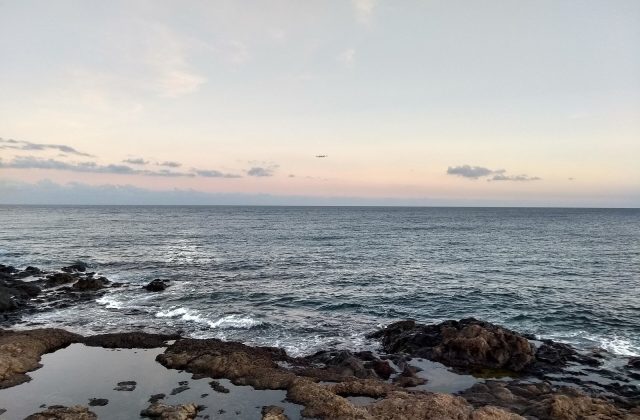
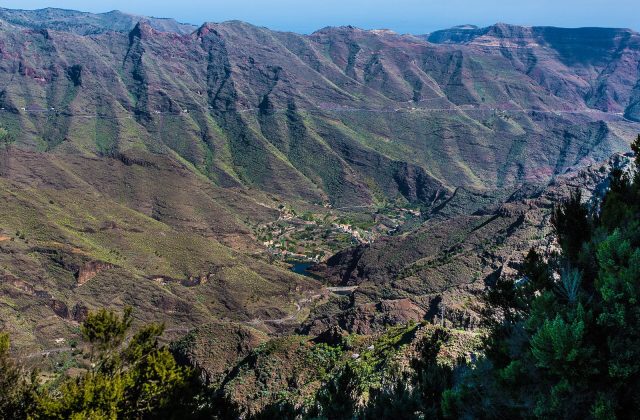
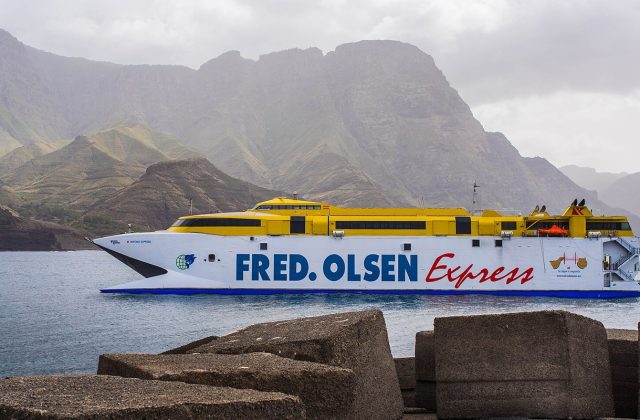
Gran Canaria is a round volcanic island of 1,560 square kilometres in the Canaries, rising from the dunes of Maspalomas…
350 tours & trips
Spain · Atlantic Ocean · Volcanic island
Tenerife is the largest of the Canary Islands, 2,034 square kilometres of Atlantic volcano off north-west Africa, crowned by Teide, at 3,715 metres the highest mountain in Spain. Sunny beach resorts in the south, green valleys and old towns in the north and a lunar national park in the middle make it a year-round holiday island.
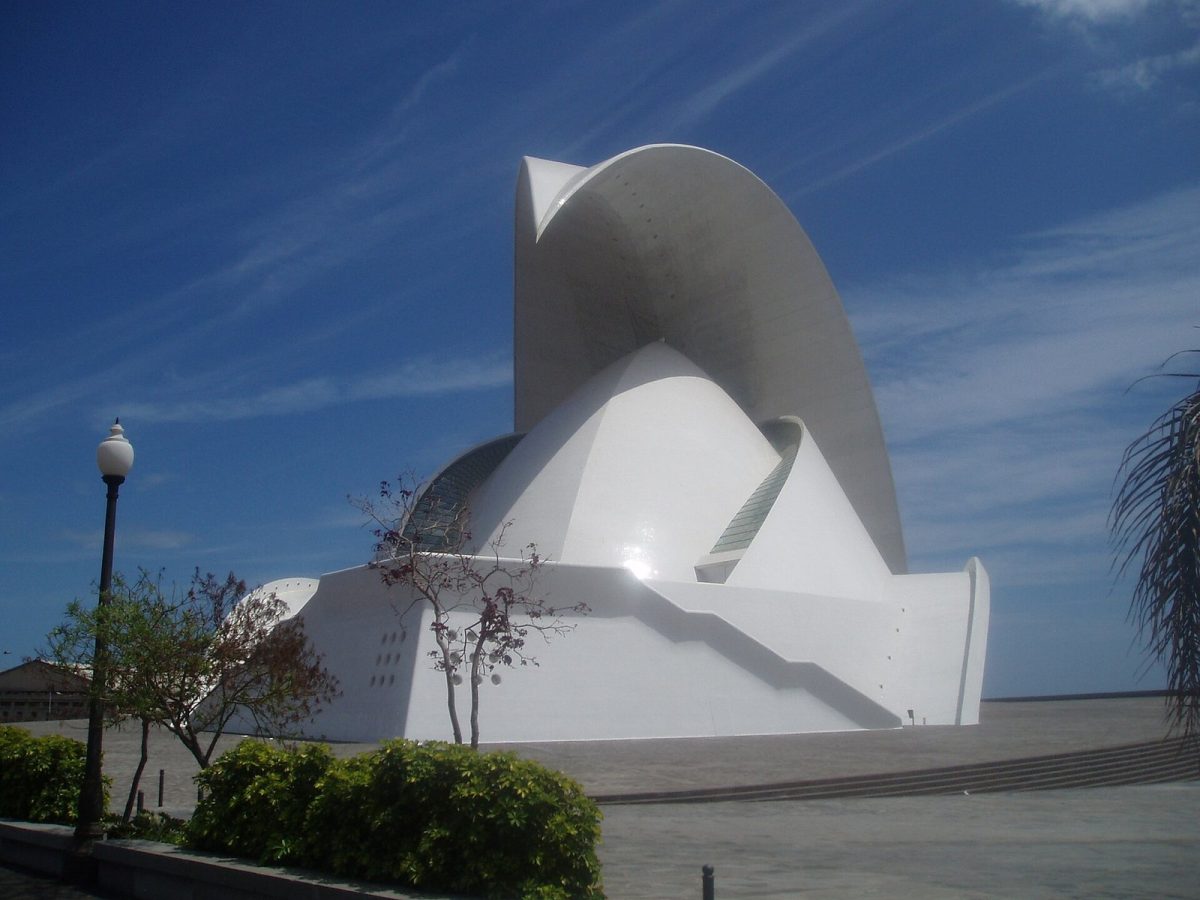
Photo: CC BY-SA 3.0
| Getting there | Flights to Tenerife South or North from mainland Spain and across Europe; ferries from the other Canaries |
|---|---|
| Gateway | Tenerife South and Tenerife North airports |
| Travel time | About 4 h by air from London; 2.5 h from Madrid |
| Days | A week or more |
| Best months | All year; Mar–Jun and Sep–Nov best; winter sunny in the south, snow on Teide |
| Getting around | Rent a car; a good bus network, plus a tram between Santa Cruz and La Laguna |
| Booking | Teide summit permit weeks or months ahead; winter and Carnival flights and rooms early |
| Cost | Mid-range for Spain; good-value package resorts |
| Beaches | Golden sand at Las Teresitas and Costa Adeje; black volcanic sand at Playa Jardín and El Médano |
| Sea | Atlantic Ocean |
| Archipelago | Canary Islands |
| Area | 2,034 km² |
| Population | 955,063 (2024) |
| Highest point | 3,715 m (Teide) |
| Airport | Yes, scheduled flights |
| Car-free | No |
| UNESCO | Teide National Park; San Cristobal de La Laguna |
| Checked | October 2026 |
Tenerife's tours split into the volcano, the sea and the neighbouring island, and most come with pickup from the southern resorts.
The essential trip goes up to Teide National Park: a coach or minibus day that crosses the crater plain of Las Cañadas with a stop at the Roques de García, often adds the cable car, whose ticket is usually extra, and returns through the north by Icod's ancient dragon tree, Garachico and the Masca road. Sunset and stargazing versions take you above the clouds after dark with telescopes; buggy and quad tours do the same with more noise.
At sea, whale-watching trips leave Los Cristianos, Puerto Colón and Los Gigantes to see the pilot whales and bottlenose dolphins that live in the strait towards La Gomera all year. Two or three hours on a catamaran with a swim stop and drinks is the norm; longer trips sail under the Los Gigantes cliffs to Masca bay. Kayak and snorkel outings look for turtles off the south-west coast.
The day trip to La Gomera by fast ferry, usually with a coach tour of the laurel forest and lunch, is the third classic. Diving courses, paragliding over Adeje, wine tastings and guided hikes complete the list. For a first visit, book a Teide day and a whale-watching trip.
The road climbs through pine forest to a crater plain more than 2,000 metres up, with lava flows, eroded rocks and the cone of Teide above. The cable car lifts you to about 3,555 metres; the last stretch to the summit needs a free permit, booked weeks or months ahead, or a night in the mountain refuge. Altitude is felt quickly, so move slowly.
On the west coast, sheer cliffs several hundred metres high drop into deep water, best seen from a boat. The channel between Tenerife and La Gomera is home all year to short-finned pilot whales and bottlenose dolphins, so trips from Los Gigantes and the southern harbours rarely come back without sightings. Choose operators that keep their distance and limit time with the animals.
In the north-western Teno massif, a narrow road of hairpins drops to the hamlet of Masca, clinging to a ridge above a deep gorge. The walk down the gorge to the sea is spectacular but has been closed for long periods, so check whether it is open and whether you must book. Roadside viewpoints and boat trips to Masca bay are the easy alternatives.
San Cristóbal de La Laguna, the first capital, is a UNESCO-listed grid of colonial streets, churches and painted mansions whose plan served as a model for towns in Spanish America. Beyond it, the Anaga mountains are a ridge of laurel forest and tiny villages with marked trails, ending at black-sand beaches such as Benijo and Roque de las Bodegas.
The older resort of the north coast has a fishing harbour, the seawater pools of Lago Martiánez designed by César Manrique, the black sand of Playa Jardín and a large zoo and marine park. Ten minutes uphill, La Orotava has carved wooden balconies on its colonial houses and views up the green valley to Teide.
Our pick for each kind of trip, with live dates and prices. Free cancellation on most.
Best for: First visit: Teide and the north-west
A full coach day that crosses the volcano's crater plain and returns by the old towns and the Masca road, the best overview of the island in one go.
Tenerife has two airports. Tenerife South, near Los Cristianos, handles most holiday flights, with direct services of about four hours from the UK and four to five from much of northern Europe. Tenerife North, near La Laguna, mainly serves the Spanish mainland and the other islands, with Madrid about two and a half hours away.
From Los Cristianos, fast ferries cross to La Gomera in about 50 minutes and continue to La Palma and El Hierro; from Santa Cruz, fast ferries reach Gran Canaria in about 80 minutes. Car ferries from Cádiz and Huelva on the Spanish mainland take well over a day. Cruise ships dock in Santa Cruz, especially in winter.
A rental car is the easiest way to combine the coast with Teide and the north, and the roads are good, though the mountain roads to Masca and through Anaga are narrow and twisting. Motorways circle most of the island and jam around Santa Cruz at rush hour. Green buses reach almost every town, including Teide once a day from the south and the north, and a tram links Santa Cruz with La Laguna. Taxis are metered and fair.
Tenerife is a year-round island. The south coast has the most sunshine, with winter days around 21 to 23 degrees and summer near 28, while the north is greener, cooler and cloudier, and Teide can have snow from December to March. The sea ranges from about 19 degrees in winter to 24 in late summer, fresh rather than warm. Winter, especially Christmas, New Year and February, is high season, with northern Europeans escaping the cold.
The best months for walking are March to June and September to November, with fewer crowds and pleasant temperatures. July and August are busy with Spanish families. Occasional calima winds bring Saharan dust and heat. The Santa Cruz Carnival in February is one of the largest in the world. A week covers Teide, the north and some beach time.
Most visitors stay on the south-west coast, where Costa Adeje, Playa de las Américas and Los Cristianos have the sunniest weather, the most hotels and the best beaches; Las Américas is the nightlife strip and Costa Adeje the upmarket end. El Médano suits windsurfers and a more relaxed town. In the north, Puerto de la Cruz is cheaper, more Spanish in feel and close to the walking areas, and La Laguna suits culture lovers. Los Gigantes is quieter, under the cliffs.
Before Spain arrived, Tenerife belonged to the Guanches, a people of Berber origin divided into nine kingdoms, who mummified their dead and herded goats on the slopes of Teide. Castile conquered the island between 1494 and 1496 after a hard defeat at Acentejo, and La Laguna became the capital. Sugar and wine made the island rich, while the harbour of Garachico was buried by lava in 1706. In 1797 Nelson lost his arm in a failed attack on Santa Cruz. Package tourism transformed the dry south from the 1960s.
La Gomera is under an hour by fast ferry from Los Cristianos and gives a good day or two of walking in its laurel forest. Gran Canaria is about 80 minutes by fast ferry from Santa Cruz, and La Palma and El Hierro, the wildest of the Canaries, are reached by ferry or by short flights from Tenerife North.
Flights to Tenerife South or North from mainland Spain and across Europe; ferries from the other Canaries.
From Tenerife South and Tenerife North airports: about 4 h by air from London; 2.5 h from Madrid.
A week or more.
All year; Mar–Jun and Sep–Nov best; winter sunny in the south, snow on Teide.
Rent a car; a good bus network, plus a tram between Santa Cruz and La Laguna.
Go if you want winter sun, a volcano to climb, whale watching and easy family resorts on one island. Skip it or choose La Gomera or La Palma if you want small villages, quiet trails and few package hotels.
Mid-range for Spain; good-value package resorts.
Golden sand at Las Teresitas and Costa Adeje; black volcanic sand at Playa Jardín and El Médano.
Teide summit permit weeks or months ahead; winter and Carnival flights and rooms early.
Yes. Boat trips, guided tours and day trips for Tenerife can be booked online; live prices and free cancellation on most are shown on this page.
Canary Islands, Spain
Gran Canaria is a round volcanic island of 1,560 square kilometres in the Canaries, rising from the dunes of Maspalomas…
350 tours & trips
Canary Islands, Spain
Lanzarote is the easternmost of the Canary Islands, about 125 km off the coast of Africa, a low island of black lava…
273 tours & trips
Canary Islands, Spain
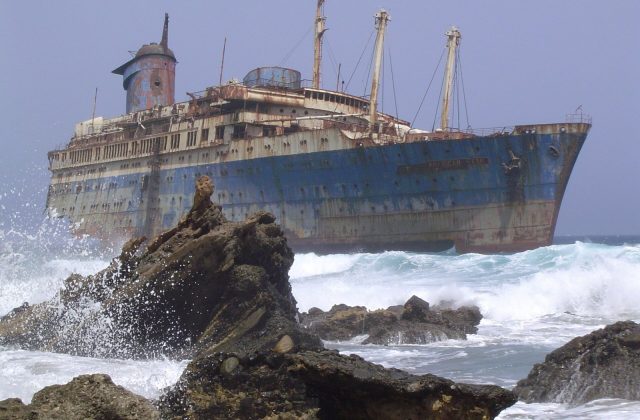
Fuerteventura is the second-largest of the Canary Islands and the closest to Africa, about 97 km off the Moroccan…
233 tours & trips
Canary Islands, Spain
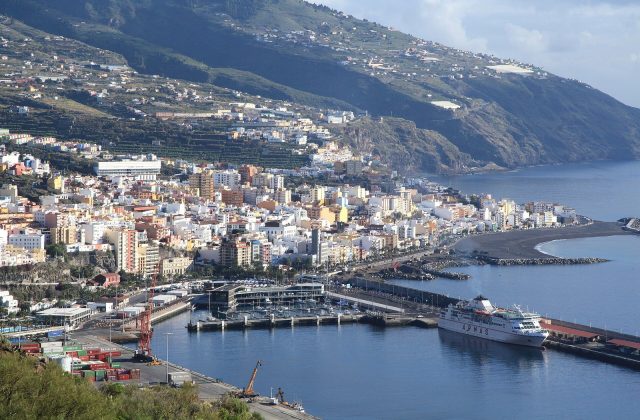
La Palma is the most north-westerly of the Canary Islands, a steep green volcanic island of about 708 square kilometres…
76 tours & trips
Canary Islands, Spain
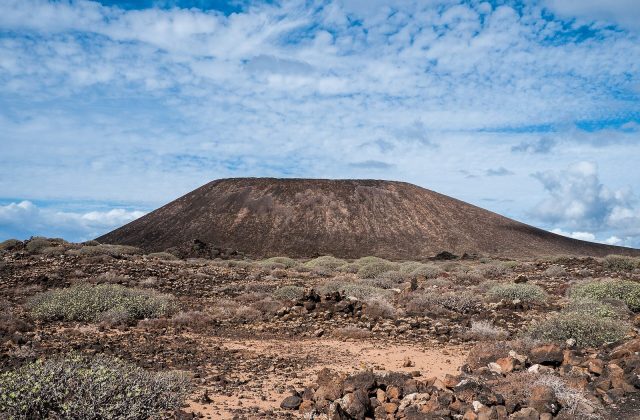
Isla de Lobos is an uninhabited volcanic islet of under 5 square kilometres, 2 km off the northern tip of Fuerteventura…
28 tours & trips
Canary Islands, Spain
La Gomera is one of the smallest Canary Islands, a round volcanic island about 22 km across, cut by deep ravines and…
16 tours & trips