Tenerife
Canary Islands, Spain
Tenerife is the largest of the Canary Islands, 2,034 square kilometres of Atlantic volcano off north-west Africa,…
723 tours & trips
Spain · Atlantic Ocean · Nature & wildlife island
La Gomera is one of the smallest Canary Islands, a round volcanic island about 22 km across, cut by deep ravines and crowned by the laurel forest of Garajonay National Park. Only 50 minutes by fast ferry from Tenerife, it is a walker's island of terraced valleys, quiet villages and a whistled language.
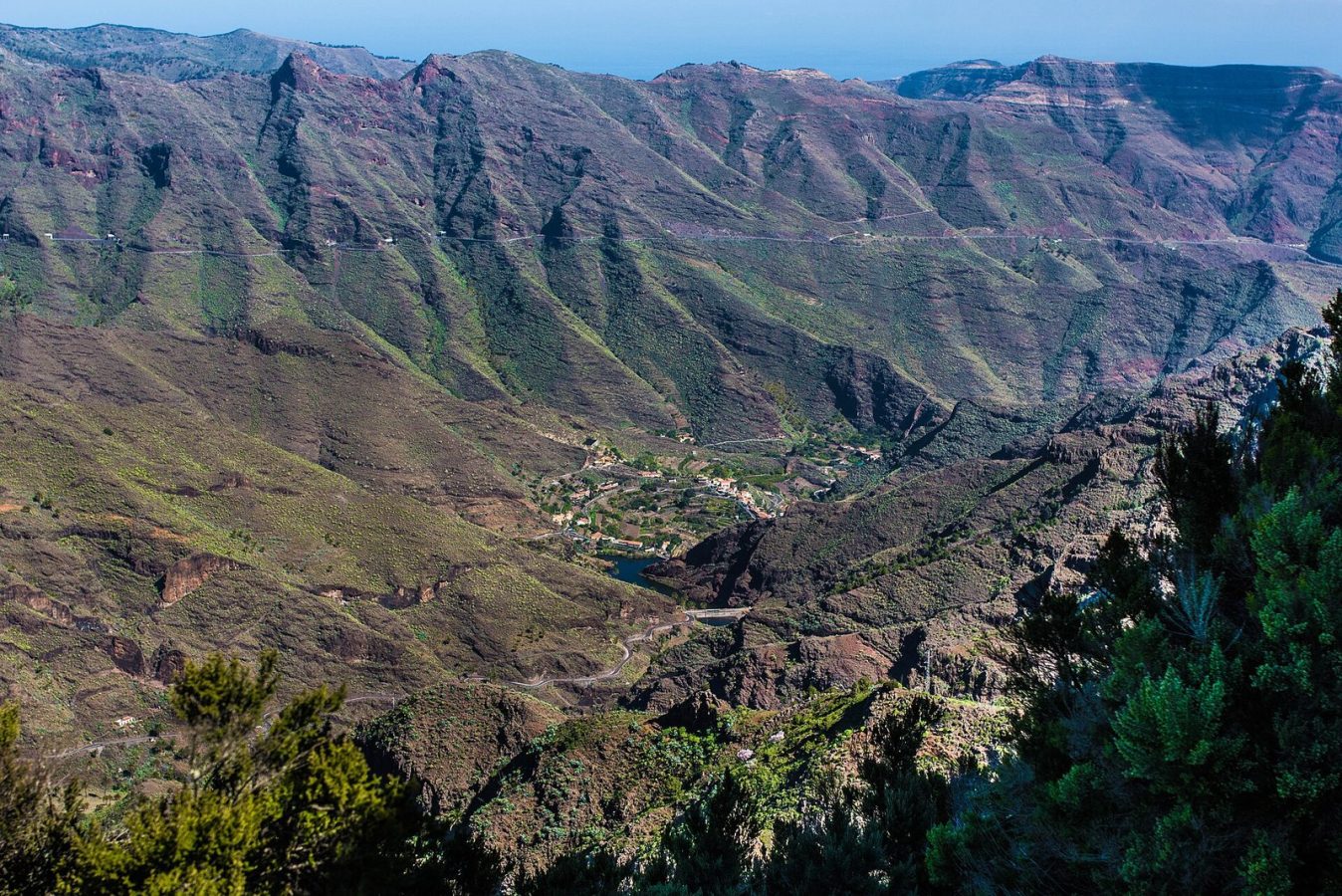
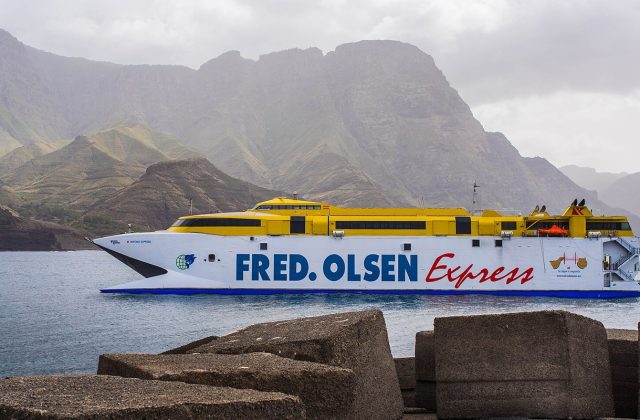
Photo: Bengt Nyman from Vaxholm, Sweden, CC BY 2.0
| Getting there | Fast ferry from Los Cristianos on Tenerife to San Sebastián in about 50 min; small airport for flights |
|---|---|
| Gateway | Los Cristianos (Tenerife) |
| Travel time | 50 min by fast ferry; about 1.5 h by slower ferry |
| Days | 3 to 5 nights |
| Best months | Year-round mild; Mar–Jun best for hiking; Jul–Sep hot and hazy, fire risk |
| Getting around | Rent a car; buses link San Sebastián with the main villages; steep, winding roads |
| Booking | Car places on ferries and rooms in Valle Gran Rey at Easter and in winter |
| Cost | Mid-range for the Canaries |
| Beaches | Small dark-sand and pebble beaches; Valle Gran Rey, Playa de Santiago and San Sebastián |
| Sea | Atlantic Ocean |
| Archipelago | Canary Islands |
| Area | 370 km² |
| Population | 22,436 (2024) |
| Highest point | 1,487 m (Alto de Garajonay) |
| Ferry | 50 min from Los Cristianos (Tenerife) |
| Airport | Yes, scheduled flights |
| Car-free | No |
| UNESCO | Garajonay National Park |
| Checked | October 2026 |
Most tours to La Gomera are day trips from southern Tenerife, combining the ferry with a coach or jeep on the island.
The standard full-day tour picks you up from a hotel in the south of Tenerife, crosses on the morning ferry and drives up through Garajonay National Park, stopping at viewpoints, a short forest walk and villages such as Agulo, Hermigua or Valle Gran Rey, with a lunch that often includes a demonstration of the whistled language. Jeep safaris follow similar routes in smaller groups; private versions let you set your own pace. Ferry, transport and guide are included; lunch and drinks vary.
On the island itself, whale and dolphin trips leave from Valle Gran Rey and often visit the cliffs of Los Organos, and there are motorcycle tours, guided hikes and an ethnographic park.
Simple ferry tickets from Tenerife are also sold online, which suits independent travellers.
A day trip gives a taste of the island but involves much time on the road. Walkers should stay at least three nights, rent a car or use the buses, and book one boat trip from Valle Gran Rey.
The heart of the island is a World Heritage laurel forest, a moist evergreen woodland that once covered much of southern Europe. Paths lead under moss-hung trees in the mist; climb to the summit of Alto de Garajonay, at 1,487 metres, for views of Tenerife's Teide on a clear day. The visitor centre is near Agulo.
In the west, a deep valley of palm groves and terraces runs down to the sea and the island's main resort area, with black-sand beaches, cafes and a relaxed atmosphere. Walk up the terraces in the morning, then watch the sunset from the beach. Boat trips leave from the harbour. It is about an hour's drive from San Sebastián.
The capital and ferry port sits at the mouth of a ravine on the east coast. See the Torre del Conde, a 15th-century tower, the church where Columbus is said to have prayed, and the house linked to his stay before sailing west in 1492. There is a town beach and cafes along the main street.
On the green north coast, Agulo is a small village of cobbled streets above banana plantations, often called one of the prettiest in the Canaries. Above it, the Mirador de Abrante has a glass platform over a cliff with views to Tenerife. Nearby Hermigua has a valley of terraces, a sea pool and an ethnographic museum.
On the road from San Sebastián to Garajonay, a series of volcanic plugs rise from the ridges, with Roque de Agando the most striking at over 1,250 metres. Stop at the viewpoint for photos, then follow trails across the ridge. The area burned in a large fire in 2012, and the forest is still recovering.
On the north coast, a cliff of basalt columns rises from the sea like the pipes of an organ, visible only from the water. Boat trips from Valle Gran Rey take about three hours, often with dolphin or whale sightings on the way. The sea can be rough on the north side, so pick a calm day and carry seasickness tablets.
Our pick for each kind of trip, with live dates and prices. Free cancellation on most.
Best for: First visit, a day from Tenerife
A full day with ferry and coach from southern Tenerife, crossing the laurel forest and stopping at viewpoints and villages, the easiest way to see the island in one go.
Most visitors arrive by ferry from Los Cristianos in southern Tenerife, about 20 minutes from Tenerife South airport. Fred. Olsen fast ferries take about 50 minutes, and slower Naviera Armas ferries about an hour and a half, with several departures a day all year. Ferries arrive at San Sebastián, the capital, and some continue to La Palma and El Hierro. Book car places ahead at Easter and in high season.
La Gomera's small airport near Playa de Santiago has a few flights from Tenerife North and Gran Canaria. Taking a rental car from Tenerife is possible if the company allows it, but renting on La Gomera is often simpler. Taxis and buses meet the ferries in San Sebastián.
A car is the best way to explore, though roads are steep, narrow and full of bends, and a drive across the island takes about an hour. Rental agencies are at the port in San Sebastián and in Valle Gran Rey. Buses link San Sebastián with Valle Gran Rey, Hermigua, Vallehermoso and Playa de Santiago a few times a day. Taxis are available for walkers who want to start or finish a trail. Distances are short but slow.
La Gomera is mild all year, with temperatures of around 20 degrees in winter and 25 to 30 in summer on the coast; the forest is cooler and often in cloud. March to June is the best time for walking, with wild flowers and clear air. Autumn is also good. In winter, northern Europeans come for the warmth, and Valle Gran Rey is busy from December to March.
July to September is hot on the coast and can be hazy with dust from Africa; fire risk can close trails in the forest. The sea is warmest, around 23 degrees, from August to October.
Carnival in February and Easter are lively. Allow three to five nights for walking and the main villages, or a long day from Tenerife for a quick look.
Valle Gran Rey, in the west, is the main base, with the most apartments, small hotels, beaches and restaurants, and a relaxed, slightly alternative atmosphere. San Sebastián is practical for ferries and buses and has a lived-in feel. Playa de Santiago in the south is sunny and quiet, with a large hotel and the airport. The northern villages of Hermigua and Agulo suit walkers, with rural houses near the forest trails.
The island was home to the Guanche-related people known as Gomeros before the Spanish conquest in the 15th century, and their whistled language, silbo gomero, used to talk across the ravines, survives and is taught in schools; UNESCO lists it as cultural heritage. In 1492 Columbus made his last stop here before crossing the Atlantic. For centuries the islanders farmed the terraces that still climb every valley, and many emigrated to Venezuela and Cuba. Tourism arrived late, and much of the island remains quiet and rural.
La Gomera is a short ferry ride from Tenerife, so most people combine the two: a few nights on Tenerife for Teide and the coast, then several on La Gomera. Ferries also continue to La Palma and El Hierro, the westernmost islands, for a longer route through the western Canaries of about a week or more.
Fast ferry from Los Cristianos on Tenerife to San Sebastián in about 50 min; small airport for flights.
From Los Cristianos (Tenerife): 50 min by fast ferry; about 1.5 h by slower ferry.
3 to 5 nights.
Year-round mild; Mar–Jun best for hiking; Jul–Sep hot and hazy, fire risk.
Rent a car; buses link San Sebastián with the main villages; steep, winding roads.
Go if you want serious walking in misty forest and steep green valleys, quiet villages and slow evenings. Skip it or choose Tenerife or Gran Canaria if you want long sandy beaches, big resorts or lively nightlife. With about 50 min each way from Los Cristianos (Tenerife), a day trip is easy to do.
Mid-range for the Canaries.
Small dark-sand and pebble beaches; Valle Gran Rey, Playa de Santiago and San Sebastián.
Car places on ferries and rooms in Valle Gran Rey at Easter and in winter.
Yes. Boat trips, guided tours and day trips for La Gomera can be booked online; live prices and free cancellation on most are shown on this page.
Canary Islands, Spain
Tenerife is the largest of the Canary Islands, 2,034 square kilometres of Atlantic volcano off north-west Africa,…
723 tours & trips
Canary Islands, Spain
Gran Canaria is a round volcanic island of 1,560 square kilometres in the Canaries, rising from the dunes of Maspalomas…
350 tours & trips
Canary Islands, Spain
Lanzarote is the easternmost of the Canary Islands, about 125 km off the coast of Africa, a low island of black lava…
273 tours & trips
Canary Islands, Spain
Fuerteventura is the second-largest of the Canary Islands and the closest to Africa, about 97 km off the Moroccan…
233 tours & trips
Canary Islands, Spain
La Palma is the most north-westerly of the Canary Islands, a steep green volcanic island of about 708 square kilometres…
76 tours & trips
Canary Islands, Spain
Isla de Lobos is an uninhabited volcanic islet of under 5 square kilometres, 2 km off the northern tip of Fuerteventura…
28 tours & trips