Tenerife
Canary Islands, Spain
Tenerife is the largest of the Canary Islands, 2,034 square kilometres of Atlantic volcano off north-west Africa,…
723 tours & trips
Spain · Atlantic Ocean · Volcanic island
Lanzarote is the easternmost of the Canary Islands, about 125 km off the coast of Africa, a low island of black lava fields, volcanic cones and white villages. Eruptions in the 1730s reshaped a quarter of it, and the artist César Manrique turned caves and lava tubes into some of the most original sights in Spain.
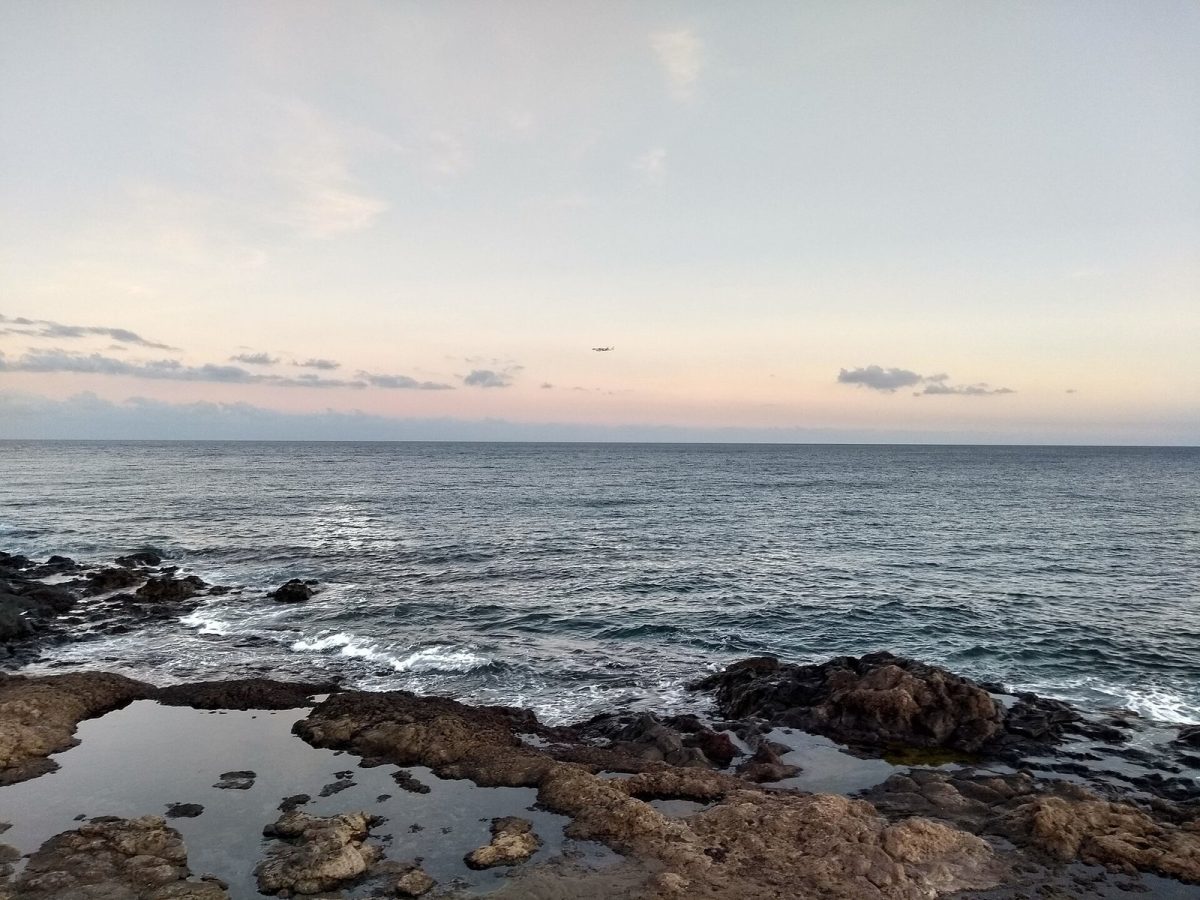
Photo: Xyzspaniel, CC BY-SA 4.0
| Getting there | Direct flights from most of Europe to Lanzarote airport; ferries from Fuerteventura in 30 min and from Gran Canaria |
|---|---|
| Gateway | Lanzarote airport (Arrecife) |
| Travel time | About 4 h by air from London, 2.5 h from Madrid |
| Days | A week |
| Best months | All year; Mar–Jun and Sep–Nov best; Jul–Aug windy and busy; Dec–Feb mild |
| Getting around | Rent a car; buses link Arrecife and the resorts but rarely the sights |
| Booking | Car hire early for school holidays; Timanfaya tickets and boat trips a day or two ahead |
| Cost | Mid-range, slightly cheaper than mainland Spain |
| Beaches | Golden coves at Papagayo, surf at Famara, family sand at Puerto del Carmen and Playa Blanca |
| Sea | Atlantic Ocean |
| Archipelago | Canary Islands |
| Area | 846 km² |
| Population | 163,230 (2024) |
| Highest point | 671 m (Peñas del Chache) |
| Airport | Yes, scheduled flights |
| Car-free | No |
| Checked | October 2026 |
The island offers three kinds of outing, and a rental car covers many of them on your own.
The best known are the volcano and Manrique tours: full-day coach or minibus loops from the resorts that combine Timanfaya National Park, the green lagoon at El Golfo, the wine region of La Geria and, on a northern route, the Cueva de los Verdes, Jameos del Agua, the Mirador del Río and the Cactus Garden. Entrance fees are often included; check. Shorter versions are timed for cruise passengers, and guided walks cross the lava fields on routes closed to independent visitors.
The second group is the sea: catamaran trips from Playa Blanca and Puerto del Carmen to the Papagayo beaches, kayak and paddleboard outings, dolphin spotting, day cruises to Lobos and Fuerteventura, and a large range of diving, including trial dives at the underwater sculpture museum off Playa Blanca.
The third is active: surf schools at Famara, buggy and e-bike tours, and wine tastings at bodegas in La Geria.
With a car, see Timanfaya and the Manrique sites yourself and spend your budget on a boat day and perhaps a surf lesson or dive.
The Fire Mountains cover the lava fields of the 1730s eruptions in shades of black, rust and ochre. Drive to the Islote de Hilario visitor centre, where staff pour water into a hole to raise a steam geyser and a restaurant grills over volcanic heat, then take the included coach along the Volcano Route, closed to private cars.
In the north, a lava tube runs from the volcano of La Corona to the sea. Manrique turned one collapsed section, Jameos del Agua, into a garden, pool and concert hall around a lake of tiny blind white crabs. A few minutes away, the Cueva de los Verdes is visited on a guided walk of about 45 minutes through the cave itself.
Between Timanfaya and the south coast, vines grow in thousands of pits dug into black ash, each sheltered from the wind by a low crescent of stones. Bodegas along the road between Uga and Masdache offer tastings of dry white Malvasía and sell wine by the glass with cheese. It is a 15-minute drive from Timanfaya.
On the west coast, half a volcanic crater has been cut open by the sea, leaving a green lagoon beside a black beach at El Golfo. Walk to the viewpoint above it, then eat fish in the village. A little south, at Los Hervideros, waves blast into caves in the lava; paths lead over the rocks between blowholes.
East of Playa Blanca, a string of golden coves sits below low cliffs in the protected Los Ajaches area. The water is calm and clear, good for swimming and snorkelling. They are reached by a dirt track with a small fee per car, by a coastal walk from Playa Blanca, or by boat.
At the northern tip, Manrique built a viewpoint into the cliff 400 metres above the sea, looking across the strait to La Graciosa. On the way, stop at the old capital, Teguise, with its cobbled streets and churches; its Sunday market is the largest on the island. The Cactus Garden near Guatiza is another Manrique creation.
Our pick for each kind of trip, with live dates and prices. Free cancellation on most.
Best for: First visit, volcanoes and caves
A full-day coach loop that covers Timanfaya, the lava tubes of the north and the main Manrique works, ideal if you are not renting a car.
Lanzarote airport, just south of the capital Arrecife and close to Puerto del Carmen, has direct flights from most of Europe all year, around four hours from Britain and two and a half from Madrid, plus short inter-island flights from Gran Canaria and Tenerife.
Ferries from Playa Blanca cross to Corralejo on Fuerteventura in about 30 minutes, several times a day, making a day trip easy; car hire companies may charge or forbid taking a car across, so check. Ships from Arrecife sail to Gran Canaria and Tenerife, which take several hours, and small ferries from Órzola in the north reach La Graciosa in about 25 minutes. Arrecife is a regular cruise port, and its terminal is a short ride from the town centre.
A rental car is the best way to see the island: roads are good, distances short, and from Puerto del Carmen nothing is much more than an hour away. Book early for Christmas, Easter and summer. Public buses link the airport, Arrecife and the resorts of Puerto del Carmen, Costa Teguise and Playa Blanca frequently, but serve the inland sights and Timanfaya poorly. Cycling is popular, though the wind is tiring.
Lanzarote has mild weather all year, with very little rain. Winter days usually reach the low 20s Celsius, which brings northern Europeans from November to March; the sea is coolest then, around 18 degrees. Spring and autumn are the best compromise of warmth, calm and price, and the sea reaches about 22 degrees by September and October.
July and August are hot and busy with Spanish and European families, and the trade winds blow strongly, which suits windsurfers and kitesurfers but makes the north and west coasts rough. Occasional calima, dusty air from the Sahara, can haze the sky at any time. Carnival in February is lively in Arrecife. A week lets you see the island at an easy pace.
Puerto del Carmen is the largest resort, central for driving, with a long beach and plenty of restaurants. Playa Blanca in the south is quieter, newer and close to Papagayo and the Fuerteventura ferry. Costa Teguise suits windsurfers and is near the airport. Famara is a laid-back surf village with apartments, and inland villages such as Haría, Yaiza and Teguise have rural houses for a quieter stay.
The native Majos lived here before Norman and Castilian conquerors took the island in the early 15th century; it was then raided for centuries by pirates from North Africa and Europe, which is why the old capital, Teguise, lies inland. From 1730 to 1736 eruptions buried villages and farmland under what is now Timanfaya, and farmers learned to grow vines and crops in the ash. Tourism grew from the 1960s, guided by César Manrique, who argued for low white buildings and no roadside billboards. UNESCO declared the whole island a biosphere reserve in 1993.
Fuerteventura, with its dunes at Corralejo, is 30 minutes from Playa Blanca by ferry and an easy day trip or a second week. La Graciosa, a car-free island of sand tracks, is 25 minutes from Órzola. Gran Canaria and Tenerife are short flights away for a two-island holiday.
Direct flights from most of Europe to Lanzarote airport; ferries from Fuerteventura in 30 min and from Gran Canaria.
From Lanzarote airport (Arrecife): about 4 h by air from London, 2.5 h from Madrid.
A week.
All year; Mar–Jun and Sep–Nov best; Jul–Aug windy and busy; Dec–Feb mild.
Rent a car; buses link Arrecife and the resorts but rarely the sights.
Go if you want volcanic scenery, mild winter sun, Manrique's lava-cave architecture and a week of easy driving and beaches. Skip it or choose Tenerife or La Palma if you want green forests, high mountains and long hiking trails.
Mid-range, slightly cheaper than mainland Spain.
Golden coves at Papagayo, surf at Famara, family sand at Puerto del Carmen and Playa Blanca.
Car hire early for school holidays; Timanfaya tickets and boat trips a day or two ahead.
Yes. Boat trips, guided tours and day trips for Lanzarote can be booked online; live prices and free cancellation on most are shown on this page.
Canary Islands, Spain
Tenerife is the largest of the Canary Islands, 2,034 square kilometres of Atlantic volcano off north-west Africa,…
723 tours & trips
Canary Islands, Spain
Gran Canaria is a round volcanic island of 1,560 square kilometres in the Canaries, rising from the dunes of Maspalomas…
350 tours & trips
Canary Islands, Spain
Fuerteventura is the second-largest of the Canary Islands and the closest to Africa, about 97 km off the Moroccan…
233 tours & trips
Canary Islands, Spain
La Palma is the most north-westerly of the Canary Islands, a steep green volcanic island of about 708 square kilometres…
76 tours & trips
Canary Islands, Spain
Isla de Lobos is an uninhabited volcanic islet of under 5 square kilometres, 2 km off the northern tip of Fuerteventura…
28 tours & trips
Canary Islands, Spain
La Gomera is one of the smallest Canary Islands, a round volcanic island about 22 km across, cut by deep ravines and…
16 tours & trips