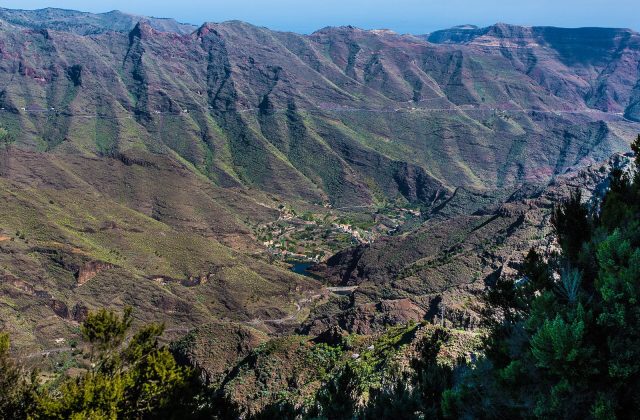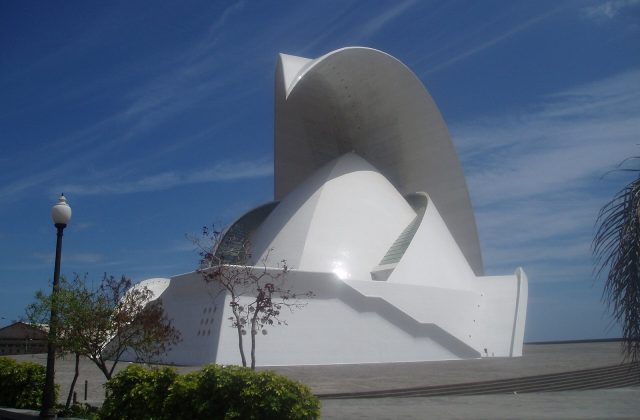
Tenerife
Canary Islands, Spain
Tenerife is the largest of the Canary Islands, 2,034 square kilometres of Atlantic volcano off north-west Africa,…
723 tours & trips
Spain · Atlantic Ocean · Beach island
Gran Canaria is a round volcanic island of 1,560 square kilometres in the Canaries, rising from the dunes of Maspalomas to mountain peaks of nearly 1,950 metres in the centre. It mixes a real city, Las Palmas, with resort beaches in the dry south and pine forests and gorges inland, with warm weather in every month.
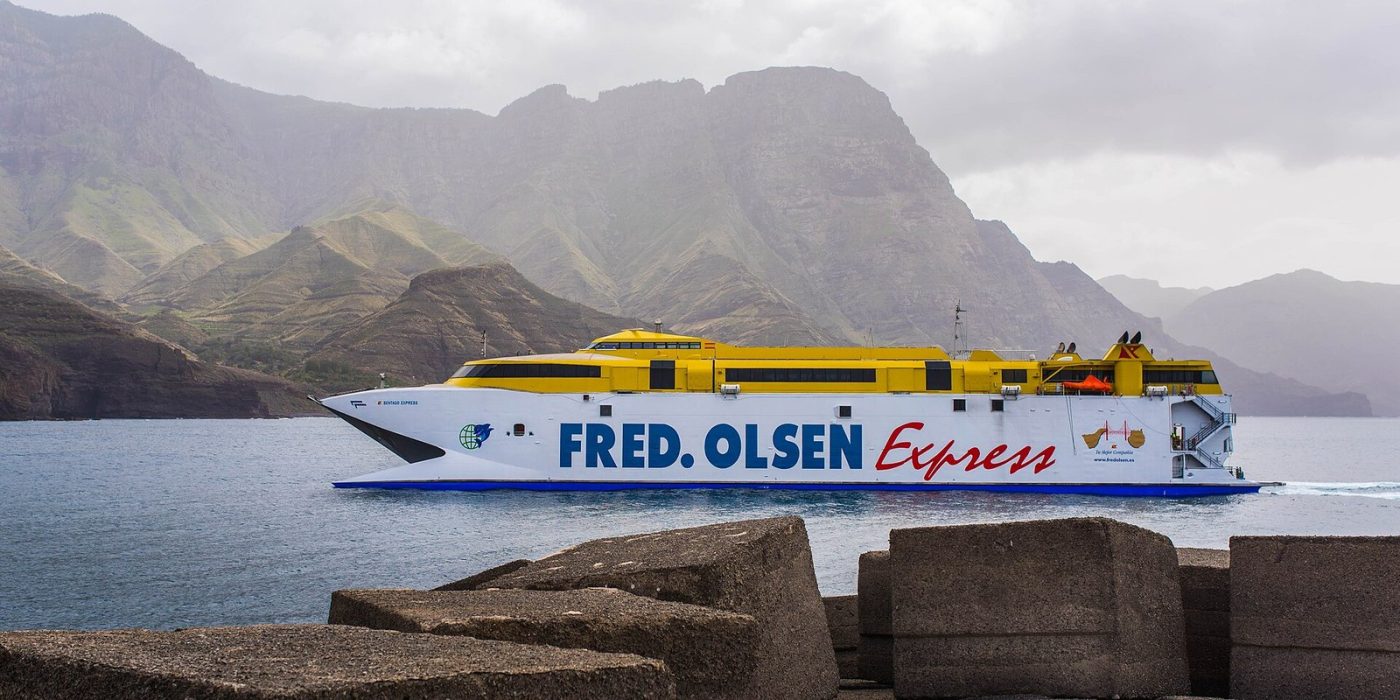
Photo: Bengt Nyman from Vaxholm, Sweden, CC BY 2.0
| Getting there | Direct flights from most of Europe in about 4 h; ferries from Tenerife, Lanzarote and Fuerteventura |
|---|---|
| Gateway | Gran Canaria airport (Las Palmas) |
| Travel time | About 4 h by air from northern Europe |
| Days | A week |
| Best months | All year; Mar–Jun and Sep–Nov best; Dec–Feb mild and busiest in the south |
| Getting around | Good bus network from Las Palmas and Maspalomas; rent a car for the mountains |
| Booking | Winter and Easter flights and resort rooms early; boat trips and tours a day or two ahead |
| Cost | Mid-range for Spain; cheaper than the Balearics |
| Beaches | Las Canteras in Las Palmas; Maspalomas and Playa del Ingles with dunes; small coves near Mogan |
| Sea | Atlantic Ocean |
| Archipelago | Canary Islands |
| Area | 1,560 km² |
| Population | 863,943 (2024) |
| Highest point | 1,956 m (Morro de la Agujereada) |
| Airport | Yes, scheduled flights |
| Car-free | No |
| UNESCO | Risco Caido and the Sacred Mountains of Gran Canaria Cultural Landscape |
| Checked | October 2026 |
The range of trips on Gran Canaria follows its geography: sea in the south, mountains in the centre, city in the north.
In the south, boats leave Puerto Rico, Arguineguin and Puerto de Mogan for dolphin and whale watching, catamaran days with lunch and swimming, and glass-bottom or submarine trips. Kayak and snorkel tours explore the caves near Mogan, and dive centres run try-dives and courses. Jet skis, parasailing and buggy or quad tours around Maspalomas are aimed at resort guests and often include hotel pickup.
Inland, full-day coach tours loop through Tejeda, Roque Nublo, Teror and the north coast, usually with a guide and lunch at extra cost. Smaller groups do hiking, canyoning, via ferrata, e-bike and stargazing trips near the summit.
In Las Palmas there are walking tours of the old quarter of Vegueta, tapas evenings and surf lessons on Las Canteras, plus shopping trips sold to visitors staying in the south.
If you can drive, a rental car beats any coach tour for the interior. Without one, book one island tour, one boat trip from the south, and use the bus to spend a day in Las Palmas.
At the southern tip, a protected field of golden sand dunes stretches between Playa del Ingles and the lighthouse of Maspalomas, with a lagoon and palm grove at its edge. Walk across early or late in the day, as the sand gets very hot. Beyond the dunes, the long beach runs for kilometres, with sunbeds at the ends and quieter parts between.
In the centre of the island, the basalt monolith of Roque Nublo rises about 80 metres above a high plateau, reached by a walk of 30 to 40 minutes from the road. Nearby Tejeda is a white mountain village with almond sweets and views over the great volcanic basin. The sacred landscape of Risco Caido, a UNESCO site, lies in the same mountains.
The island capital is one of the largest cities in Spain outside the mainland. Its old quarter of Vegueta has the cathedral of Santa Ana and the house where Columbus is said to have stayed on his way to America. Across town, Las Canteras is a long urban beach sheltered by a natural reef, good for swimming and surfing.
On the south-west coast, Mogan is a small harbour village of low white houses with bougainvillea and canals crossed by little bridges. It has a sandy beach, a lively Friday market and boats leaving for dolphin trips and the coast. In the evening, eat fish by the marina; the road west from here climbs into steep, empty cliffs.
The greener north has a different character. Teror is a colonial town with carved wooden balconies and the island's main basilica; Arucas has a dark stone church and a rum distillery. On the north-west coast, Agaete has natural rock pools, a ferry port and a valley where coffee is grown, one of very few places in Europe.
Our pick for each kind of trip, with live dates and prices. Free cancellation on most.
Best for: First visit, the island in a day
A full day by coach through the mountains, the inland villages and the coast, the easiest way to see how different the north, centre and south are.
Gran Canaria airport lies on the east coast at Gando, about 25 minutes by road from Las Palmas and 30 minutes from Maspalomas. Direct flights arrive from most of Europe all year, around four hours from Britain or Germany, and from mainland Spain in under three. Buses link the airport with both Las Palmas and the southern resorts.
Ferries connect the island with the rest of the Canaries. Fast ferries run from Agaete in the north-west to Santa Cruz de Tenerife in about 80 minutes, and from Las Palmas to Tenerife, Fuerteventura and Lanzarote. There is also a long weekly sailing from Huelva or Cadiz on the Spanish mainland, taking a day and a half, which suits those bringing a car. Las Palmas is one of the busiest cruise ports in the Atlantic, with ships docking close to Las Canteras beach.
Buses are good and cheap: frequent routes link Las Palmas, the airport, Playa del Ingles, Maspalomas and Puerto de Mogan along the motorway, and slower lines climb to the mountain villages. To see the interior properly, rent a car; roads are paved and well signed but narrow and very winding above 1,000 metres, so allow more time than the distances suggest. In Las Palmas, the old town and Las Canteras are walkable, and parking there is tight.
Gran Canaria has a mild climate all year, which is why it is busiest in winter. From December to February, the south is often sunny and 22 to 24 degrees, while the north and the mountains can be cloudy and cool, and snow occasionally dusts the peaks. The sea is around 19 degrees in winter and 23 to 24 in late summer.
Spring, from March to June, is excellent for walking, with almond blossom in the hills early in the year. Summer is hot but rarely extreme on the coasts, and the trade winds keep the north cloudier. Autumn is warm, with the sea at its warmest.
Prices peak around Christmas, New Year, Easter and the winter half-term holidays. Carnival in Las Palmas, in February or March, is one of the biggest in Spain. Occasional dust from the Sahara brings hazy days. A week covers the island well.
Most visitors stay in the south, where the sun is most reliable. Playa del Ingles is the largest resort, busy and full of nightlife; Maspalomas next to it is calmer and more upmarket. Puerto Rico and Amadores suit families with sheltered beaches, and Puerto de Mogan is the prettiest and quietest. Las Palmas is the best base for city life, food and Las Canteras beach. For walking, rent a rural house in the mountains around Tejeda or San Bartolome.
The first people of Gran Canaria were the Canarii, of North African origin, who lived in caves and stone villages and left sacred sites such as Risco Caido and the painted cave at Galdar. Castile conquered the island after a long campaign, completed in 1483, and Las Palmas grew into a port on the route to the Americas. Columbus stopped here in 1492. Sugar, wine, cochineal and bananas followed, and from the 1960s the south was built up for tourism around the dunes of Maspalomas.
Tenerife is the easiest addition, about 80 minutes by fast ferry from Agaete, with Mount Teide and a different landscape. Fuerteventura and Lanzarote are reached by ferry from Las Palmas or by short flights, and La Palma and La Gomera by flights or ferries via Tenerife, so a two-week Canaries route is easy to build.
Direct flights from most of Europe in about 4 h; ferries from Tenerife, Lanzarote and Fuerteventura.
From Gran Canaria airport (Las Palmas): about 4 h by air from northern Europe.
A week.
All year; Mar–Jun and Sep–Nov best; Dec–Feb mild and busiest in the south.
Good bus network from Las Palmas and Maspalomas; rent a car for the mountains.
Go if you want winter sun, a lively city beach, big dunes and serious mountain walking on one island. Skip it or choose La Palma or La Gomera if you want a small, green and quiet island without large resorts.
Mid-range for Spain; cheaper than the Balearics.
Las Canteras in Las Palmas; Maspalomas and Playa del Ingles with dunes; small coves near Mogan.
Winter and Easter flights and resort rooms early; boat trips and tours a day or two ahead.
Yes. Boat trips, guided tours and day trips for Gran Canaria can be booked online; live prices and free cancellation on most are shown on this page.
Canary Islands, Spain
Tenerife is the largest of the Canary Islands, 2,034 square kilometres of Atlantic volcano off north-west Africa,…
723 tours & trips
Canary Islands, Spain
Lanzarote is the easternmost of the Canary Islands, about 125 km off the coast of Africa, a low island of black lava…
273 tours & trips
Canary Islands, Spain
Fuerteventura is the second-largest of the Canary Islands and the closest to Africa, about 97 km off the Moroccan…
233 tours & trips
Canary Islands, Spain
La Palma is the most north-westerly of the Canary Islands, a steep green volcanic island of about 708 square kilometres…
76 tours & trips
Canary Islands, Spain
Isla de Lobos is an uninhabited volcanic islet of under 5 square kilometres, 2 km off the northern tip of Fuerteventura…
28 tours & trips
Canary Islands, Spain
La Gomera is one of the smallest Canary Islands, a round volcanic island about 22 km across, cut by deep ravines and…
16 tours & trips