Okinawa
Ryukyu Islands, Japan
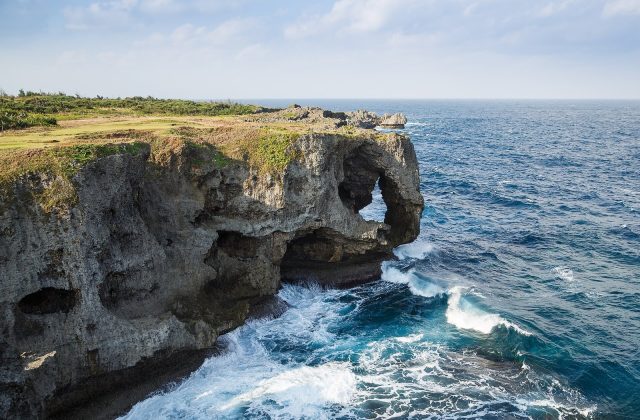
Okinawa is the main island of Japan's subtropical Ryukyu chain, about 106 km long and some 640 km south of Kyushu.
199 tours & trips
Japan · Seas of Japan & Korea · Historic island
The Goto Islands are a chain of about 140 islands in the East China Sea, some 100 km west of Nagasaki, with five main islands and around 690 square kilometres of land. They are known for white-sand beaches, volcanic hills and dozens of small churches built by Christians who kept their faith in secret for over two centuries.
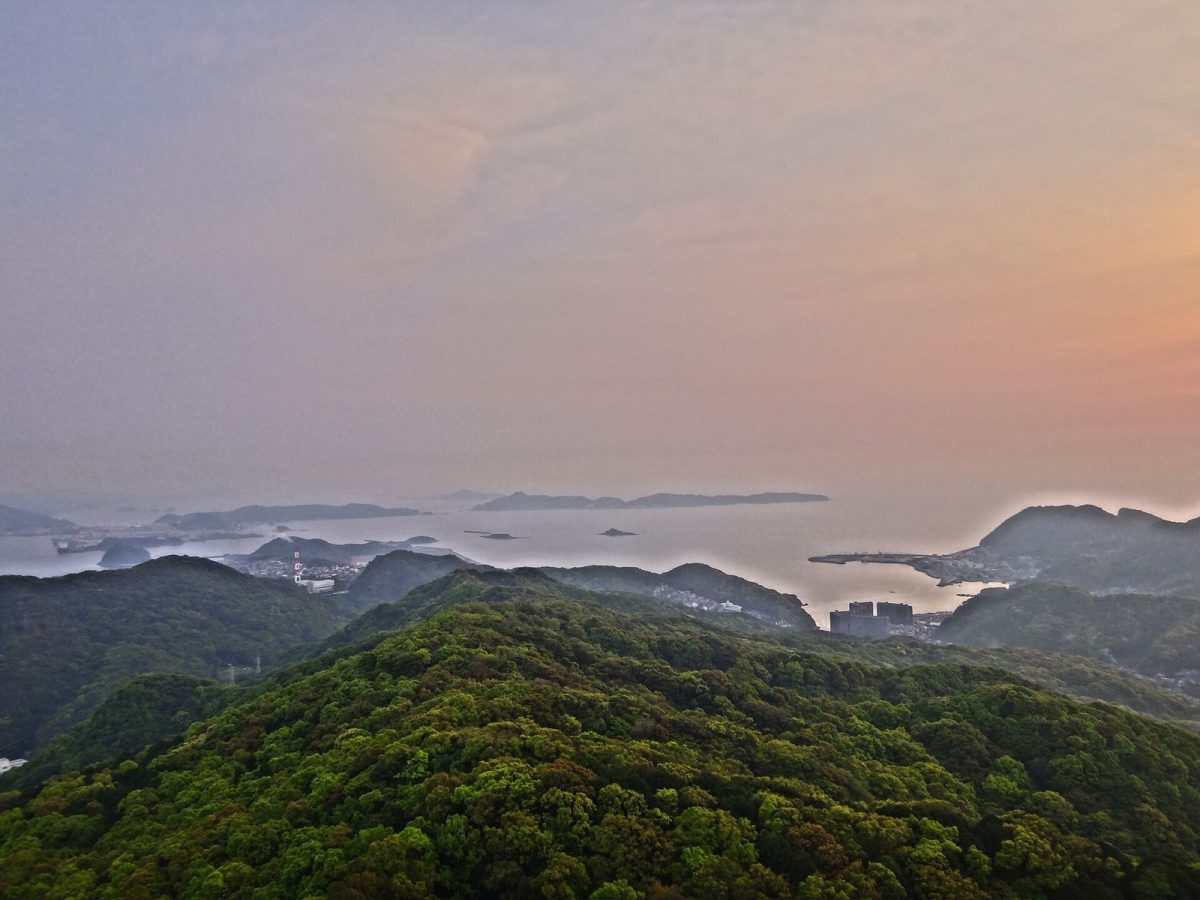
Photo: Masoud Akbari, CC BY-SA 3.0
| Getting there | Jetfoil from Nagasaki to Fukue about 1.5 h, car ferry 3 to 4 h; short flights from Nagasaki and Fukuoka |
|---|---|
| Gateway | Nagasaki (ferry) or Fukuoka (flight) |
| Travel time | About 1.5 h by jetfoil or 30 to 45 min by air |
| Days | 3 to 5 nights |
| Best months | Apr–Jun and Sep–Nov; Jul–Aug hot and humid, typhoons possible Aug–Sep |
| Getting around | Rent a car on Fukue and Nakadori; buses are sparse; local ferries between islands |
| Booking | Rental cars and rooms ahead in Golden Week, Obon and summer; jetfoils on holidays |
| Cost | Mid-range for Japan; cheaper than Kyoto or Tokyo |
| Beaches | White sand and clear water: Takahama and Tonden on Fukue, Hamaguri on Nakadori |
| Sea | Seas of Japan & Korea |
| Area | 690 km² |
| Population | 76,311 (2005) |
| Highest point | 460 m (Tetegadake) |
| Ferry | 1 h 25 min from Nagasaki (ferry) or Fukuoka (flight) |
| Airport | Yes, scheduled flights |
| Car-free | No |
| UNESCO | Hidden Christian Sites in the Nagasaki Region |
| Checked | November 2026 |
Very little is sold online for the Goto Islands, and what there is focuses on food rather than sightseeing: hands-on classes in making Goto udon, the local noodle stretched by hand and brushed with camellia oil, and sushi-making sessions with local fish. They last one to two hours, include the ingredients and the meal, and need a minimum of two people. The group runs about 85 kilometres from end to end, so allow time between islands.
Sightseeing is usually arranged independently. Most visitors fly or take the jetfoil from Nagasaki, rent a car at Fukue airport or port, and drive between churches, beaches and viewpoints at their own pace. Local taxi companies offer fixed-route church tours by the hour, and Japanese-language bus tours of Fukue run from the port, booked at the tourist office. The UNESCO-listed village on Kashiragashima can only be visited with advance notice through the official information centre, which also arranges shuttles.
Recommendation: rent a car for two days on Fukue and one or two on Nakadori, book a cooking class for the evening, and plan church visits with the information centre in advance.
On Fukue's west coast, this curve of white sand and turquoise water below green hills is often named one of the finest beaches in Japan. It is about 40 minutes by car from Fukue town, has basic facilities in summer, and is quiet outside July and August. Neighbouring Tonden Beach is just over the headland.
Two of the UNESCO-listed Hidden Christian sites. Kashiragashima, a small island linked by bridge to Nakadori, has a church built of local sandstone blocks by the islanders themselves. Egami, on Naru Island, is a white wooden church raised on stilts against damp, set in a quiet valley. Both need planning and respect.
On the bay north-east of Fukue town, the first church on the islands after the ban on Christianity ended was rebuilt in red brick in 1908. Inside, a small museum displays objects used in secret worship, such as statues of the Virgin disguised as the Buddhist goddess Kannon. It is a short drive from Fukue port.
Onidake, a grassy volcanic cone a few minutes from Fukue town, has walking paths across its rim and wide sea views; kite-flying is popular here. In town, see the walls and moats of Ishida Castle, built in the 1860s as one of the last castles in Japan, and the old samurai quarter with its stone walls.
At the south-western tip of Fukue, a white lighthouse stands on a headland above sheer cliffs that drop straight into the East China Sea. From the car park a steep path leads down to the lighthouse in about 20 minutes each way, and an upper viewpoint frames the coast. It is about an hour by car from town.
The long northern island, reached by ferry from Fukue or directly from Nagasaki and Sasebo, is the heart of the Hidden Christian story, with over 25 churches along its coves. Drive the coast road to Aosagaura and Nakanoura churches, and climb to the lookout over the drowned valleys of Wakamatsu.
Our pick for each kind of trip, with live dates and prices. Free cancellation on most.
Best for: Learn to make Goto udon
A hands-on class in the thin, springy noodles the islands are famous for, made with camellia oil; a good rainy-day activity and a souvenir you can eat.
Most visitors start in Nagasaki. From Nagasaki port, jetfoils reach Fukue, the southern main island, in about an hour and a half, and slower car ferries take three to four hours; several sailings a day run all year, with some going on to Naru and Nakadori. Ferries also run from Sasebo to Nakadori, and an overnight ferry links Hakata in Fukuoka with several islands.
Fukue airport has short flights from Nagasaki and Fukuoka, about 30 to 45 minutes. Bringing a car on the ferry is possible but costly; renting one on arrival is easier. Rough seas can cancel jetfoils, especially in typhoon season, so leave a spare day before an onward flight.
A car makes all the difference: rental offices sit at Fukue port and airport and in Arikawa and Narao on Nakadori, and the roads are quiet but narrow and winding. Buses on Fukue and Nakadori are infrequent and hard to use without Japanese. Taxis can be hired by the hour for church tours. Local ferries and high-speed boats link Fukue, Hisaka, Naru and Nakadori several times a day; check the timetable carefully, as the last boats leave early.
Spring, from April to June, and autumn, from September to November, are the best seasons, with mild weather, clear skies and few crowds. May is green and fresh, and October to November brings dry, sunny days that suit walking and church visits.
Summer is hot and humid, with the rainy season in June and early July, but July and August are the time for swimming, when the beaches have lifeguards and the sea is warmest. Typhoons can pass in August and September and stop all ferries for a day or two. Winter is cool and windy rather than cold, and the islands are very quiet. Japanese holidays such as Golden Week in early May and Obon in mid-August fill rental cars and rooms. Allow at least three nights to see Fukue and Nakadori; a full week lets you add Naru, Hisaka or Ojika.
Fukue town, by the port, is the most practical base, with hotels, restaurants, the airport nearby and rental cars; it suits a first visit and short stays. Nakadori, the main northern island, has smaller inns and guesthouses around Arikawa and Narao, close to the churches and the ferries from Sasebo and Nagasaki. Traditional minshuku guesthouses on the smaller islands offer home cooking and very quiet nights.
The Goto Islands were the last Japanese port of call for envoys sailing to Tang China in the 8th and 9th centuries. When Christianity was banned in the 17th century, many Christians from the Nagasaki area settled on the remote coves of Goto and kept their faith hidden, disguising prayers and images as Buddhist. After the ban was lifted in 1873, they built the wooden, brick and stone churches seen today, and in 2018 several villages joined a UNESCO World Heritage listing.
The Goto Islands pair naturally with Nagasaki, its Hidden Christian sites and the Peace Park, about an hour and a half away by jetfoil. Sasebo, Huis Ten Bosch and the Kujukushima islands lie on the route to Nakadori. Fukuoka is a short flight away, and Iki and Tsushima further north make a longer island trip.
Jetfoil from Nagasaki to Fukue about 1.5 h, car ferry 3 to 4 h; short flights from Nagasaki and Fukuoka.
From Nagasaki (ferry) or Fukuoka (flight): about 1.5 h by jetfoil or 30 to 45 min by air.
3 to 5 nights.
Apr–Jun and Sep–Nov; Jul–Aug hot and humid, typhoons possible Aug–Sep.
Rent a car on Fukue and Nakadori; buses are sparse; local ferries between islands.
Go if you want quiet beaches, Hidden Christian churches and a slow, rural side of Japan far from the tourist trail. Skip it or choose Iki or Nagasaki city itself if you have only a day, need easy public transport or do not drive. With about 1 h 25 min each way from Nagasaki (ferry) or Fukuoka (flight), a day trip is easy to do.
Mid-range for Japan; cheaper than Kyoto or Tokyo.
White sand and clear water: Takahama and Tonden on Fukue, Hamaguri on Nakadori.
Rental cars and rooms ahead in Golden Week, Obon and summer; jetfoils on holidays.
Yes. Boat trips, guided tours and day trips for Goto Islands can be booked online; live prices and free cancellation on most are shown on this page.
Ryukyu Islands, Japan
Okinawa is the main island of Japan's subtropical Ryukyu chain, about 106 km long and some 640 km south of Kyushu.
199 tours & trips
Japan
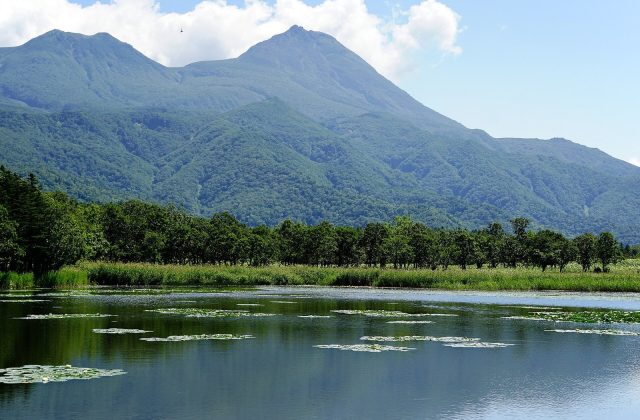
Hokkaido is the northernmost and second-largest of Japan's main islands, almost 78,000 square kilometres of…
84 tours & trips
Japan
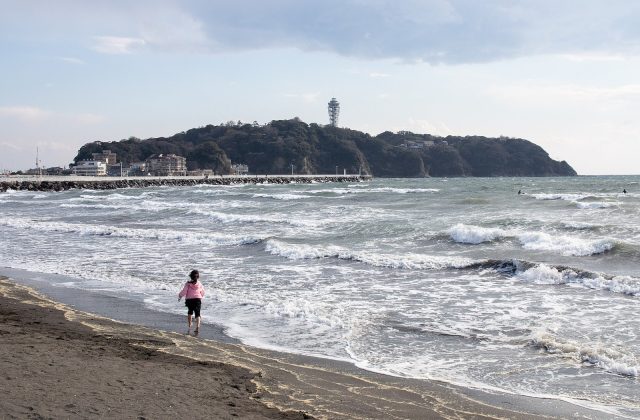
Enoshima is a small, wooded island about 4 km round in Sagami Bay, joined by a bridge to the beach town of Katase,…
61 tours & trips
Yaeyama Islands, Japan
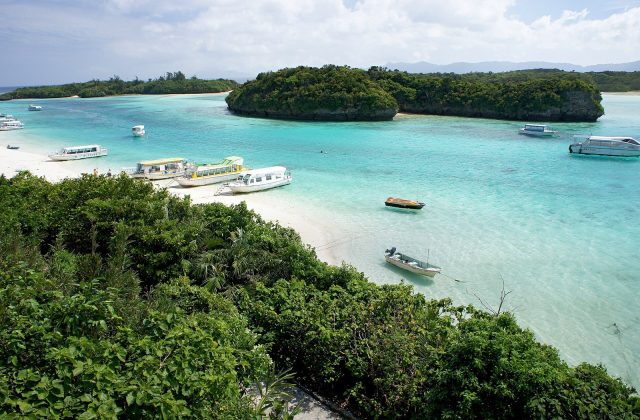
Ishigaki is a subtropical island in the far south of Japan, about 400 km south-west of Okinawa's main island and…
55 tours & trips
Miyako Islands, Japan
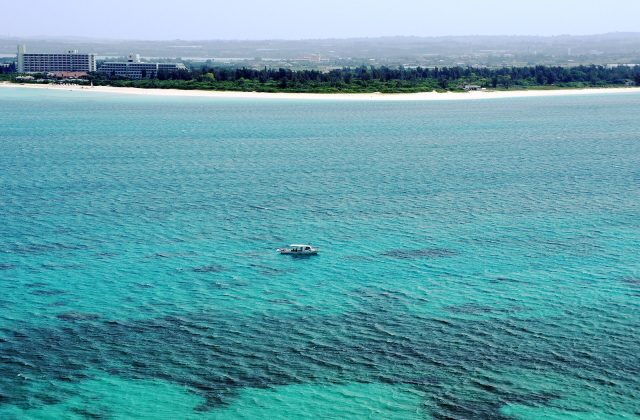
Miyakojima is a flat limestone island of about 159 square kilometres in Okinawa, some 300 km south-west of the main…
38 tours & trips
Japan
Awaji Island is the largest island in the Seto Inland Sea, about 592 square kilometres of farmland, coast and low hills…
22 tours & trips