Lanzarote
27 km away
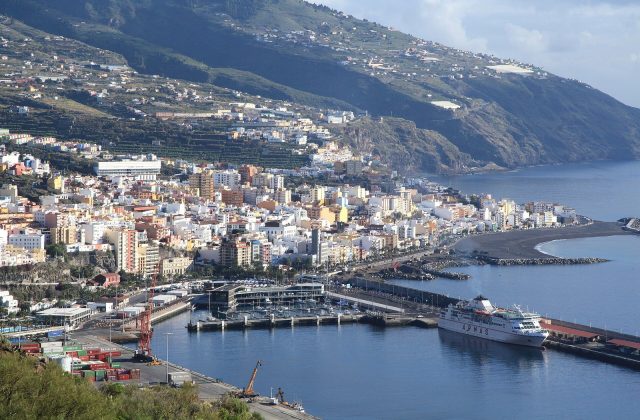
Lanzarote is the easternmost of the Canary Islands, about 125 km off the coast of Africa, a low island of black lava…
273 tours & trips
Spain · Atlantic Ocean · Beach island
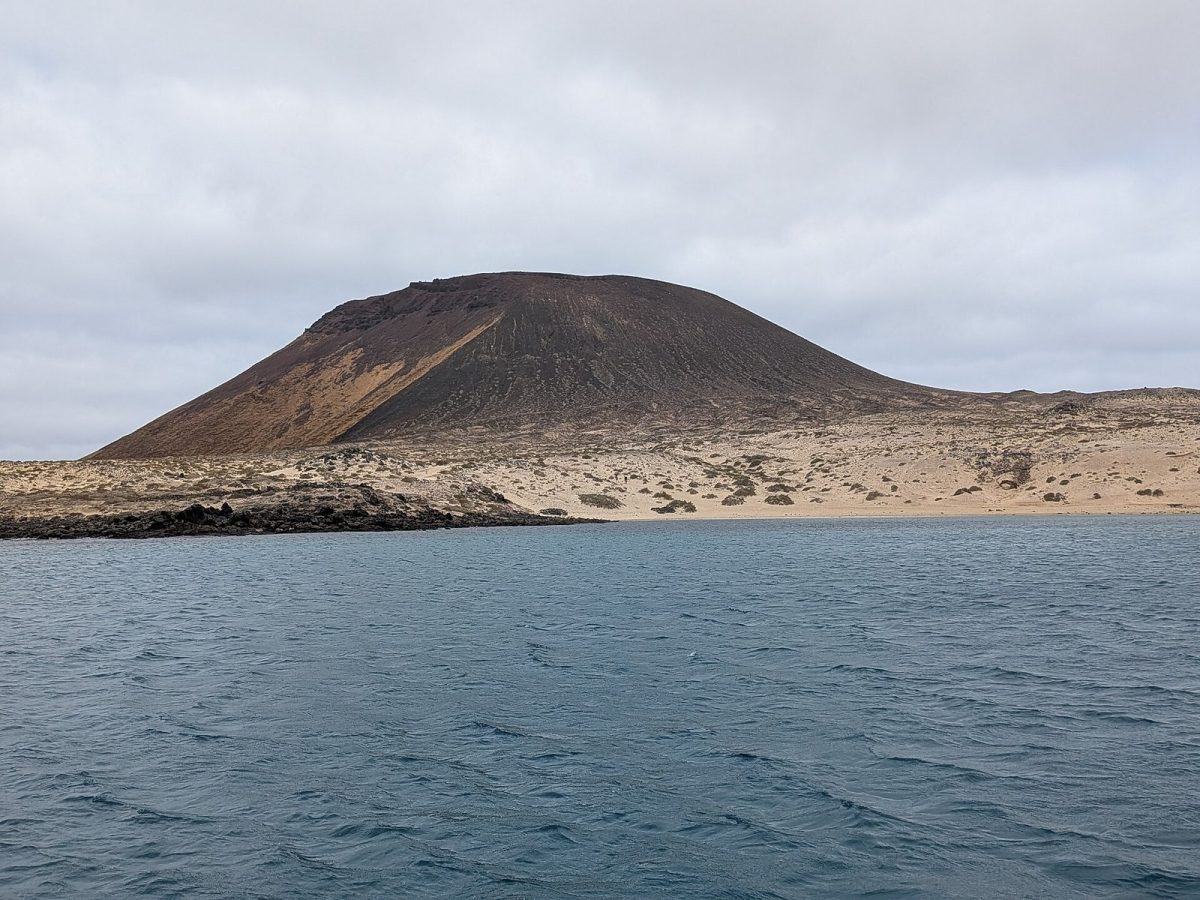
La Graciosa is a small volcanic island of sandy tracks and golden beaches lying 2 km off the northern tip of Lanzarote, reached by a 25-minute ferry from Orzola. Declared the eighth Canary Island in 2018, it has only about 700 residents, no paved roads and some of the emptiest beaches in the archipelago.
| Getting there | Ferry from Orzola on Lanzarote, about 25 min, several times a day all year |
|---|---|
| Gateway | Orzola, Lanzarote |
| Travel time | 25 min by ferry |
| Days | A day trip is enough |
| Best months | Apr–Oct warmest; mild all year; windy in summer |
| Getting around | Car-free: walk, rent a bike or take a 4x4 taxi on sandy tracks |
| Booking | Rooms well ahead in summer and Easter; ferries a day ahead in August |
| Cost | Mid-range for the Canaries |
| Beaches | Golden sand: Playa de las Conchas wild and wavy, Playa Francesa and La Cocina sheltered |
| Sea | Atlantic Ocean |
| Archipelago | Canary Islands |
| Area | 29 km² |
| Population | 734 (2024) |
| Highest point | 266 m (Agujas Grandes) |
| Ferry | 25 min from Orzola, Lanzarote |
| Airport | No |
| Car-free | Yes |
| Checked | October 2026 |
Nothing is sold online for La Graciosa on its own. Most visitors either take the scheduled ferry from Orzola and explore independently, or join a catamaran day trip from the Lanzarote resorts that includes the island among other stops.
The independent route is simple and flexible: ferries run several times a day, and on arrival in Caleta de Sebo you can rent a bike, book a 4x4 taxi to a beach and arrange a time for collection, or walk. Bring water, food and sun protection, as there is nothing beyond the village.
Catamaran trips, sold by agents in Playa Blanca, Puerto del Carmen and Costa Teguise, usually sail along the cliffs of Famara or through the strait, anchor off a beach such as Playa Francesa for swimming, kayaking and snorkelling, and include lunch and drinks; transfers from your hotel may be extra. They give less time ashore but take away the logistics.
Some operators also offer guided hikes, diving in the marine reserve and fishing trips from Caleta de Sebo.
The plain recommendation is the early ferry, a rented bike or a taxi to Playa de las Conchas, a swim at La Cocina and fish for lunch in the village before the last boat back.
The ferry lands in the island's only real village: low whitewashed houses on streets of sand, a small harbour of fishing boats and a sheltered sandy beach in front of the port. Rent a bike, buy water and picnic supplies, and book a table for grilled fish on your return. In the evening, after the day visitors leave, it becomes very quiet.
On the north-west coast, about 8 km from the village by sandy track, this long beach of golden sand faces the uninhabited islet of Montana Clara under the red cone of Montana Bermeja. It is the island's most beautiful spot, but the Atlantic waves and currents are strong, so swim only on calm days and stay near the shore.
At the southern tip, a 40-minute walk from Caleta de Sebo, the eroded yellow cone of Montana Amarilla rises above a small sheltered cove of pale sand and very clear water. Playa de la Cocina is one of the best swimming spots on the island. Climbing the lower slopes gives a view across the strait to the cliffs of Lanzarote.
Halfway between the village and Montana Amarilla, this calm bay of white sand and turquoise water faces the Famara cliffs across the strait. It is an easy walk or bike ride from the harbour and a favourite anchorage for catamarans, so it can be busy around midday. Come early or late for space, and snorkel along the rocks at either end.
A loop of sandy tracks links Caleta de Sebo, Pedro Barba in the east, the northern beaches and the volcanic cones of the interior, including Agujas Grandes, the highest point at 266 metres. The loop is about 20 to 25 km; the sand is soft in places, so rent a mountain bike, carry plenty of water and allow most of a day.
Ferries from Orzola, the small port at the northern tip of Lanzarote, cross the Strait of El Rio to Caleta de Sebo in about 25 minutes. Two operators, Lineas Romero and Biosfera Express, run several sailings a day all year, with more in summer; tickets are sold at the port and online, and booking ahead is wise in August. Check the time of the last boat back.
Orzola is about 45 minutes by car from Arrecife and Lanzarote airport, which has flights from mainland Spain and much of Europe. Buses run to Orzola but infrequently, so most visitors drive and use the car parks at the port. Cars cannot be taken to La Graciosa, which has no paved roads, and there is no airport on the island.
La Graciosa has no tarmac roads and only resident vehicles, mainly 4x4 taxis. These can be booked at the harbour to take you to the far beaches and collect you at an agreed time. Bike rental shops near the port offer mountain bikes, ideal on the sandy tracks, though some stretches are hard work in soft sand and wind. Walking is easy on the flat south but long distances in the sun need water and planning.
The climate is mild all year, with air temperatures from about 20 degrees in winter to 28 degrees in summer and very little rain. The sea is coolest around February, at about 18 degrees, and warmest in September and October, at about 22 to 23 degrees, which makes autumn the best time for swimming.
From April to October the weather is warm and settled, but the trade winds blow hardest in July and August, which can make cycling tiring and the north coast rough. Summer and Spanish holidays bring the most day visitors and the hardest search for rooms. Winter is quiet and pleasant for walking, though some days are windy and cloudy. A day trip covers the highlights; stay one or two nights to enjoy the island after the ferries stop.
All accommodation is in Caleta de Sebo, mainly holiday apartments, small guesthouses and a few hostels within walking distance of the harbour. It suits travellers who want quiet evenings, early starts on empty beaches and simple seafood dinners. Choices are limited, so book well ahead for summer and Easter. Camping is allowed only at the official site near Playa del Salado with a permit.
La Graciosa was long uninhabited apart from passing fishermen and, legend says, pirates who used its bays for shelter. Settlement began in the late 19th century, when a fish-salting business attracted families to Caleta de Sebo, and the village still lives from fishing and now from tourism. Most of the island belongs to the Spanish state and lies within the Chinijo Archipelago Natural Park, and the surrounding waters form a large marine reserve, which explains the lack of building. In 2018 it was declared the eighth Canary Island, though it remains part of Teguise municipality.
La Graciosa pairs naturally with northern Lanzarote: the Mirador del Rio viewpoint above the strait, the lava caves of Jameos del Agua and Cueva de los Verdes, and the beach and surf of Famara, all within 30 minutes of Orzola. From Lanzarote, ferries cross to Corralejo on Fuerteventura in about 30 minutes.
27 km away
Lanzarote is the easternmost of the Canary Islands, about 125 km off the coast of Africa, a low island of black lava…
273 tours & trips
64 km away
Isla de Lobos is an uninhabited volcanic islet of under 5 square kilometres, 2 km off the northern tip of Fuerteventura…
28 tours & trips
106 km away
Fuerteventura is the second-largest of the Canary Islands and the closest to Africa, about 97 km off the Moroccan…
233 tours & trips
Ferry from Orzola on Lanzarote, about 25 min, several times a day all year.
From Orzola, Lanzarote: 25 min by ferry.
A day trip is enough.
Apr–Oct warmest; mild all year; windy in summer.
No. La Graciosa is car-free. Car-free: walk, rent a bike or take a 4x4 taxi on sandy tracks.
Go if you want empty beaches, desert-like volcanic scenery and a car-free day of walking or cycling. Skip it or stay on Lanzarote if you want resort hotels, varied restaurants, sheltered swimming everywhere and things to do in the evening. With about 25 min each way from Orzola, Lanzarote, a day trip is easy to do.
Mid-range for the Canaries.
Golden sand: Playa de las Conchas wild and wavy, Playa Francesa and La Cocina sheltered.
Rooms well ahead in summer and Easter; ferries a day ahead in August.
Canary Islands, Spain
Tenerife is the largest of the Canary Islands, 2,034 square kilometres of Atlantic volcano off north-west Africa,…
723 tours & trips
Canary Islands, Spain
Gran Canaria is a round volcanic island of 1,560 square kilometres in the Canaries, rising from the dunes of Maspalomas…
350 tours & trips
Canary Islands, Spain
Lanzarote is the easternmost of the Canary Islands, about 125 km off the coast of Africa, a low island of black lava…
273 tours & trips
Canary Islands, Spain
Fuerteventura is the second-largest of the Canary Islands and the closest to Africa, about 97 km off the Moroccan…
233 tours & trips
Canary Islands, Spain
La Palma is the most north-westerly of the Canary Islands, a steep green volcanic island of about 708 square kilometres…
76 tours & trips
Canary Islands, Spain
Isla de Lobos is an uninhabited volcanic islet of under 5 square kilometres, 2 km off the northern tip of Fuerteventura…
28 tours & trips