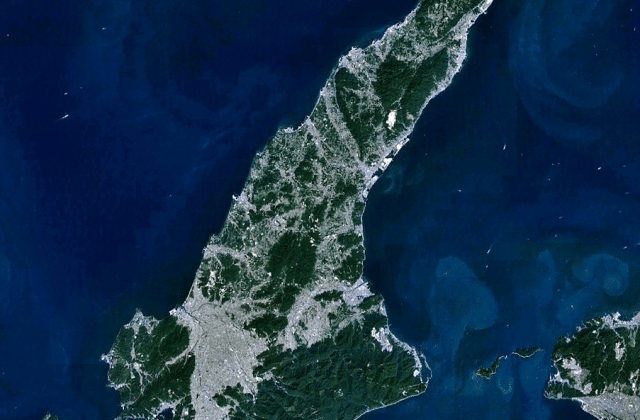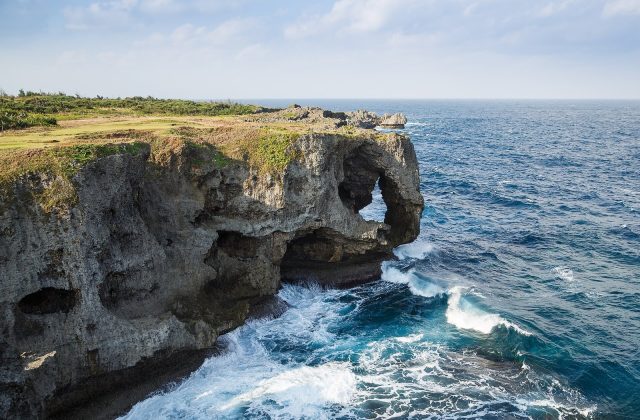
Okinawa
Ryukyu Islands, Japan
Okinawa is the main island of Japan's subtropical Ryukyu chain, about 106 km long and some 640 km south of Kyushu.
199 tours & trips
Japan · Seas of Japan & Korea · Historic island
Naoshima is a small island of about 8 square kilometres in the Seto Inland Sea of Japan, turned into one of the world's best-known destinations for contemporary art. Museums by Tadao Ando, outdoor sculptures such as the yellow pumpkin, and artworks hidden in old village houses share the island with about 3,000 residents and a working fishing port.
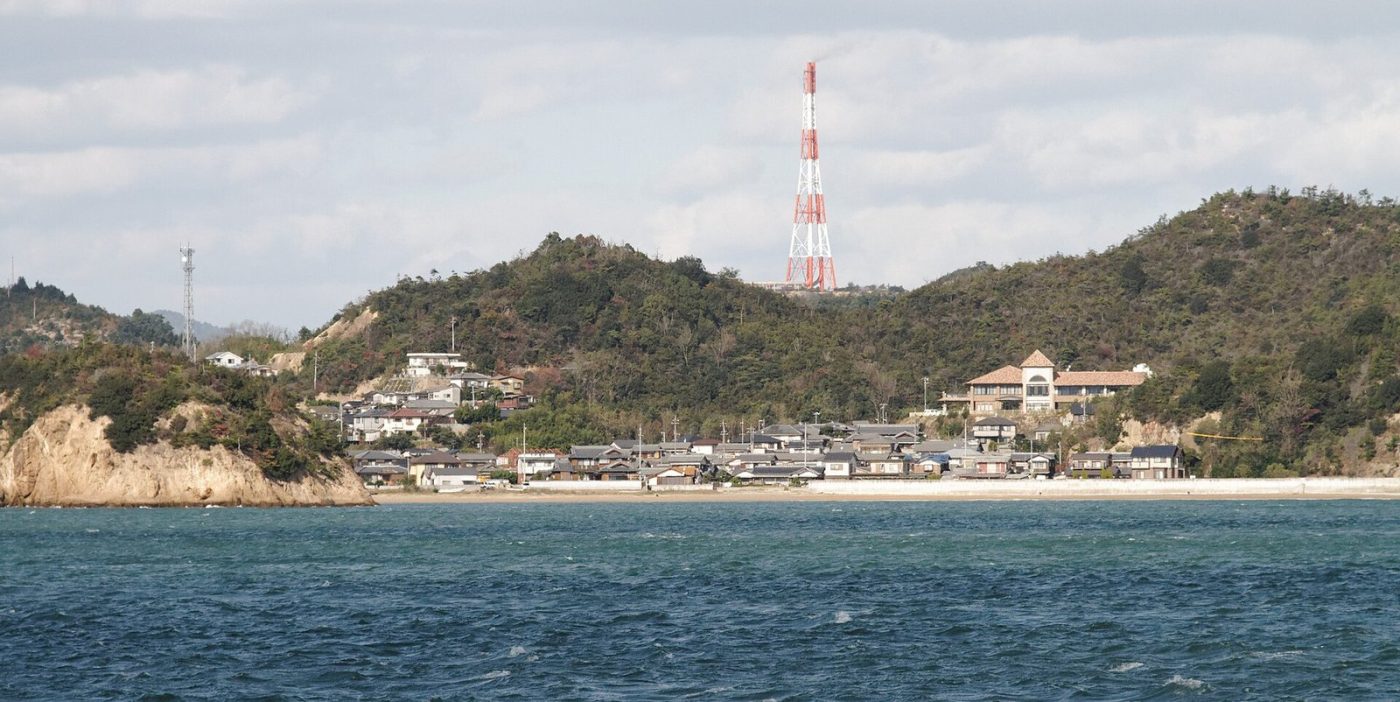
Photo: KimonBerlin, CC BY-SA 2.0
| Getting there | Ferry from Uno (Okayama) in about 20 min or from Takamatsu in about 50 min, or 30 min by fast boat |
|---|---|
| Gateway | Okayama (Uno Port) or Takamatsu |
| Travel time | 20 min by ferry from Uno; 30 to 50 min from Takamatsu |
| Days | 1 to 2 nights |
| Best months | Mar–May and Oct–Nov; Jun–Jul rainy; most museums shut on Mondays |
| Getting around | Town buses, rental bikes and e-bikes; a free shuttle runs to the southern museums |
| Booking | Timed Chichu Art Museum tickets weeks ahead; island rooms early in spring and autumn |
| Cost | Mid-range for Japan; museum tickets add up |
| Beaches | Small calm beaches near Miyanoura and on the south coast by the museums; not a beach island |
| Sea | Seas of Japan & Korea |
| Area | 7.8 km² |
| Population | 3,103 (2020) |
| Ferry | 20 min from Okayama (Uno Port) or Takamatsu |
| Airport | No |
| Car-free | No |
| Checked | November 2026 |
Most people visit Naoshima on their own: the ferries are frequent, signs are in English and the museums sell their own tickets. Tours are useful mainly if you have little time, want context for the art or would rather not juggle ferry and bus timetables.
Guided day trips from Okayama cover the train to Uno, the ferry and island transport, with time in one or two museums and a walk through the Art House Project in Honmura. A longer version starts in Kyoto with a bullet-train ride, which makes a very long day. Museum entry is sometimes included and sometimes extra, so check, and confirm the timed Chichu reservation in particular.
On the island, private guided days with a government-licensed guide or a local resident adapt to your interests, and a private cycling tour links the port, the villages and the southern museums with the outdoor works on the way. Smaller options include a short tour on how to look at contemporary art, a walk on the stories behind the works, a sushi-making class and an evening bar walk. A three-day package from Osaka adds Teshima and Shodoshima with the ferries arranged.
If you are comfortable with public transport, go independently, book the Chichu Art Museum online and stay one night; take a guided day only if time is short.
Tadao Ando built this museum almost entirely underground in a hill above the south coast, lit by daylight from above. It holds only three artists: late Water Lilies paintings by Claude Monet, light installations by James Turrell and a vast granite sphere by Walter De Maria. Entry is by timed ticket booked online, and you should allow at least 90 minutes.
The original museum, also by Ando, combines a gallery with a hotel on the shore, and its works continue outside along the beach and paths. Here you find Yayoi Kusama's yellow pumpkin on its pier, the most photographed object on the island. The walk from Benesse House to the Chichu and Lee Ufan museums takes about 15 minutes along the coast road.
In the old village of Honmura on the east coast, abandoned houses, a shrine and a temple site have been turned into permanent artworks. One ticket covers most of them, and you walk the lanes between them for one to two hours. Look for the Minamidera house, designed by Ando with a Turrell work inside, entered in timed groups.
Set in a hollow between the Chichu and the sea, this low concrete building by Ando shows the paintings and stone-and-steel sculptures of the Korean artist Lee Ufan. It is quiet and spare, a good counterweight to the busier sites, and usually needs no booking. Combine it with the Chichu on the same morning, as they are a short walk apart.
The main ferry port greets arrivals with Kusama's red pumpkin, which you can walk inside. Nearby, the public bathhouse designed by Shinro Ohtake is a working bath covered in collage, open to anyone who wants a soak. Miyanoura also has most of the cafes, bike rental shops and guesthouses, and is the place for an early dinner before the last ferry.
Our pick for each kind of trip, with live dates and prices. Free cancellation on most.
Best for: First visit, a guided day from Okayama
Takes care of trains, ferries and buses from Okayama and gives you a guide who explains the main museums and village art projects in one well-paced day.
Naoshima has no airport and no bridge; all visitors arrive by sea. The usual route is by train to Okayama on the bullet-train line, then a local train of about an hour to Uno Port, from where ferries cross to Miyanoura in about 20 minutes and smaller passenger boats in about 15, roughly every hour or two through the day.
From Takamatsu on Shikoku, car ferries take about 50 minutes and high-speed boats about 30, a few times a day. Some boats land at Honmura instead of Miyanoura. Tickets are bought at the port on the day and cannot usually be reserved. Check the last return sailing, which is early in the evening. You can take a car on the ferry, but it is hardly needed and parking near the museums is limited.
Naoshima is small and gentle enough to manage without a car. Town buses link Miyanoura, Honmura and the Benesse area at the south end, where a free shuttle connects the museums; buses fill quickly on busy days. Rental bikes and e-bikes from Miyanoura are the most flexible option, though there is a hill before the southern museums. Walking between Honmura and Miyanoura takes about 40 minutes.
Spring, from March to May, and autumn, from October to November, bring mild weather, clear light and the most pleasant cycling; cherry blossom in early April and autumn colour in November are lovely but bring crowds. June and July are the rainy season, and August is hot and humid, with typhoons possible into September.
Winter is cool, often sunny and very quiet, a good time if you dress warmly. Most museums close on Mondays, or on Tuesday after a public holiday, and some sites have other closing days, so plan the week around them. Golden Week in early May and the summer holidays are the busiest periods.
The Setouchi Triennale art festival brings new works and big crowds every three years. One full day covers the main sites, but a night lets you see more without rushing.
Staying on the island lets you visit the museums before and after the day-trippers. The hotel at the museums on the south coast is the most memorable but expensive and books out. Miyanoura has guesthouses, small inns and the most restaurants, close to the ferry. Honmura is quieter, with a few traditional houses. Many visitors instead base themselves in Okayama or Takamatsu, with more choice and lower prices.
Naoshima was a fishing and salt-making island until 1917, when Mitsubishi built a copper smelter on its north side, which still operates and brought decades of industrial pollution. The change came in the late 1980s, when the Benesse publishing group chose the island for an art project with Tadao Ando. A museum hotel opened in 1992, the Art House Project followed in 1998 and the Chichu Art Museum in 2004. Today the island balances its industrial north, its fishing villages and a steady flow of visitors drawn by the art.
Teshima, with the Teshima Art Museum, is about 20 to 30 minutes away by passenger boat, and Inujima is a further hop. Shodoshima, with olive groves and gorges, is a full day from Takamatsu. On the mainland, Okayama's Korakuen garden and the old canal town of Kurashiki pair well; in Takamatsu, see Ritsurin garden.
Ferry from Uno (Okayama) in about 20 min or from Takamatsu in about 50 min, or 30 min by fast boat.
From Okayama (Uno Port) or Takamatsu: 20 min by ferry from Uno; 30 to 50 min from Takamatsu.
1 to 2 nights.
Mar–May and Oct–Nov; Jun–Jul rainy; most museums shut on Mondays.
Town buses, rental bikes and e-bikes; a free shuttle runs to the southern museums.
Go if you love contemporary art and architecture and want a calm island day by the sea in western Japan. Skip it or choose Shodoshima if you are not interested in museums, or if you cannot book the main gallery in advance. With about 20 min each way from Okayama (Uno Port) or Takamatsu, a day trip is easy to do.
Mid-range for Japan; museum tickets add up.
Small calm beaches near Miyanoura and on the south coast by the museums; not a beach island.
Timed Chichu Art Museum tickets weeks ahead; island rooms early in spring and autumn.
Yes. Boat trips, guided tours and day trips for Naoshima can be booked online; live prices and free cancellation on most are shown on this page.
Ryukyu Islands, Japan
Okinawa is the main island of Japan's subtropical Ryukyu chain, about 106 km long and some 640 km south of Kyushu.
199 tours & trips
Japan
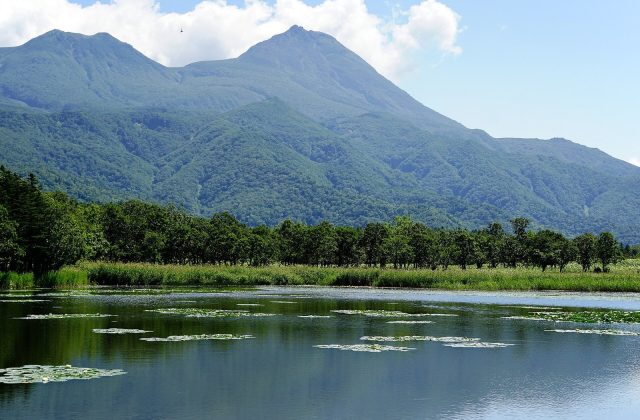
Hokkaido is the northernmost and second-largest of Japan's main islands, almost 78,000 square kilometres of…
84 tours & trips
Japan
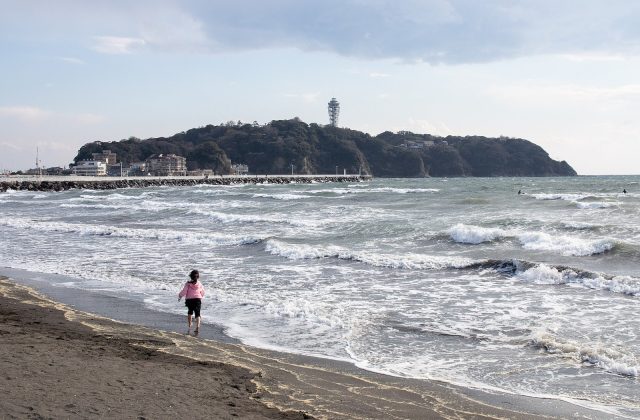
Enoshima is a small, wooded island about 4 km round in Sagami Bay, joined by a bridge to the beach town of Katase,…
61 tours & trips
Yaeyama Islands, Japan
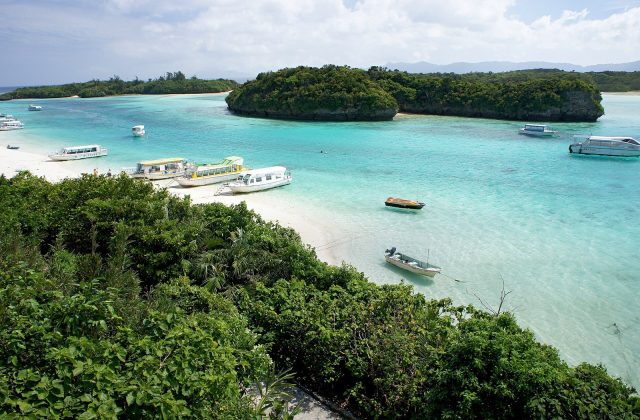
Ishigaki is a subtropical island in the far south of Japan, about 400 km south-west of Okinawa's main island and…
55 tours & trips
Miyako Islands, Japan
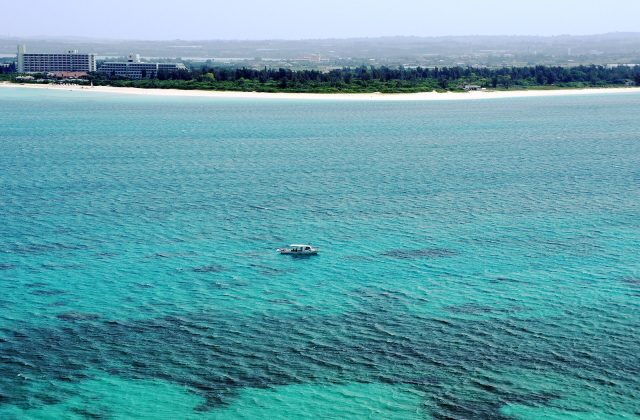
Miyakojima is a flat limestone island of about 159 square kilometres in Okinawa, some 300 km south-west of the main…
38 tours & trips
Japan
Awaji Island is the largest island in the Seto Inland Sea, about 592 square kilometres of farmland, coast and low hills…
22 tours & trips