What car-free means
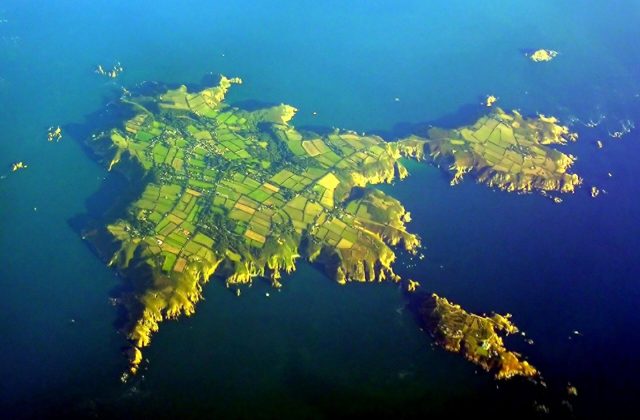
Car-free rarely means no engines at all. On most of these islands visitors may not bring or hire cars, but residents use small service vehicles, delivery tractors or electric carts: Hydra has only a couple of service vehicles, Stromboli and Panarea have electric carts and three-wheeled vans in lanes too narrow for cars, Sark hauls arrivals up Harbour Hill on a tractor-drawn trailer, and on Vlieland and Schiermonnikoog visitors leave their cars at the mainland port while residents still drive. Others, such as Delos and Lokrum, are protected sites where nobody may stay the night.
What replaces the car is part of the appeal: donkeys and water taxis on Hydra, bikes on Porquerolles and the Dutch islands, horse-drawn carriages on Sark and Ile d'Aix, the vaporetto in the Venetian lagoon, and your own feet nearly everywhere.
Greece, Croatia and Malta
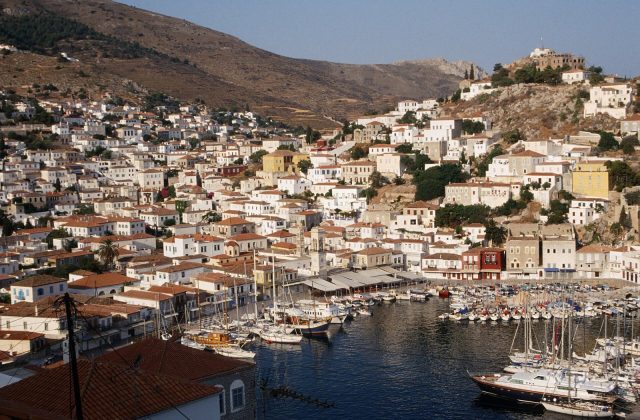
Hydra is the best-known car-free island in Greece, one and a half to two hours from Piraeus by hydrofoil, with no car ferry at all; you walk the stepped lanes, hand your luggage to a porter or a donkey at the harbour and take water taxis to the coves. Delos, 30 minutes by boat from the Old Port of Mykonos, is an open-air archaeological site seen on foot along marked paths, and its boats are cancelled in strong wind.
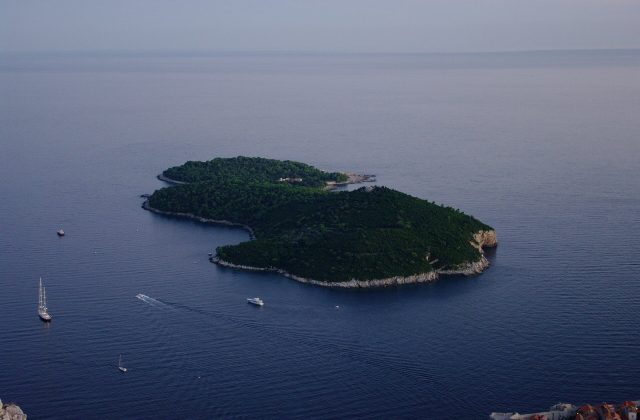
In Croatia, Lokrum is 15 minutes by boat from Dubrovnik's old harbour, roughly April to November, and has no cars or bikes, only marked paths. Malta's Comino is reached by shuttle boat from Cirkewwa on Malta in about 20 minutes or from Mgarr on Gozo in 10 to 15; dirt tracks lead from the Blue Lagoon across an island you can walk end to end in under an hour.
Italy: lagoon and volcanoes
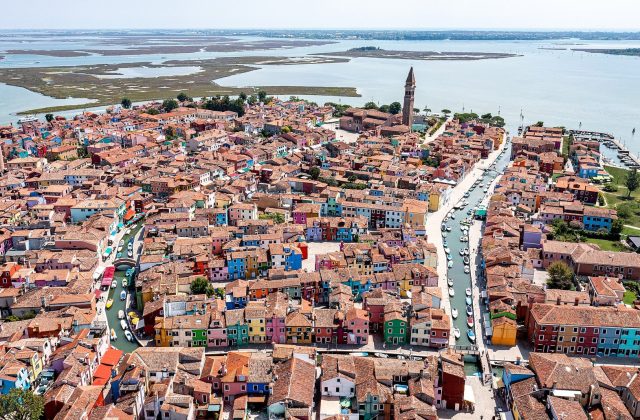
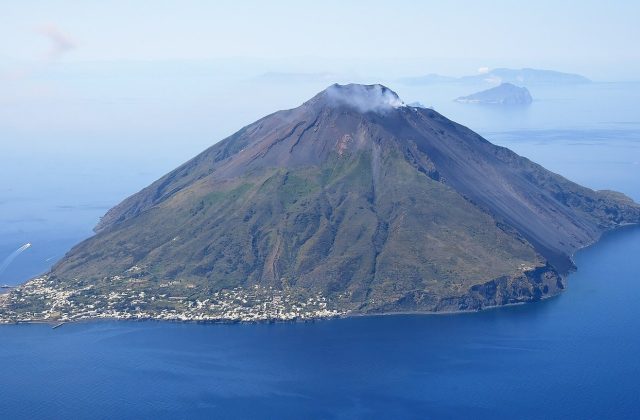
In the Venetian lagoon the vaporetto is the only transport. Murano is 10 minutes from Fondamente Nove, Burano about 40 minutes on line 12, and Torcello a five-minute hop beyond Burano, so the three make one long day. On the Aeolian Islands, hydrofoils from Milazzo reach Panarea in about 1.5 to 2 hours and Stromboli in about 2.5 to 3; on both you walk or ride an electric cart taxi from the port. On Stromboli, check the current rules, since climbing has been restricted since the eruptions of 2019 and a wildfire in 2022, though boat trips to watch the night eruptions are unaffected.
France and Spain
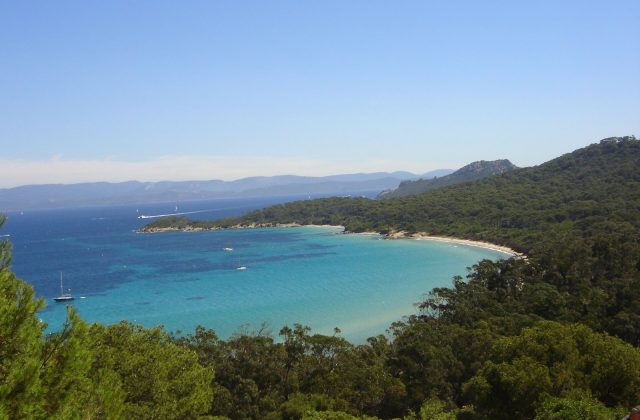
Porquerolles is 20 minutes by ferry from La Tour Fondue on the Giens peninsula, all year; hire a bike by the harbour and ride the dirt tracks to the beaches, and in July and August expect a daily cap on arrivals at peak times. Port-Cros, a national park, is car-free and bike-free and walked on marked trails. The Lérins are 15 to 20 minutes from Cannes, and the Frioul islands 20 to 30 minutes from Marseille's Old Port, where the mistral can stop the boats.
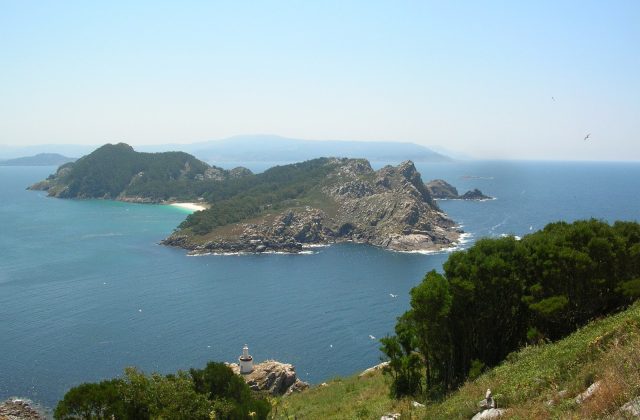
In Spain, Tabarca is 25 minutes by boat from Santa Pola and walkable in under an hour, and La Graciosa, 25 minutes from Orzola on Lanzarote, has sandy tracks for bikes and 4x4 taxis. The Cíes Islands off Vigo need a free visitor permit before you buy a ferry ticket, with boats only from mid-May to September and at Easter.
The Atlantic and North Sea
Portugal's Berlengas are about 40 minutes from Peniche by ferry, in summer only, with visitor numbers capped and paths of a few kilometres. In the Channel Islands, Sark is about 50 minutes from St Peter Port on Guernsey and Herm about 20; Sark has bikes and horse-drawn carriages instead of cars. Heligoland is about 75 minutes from Cuxhaven by fast catamaran, and on the Dutch Wadden islands of Vlieland and Schiermonnikoog visitors cycle or walk from the ferry.
Day trip or overnight
Most of these islands are day trips, and on some, Lokrum and Delos among them, nobody may stay the night. The ones worth a night are those that change after the last boat: Hydra and Sark when the day-trippers leave, Stromboli for the eruptions after dark, with two nights in case cloud hides the glow, and Porquerolles once the ferries stop. Rooms on these islands are few, so book them months ahead for summer, and on every day trip check the time of the last boat back.
Season matters more on car-free islands, because everything depends on boats. Some, such as the Berlengas and the Cíes, have sailings only in summer, and in winter the Aeolian hydrofoils and the Channel Island ferries are fewer and storms can cut islands off for a day or more.
Where to book
Hydra: one or two nights, with summer weekend hydrofoils from Piraeus and rooms booked weeks ahead. Burano: a day trip on vaporetto line 12 from Fondamente Nove, with nothing to book beyond a weekend lunch. Porquerolles: a day by bike from La Tour Fondue, with summer ferry seats and bikes booked a few days ahead and island rooms months ahead. Stromboli: two nights between April and June or in September and October, with summer rooms booked months ahead and night boats a few days ahead.
Cíes Islands: the free permit first, then the ferry from Vigo, days or weeks ahead in July and August. Sark: one or two nights from May to September, with ferry and rooms booked weeks ahead for July and August. Lokrum: nothing ahead; buy the boat ticket at the harbour in Dubrovnik on the day and check the last boat back.