How the island groups differ
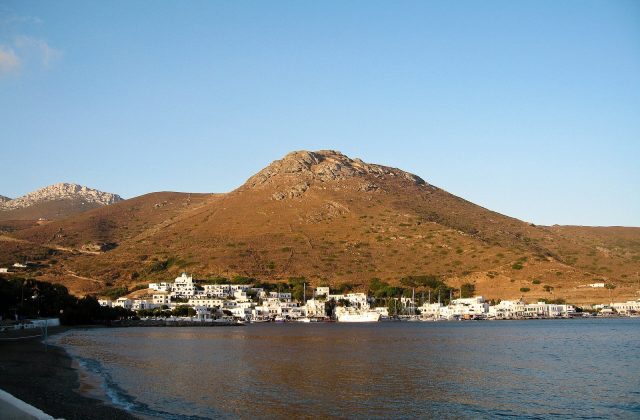
The Cyclades are the dry, windy islands of white villages, from Mykonos and Santorini to Naxos, Paros and Milos; they are linked by fast ferries, which makes them the easiest group for island hopping, but they are exposed to the meltemi in July and August. The Dodecanese, off the Turkish coast, mix medieval towns and beaches: Rhodes and Kos have direct flights from Europe, and smaller Symi, Kalymnos and Patmos are a short catamaran ride away.
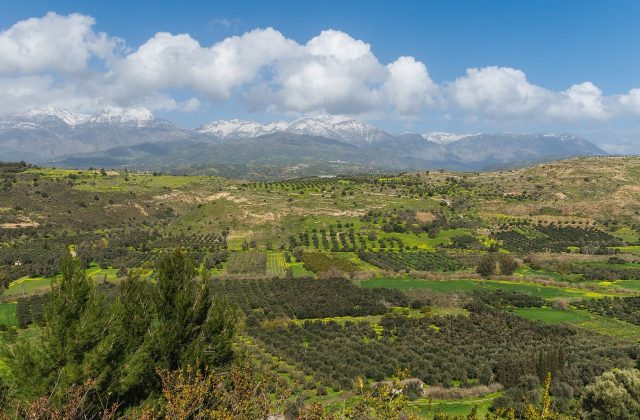
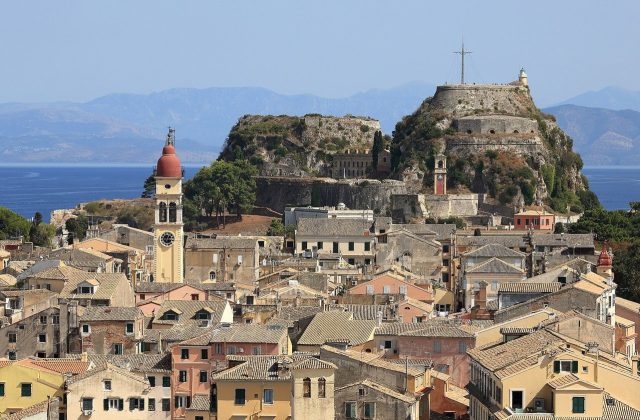
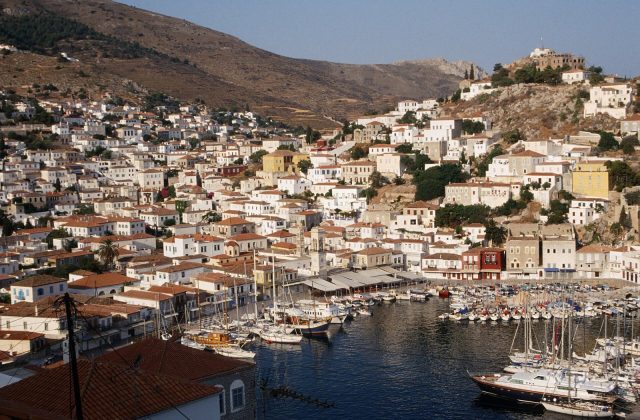
The Ionian islands on the west side are greener, wetter in winter and calmer in summer, with Venetian towns and long beaches on Corfu, Kefalonia and Zakynthos, all with their own airports. Crete is a destination in its own right, big enough for a week or more by car. The Saronic islands, Aegina, Agistri, Poros, Hydra and Spetses, are an hour or two from Piraeus and suit a short trip.
A first visit
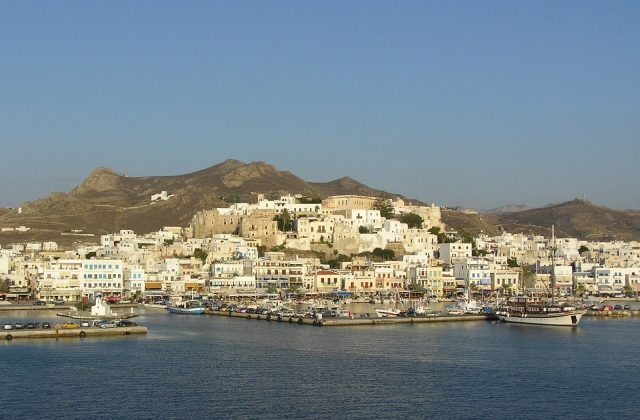
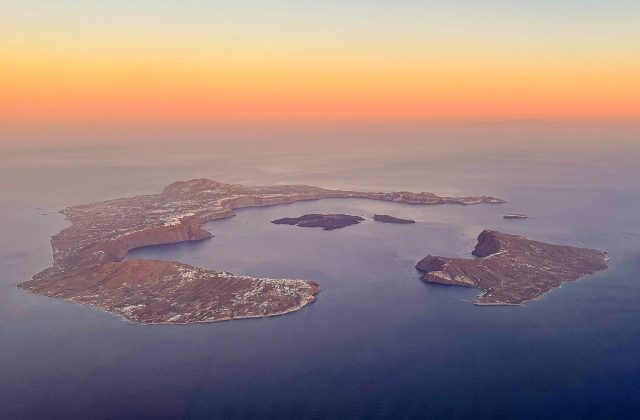
For a first trip, Naxos and Paros are the safest choices: both are on the main ferry line, both have short flights from Athens, and between them they offer long sandy beaches, lively port towns, mountain villages and fair prices for the Cyclades. They are 40 minutes apart by fast boat, so you can split a week. Add two or three nights on Santorini if the caldera view is the point of the trip, and accept that it is expensive and crowded in the middle of the day.
If you would rather not take any ferry, Crete or Rhodes give you a week on one island, with direct flights from much of Europe, ancient sites, old towns and enough beaches for every day.
Couples and quiet stays
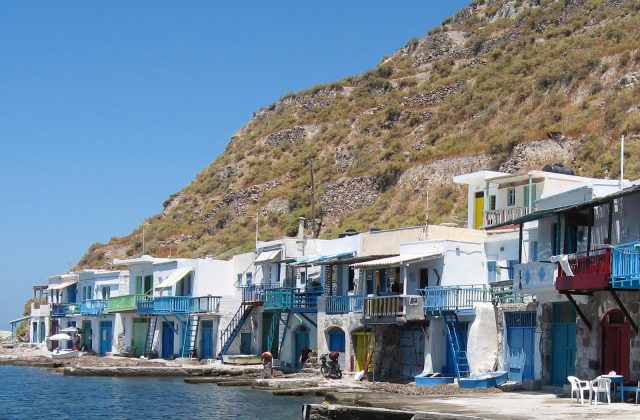
Santorini is the classic couples' island, with cliff-top rooms and sunsets, but book months ahead and expect high prices. Milos gives couples coloured coves, boat days and a more relaxed pace for less, and Folegandros, an hour away, has a cliff-top Chora and walking paths with few cars. For real quiet, Koufonisia has sandy coves you can walk to, and Paxos, an hour by fast boat from Corfu, is a green island of olive groves and small harbours.
Families and beaches
Families do best on islands with sandy, shallow beaches, short transfers and plenty of rooms. Naxos fits well, with a line of sandy beaches south of town served by buses. Paros is similar, and Kos has a flat north coast for cycling and direct flights from many European cities. On the Ionian side, Corfu and Kefalonia work well for a week by car, and on Zakynthos loggerhead turtles nest on the southern beaches.
Nightlife, hiking and history
For nightlife, Mykonos has the beach clubs and the prices to match, while Ios draws a younger crowd on a smaller budget in July and August; families should avoid its peak weeks. For hiking, Amorgos has old paths between villages and the cliff monastery, Sifnos combines trails with some of the best food in the western Cyclades, and Naxos has the climb up Mount Zas, the highest point in the Cyclades.
For history, Crete has Knossos and Rhodes its walled medieval Old Town. From Mykonos, boats run to the ancient sanctuary of Delos, and Patmos, with its monastery, is a quiet pilgrimage island in the Dodecanese.
Short trips and small budgets
With two or three days from Athens, take the fast boat to Aegina, about 40 minutes, for pistachio orchards and the Temple of Aphaia, or the hydrofoil to Hydra, one and a half to two hours, for a car-free harbour town. Kea is an hour from Lavrio and popular with Athenians at weekends. On a budget, Agistri is among the cheapest islands near Athens, and on the main line Ios, Naxos and Paros cost noticeably less than Mykonos and Santorini.
Where to book
Naxos: three to five nights for first-timers and families; book ferries and beach hotels for July and August weeks ahead. Santorini: two or three nights for couples; reserve caldera-view rooms months ahead and fly back to Athens. Milos: three to five nights, with rooms and a rental car booked months ahead for summer and the Kleftiko boat a few days ahead.
Crete: a week or more; book car hire and rooms early for July and August, and Knossos tickets a day or two ahead. Corfu: a week in May, June or September, with a car for the hills and the west. Hydra: one or two nights, with summer weekend hydrofoils booked weeks ahead. Amorgos: three to five nights in spring or autumn for walking, with the summer ferry booked weeks ahead.