Shikoku
94 km away
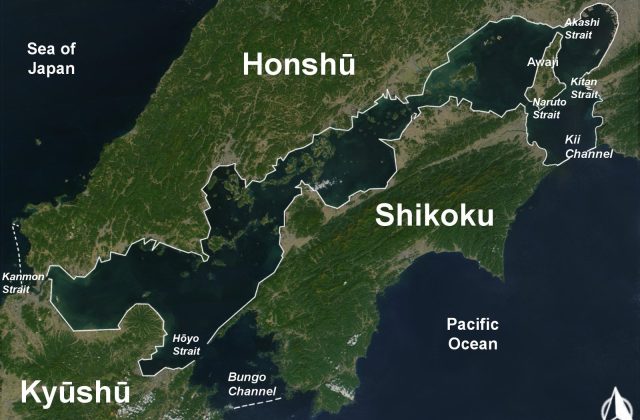
Shikoku is the smallest and least visited of Japan's four main islands, a mountainous land of castles, hot…
4 tours & trips
Japan · Seas of Japan & Korea · Nature & wildlife island
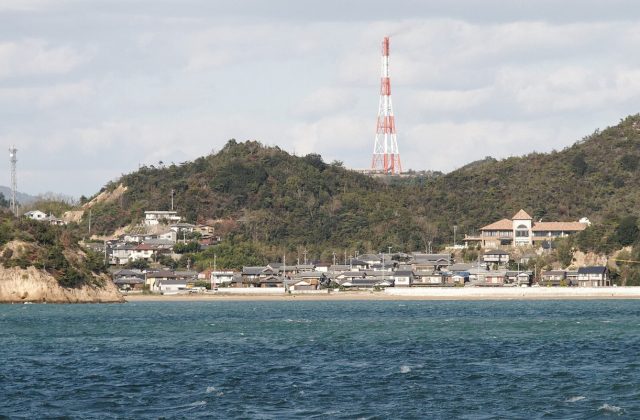
Aoshima is a 1.6-km sliver of hillside off the Ehime coast of Shikoku, known as Cat Island because its cats have long outnumbered its people. A sardine-fishing village once lived here; by 2024 only four residents remained, with about 80 cats, reached by one small ferry from Nagahama.
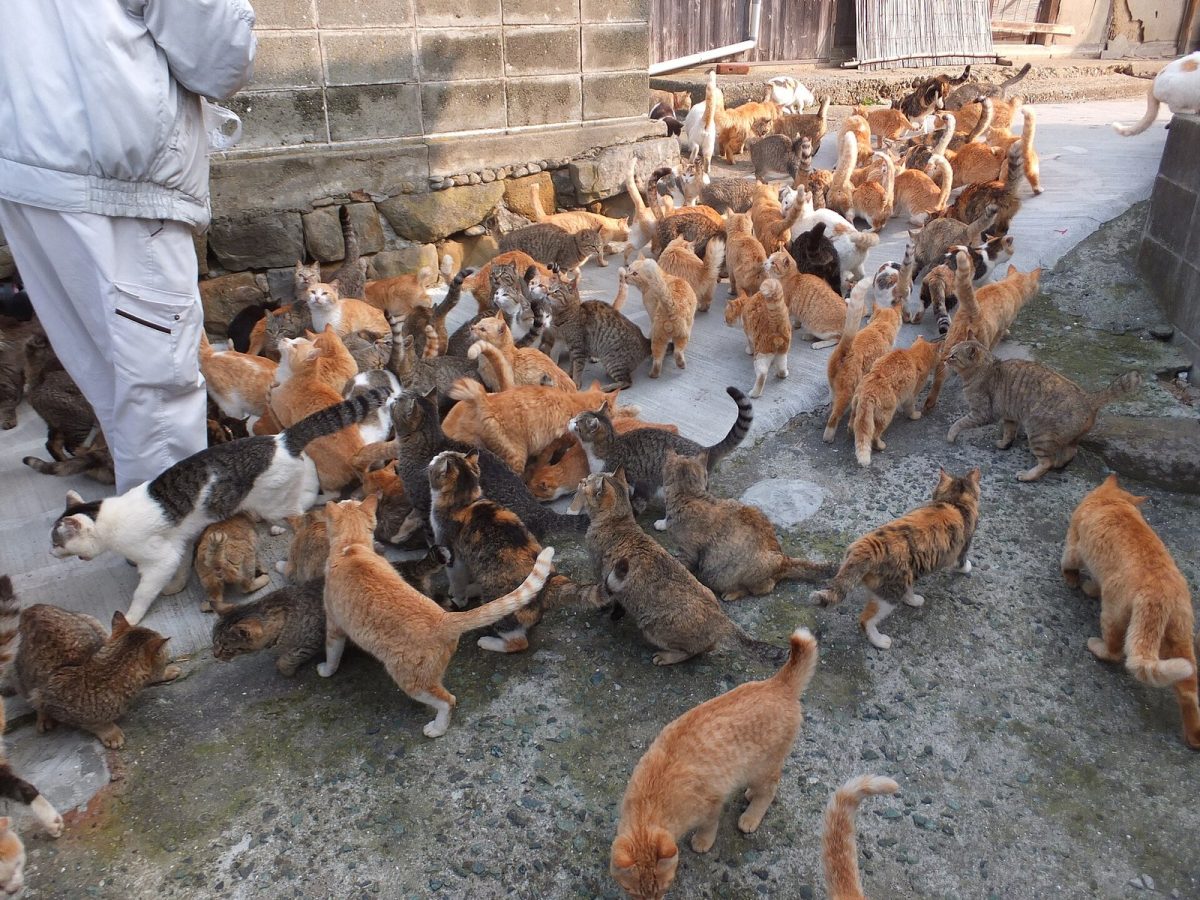
Photo: 暇・カキコ, CC BY-SA 4.0
| Getting there | Small ferry from Nagahama Port in Ozu, about 35 min, twice a day; no reservations, first come first served |
|---|---|
| Gateway | Nagahama Port (Ozu, Ehime) |
| Travel time | 35 min by ferry |
| Days | A day trip is enough |
| Best months | Mar–May and Oct–Nov; summer hot with no shade; boats cancelled in rough seas |
| Getting around | On foot only; one lane through the village and paths up the hill |
| Booking | Nothing to book; queue early at Nagahama, the boat is small and fills fast |
| Cost | Cheap; the ferry fare is the only cost |
| Beaches | No beaches; a concrete harbour and rocky shore, and swimming is not part of a visit |
| Sea | Seas of Japan & Korea |
| Area | 0.5 km² |
| Population | 4 (2024) |
| Ferry | 35 min from Nagahama Port (Ozu, Ehime) |
| Airport | No |
| Checked | October 2026 |
Nothing is sold online for Aoshima, and there are no organised tours to the island: visitors simply take the small municipal ferry from Nagahama on their own. The boat carries only a few dozen passengers, cannot be reserved and leaves twice a day. On weekends and holidays people queue well before departure and some are left behind, so arrive early, especially in spring and autumn.
Because of the timetable, most visitors take the morning boat out and the afternoon boat back, which gives a long stay of several hours. That is more than enough for a small island with one village, so plan for it: there is no shop, restaurant or vending machine, and the residents are few and elderly. Bring food and drinks, take all your rubbish back with you, and use the toilet before you board. The cats are cared for by residents and volunteers, and all were neutered in 2018, which is why the numbers are falling; follow the posted rules about where food may be given, and never pick the animals up.
The alternative for travellers short on time is to combine a look at Nagahama and its bridge with the train along the coast and skip the island. For cat lovers, though, the trip itself is the attraction: go independently, early, on a weekday, and respect that this is still someone's home.
The boat docks at a small concrete harbour where most of the cats wait, and the first scene is a crowd of them sitting on the breakwater, steps and nets. Watch where you step, keep your voice down and let the cats come to you. Many are old, some are shy, and residents ask visitors not to chase or grab them.
Behind the harbour, one narrow lane runs past wooden houses, many empty and slowly falling in, with a small shrine and the old community buildings. Cats sleep on walls, roofs and boat engines. It takes only a few minutes to walk end to end; linger instead, and remember that the remaining houses are lived in and private.
Above the village, an overgrown path climbs towards the island's highest point, a little over 90 metres, through old terraced fields where villagers once grew vegetables. The higher you go, the fewer cats and the wider the views over the Iyo Sea towards the Sadamisaki Peninsula. The way is rough and steep in places, so go only with good shoes.
Back on the mainland, the old port town of Nagahama sits at the mouth of the Hiji River. Its red bascule bridge, opened in 1935, is the oldest working one of its kind in Japan and still lifts for passing boats on occasion. On cold mornings from late autumn to winter, river fog pours out to sea under it.
On the coastal railway towards Matsuyama, this tiny unmanned station stands on a platform right above the sea, with a single bench facing the water. It is a favourite stop for photographers at sunset. Combine it with the trip back from Nagahama on the slow coastal line, about an hour to Matsuyama, and get off for a while.
The ferry to Aoshima leaves from Nagahama Port in the city of Ozu, on the western coast of Shikoku, and takes about 35 minutes. There are two return sailings a day, morning and afternoon. Tickets are sold at the port on the day, and the small boat is cancelled in strong wind or high waves, which happens most often in winter; check the timetable and the weather the evening before, and confirm the return time when you land, as missing it means a night with no services. To reach Nagahama, take the train from Matsuyama on the coastal branch of the line to Iyo-Nagahama station, about an hour, then walk about 15 minutes to the port. Matsuyama has an airport with flights from Tokyo and Osaka, and fast boats from Hiroshima. Drivers can park near the port.
Aoshima is walked, and there is little to walk to. The village lane runs along the shore near the harbour for a few hundred metres, and a rough path leads uphill behind it. There are no vehicles for visitors, no bicycles and no services. Shade is scarce, so bring a hat and water in warm weather. The island is steep and some stone steps are broken, so take care with small children, and stay off private land and out of empty houses.
Spring, from March to May, and autumn, from October to November, are the most comfortable months: mild, often clear and good for sitting on the harbour wall with the cats. Summer is hot and humid with no shade and nowhere to buy a drink, and the rainy season in June and typhoons from August to September can cancel the boat for days. Winter is cool and sunny on calm days but the sea is more often rough.
The boat is busiest at weekends, in Golden Week in early May and in the autumn holidays, when the queue starts long before departure. Weekdays outside holidays are much easier. Nagahama's winter river fog, which flows out under the red bridge on clear cold mornings, is best seen between late autumn and February, early in the day. One day is all the island needs; the cat numbers are falling year by year as the colony ages, so the island will not stay as it is for long.
There is no accommodation of any kind on Aoshima, so you cannot stay overnight. Most visitors base themselves in Matsuyama, the largest city in Shikoku, with hotels near the castle and the old hot-spring district of Dogo, and take the morning train to Nagahama. Ozu, inland and about 20 minutes from Nagahama, has a smaller choice of inns and suits travellers who also want its castle and old streets. Nagahama itself has only a few simple places to stay.
Aoshima was uninhabited until 1639, when families from a fishing village near Ako in western Honshu settled here and built a sardine-fishing community, farming the hillside terraces as a side living. At its height several hundred people lived on the island. Cats were brought to keep mice away from the nets and the boats. As the sardines declined and young people left for the cities, the village emptied, and from the 2010s photos of the cats made it famous. Today a handful of elderly residents and volunteers look after the last of them.
Ozu, with its rebuilt wooden castle and riverside villa, is 20 minutes from Nagahama and fills the afternoon. Uchiko, an old wax-making town, is a short train ride beyond. Matsuyama, with its castle and the Dogo hot springs, is about an hour away. The Shimanami Kaido bridges and cycling route start at Imabari, about an hour north-east of Matsuyama.
94 km away
Shikoku is the smallest and least visited of Japan's four main islands, a mountainous land of castles, hot…
4 tours & trips
160 km away
Naoshima is a small island of about 8 square kilometres in the Seto Inland Sea of Japan, turned into one of the…
11 tours & trips
161 km away
Kyushu is the third-largest and southernmost of Japan's four main islands, covering about 36,800 square kilometres…
22 tours & trips
Small ferry from Nagahama Port in Ozu, about 35 min, twice a day; no reservations, first come first served.
From Nagahama Port (Ozu, Ehime): 35 min by ferry.
A day trip is enough.
Mar–May and Oct–Nov; summer hot with no shade; boats cancelled in rough seas.
On foot only; one lane through the village and paths up the hill.
Go if you love cats and want a strange, quiet glimpse of a fading fishing village on the Seto Inland Sea. Skip it if you need cafes, toilets on demand or a flexible schedule, as there are no shops and only two boats a day. With about 35 min each way from Nagahama Port (Ozu, Ehime), a day trip is easy to do.
Cheap; the ferry fare is the only cost.
No beaches; a concrete harbour and rocky shore, and swimming is not part of a visit.
Nothing to book; queue early at Nagahama, the boat is small and fills fast.
Ryukyu Islands, Japan
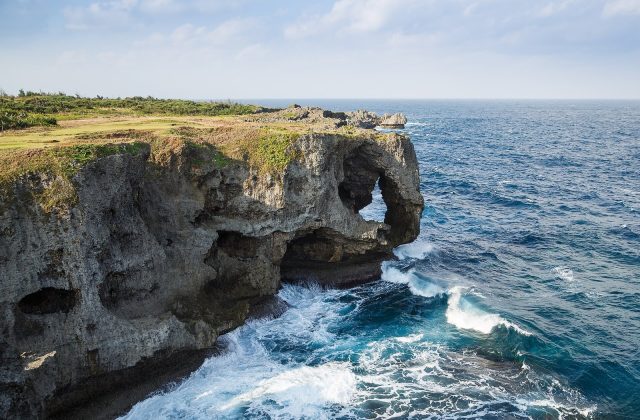
Okinawa is the main island of Japan's subtropical Ryukyu chain, about 106 km long and some 640 km south of Kyushu.
199 tours & trips
Japan
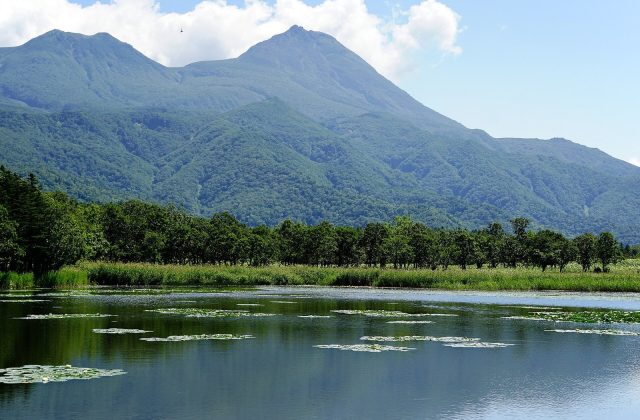
Hokkaido is the northernmost and second-largest of Japan's main islands, almost 78,000 square kilometres of…
84 tours & trips
Japan
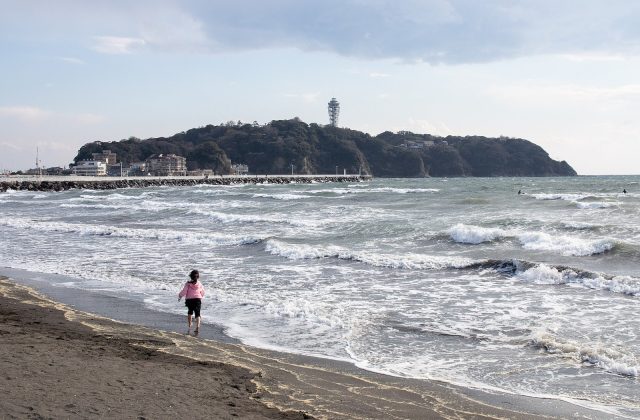
Enoshima is a small, wooded island about 4 km round in Sagami Bay, joined by a bridge to the beach town of Katase,…
61 tours & trips
Yaeyama Islands, Japan
Ishigaki is a subtropical island in the far south of Japan, about 400 km south-west of Okinawa's main island and…
55 tours & trips
Miyako Islands, Japan
Miyakojima is a flat limestone island of about 159 square kilometres in Okinawa, some 300 km south-west of the main…
38 tours & trips
Japan
Awaji Island is the largest island in the Seto Inland Sea, about 592 square kilometres of farmland, coast and low hills…
22 tours & trips