Shikoku
78 km away
Shikoku is the smallest and least visited of Japan's four main islands, a mountainous land of castles, hot…
4 tours & trips
Japan · Seas of Japan & Korea · Nature & wildlife island
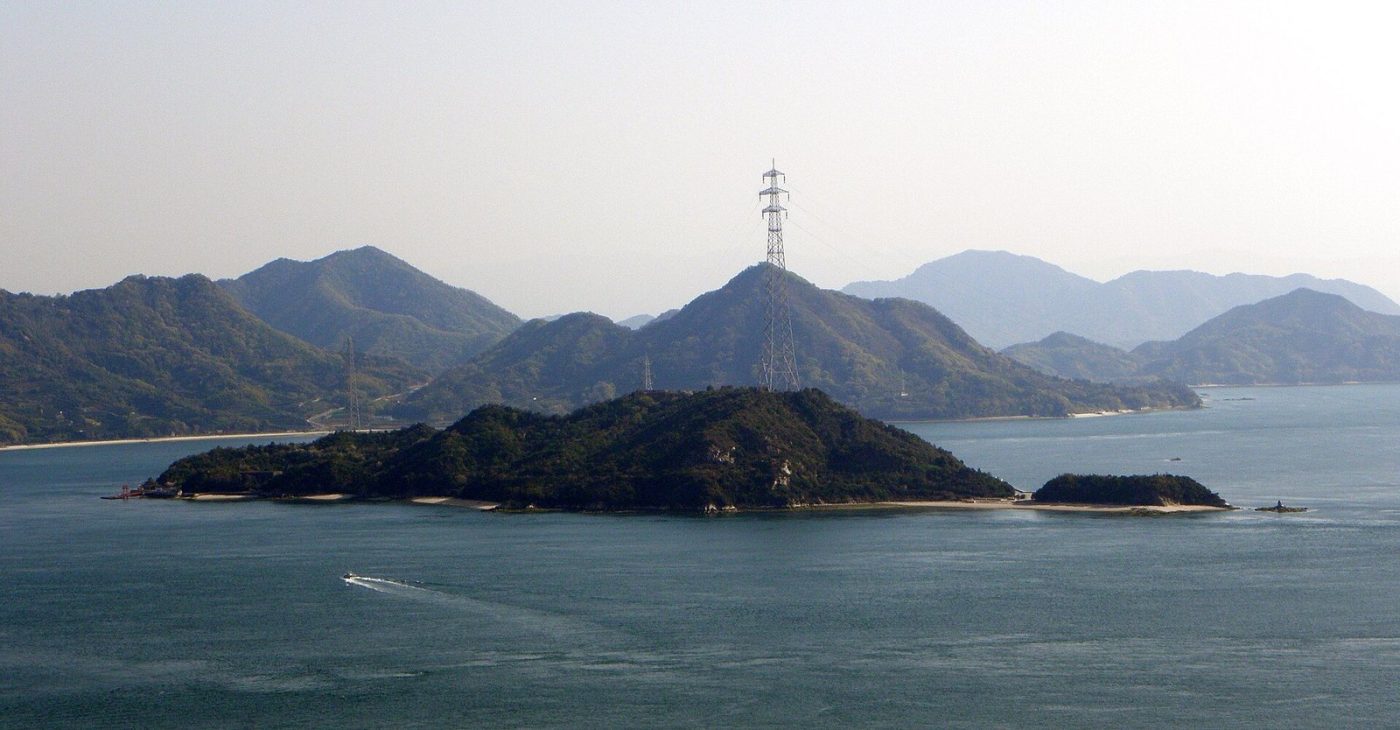
Okunoshima is a tiny island in the Seto Inland Sea, about 4 km round, where hundreds of tame wild rabbits hop up to every visitor. It is also a sobering history lesson: during the 1930s and the war years the Japanese army made poison gas here in secret, and the ruins and a small museum remain.
| Getting there | 15-min ferry from Tadanoumi port, reached by train from Hiroshima via Mihara in about 1.5 h |
|---|---|
| Gateway | Tadanoumi (Takehara), near Hiroshima |
| Travel time | 15 min by ferry |
| Days | A day trip is enough |
| Best months | Mar–May and Oct–Nov; Jul–Aug hot and humid; Jun rainy |
| Getting around | Car-free: walk the 4-km coast road, rent a bike or take the free hotel shuttle |
| Booking | Nothing for a day trip; the island hotel weeks ahead for weekends and holidays |
| Cost | Mid-range; a cheap day out |
| Beaches | A small sandy beach by the hotel, with swimming in summer |
| Sea | Seas of Japan & Korea |
| Area | 0.7 km² |
| Population | Uninhabited |
| Ferry | 15 min from Tadanoumi (Takehara), near Hiroshima |
| Airport | No |
| Car-free | Yes |
| Checked | October 2026 |
Nothing is sold online for Okunoshima as a tour, and none is needed. The island is a straightforward day trip done on your own: a train to Tadanoumi on the coast east of Hiroshima, a short ferry ride, and a few hours walking among the rabbits. A handful of guided Hiroshima tours include it, but most visitors go independently.
The costs are small: the train fare, the ferry and the entry fee for the Poison Gas Museum. Rail passes cover the train from Hiroshima but not the ferry. Bring rabbit food bought on the mainland, as supplies on the island are limited; the pellets sold near the ferry pier and fresh vegetables cut small are suitable, but never bread or snacks.
On the island the only organised services are those of the resort hotel, which rents bicycles, runs a free shuttle from the pier and has a restaurant and a public bath for day visitors. Guided walks in Japanese are sometimes offered through the visitor centre.
Our advice: go on a weekday morning, walk the whole coast road anticlockwise from the pier, see the museum, and come back on an early afternoon ferry.
The rabbits live wild all over the island, and as soon as you step off the ferry they come running for food. They are most active in the morning and late afternoon. Feed them on the ground, do not pick them up or chase them, and keep children calm. No pets of any kind are allowed on the island.
Near the hotel, about ten minutes' walk from the main pier, this small museum explains how the island was secretly used to make mustard gas and other chemical weapons, and the suffering of the workers and the victims abroad. Gas masks, equipment and documents are displayed with short English captions. Allow 30 to 45 minutes.
Close to the second pier, the shell of the factory's power plant stands roofless and overgrown, its concrete walls stained by the weather. It is fenced for safety, but you can look through the openings. Further around the coast, the empty storage tanks for poison gas, blackened inside, are another stop on the walk.
In the centre of the island, a path climbs to brick and stone gun emplacements built at the start of the twentieth century to defend the Inland Sea. They are slowly being taken back by the forest. Beyond them a lookout gives views over the islands of the Inland Sea and the tall electricity pylons that cross the water.
A flat road of about 4 km circles the island and takes about an hour on foot or 20 minutes by bike, with rabbits on every lawn. On the way you pass small coves, the campsite and the island's beach, used for swimming in summer. Sunsets over the sea from the west side are lovely if you stay late.
Ferries to Okunoshima leave from Tadanoumi, a small port on the JR Kure line, a few minutes' walk from the station. From Hiroshima, take the shinkansen or a local train to Mihara and change to the Kure line for the short ride to Tadanoumi; the journey takes about one and a half to two hours depending on connections. Local trains along the coast from Hiroshima via Takehara are slower but scenic.
Boats cross roughly every hour or two in about 15 minutes, with more departures at weekends and in holidays; check the last return. Some ferries also link the island with Omishima on the Shimanami cycle route. Private cars cannot be taken onto the island, so leave yours in the paid car park at Tadanoumi port.
The island is small and car-free, so walking is the easiest way around; the coastal loop is flat and the hilltop paths short. The resort hotel's free shuttle bus links the main pier with the hotel for those with luggage or children. Bicycles can be rented at the hotel, though you have to ride slowly because rabbits sit in the road. There are vending machines and a restaurant, but bring water and snacks for the walk.
Spring, from March to May, and autumn, from October to November, are the most pleasant seasons, with mild weather and active rabbits; late March brings cherry blossom to the island. June is the rainy season, and July and August are hot and humid, when the rabbits shelter in the shade and come out mainly in the evening. Winter is cold but often clear and quiet.
Weekends, school holidays and the Golden Week holiday at the start of May bring crowds and longer queues for the ferry, so go on a weekday if you can. The number of rabbits has varied in recent years, partly with the number of visitors feeding them. A half-day visit is enough for most people; staying overnight at the hotel gives you the island almost to yourself in the evening.
The only accommodation on the island is the resort hotel near the museum, with Japanese and Western rooms, a public bath and a campsite nearby; staying the night lets you see the island at dusk and dawn after the day visitors leave. Most people stay elsewhere: Hiroshima has the widest choice and good train links, while Takehara and Mihara are closer and cheaper, with a few business hotels near the stations.
Okunoshima was a quiet farming island until the army built forts on it during the Russo-Japanese War. From 1929 to the end of the Second World War a factory here produced thousands of tonnes of mustard gas and other chemical agents, and the island was left off maps to hide it. Many of the workers later suffered serious illness. After the war the weapons were destroyed and the island became a public holiday park. The rabbits, released after the war, have multiplied into the colony that brings visitors from around the world.
The historic merchant quarter of Takehara, with Edo-period houses and sake breweries, is about 20 minutes away by train and makes a good half-day. Hiroshima and Miyajima are within two hours. Onomichi, the start of the Shimanami Kaido cycling route, is a short train ride from Mihara, and ferries from the island reach Omishima on that route.
78 km away
Shikoku is the smallest and least visited of Japan's four main islands, a mountainous land of castles, hot…
4 tours & trips
92 km away
Naoshima is a small island of about 8 square kilometres in the Seto Inland Sea of Japan, turned into one of the…
11 tours & trips
121 km away
Shodoshima is the second-largest island of the Seto Inland Sea, 153 square kilometres of mountains, olive groves and…
3 tours & trips
15-min ferry from Tadanoumi port, reached by train from Hiroshima via Mihara in about 1.5 h.
From Tadanoumi (Takehara), near Hiroshima: 15 min by ferry.
A day trip is enough.
Mar–May and Oct–Nov; Jul–Aug hot and humid; Jun rainy.
No. Okunoshima is car-free. Car-free: walk the 4-km coast road, rent a bike or take the free hotel shuttle.
Go if you want a gentle, funny day with rabbits, an easy coastal walk and a revealing piece of wartime history. Skip it or choose Miyajima if you want temples, food streets and a classic Japanese sight rather than a small quirky island. With about 15 min each way from Tadanoumi (Takehara), near Hiroshima, a day trip is easy to do.
Mid-range; a cheap day out.
A small sandy beach by the hotel, with swimming in summer.
Nothing for a day trip; the island hotel weeks ahead for weekends and holidays.
Ryukyu Islands, Japan
Okinawa is the main island of Japan's subtropical Ryukyu chain, about 106 km long and some 640 km south of Kyushu.
199 tours & trips
Japan
Hokkaido is the northernmost and second-largest of Japan's main islands, almost 78,000 square kilometres of…
84 tours & trips
Japan
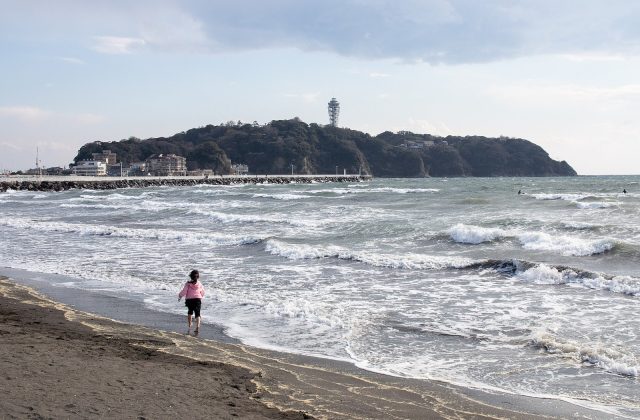
Enoshima is a small, wooded island about 4 km round in Sagami Bay, joined by a bridge to the beach town of Katase,…
61 tours & trips
Yaeyama Islands, Japan
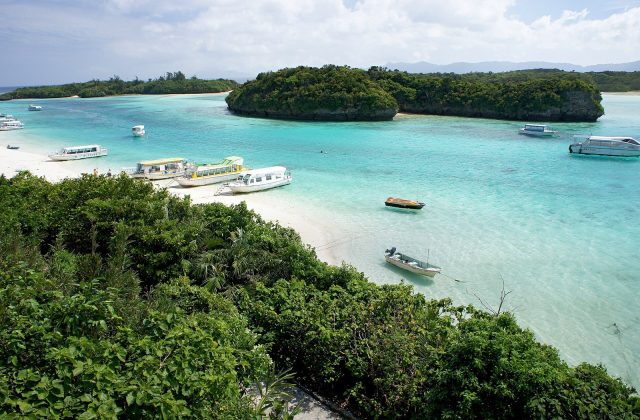
Ishigaki is a subtropical island in the far south of Japan, about 400 km south-west of Okinawa's main island and…
55 tours & trips
Miyako Islands, Japan
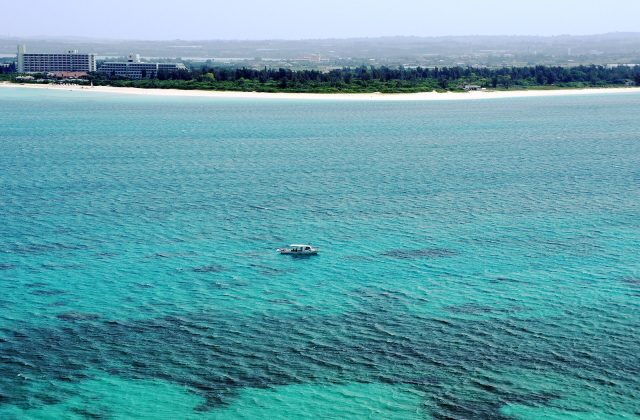
Miyakojima is a flat limestone island of about 159 square kilometres in Okinawa, some 300 km south-west of the main…
38 tours & trips
Japan
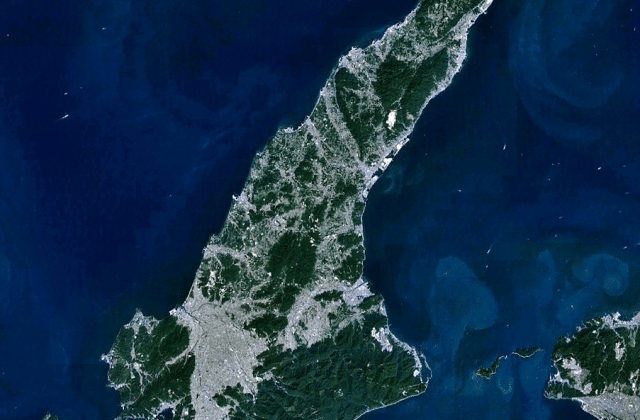
Awaji Island is the largest island in the Seto Inland Sea, about 592 square kilometres of farmland, coast and low hills…
22 tours & trips