Kyushu
140 km away
Kyushu is the third-largest and southernmost of Japan's four main islands, covering about 36,800 square kilometres…
22 tours & trips
Japan · Pacific Ocean · Historic island
Aoshima is a tiny island of palm forest joined by a footbridge to the beach south of Miyazaki city on Kyushu, entirely occupied by the red-gated Aoshima Shrine. It covers only 4.4 hectares, rises 6 metres, and is ringed by the ridged rock shelves known as the Ogre's Washboard.
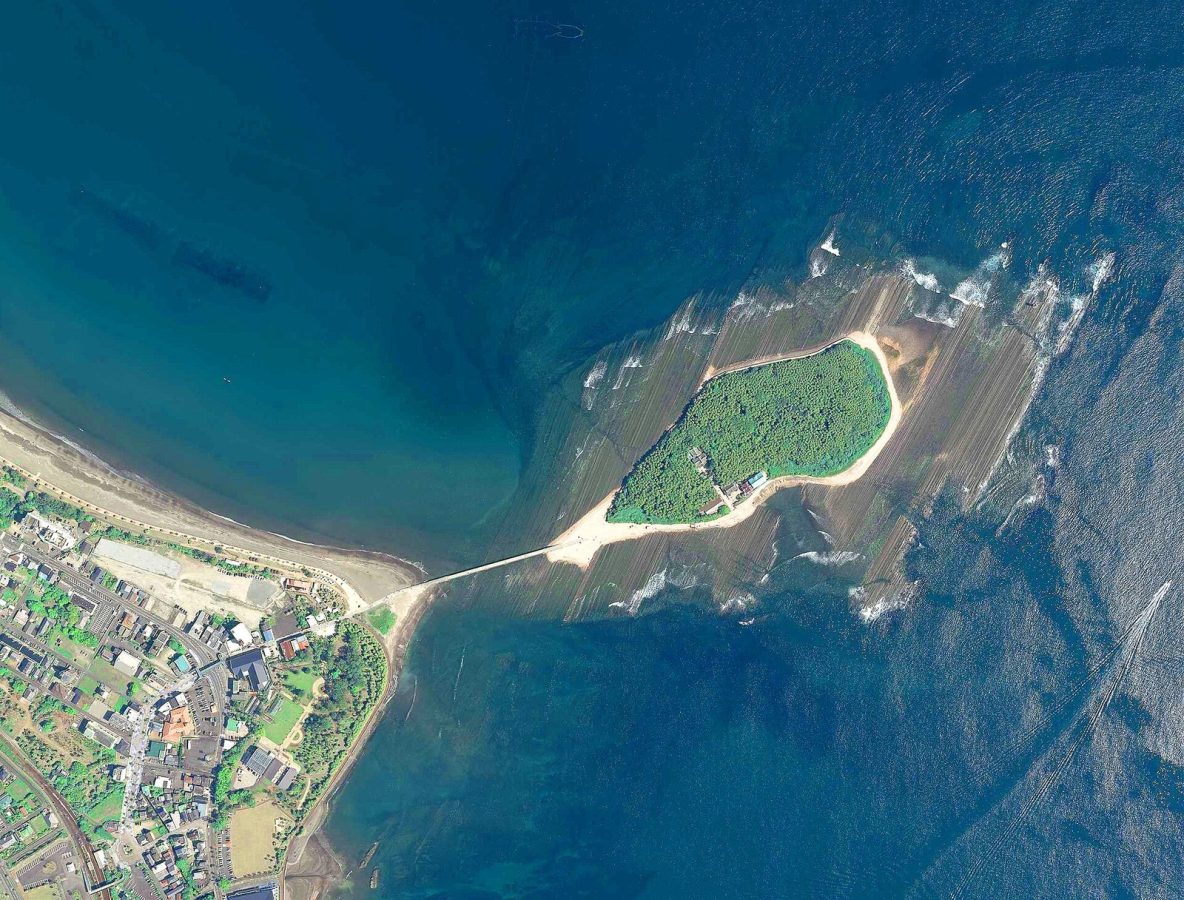
Photo: 国土地理院, Attribution
| Getting there | Walk across a footbridge from Aoshima beach; train or bus from Miyazaki about 30 min |
|---|---|
| Gateway | Miyazaki |
| Travel time | 30 min by train or bus, 20 min from the airport |
| Days | A half-day trip is enough |
| Best months | Mar–May and Oct–Nov; June rainy; typhoons Aug–Sep; summer for beach and surf |
| Getting around | On foot; the footbridge and a loop round the island take about 20 minutes |
| Booking | Nothing to book; hotels in Aoshima for summer weekends and holidays |
| Cost | Cheap; the shrine and the bridge are free |
| Beaches | Aoshima Beach, a long sandy beach by the bridge, popular with families and surfers |
| Sea | Pacific Ocean |
| Area | 4 ha |
| Population | 22 (2015) |
| Highest point | 6 m |
| Airport | No |
| Car-free | Yes |
| Bridge | Road bridge or causeway to the mainland |
| Checked | October 2026 |
Nothing is sold online for Aoshima on its own, because nothing needs to be: the island is a free walk across a bridge from a seaside village half an hour from Miyazaki. Visitors usually come by train or bus and spend an hour or two on the island, the beach and the street of souvenir shops and cafes that leads to it.
What is offered locally is built around the coast. Surf schools on Aoshima Beach and the neighbouring beaches give lessons for beginners, with boards and wetsuits included; this stretch of the Miyazaki coast is one of the best-known surfing areas in Japan. Bicycle rental in Aoshima lets you ride the coastal cycle path. Taxis and sightseeing buses from Miyazaki combine Aoshima with the Horikiri Pass viewpoint, the cave shrine of Udo Jingu and the old castle town of Obi, a full day down the Nichinan coast, with lunch at your own expense.
The sensible plan is to visit independently. Come by train in the morning, walk across at low tide when the rock shelves are widest, visit the shrine, then either surf or swim on the beach or continue south by car or bus. If you have no car, a half-day sightseeing bus or a taxi tour from Miyazaki is the easiest way to add the coast south of the island.
The shrine fills the centre of the island, its vermilion buildings set under dense fan palms. It is associated with a myth of a sea princess and a hunter god and is visited for luck in marriage and safe childbirth. Walk the path lined with prayer tablets to the inner shrine, where visitors throw small clay discs into a stone circle for luck.
Around the island, and for kilometres along the coast to the south, the shore is ribbed with long parallel ridges of hard sandstone between eroded mudstone, laid down on the seabed millions of years ago and tilted up. At low tide the shelves stretch far out, full of rock pools with crabs and small fish. Walk on them carefully: they are slippery.
The island is covered by a native forest of fan palms, the most northerly naturally reproducing population of this species in the world, with other subtropical plants beneath. It is protected and fenced, so you see it from the shrine paths, but it gives the island a tropical look unusual for mainland Japan. A loop path round the island takes about 20 minutes.
The footbridge to the island starts from a wide sandy beach, busy with swimmers in July and August and with surfers most of the year. Beach houses open in summer with showers and rentals. Next to the beach, the free subtropical botanical garden has a greenhouse of tropical plants and a shaded rest from the sun.
About 10 minutes south by car or bus, a roadside viewpoint looks down from the coastal road over the Ogre's Washboard and the Pacific, with the rock ridges stretching in lines along the shore. It is the best place to understand the formation from above. Continue to Udo Jingu, a shrine built inside a sea cave, about 30 minutes further.
Aoshima is reached on foot over a short footbridge from the mainland, so there is no ferry and no timetable to worry about. Trains on the coastal line from Miyazaki station reach Aoshima station in about 30 minutes, though they are not very frequent; from the station it is a walk of about 10 minutes through the village to the bridge. Local buses from Miyazaki station and the city centre also stop near the bridge and run more often. Miyazaki Airport, with flights from Tokyo, Osaka and other Japanese cities, is about 20 minutes away by taxi or car. Drivers can use the paid car parks near the beach, which fill on summer weekends. Miyazaki itself is connected by express trains and highway buses with Kagoshima and Fukuoka.
The island itself is walked: the bridge, the shrine and a loop path along the shore all fit into an hour. Around Aoshima, the village is compact, and rental bicycles are a good way to follow the seaside cycle path. To explore the Nichinan coast to the south, with its viewpoints, the cave shrine and Obi, you need a car or a sightseeing bus, as trains and local buses are infrequent. Roads are good and traffic light outside holidays.
Miyazaki is one of the warmest and sunniest parts of Japan. Spring, from March to May, and autumn, from October to November, are mild and the best time for walking on the rock shelves. June is the rainy season, and July and August are hot and humid but bring the beach season, with lifeguards and beach houses from early July to the end of August. Typhoons are most likely from August to September and can close the bridge and the shore.
Check the tide tables before you go: at low tide the Ogre's Washboard is fully exposed and the island looks much bigger. Winter is cool and dry with clear skies, quiet and pleasant for a visit. The shrine holds a ceremony in January in which worshippers wade into the cold sea, and a summer festival. The island is busiest at New Year, when crowds come for the first shrine visit, and in Golden Week. Half a day is enough for the island; give the coast a full day.
Aoshima village has a cluster of beach hotels, guesthouses and surf lodges facing the island, convenient for early walks and surfing but quiet in the evening. Miyazaki city, about half an hour north, has a much wider range of hotels, the station and the restaurants, and suits travellers without a car or those exploring other parts of the prefecture. Further south, a few seaside hotels along the Nichinan coast suit drivers taking the coast road slowly.
Aoshima is bound up with the myths of the early Japanese imperial line, which place the legendary first emperor's ancestors on this coast. The shrine honours the hunter god Hoori, who in the story went to the palace of the sea god and returned with a sea princess. For centuries the island was sacred and only priests could enter freely; general access came only in the 18th century. In the 1960s and 1970s Aoshima and the Nichinan coast were a top honeymoon destination in Japan, and the shrine still draws couples.
Combine Aoshima with Miyazaki city for local food such as chicken nanban and Miyazaki beef. A day south along the Nichinan coast adds Horikiri Pass, the cave shrine of Udo Jingu about 40 minutes away, and the castle town of Obi, about an hour away. Takachiho Gorge, in the mountains of the north of the prefecture, is about three hours by car.
140 km away
Kyushu is the third-largest and southernmost of Japan's four main islands, covering about 36,800 square kilometres…
22 tours & trips
183 km away
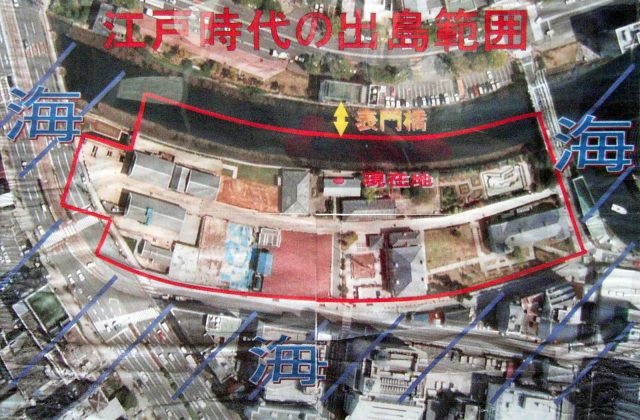
Dejima was a fan-shaped artificial island of about 9,000 square metres in Nagasaki harbour, built in 1636 and for over…
2 tours & trips
184 km away
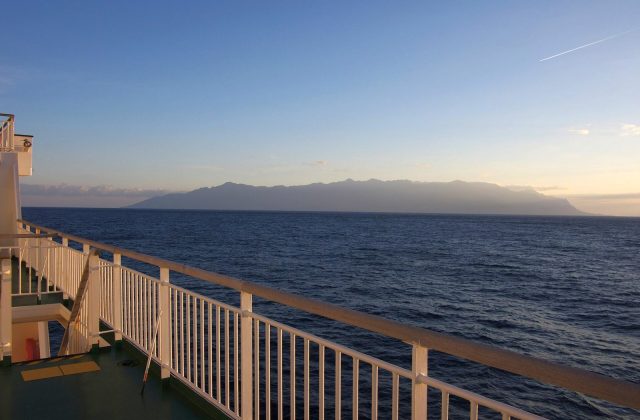
Yakushima is a round, mountainous island about 60 km south of mainland Kyushu, covered in mossy forests of ancient…
9 tours & trips
Walk across a footbridge from Aoshima beach; train or bus from Miyazaki about 30 min.
From Miyazaki: 30 min by train or bus, 20 min from the airport.
A half-day trip is enough.
Mar–May and Oct–Nov; June rainy; typhoons Aug–Sep; summer for beach and surf.
No. Aoshima is car-free. On foot; the footbridge and a loop round the island take about 20 minutes.
Go if you want a short, photogenic walk to a seaside shrine over strange striped rocks, easily paired with surfing beaches and the Nichinan coast. Skip it if you have only one day in Kyushu and want big sights; the island takes under an hour.
Cheap; the shrine and the bridge are free.
Aoshima Beach, a long sandy beach by the bridge, popular with families and surfers.
Nothing to book; hotels in Aoshima for summer weekends and holidays.
Ryukyu Islands, Japan
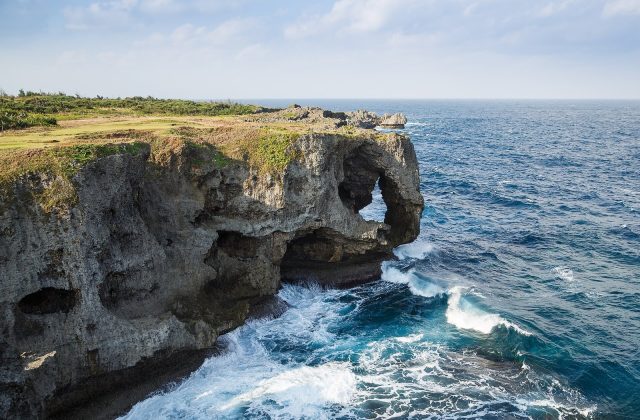
Okinawa is the main island of Japan's subtropical Ryukyu chain, about 106 km long and some 640 km south of Kyushu.
199 tours & trips
Japan
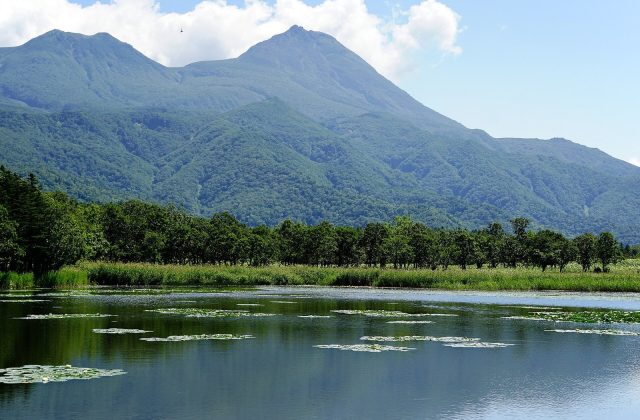
Hokkaido is the northernmost and second-largest of Japan's main islands, almost 78,000 square kilometres of…
84 tours & trips
Japan
Enoshima is a small, wooded island about 4 km round in Sagami Bay, joined by a bridge to the beach town of Katase,…
61 tours & trips
Yaeyama Islands, Japan
Ishigaki is a subtropical island in the far south of Japan, about 400 km south-west of Okinawa's main island and…
55 tours & trips
Miyako Islands, Japan
Miyakojima is a flat limestone island of about 159 square kilometres in Okinawa, some 300 km south-west of the main…
38 tours & trips
Japan
Awaji Island is the largest island in the Seto Inland Sea, about 592 square kilometres of farmland, coast and low hills…
22 tours & trips