Okinawa
Ryukyu Islands, Japan
Okinawa is the main island of Japan's subtropical Ryukyu chain, about 106 km long and some 640 km south of Kyushu.
199 tours & trips
Japan · Seas of Japan & Korea · Historic island
Dejima was a fan-shaped artificial island of about 9,000 square metres in Nagasaki harbour, built in 1636 and for over two centuries the only place in Japan where Europeans could live and trade. Long since swallowed by the growing city, it has been rebuilt as an open-air museum of warehouses, merchant houses and a restored stone bridge.
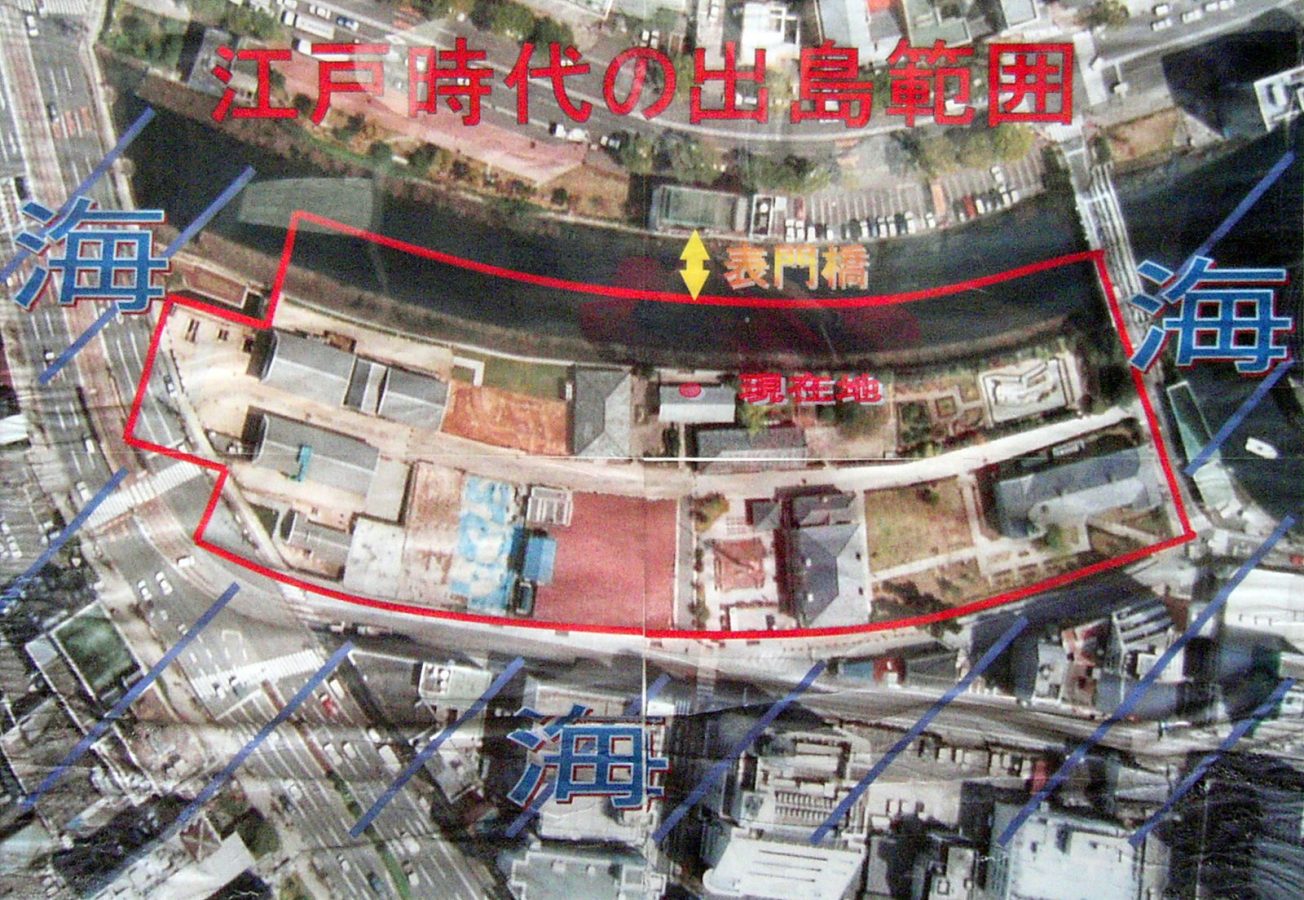
Photo: Keith Finch, CC BY-SA 3.0
| Getting there | Walk or take the tram to the Dejima stop in central Nagasaki; the city is about 1.5 h by train from Fukuoka |
|---|---|
| Gateway | Nagasaki |
| Travel time | 5 min by tram or a 15-min walk from Nagasaki Station |
| Days | Two hours, in a 2-night Nagasaki stay |
| Best months | Mar–May and Oct–Nov; Jun–Jul rainy, Aug hot and humid |
| Getting around | On foot inside; the city tram links Dejima with every other Nagasaki sight |
| Booking | Tickets at the gate; book Nagasaki hotels ahead for the Lantern Festival and Kunchi |
| Cost | Mid-range for Japan; entry is cheap |
| Beaches | No beaches: Dejima is a museum quarter in the middle of the city, now inland from the harbour |
| Sea | Seas of Japan & Korea |
| Area | 1 ha |
| Population | Uninhabited |
| Airport | No |
| Bridge | Road bridge or causeway to the mainland |
| Checked | October 2026 |
Dejima itself needs no tour: you buy a ticket at the gate, and the rebuilt houses have signs and displays in English as well as Japanese. What is sold online are guided walking tours of Nagasaki that include it. One kind concentrates on the old trading post and the surrounding streets, travelling between sights by tram and explaining everyday life in the city past and present; another covers Nagasaki in a day, adding the Peace Park and the atomic bomb sites and ending with the night view from Mount Inasa. They normally include the guide and sometimes tram fares, while entry tickets, the ropeway up Mount Inasa and meals are usually extra.
A guide is worth it here because the story is not obvious from the buildings alone: why the Portuguese were expelled, how the Dutch lived under constant watch, and how Western science reached Japan through a few dozen men on this small fan of land. Independent visitors can do well with a good guidebook and the museum displays, which are thorough. The best plan for most first-time visitors is a guided walk on the first morning in Nagasaki, then returning alone later to Dejima and the other sights at their own pace.
Start where the merchants did. The stone Omotemon Bridge, rebuilt in 2017, once again crosses the Nakashima River to the main gate, the only link between Dejima and the city. Japanese guards checked everyone who passed here. Look along the river at the curved line of the old shore, which still traces the fan shape.
The largest of the reconstructed buildings housed the head of the Dutch trading post. Upstairs, rooms are furnished as they were in the early nineteenth century, with Japanese tatami and paper screens beneath Western chairs, tables and wallpaper, and a dining room laid for a banquet. It is a two-minute walk from the gate along the main street.
Restored storehouses along the street show what passed through Dejima: sugar, textiles, medicines and books coming in, and copper, porcelain and lacquerware going out to Batavia and Europe. Exhibits include excavated pottery, clay pipes and glass from the site, and explain how each year's trading ship was unloaded and inspected.
In the grounds, an outdoor model at one-fifteenth scale shows the whole island as it looked in the 1820s, with its houses, gardens, gates and sea walls. Seeing it makes clear how small the merchants' world was, roughly 120 metres by 75, and how the water surrounded it before the land was reclaimed.
Several later buildings date from after the trading post closed, including a stone Protestant seminary of the 1870s, one of the oldest in Japan, and a clubhouse built for the foreign community. They show how Dejima became part of a cosmopolitan port. Allow two hours for the whole site.
Our pick for each kind of trip, with live dates and prices. Free cancellation on most.
Best for: First visit, a guided walk through Dejima
A local guide walks you through the rebuilt trading post and the old streets around it, using the trams, which helps make sense of a site that needs context.
Dejima is in central Nagasaki, about 1 km south of Nagasaki Station. Trams on the main line stop at Dejima, right outside the gate, about five minutes from the station; the walk takes around 15 minutes.
To reach Nagasaki, the Nishi Kyushu Shinkansen and a connecting express train take about an hour and a half from Hakata in Fukuoka, which has fast trains from Osaka, Hiroshima and Tokyo. Nagasaki Airport, on Omura Bay, has flights from Tokyo and Osaka, and airport buses reach the city centre in about 45 minutes. Long-distance buses run from Fukuoka. Cruise ships dock at the Matsugae pier, about 15 minutes' walk from Dejima, so passengers often visit on a port day. There is no need for a car; city parking is tight and expensive.
Inside Dejima you walk along one main street and a few lanes; the site is flat and compact, with steps up to the upper floors of the houses. Nagasaki is a hilly city stretched along its harbour, and the trams are the easiest way around, cheap and frequent, with a day pass worth buying. Glover Garden, Chinatown, the Peace Park and the station are all on the tram network. Taxis are plentiful, and the steep lanes of the Dutch Slope and Oura are best on foot.
Dejima is open all year and works in any weather, since most of it is indoors. For Nagasaki as a whole, spring from March to May is mild, with cherry blossom in late March and early April, and October to November brings clear skies and comfortable walking.
The rainy season lasts from June to mid-July, and July and August are hot and humid; typhoons can disrupt travel in late summer and early autumn. Winter is mild for Japan and quiet. Two festivals fill the city: the Lantern Festival around the Chinese New Year in January or February, when thousands of lanterns light Chinatown and the centre, and the Kunchi festival at Suwa Shrine on 7 to 9 October, with dances and floats that show the old foreign influences. Book rooms early for both. Two hours is enough for Dejima, and two nights for Nagasaki.
Stay in Nagasaki itself. The area around the station is practical for trains and airport buses and has the most chain hotels. Dejima, the harbour front and Chinatown are the liveliest base, with restaurants and the tram at the door. The streets around Shianbashi are the nightlife district, while the hillside near Glover Garden and Oura is quieter, with harbour views. Mount Inasa has hotels with night views but needs taxis.
Dejima was dug out of the shallows in 1636 to contain Portuguese traders, who were expelled after a largely Christian uprising in 1637 and 1638. From 1641 the Dutch East India Company was confined there instead, the only Westerners allowed in Japan until the 1850s. A few dozen men lived under close watch, but doctors such as Kaempfer, Thunberg and von Siebold carried medicine and science across the bridge, giving rise to Dutch learning. After the port opened, the bay around it was filled in, and the site has been rebuilt step by step since the 1990s.
Pair Dejima with the rest of Nagasaki: Glover Garden and Oura Church, the Peace Park and Atomic Bomb Museum, and the half-day boat trip to the abandoned island of Hashima, known as Gunkanjima. Fukuoka is about 90 minutes away by train, and the Huis Ten Bosch theme park, built as a Dutch town, about 90 minutes by train or bus.
Walk or take the tram to the Dejima stop in central Nagasaki; the city is about 1.5 h by train from Fukuoka.
From Nagasaki: 5 min by tram or a 15-min walk from Nagasaki Station.
Two hours, in a 2-night Nagasaki stay.
Mar–May and Oct–Nov; Jun–Jul rainy, Aug hot and humid.
On foot inside; the city tram links Dejima with every other Nagasaki sight.
Go if you are curious about how a closed Japan traded with the West through one tiny Dutch outpost. Skip it if you want a real island with sea and beaches; Dejima is a city-centre museum, best combined with the rest of Nagasaki.
Mid-range for Japan; entry is cheap.
No beaches: Dejima is a museum quarter in the middle of the city, now inland from the harbour.
Tickets at the gate; book Nagasaki hotels ahead for the Lantern Festival and Kunchi.
Yes. Boat trips, guided tours and day trips for Dejima can be booked online; live prices and free cancellation on most are shown on this page.
Ryukyu Islands, Japan
Okinawa is the main island of Japan's subtropical Ryukyu chain, about 106 km long and some 640 km south of Kyushu.
199 tours & trips
Japan
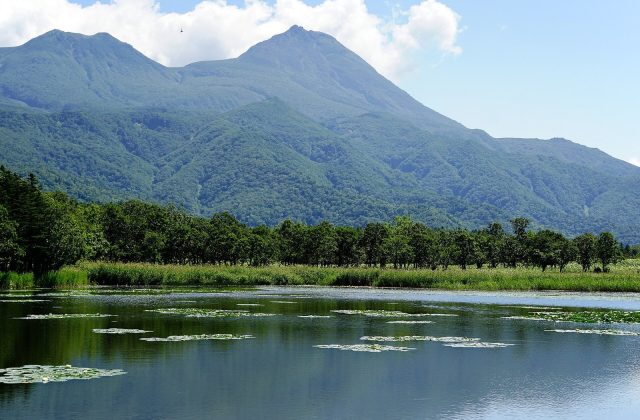
Hokkaido is the northernmost and second-largest of Japan's main islands, almost 78,000 square kilometres of…
84 tours & trips
Japan
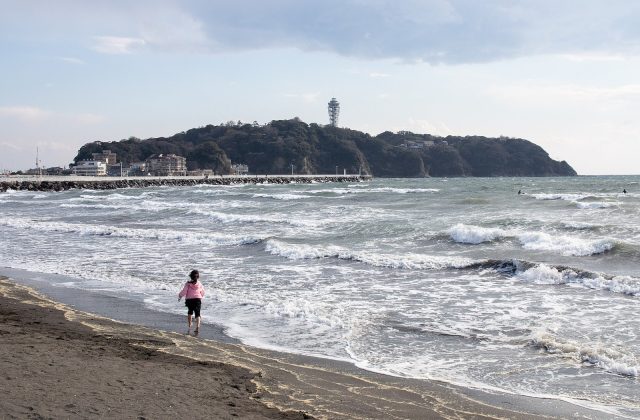
Enoshima is a small, wooded island about 4 km round in Sagami Bay, joined by a bridge to the beach town of Katase,…
61 tours & trips
Yaeyama Islands, Japan
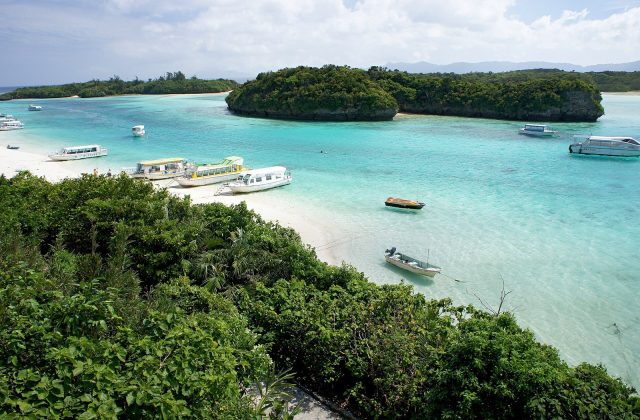
Ishigaki is a subtropical island in the far south of Japan, about 400 km south-west of Okinawa's main island and…
55 tours & trips
Miyako Islands, Japan
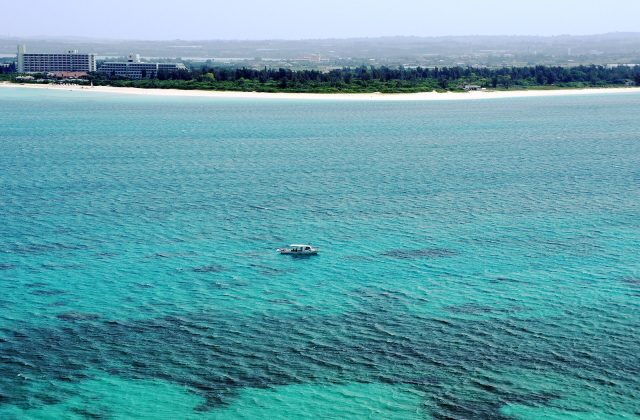
Miyakojima is a flat limestone island of about 159 square kilometres in Okinawa, some 300 km south-west of the main…
38 tours & trips
Japan
Awaji Island is the largest island in the Seto Inland Sea, about 592 square kilometres of farmland, coast and low hills…
22 tours & trips