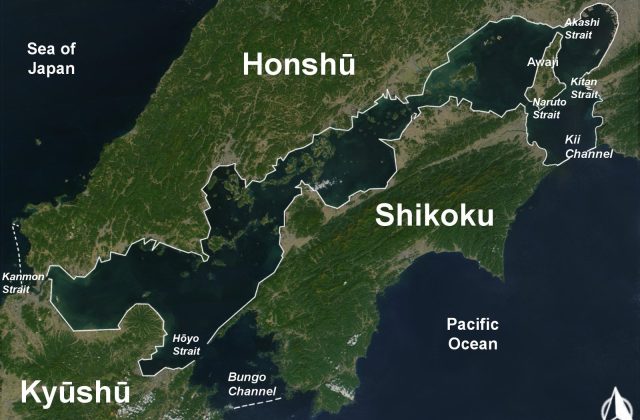
Shikoku
124 km away
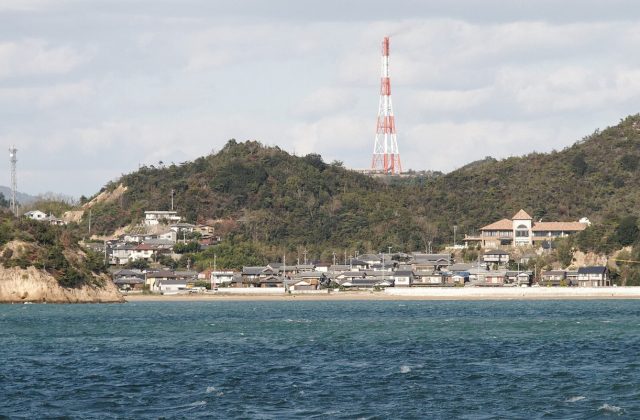
Shikoku is the smallest and least visited of Japan's four main islands, a mountainous land of castles, hot…
4 tours & trips
Japan · Seas of Japan & Korea · Historic island
Miyajima, properly called Itsukushima, is a forested island in Hiroshima Bay famous for the shrine built over the water and its great vermilion torii gate, which seems to float at high tide. It lies ten minutes by ferry from the mainland and is one of Japan's classic Three Views.
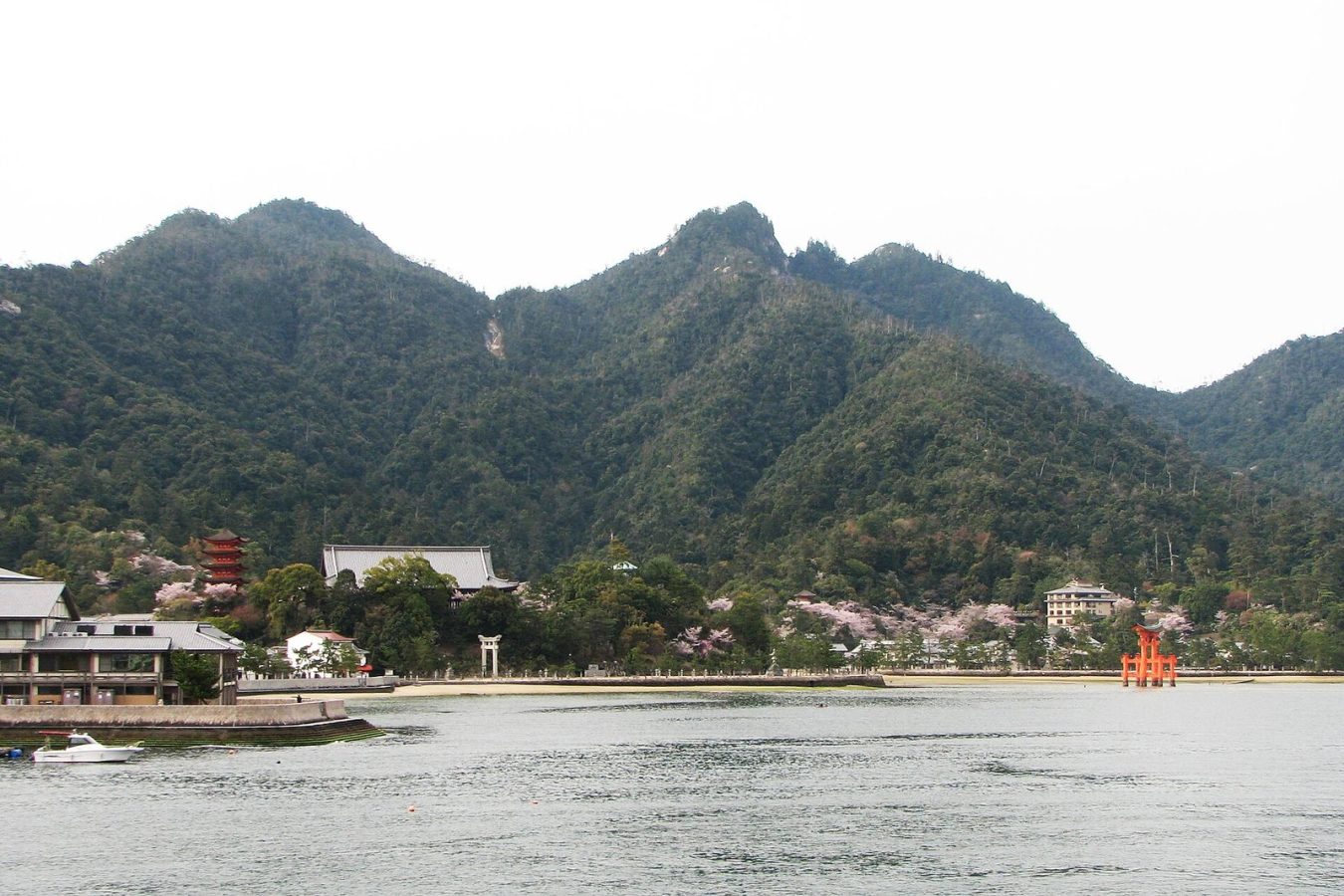
Photo: Bernard Gagnon, CC BY-SA 3.0
| Getting there | Ferry from Miyajimaguchi in 10 min, 25 min by train from Hiroshima; direct boats from the city about 45 min |
|---|---|
| Gateway | Hiroshima (Miyajimaguchi pier) |
| Travel time | 10 min by ferry; about 1 h door to door |
| Days | A day trip; one night for evening |
| Best months | Late Mar–Apr for cherry blossom, Oct–Nov for maples; Jun–Jul rainy |
| Getting around | Walk; the ropeway climbs Mount Misen; a bus runs from the shrine to the ropeway |
| Booking | Ryokan rooms weeks ahead for blossom and maple seasons; ferries need no booking |
| Cost | Mid-range for Japan; ryokan stays are expensive |
| Beaches | A small sand beach at Tsutsumigaura; most visitors do not come to swim |
| Sea | Seas of Japan & Korea |
| Area | 30 km² |
| Population | 535 (2000) |
| Highest point | 535 m (Mount Misen) |
| Ferry | 10 min from Hiroshima (Miyajimaguchi pier) |
| Airport | No |
| Car-free | No |
| UNESCO | Itsukushima Shinto Shrine |
| Checked | October 2026 |
Nothing is sold online for Miyajima on its own as a tour, and there is little need: the island is one of the easiest day trips in Japan. Most people simply take the train and ferry from Hiroshima on their own, and many guided Hiroshima day tours include Miyajima in the afternoon after the Peace Memorial Park.
If you go independently, the costs are the train or tram fare, the short ferry, the small visitor tax charged on leaving the mainland, the shrine entrance fee and, if you use it, the ropeway. Rail passes cover the JR train and the JR ferry. Direct sightseeing boats from the Peace Park in Hiroshima are a good one-way option, combining both sights in a single day.
On the island you can hire a guide at the tourist office, rent a kimono for photos, join a rickshaw ride along the waterfront or take one of the small boats that pass under the torii at high tide in the evening. Volunteer guides sometimes offer free walks of the shrine area.
Our advice: go by yourself, check the tide table, arrive early and stay for sunset, or better, spend one night on the island.
The shrine's red halls and corridors stand on stilts over the tidal flat, linked by covered walkways, with a noh stage built out over the water. Its present form dates from the twelfth century and it is a World Heritage Site. Visit at high tide, when it seems to float, and arrive by 8 am to beat the tour groups.
The gate stands in the bay about 200 metres from the shrine, 16 metres tall and painted bright vermilion. At high tide it rises from the water; at low tide you can walk out on the sand and stand beneath it. It is lit up after dark, and the view from the shore in the evening is the best of the day.
The sacred summit at 535 metres looks over the islands of the Inland Sea. A two-stage ropeway climbs most of the way from Momijidani Park, followed by a 30-minute walk past temple halls and huge boulders. Fit walkers can hike the whole way up on one of three trails in about one and a half to two hours.
At the foot of the mountain, a ten-minute walk from the shrine, this old Buddhist temple is full of small statues, prayer wheels on the stair rails and a cave lined with lanterns. It is quieter than the shrine and is also the start of the Daisho-in trail up Mount Misen, which passes waterfalls on the way.
The covered shopping street between the pier and the shrine is the place to try grilled oysters, rice with conger eel and momiji manju, the maple-shaped cakes. Above it, on a small hill, stand the large wooden hall of Senjokaku and a five-storey pagoda, both reached in five minutes and much less crowded than the waterfront.
From Hiroshima station, local trains on the JR Sanyo line reach Miyajimaguchi in about 25 minutes; the slower tram takes about an hour. The ferry pier is a short walk from the station, and two companies run boats across every 10 to 15 minutes from early morning until late evening, taking about ten minutes. The JR ferry is covered by the Japan Rail Pass and in the morning sails close to the torii.
Direct high-speed boats also run from the Peace Memorial Park pier in central Hiroshima in about 45 minutes, a handy way to link the two sights. A small visitor tax is collected with the ferry fare. Cars can be taken over on the ferry, but parking on the island is scarce and pointless; leave the car in Miyajimaguchi.
The sights are close together, and walking is the way to see them: the shrine is about ten minutes from the ferry pier along the waterfront, and Daisho-in a further ten. A free shuttle bus runs from near the shrine to the ropeway station in Momijidani Park, or you can walk there in 15 minutes. Bicycles can be rented near the pier. Tame deer roam the town and will eat paper, maps and tickets, so keep food out of sight.
Miyajima is a year-round destination, but two seasons stand out. Cherry blossom, from late March to early April, and autumn colour in Momijidani Park, in the first half of November, are beautiful and very crowded, with full ferries and booked-up inns. May and October have mild weather and smaller crowds. June to mid-July is the rainy season, and August is hot and humid, with typhoons possible from late summer into September.
Winter is cold but clear and quiet, and it is the season for the local oysters. Check the tide table before you go: high tide shows the floating shrine, low tide lets you walk to the torii, and on many days you can see both by staying from morning to late afternoon. The Kangensai boat festival in summer is held on a date set by the lunar calendar.
Most visitors stay in Hiroshima and come for the day, which works well. Spending a night on the island is worth it, though: after the last day visitors leave in the early evening, the streets go quiet, the torii is lit up and you can walk the waterfront with only the deer. The island's traditional inns cluster around the shrine and along the shore, usually with dinner and breakfast included. Miyajimaguchi on the mainland has a few cheaper hotels.
Miyajima has been held sacred for more than a thousand years, and for most of that time ordinary people were not allowed to live on it, which is why the shrine was built over the water. The warrior-courtier Taira no Kiyomori gave the shrine its present form in 1168. Later Toyotomi Hideyoshi began the great hall of Senjokaku on the hill above. By tradition there is still no cemetery on the island, its forests are protected, and the present torii, raised in 1875, was restored between 2019 and 2022.
Hiroshima's Peace Memorial Park and museum are the natural pair, 45 minutes away by direct boat. The Kintai Bridge at Iwakuni is about 20 minutes by train from Miyajimaguchi. Further east, Okunoshima, the rabbit island, and the cycling route across the Shimanami Kaido from Onomichi make good additions, and the bullet train reaches Osaka in about one and a half hours.
124 km away
Shikoku is the smallest and least visited of Japan's four main islands, a mountainous land of castles, hot…
4 tours & trips
155 km away
Naoshima is a small island of about 8 square kilometres in the Seto Inland Sea of Japan, turned into one of the…
11 tours & trips
183 km away
Shodoshima is the second-largest island of the Seto Inland Sea, 153 square kilometres of mountains, olive groves and…
3 tours & trips
Ferry from Miyajimaguchi in 10 min, 25 min by train from Hiroshima; direct boats from the city about 45 min.
From Hiroshima (Miyajimaguchi pier): 10 min by ferry; about 1 h door to door.
A day trip; one night for evening.
Late Mar–Apr for cherry blossom, Oct–Nov for maples; Jun–Jul rainy.
Walk; the ropeway climbs Mount Misen; a bus runs from the shrine to the ropeway.
Go if you want the floating torii, a hike or ropeway up Mount Misen and an easy day from Hiroshima. Skip an overnight stay and choose Naoshima instead if you prefer modern art and quiet beaches to crowds of day visitors. With about 10 min each way from Hiroshima (Miyajimaguchi pier), a day trip is easy to do.
Mid-range for Japan; ryokan stays are expensive.
A small sand beach at Tsutsumigaura; most visitors do not come to swim.
Ryokan rooms weeks ahead for blossom and maple seasons; ferries need no booking.
Yes. Miyajima is part of the World Heritage property Itsukushima Shinto Shrine.
Ryukyu Islands, Japan
Okinawa is the main island of Japan's subtropical Ryukyu chain, about 106 km long and some 640 km south of Kyushu.
199 tours & trips
Japan
Hokkaido is the northernmost and second-largest of Japan's main islands, almost 78,000 square kilometres of…
84 tours & trips
Japan
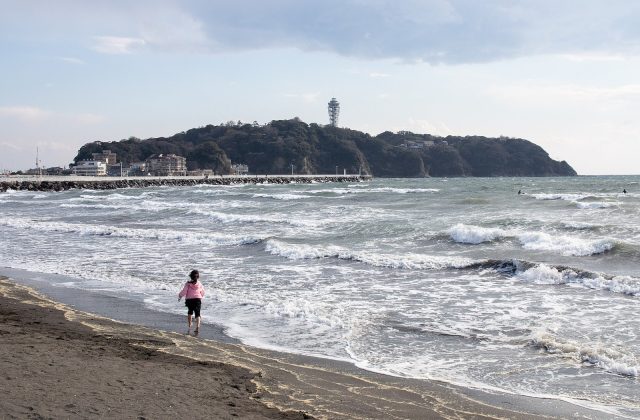
Enoshima is a small, wooded island about 4 km round in Sagami Bay, joined by a bridge to the beach town of Katase,…
61 tours & trips
Yaeyama Islands, Japan
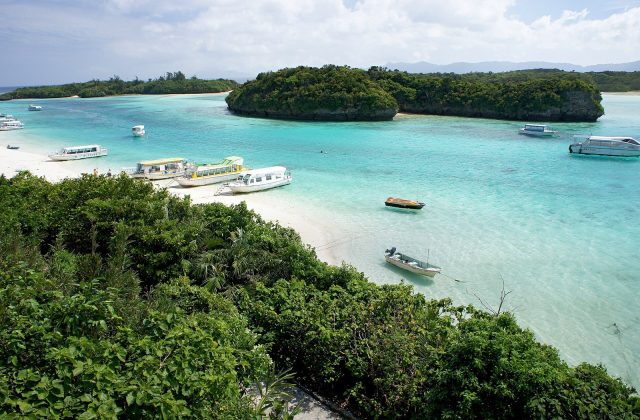
Ishigaki is a subtropical island in the far south of Japan, about 400 km south-west of Okinawa's main island and…
55 tours & trips
Miyako Islands, Japan
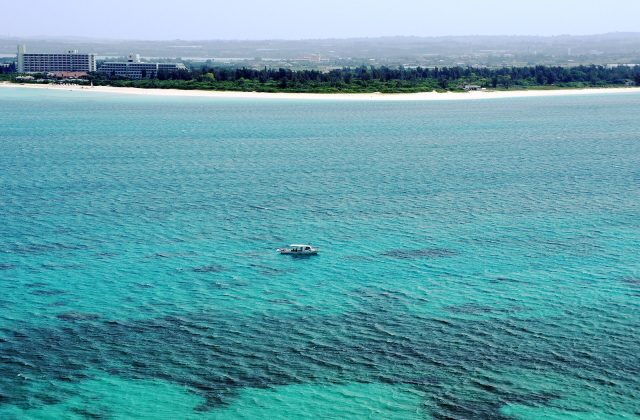
Miyakojima is a flat limestone island of about 159 square kilometres in Okinawa, some 300 km south-west of the main…
38 tours & trips
Japan
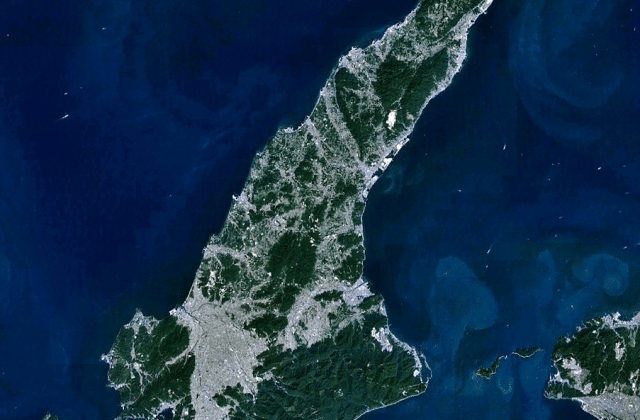
Awaji Island is the largest island in the Seto Inland Sea, about 592 square kilometres of farmland, coast and low hills…
22 tours & trips