São Miguel
Azores, Portugal
São Miguel is the largest island of the Azores, a green volcanic island in the mid-Atlantic about two hours'…
269 tours & trips
Portugal · Atlantic Ocean · Nature & wildlife island
Terceira is a green volcanic island of 400 square kilometres in the central Azores, about 1,200 km west of Lisbon, known for Angra do Heroismo, the archipelago's oldest city and a UNESCO World Heritage Site. Visitors come for walkable volcanic caves, lava rock pools, painted festival chapels and street bull-running.
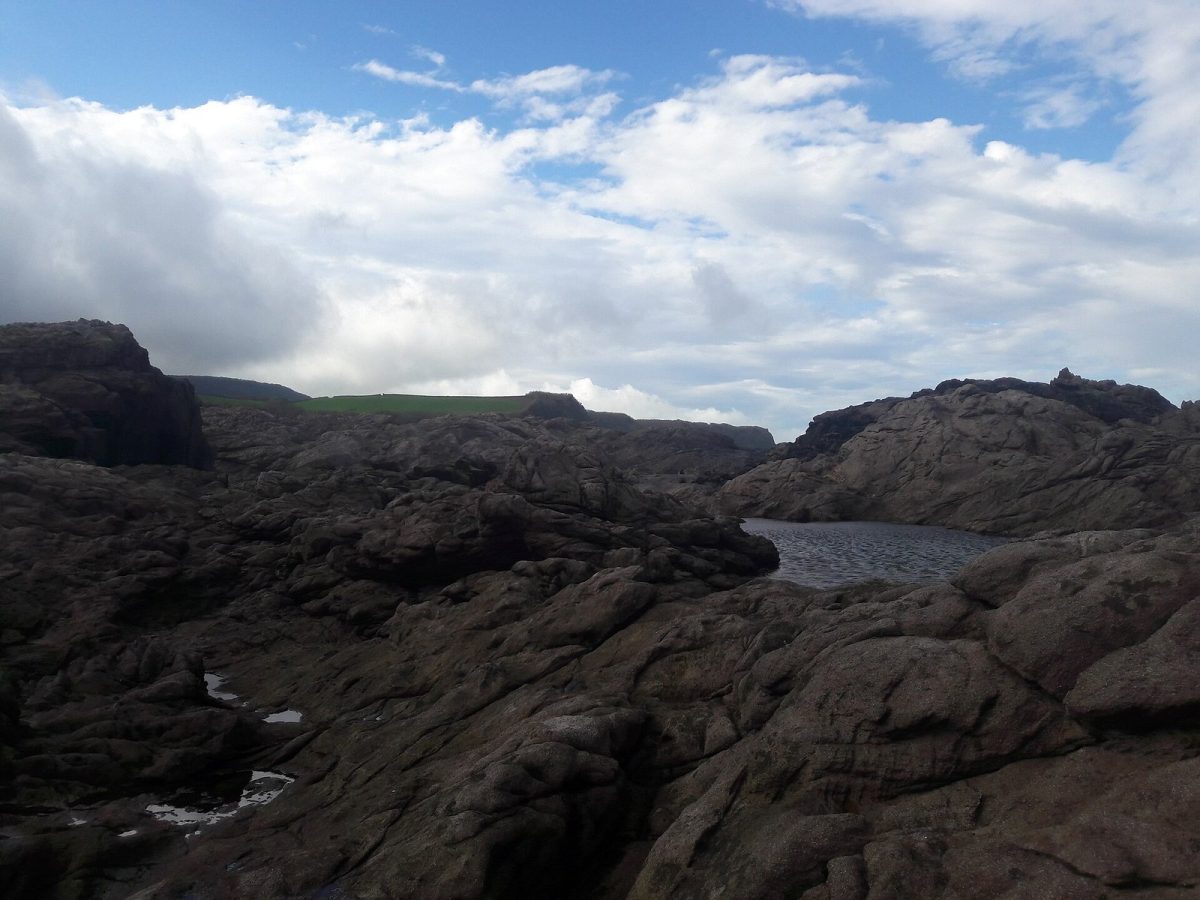
Photo: nyuhuhuu, CC BY 2.0
| Getting there | Flights to Lajes from Lisbon (about 2.5 h), Ponta Delgada (45 min) and Porto; summer ferries to central isles |
|---|---|
| Gateway | Lisbon or Ponta Delgada (flights to Lajes) |
| Travel time | 2.5 h by air from Lisbon, 45 min from Ponta Delgada |
| Days | 3 to 5 nights |
| Best months | Jun–Sep; mild but wet and windy Oct–Apr; festivals and bull-running May–Oct |
| Getting around | Rent a car; buses link Angra, Praia da Vitoria and the villages but run rarely |
| Booking | Car and rooms early for the Sanjoaninas in June; whale trips a few days ahead |
| Cost | Mid-range, cheaper than mainland Portugal's coast |
| Beaches | Mostly lava rock pools at Biscoitos and Quatro Ribeiras; sand at Praia da Vitoria |
| Sea | Atlantic Ocean |
| Archipelago | Azores |
| Area | 400 km² |
| Population | 53,311 (2021) |
| Highest point | 1,021 m (Serra de Santa Barbara) |
| Airport | Yes, scheduled flights |
| Car-free | No |
| UNESCO | Central Zone of the Town of Angra do Heroismo in the Azores |
| Checked | October 2026 |
Terceira sells three kinds of trip, mostly from Angra do Heroismo and Praia da Vitoria with hotel pickup.
The first is the island tour. Half-day and full-day versions by van or open jeep loop round the coast and the interior: Angra, the patchwork view from Serra do Cume, the lava pools of Biscoitos and one or two caves, sometimes with a long lunch of alcatra. Smaller jeep tours take dirt roads through the misty centre. A private geology tour suits anyone who wants the volcanoes explained properly.
The second is the sea. Whale and dolphin watching boats leave Angra for half a day, with a marine biologist on board, and often stop at the Ilheus das Cabras, two cliffs that rise from the bay. Snorkelling trips, glass-bottomed boats and dives explore the old shipwrecks in Angra bay, now an underwater archaeological park.
The third is active: guided hikes on Monte Brasil and the Misterios Negros lava trail, canyoning, e-bike and segway tours, plus food outings with cooking classes and wine tastings in Biscoitos. Cave entry is often extra.
With a rental car you can see most sights yourself; book one whale trip and one guided cave or geology day.
The old capital curves around a bay below the green cone of Monte Brasil. Its grid of streets, laid out in the 1500s, is lined with pastel houses, churches and palaces, rebuilt after the 1980 earthquake. Walk up to the Duke of Terceira garden and the obelisk above it for the view, and visit the cathedral and the museum in the old convent.
In the centre of the island, a volcanic chimney drops about 90 metres into the ground and opens into a vast chamber with a green lake at the bottom and dripping silica formations. Steps lead down from the entrance, so you see the inside of an extinct vent on foot. It opens seasonally with set afternoon hours; check before driving up.
The old crater on the peninsula next to Angra is a forested park with picnic spots, viewpoints and short trails. The walk around the rim takes about two hours and gives views back over the town and out to sea. At its foot, the great fortress of Sao Joao Baptista is still used by the army and can be visited.
On the north coast, black lava has hardened into natural swimming pools filled by the Atlantic, with ladders, paths and lifeguards in summer. Behind them stretch the old vineyards walled with black stone, where the Verdelho wine is made; a small wine museum explains it. Quatro Ribeiras, a few kilometres east, has calmer pools.
On the east side, the rim of an old caldera gives the famous view of fields divided by stone walls into a green patchwork, with cows and the ocean beyond. Drive down to Praia da Vitoria, the second town, which has the island's longest sandy beach, a marina and a pleasant pedestrian centre.
Our pick for each kind of trip, with live dates and prices. Free cancellation on most.
Best for: First visit, the island in a day
A full day by van around the island with a guide: Angra, the crater viewpoint, the lava pools and a cave, a fast way to decide where to return.
Terceira's airport shares a runway with the Lajes air base near Praia da Vitoria. The Portuguese and Azorean airlines fly from Lisbon in about two and a half hours and from Ponta Delgada on Sao Miguel in about 45 minutes, with links to Porto and the other islands; in summer there are some direct flights from North America. Angra is about 25 minutes by car or taxi from the terminal.
Between the islands, the Atlanticoline ferries run in summer from Praia da Vitoria to Graciosa, Sao Jorge, Pico and Faial, taking several hours; in winter there are no regular passenger sailings from Terceira, so fly. Ferries are slow and depend on the weather, so do not plan a tight connection. Cruise ships call at Praia da Vitoria and Angra.
A rental car is the easiest way to explore, since the island is about 30 km across and most caves, viewpoints and pools are outside the towns. Book early for summer, when cars run out. Roads are good and quiet, though narrow in the villages and slow when cows are moved along them. Buses link Angra, Praia da Vitoria and the coastal villages but run infrequently and barely at weekends. Taxis can be hired for a half-day tour.
June to September is the best time: the weather is warmest and most settled, the sea reaches about 22 to 24 degrees and the rock pools are open with lifeguards. July and August are busiest and dearest. May and October are good for walking, with fewer people, although the weather changes quickly.
From November to April Terceira is mild, rarely cold, but wet, windy and often cloudy, and the summer ferries stop. The island's festivals are the reason many come: the Holy Spirit celebrations from Easter to summer, with soup shared in the painted chapels, and the Sanjoaninas in Angra in late June, a week of parades and bullfights. The tourada a corda, a bull on a long rope through village streets, takes place from May to October. Three to five nights is right.
Angra do Heroismo is the best base for most people, with the historic centre, the restaurants, the harbour for boat trips and easy drives to Monte Brasil. Praia da Vitoria is smaller, closer to the airport and has the long sandy beach and a marina. Biscoitos and the north coast suit summer swimmers who want the lava pools and quiet. Rural houses in the interior villages are good with a car.
Terceira was the third Azorean island to be found, hence its name, and was settled by the Portuguese in the 15th century. Its sheltered bay made Angra the port where treasure ships from India and the Americas stopped on their way home, and the forts on Monte Brasil guarded them. The island resisted Spanish rule after 1580 and later backed the liberal cause, earning Angra its title of heroism. The Lajes air base brought Americans from the Second World War onwards, and the 1980 earthquake led to Angra's careful restoration.
Terceira sits at the edge of the central group of the Azores. Graciosa is a short flight or a summer ferry away, and Sao Jorge, Pico and Faial can be reached by summer ferry or plane for a week of island hopping. Sao Miguel, 45 minutes by air, adds hot springs and crater lakes, and Lisbon is the obvious stopover.
Flights to Lajes from Lisbon (about 2.5 h), Ponta Delgada (45 min) and Porto; summer ferries to central isles.
From Lisbon or Ponta Delgada (flights to Lajes): 2.5 h by air from Lisbon, 45 min from Ponta Delgada.
3 to 5 nights.
Jun–Sep; mild but wet and windy Oct–Apr; festivals and bull-running May–Oct.
Rent a car; buses link Angra, Praia da Vitoria and the villages but run rarely.
Go if you want a lived-in island with real history, volcanic caves, rock pools and strong local festivals. Skip it or choose Sao Miguel if you want hot springs and more tours, or Pico and Faial for big mountain hiking.
Mid-range, cheaper than mainland Portugal's coast.
Mostly lava rock pools at Biscoitos and Quatro Ribeiras; sand at Praia da Vitoria.
Car and rooms early for the Sanjoaninas in June; whale trips a few days ahead.
Yes. Boat trips, guided tours and day trips for Terceira can be booked online; live prices and free cancellation on most are shown on this page.
Azores, Portugal
São Miguel is the largest island of the Azores, a green volcanic island in the mid-Atlantic about two hours'…
269 tours & trips
Azores, Portugal
Santa Maria is the southernmost and oldest island of the Azores, a 97-square-kilometre island less than 100 km south of…
210 tours & trips
Azores, Portugal
Pico is the second-largest island of the Azores, a black volcanic cone rising 2,351 metres out of the Atlantic, the…
181 tours & trips
Azores, Portugal
Faial is a volcanic island of 173 square kilometres in the central Azores, facing the cone of Pico across a channel…
23 tours & trips
Azores, Portugal
Sao Jorge is a long, narrow island in the central Azores, 53 km long and only 8 km wide, a volcanic ridge with high…
15 tours & trips
Azores, Portugal
Corvo is the smallest and most northerly island of the Azores, an extinct volcano of 17 square kilometres with a single…
4 tours & trips